
At a Glance
- The UN Secretary-General has issued an urgent call for renewed diplomatic efforts between the US and Iran, emphasizing the critical need to de-escalate mounting tensions in the region.
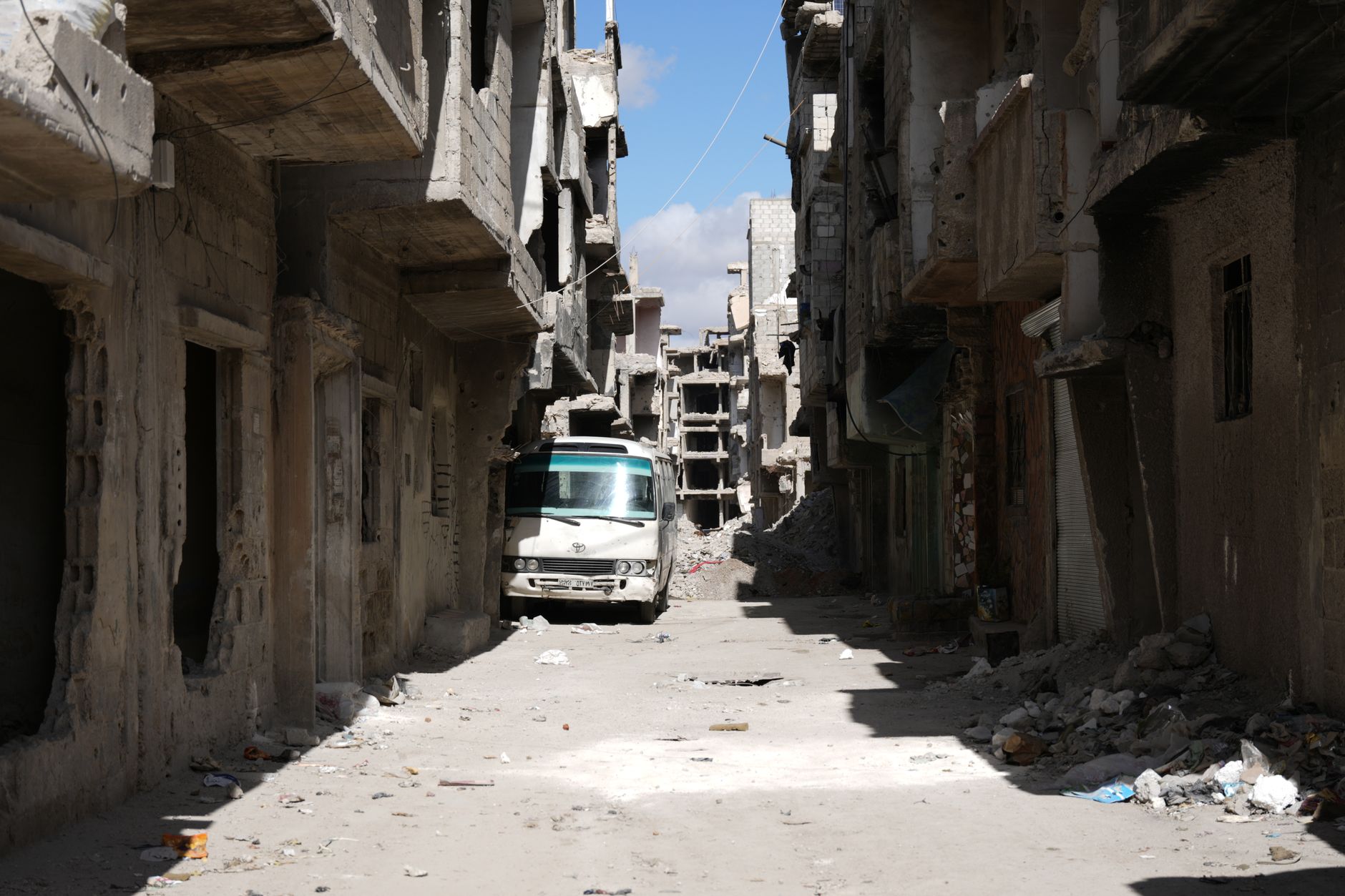
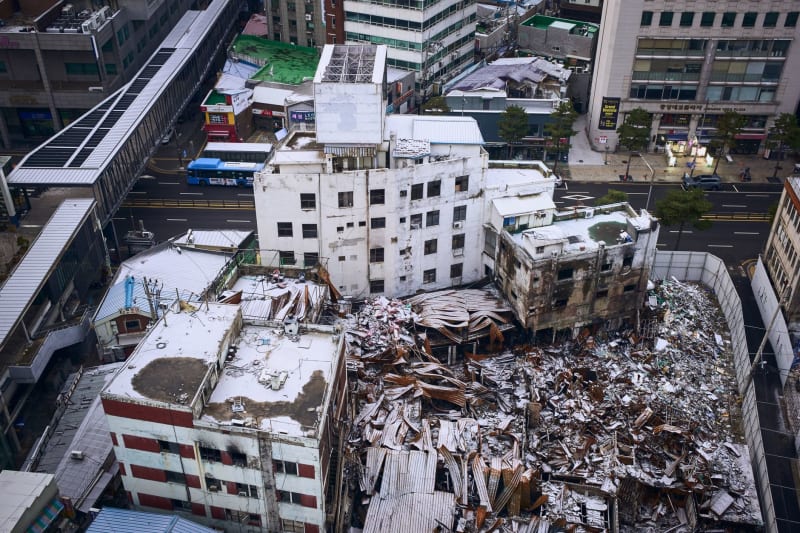
- This plea follows a dangerous escalation of hostilities, including recent attacks that have tragically targeted civilian areas, raising significant concerns about the protection of non-combatants.
- The international community is increasingly worried about the potential for a full-scale conflict, which could have devastating humanitarian and geopolitical consequences far beyond the immediate region.
- Both Washington and Tehran have been urged to exercise maximum restraint and engage in meaningful dialogue to prevent further bloodshed and stabilize the volatile situation.
- The Secretary-General highlighted the imperative of upholding international humanitarian law, particularly regarding the protection of civilians and civilian infrastructure during armed conflict.
- Key global powers are being pressed to support and facilitate these diplomatic initiatives, recognizing that a collective, coordinated approach is essential to achieving a peaceful resolution.
The Record
The recent escalation in hostilities between the United States and Iran has reached a critical juncture, prompting a stern warning and a call for immediate diplomatic action from the United Nations Secretary-General. This latest surge in tensions follows a series of tit-for-tat actions and rhetoric that have steadily eroded any semblance of stability in the Middle East. The UN chief's intervention underscores the profound concern within the international community regarding the trajectory of this long-standing rivalry, which now threatens to spill over into a full-blown regional conflict with potentially catastrophic global repercussions. The focus on civilian casualties and infrastructure damage highlights the unacceptable human cost of continued military engagement, urging a return to dialogue over confrontation.
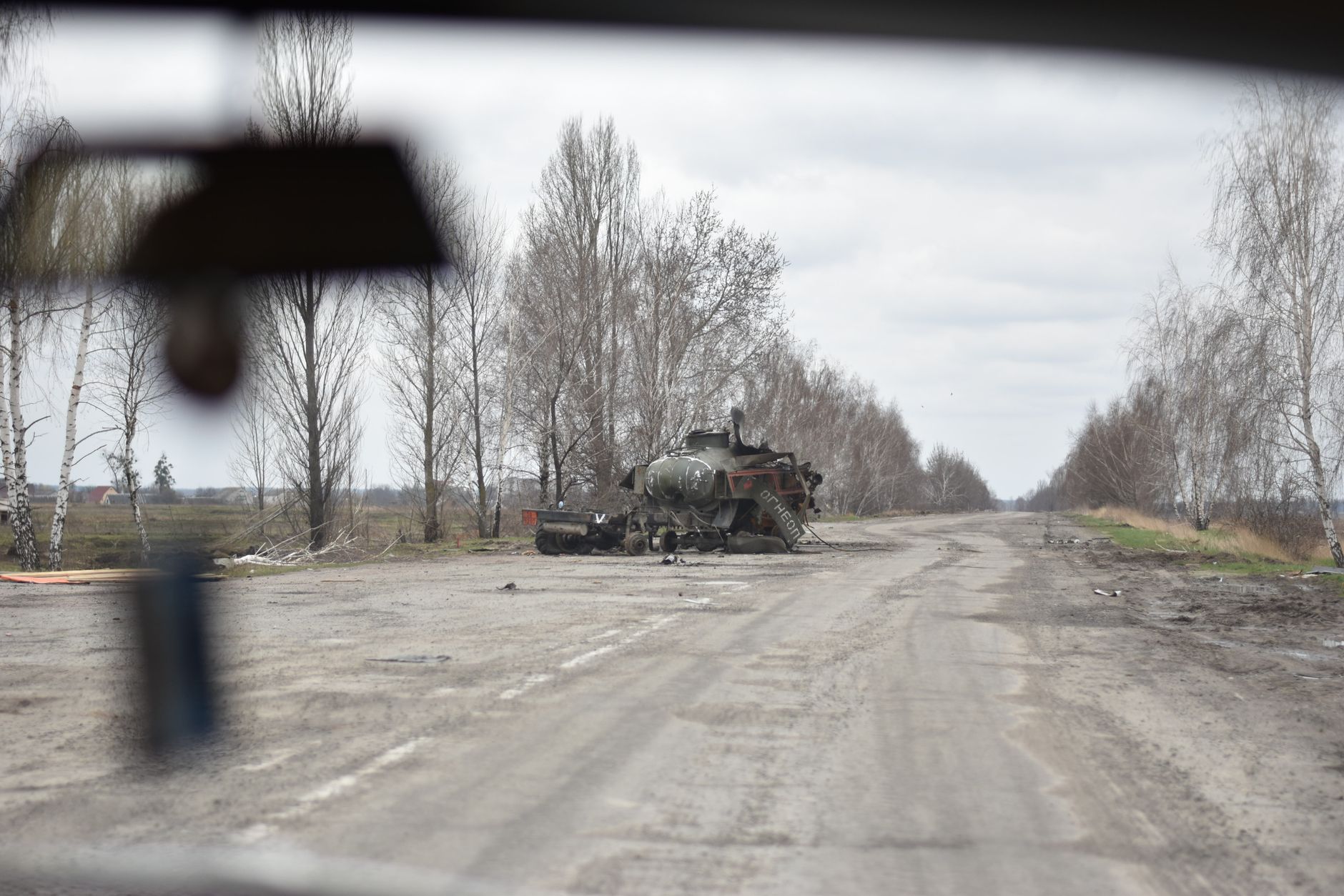
Specifically, the Secretary-General's statement referenced recent attacks on civilian areas, a development that marks a dangerous and unacceptable escalation. Targeting non-military infrastructure not only violates international humanitarian law but also significantly raises the stakes, making de-escalation far more challenging. These incidents have fueled public outrage and intensified calls for accountability, while simultaneously creating a more volatile environment where miscalculation could easily lead to widespread devastation. The UN's emphasis on a 'new diplomatic push' is a direct response to this alarming trend, recognizing that traditional channels of communication may be insufficient to address the current crisis.
For years, the relationship between the US and Iran has been characterized by deep mistrust, proxy conflicts, and economic sanctions. The withdrawal from the Joint Comprehensive Plan of Action (JCPOA) by the United States further exacerbated these tensions, leading to Iran's gradual rollback of its nuclear commitments. This complex web of grievances and actions has created a highly combustible situation, where any spark could ignite a larger conflagration. The UN's call is not merely a procedural statement; it is a desperate plea for both nations to step back from the precipice and prioritize the lives and stability of millions who stand to suffer from their protracted animosity. A sustained, multilateral diplomatic effort is now seen as the only viable path to prevent a wider war.
Who Knew and When
Intelligence agencies across the globe have been monitoring the escalating tensions between the US and Iran with increasing alarm for months. Reports from various national security advisories indicated a heightened risk of direct confrontation, particularly following specific provocations and retaliatory strikes in the region. Analysts had widely predicted that any attack impacting civilian populations would inevitably trigger a more forceful and public condemnation from international bodies, given the severe humanitarian implications. The specific timing and nature of the recent civilian attacks, however, caught some off guard, demonstrating the unpredictable and rapidly evolving dynamics of this volatile geopolitical landscape. These incidents have forced a re-evaluation of current deterrence strategies and the efficacy of existing back-channel communications.
Diplomatic circles within the United Nations and various European capitals were well aware of the deteriorating situation. Behind-the-scenes efforts to mediate and de-escalate have been ongoing, though largely unsuccessful in stemming the tide of escalating aggression. High-level envoys had reportedly conveyed warnings to both Washington and Tehran about the dangers of unchecked escalation, particularly concerning the potential for miscalculation. The UN Secretary-General's public statement, therefore, was not a sudden revelation but rather a culmination of growing frustration and concern over the failure of these quieter diplomatic overtures to yield significant results. It represents a shift towards a more overt and urgent call for action, signaling the gravity of the situation.
The public, however, often receives fragmented information, making it challenging to grasp the full scope of the impending crisis until major incidents occur. While news outlets have reported on individual skirmishes and diplomatic spats, the comprehensive picture of a region teetering on the brink of a major conflict often remains obscured. The recent civilian attacks served as a stark, undeniable wake-up call, bringing the human cost of the geopolitical standoff into sharp focus for a global audience. This public awareness is crucial, as it can generate pressure on political leaders to prioritize peaceful resolutions and engage more seriously in diplomatic initiatives, moving beyond mere rhetoric to tangible de-escalation efforts.
Voices from the Ground
In the shadow of escalating tensions, the voices of ordinary citizens in both Iran and neighboring countries paint a harrowing picture of fear and uncertainty. "Every day, we wake up not knowing if it will be our last," shared a resident of a recently targeted city, whose home was damaged in an aerial strike. "The children are terrified, they cry at every loud noise. We just want peace, but it feels like we are caught between giants." This sentiment is echoed across communities that have borne the brunt of past conflicts and now face the terrifying prospect of another. The daily struggle for survival is compounded by the psychological toll of living under constant threat, with families making contingency plans for evacuation and seeking shelter.
Humanitarian aid workers on the ground report a rapidly deteriorating situation, with resources already stretched thin from previous crises. "Our hospitals are not equipped to handle a large-scale conflict," stated a doctor working in a border town. "We lack essential medicines, equipment, and even basic supplies. The international community needs to understand that this isn't just about politics; it's about lives, about innocent people who have no say in these decisions but will pay the ultimate price." Their pleas highlight the urgent need for a cessation of hostilities and robust humanitarian corridors, emphasizing that the infrastructure for basic services is already fragile and cannot withstand further damage.
Business owners and local economists also voice profound concerns about the future. "Our livelihoods are being destroyed," lamented a shopkeeper in Tehran, whose business has been severely impacted by sanctions and the looming threat of war. "Investment has dried up, tourism has vanished, and inflation is rampant. How are we supposed to feed our families when the entire economy is collapsing around us?" These economic anxieties, coupled with the immediate physical dangers, create a potent cocktail of despair and frustration among populations who feel abandoned by global powers and trapped in a cycle of conflict they did not choose. Their stories underscore the multifaceted and devastating impact of geopolitical tensions on everyday life.
The Debate
The international community is sharply divided on the most effective strategy to de-escalate US-Iran tensions. One school of thought, championed by many European nations and the UN, advocates for immediate, unconditional dialogue and a return to the negotiating table. Proponents argue that only sustained diplomatic engagement, potentially involving a revamped nuclear deal or a broader regional security framework, can provide a lasting solution. They emphasize that punitive measures and military posturing have demonstrably failed to curb Iran's regional influence or its nuclear program, instead leading to dangerous escalations. This perspective suggests that a comprehensive diplomatic approach, focusing on mutual security guarantees and economic incentives, is the only path to prevent a wider conflict.
Conversely, a more hawkish stance, often articulated by some US policymakers and regional allies, insists that a firm hand and continued pressure are necessary to deter Iranian aggression. This camp argues that any perceived weakness or willingness to compromise without significant concessions from Tehran would only embolden the Iranian regime. They advocate for maintaining robust sanctions, strengthening regional alliances, and even considering targeted military actions as a means to force Iran into compliance with international norms. This perspective often highlights Iran's support for proxy groups and its ballistic missile program as undeniable threats that must be addressed with unwavering resolve, suggesting that diplomacy without leverage is ineffective.
A third, more pragmatic viewpoint suggests a hybrid approach, combining elements of both diplomacy and calibrated pressure. This perspective acknowledges the need for dialogue but also recognizes that some level of deterrence might be necessary to bring all parties to the table in good faith. It calls for a careful balancing act, where diplomatic overtures are backed by credible, but not escalatory, threats, and where any agreements are rigorously verified. The challenge lies in finding this delicate balance, ensuring that pressure does not inadvertently trigger further escalation, and that diplomatic channels remain open and productive even amidst ongoing tensions. The debate ultimately revolves around whether engagement or isolation is the more effective tool for managing this complex geopolitical challenge.
Your Questions Answered
What Accountability Looks Like
Accountability in the context of the US-Iran conflict necessitates a multi-layered approach, beginning with a transparent investigation into the recent attacks on civilian areas. This investigation must identify the perpetrators and establish clear lines of responsibility, adhering strictly to international humanitarian law. Impartial bodies, potentially under UN auspices, should lead these inquiries to ensure credibility and prevent politicization. Establishing accountability for these specific incidents is crucial not only for justice for the victims but also to deter future violations and reinforce the principle that targeting civilians is an unacceptable act of war, regardless of the broader geopolitical context.
Beyond individual incidents, accountability also extends to the broader actions and policies that have contributed to the current escalation. This includes a critical examination of the diplomatic and military strategies employed by both the United States and Iran, assessing their adherence to international norms and their impact on regional stability. For the US, this might involve scrutinizing the efficacy and consequences of its sanctions regime and military deployments. For Iran, it would mean evaluating its support for proxy groups and its nuclear program. This broader accountability aims to identify systemic issues and encourage a shift towards policies that prioritize de-escalation and peaceful coexistence.
Ultimately, true accountability will require both nations to commit to a framework for peaceful resolution and to uphold any agreements reached through diplomatic channels. This involves a willingness to make genuine concessions, to rebuild trust, and to engage in verifiable steps towards de-escalation and regional security. The international community's role is not just to demand accountability but also to provide the mechanisms and support necessary for it to be achieved—whether through sanctions for non-compliance or incentives for cooperation. Without such a robust and sustained commitment to accountability, the cycle of violence and mistrust is likely to continue, perpetuating instability and human suffering.









Comments
No comments yet. Be the first to comment!