
The Numbers
- Over 100 uncrewed surface vessels (USVs) are currently being integrated into the US Navy's Fifth Fleet operations, demonstrating a rapid and significant shift towards autonomous naval capabilities in the region.
- The US Navy's Task Force 59, established in 2021, has been at the forefront of experimenting with and deploying these advanced autonomous systems, accelerating their operational readiness and integration into active combat scenarios.
- The recent engagement marks the first confirmed instance of USVs being used in a direct offensive capacity against a state actor's military assets, setting a critical precedent for future naval engagements worldwide.
- The estimated cost of developing and deploying these advanced USV platforms runs into billions of dollars, reflecting a substantial investment by the Pentagon in next-generation maritime warfare technologies.
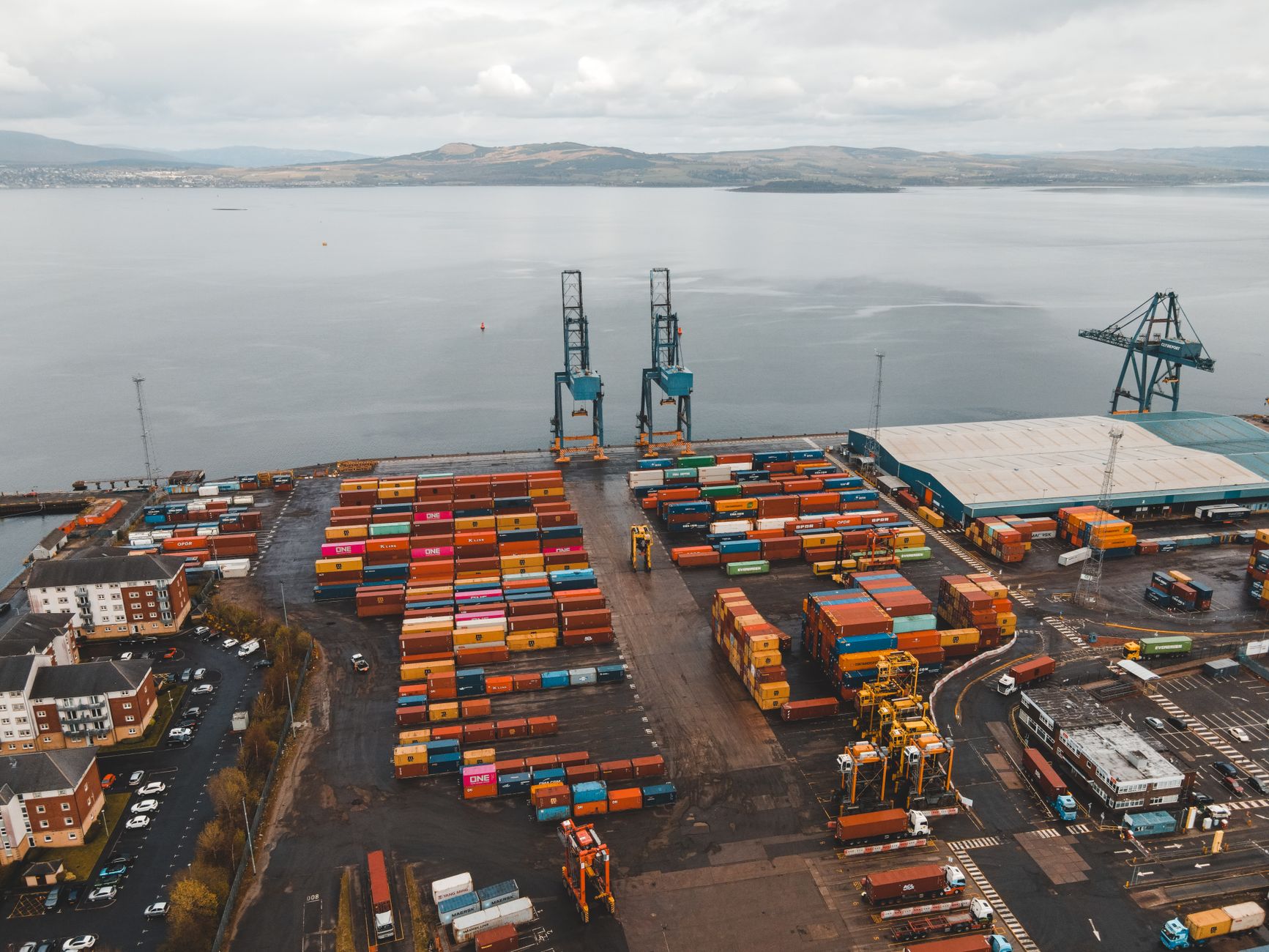
- Reports indicate that the targeted Iranian port facility sustained significant damage, disrupting logistics and potentially impacting regional maritime trade routes for an indeterminate period, highlighting the effectiveness of the drone strikes.
- The incident involved at least three distinct types of USVs, each designed for specific roles such as reconnaissance, electronic warfare, and direct kinetic engagement, showcasing a multi-faceted autonomous attack strategy.
Context Check
The deployment of USVs in combat against Iranian targets represents a monumental shift in naval strategy and the application of autonomous warfare. This is not merely an incremental upgrade but a fundamental re-evaluation of how naval power can be projected and defended in contested waters. The US military has been actively developing and testing these uncrewed systems for years, recognizing their potential to reduce risk to human personnel while increasing operational reach and persistence. This incident, however, moves these systems from experimental platforms to active combatants, establishing a new benchmark for military engagements.
For decades, the Persian Gulf has been a flashpoint of geopolitical tension, with Iran and the United States frequently engaging in proxy conflicts, naval standoffs, and rhetorical clashes. The Strait of Hormuz, a critical chokepoint for global oil shipments, underscores the strategic importance of this region. Previous encounters have ranged from Iranian harassment of commercial shipping to US naval patrols asserting freedom of navigation. This latest development, involving direct offensive action by autonomous systems, elevates the stakes considerably, pushing the boundaries of what constitutes 'engagement' in an already volatile environment.
The implications extend far beyond the immediate tactical success or failure of the operation. This event will undoubtedly prompt other naval powers to accelerate their own autonomous weapons programs, leading to a potential arms race in uncrewed maritime systems. Furthermore, it raises profound ethical and legal questions regarding accountability for actions taken by AI-driven platforms, particularly concerning civilian casualties or unintended escalation. The international community will be closely watching how this precedent influences future doctrines of warfare and the delicate balance of power in critical maritime zones.
Background
The US Navy's journey into uncrewed systems has been a long and deliberate one, driven by the desire to maintain a technological edge and adapt to evolving threats. Initial efforts focused on reconnaissance and surveillance, with smaller drones providing intelligence gathering capabilities without risking human lives. Over time, as technology advanced, the scope expanded to include mine countermeasures, anti-submarine warfare, and eventually, the potential for offensive operations. The establishment of Task Force 59 in 2021 by the US Fifth Fleet was a clear signal of intent, dedicated specifically to integrating these systems into regular operations across the Middle East.
Iran, for its part, has also been investing heavily in asymmetric warfare capabilities, including its own fleet of fast attack craft, naval mines, and a growing arsenal of drones. Its strategy has historically revolved around denying adversaries free movement in the Persian Gulf and Strait of Hormuz, leveraging its geographical advantages and a willingness to engage in unconventional tactics. The targeting of an Iranian port facility with USVs can be seen as a direct counter to this strategy, demonstrating a new method of projecting power that bypasses traditional naval defenses and potentially mitigates the risks associated with manned incursions.
This latest incident did not occur in a vacuum. It follows a period of heightened tensions characterized by various maritime incidents, including drone attacks on oil tankers, seizures of commercial vessels, and close encounters between US and Iranian naval forces. These events have steadily eroded trust and increased the risk of miscalculation. The decision to deploy USVs in a combat role signifies a calculated escalation, moving beyond deterrence and into direct engagement, which could have unpredictable consequences for regional stability and global energy markets.
Winners and Losers
The most immediate 'winner' in this scenario appears to be the US military, specifically its proponents of autonomous warfare. The successful deployment and reported effectiveness of the USVs validate years of research, development, and investment in these cutting-edge technologies. This operation provides tangible proof of concept, demonstrating that uncrewed systems can perform complex offensive missions with precision and without putting human operators directly in harm's way. This success will undoubtedly bolster arguments for increased funding and accelerated integration of AI-driven platforms across all branches of the armed forces, potentially reshaping future defense budgets and strategic priorities.
Conversely, Iran stands as a clear 'loser' in this initial engagement. The attack on its port facility represents a direct blow to its infrastructure and potentially its operational capabilities in the region. More significantly, it exposes a vulnerability to a new class of weapon systems that Iran may not yet possess or have adequate defenses against. This incident could force Iran to rapidly re-evaluate its naval defense strategies, divert resources to counter-drone technologies, and potentially seek alliances or assistance to bridge this emerging technological gap, adding further strain to its already beleaguered economy.
The broader international community, particularly nations reliant on the free flow of commerce through the Strait of Hormuz, faces a complex calculus. While the US demonstration of advanced capabilities might deter some aggressive actions, the escalation itself introduces greater instability. The proliferation of autonomous weapons, spurred by this precedent, could lead to a more unpredictable global security landscape, where the threshold for conflict is lowered and the lines of accountability become increasingly blurred. This could ultimately make everyone a 'loser' if it precipitates a wider, more dangerous arms race.
Analyst Perspectives
Naval strategists are closely scrutinizing this event, recognizing it as a watershed moment in maritime warfare. Dr. Elara Vance, a leading expert in autonomous systems at the Institute for Global Security Studies, notes, "This isn't just about drones; it's about the future of power projection. The US has effectively demonstrated a new method of force application that minimizes human risk while maximizing strategic impact. This will undoubtedly accelerate the global race for autonomous naval capabilities, forcing every major navy to recalibrate its defensive and offensive doctrines." Her analysis suggests that the operational success will be a powerful catalyst for further investment and deployment.
However, not all perspectives are entirely positive. Professor Kenji Tanaka, a specialist in international law and ethics of war at Kyoto University, raises significant concerns: "While the tactical advantages are clear, the ethical and legal implications of autonomous weapons in direct combat are profound. Who is ultimately responsible if a USV makes an incorrect decision, or if collateral damage occurs? The lack of a human 'in the loop' for every decision-making process opens a Pandora's Box of accountability issues that international law is ill-equipped to handle at present." His viewpoint underscores the urgent need for new regulatory frameworks.
Regional analysts, such as Dr. Fatima Al-Mansoori from the Gulf Policy Center, emphasize the potential for rapid escalation. "This direct engagement using advanced autonomous systems significantly raises the temperature in an already volatile region. Iran will undoubtedly view this as a major provocation and will seek to develop its own counter-capabilities, potentially leading to a dangerous cycle of technological one-upmanship. The risk of miscalculation, especially with AI-driven systems, becomes exponentially higher, threatening broader regional stability and global economic interests," she warns, highlighting the precarious balance of power.
Key Questions Explained
The Outlook
The successful combat deployment of USVs against Iranian targets marks a definitive turning point in modern naval warfare, signaling a future where autonomous systems play an increasingly central role. This precedent will undoubtedly accelerate the global development and integration of similar technologies, creating a new arms race in uncrewed maritime capabilities. Nations worldwide will be compelled to reassess their naval strategies, investing heavily in both offensive USV fleets and defensive measures to counter them. The immediate outlook points to a more technologically advanced, yet potentially more volatile, maritime domain.
Looking ahead, the geopolitical landscape of the Persian Gulf is likely to become even more complex. Iran will almost certainly view this as a significant escalation and will seek to develop its own counter-capabilities, potentially leading to a dangerous cycle of technological one-upmanship. The risk of miscalculation, particularly with the introduction of AI-driven systems, becomes exponentially higher, threatening broader regional stability and global economic interests. International efforts to establish norms and regulations for autonomous weapons will become even more critical, though challenging to implement in an environment of heightened competition.
Ultimately, this event underscores the irreversible march towards autonomous warfare. While offering tactical advantages such as reduced risk to human life and enhanced operational persistence, it also introduces profound ethical, legal, and strategic challenges. The coming years will be crucial in determining how the international community adapts to this new reality, balancing the promise of technological innovation with the imperative to prevent uncontrolled escalation and maintain global security. The future of naval power has arrived, and its implications demand urgent, comprehensive consideration.













Comments
No comments yet. Be the first to comment!