

The Numbers
- A staggering $81 billion is being refunded by the U.S. government, representing the total amount of tariffs deemed illegally collected during the Trump administration's trade policies.
- This monumental sum directly impacts thousands of American businesses, many of whom bore the brunt of these additional costs, often passing them onto consumers or absorbing them into their profit margins.
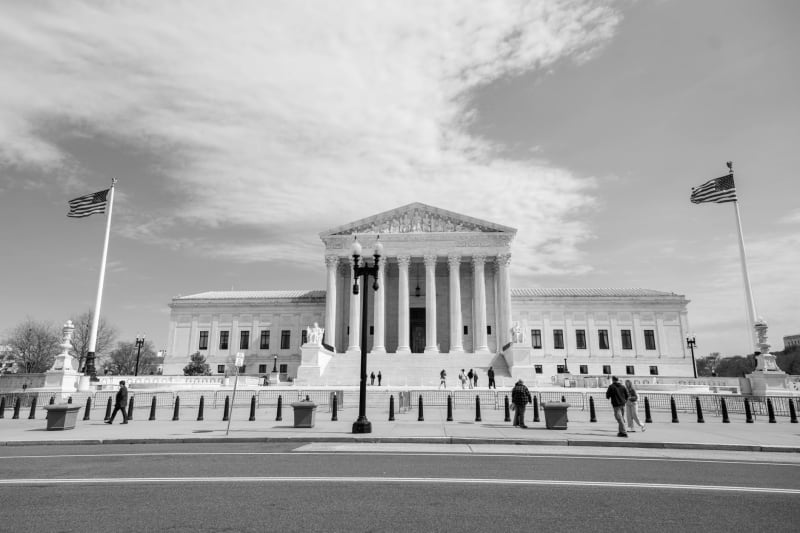
- The refunds stem from a Supreme Court decision that found the imposition of certain tariffs by the executive branch exceeded its statutory authority, marking a significant legal and financial precedent.
- The average refund amount per affected business is not yet fully calculated, but some larger importers could receive tens of millions of dollars, providing a crucial liquidity injection.
- The process of identifying and disbursing these refunds is expected to be complex and protracted, involving detailed audits and verification of claims from a vast number of entities.
- This $81 billion represents a substantial fiscal impact on the federal budget, necessitating adjustments and potentially influencing future budgetary allocations and economic forecasts.
Context Check
The recent Supreme Court ruling on Trump-era tariffs is not an isolated incident but rather the culmination of years of intense legal challenges and widespread business grievances. These tariffs, primarily targeting goods from specific countries, were initially justified under national security provisions or as a means to rebalance trade deficits. However, their implementation often faced immediate pushback from various industries, which argued that the tariffs increased input costs, reduced competitiveness, and ultimately harmed American consumers through higher prices. The legal battle centered on the scope of presidential authority under existing trade laws, particularly the extent to which an executive order could unilaterally impose such significant economic burdens without explicit congressional approval or clear statutory backing.
This decision sends a powerful message about the separation of powers and the limitations of executive authority in matters of trade policy. While presidents are granted considerable leeway in foreign policy and national security, the Court's ruling reinforces the principle that economic measures, especially those with such broad domestic impact, must adhere strictly to legislative frameworks. The implications extend beyond just financial refunds; it sets a precedent for how future administrations might approach trade disputes and the tools they can legally employ. It underscores the importance of a robust judicial review process in safeguarding against potential overreach by any branch of government, ensuring that economic policies remain within constitutional and statutory bounds.
The economic ripple effects of the original tariffs were substantial, leading many companies to re-evaluate supply chains, absorb costs, or pass them on to consumers. The subsequent refund, while welcome, does not erase the operational disruptions, lost opportunities, or market uncertainties that businesses endured for years. It highlights the inherent risks and volatility introduced when trade policy becomes a primary tool for geopolitical maneuvering without clear legal certainty. Understanding this context is crucial for appreciating the magnitude of the Supreme Court's decision, not just as a financial payout, but as a significant re-calibration of the U.S. trade policy landscape and the balance of power within its governmental structure.
Background
The imposition of tariffs during the Trump administration marked a dramatic shift in U.S. trade policy, moving away from decades of multilateral agreements and towards a more protectionist, unilateral approach. These tariffs, particularly those levied on steel, aluminum, and a wide range of Chinese goods, were justified by the administration as necessary measures to protect domestic industries, address unfair trade practices, and reduce trade deficits. The legal basis for many of these tariffs was Section 232 of the Trade Expansion Act of 1962, which allows the President to impose tariffs on imports deemed a threat to national security, and Section 301 of the Trade Act of 1974, which targets unfair trade practices.
However, critics immediately challenged the broad application of these statutes, arguing that the administration stretched the definition of 'national security' to cover purely economic concerns and that the Section 301 tariffs were implemented without proper procedural safeguards. Businesses, particularly importers and manufacturers relying on global supply chains, found themselves caught in the crossfire, facing significantly increased costs. Many industry groups and individual companies filed lawsuits, contending that the tariffs were unlawful and that the executive branch had overstepped its constitutional and statutory authority. These legal challenges slowly made their way through the court system, culminating in the Supreme Court's decisive review.
The Supreme Court's ruling ultimately sided with the challengers, determining that the executive branch had indeed exceeded its authority in levying certain tariffs. This decision did not invalidate the concept of tariffs as a trade tool but rather clarified the legal boundaries within which a president can impose them. It emphasized that while the President has considerable power in foreign affairs, economic measures with such profound domestic impact require a more explicit legislative mandate or a clearer nexus to genuine national security threats than was demonstrated in these specific cases. The ruling effectively mandates the repayment of billions collected under what are now deemed illegal tariffs, closing a contentious chapter in recent U.S. trade history.
Winners and Losers
The most immediate and obvious winners in this scenario are the thousands of American businesses, particularly importers and manufacturers, who were forced to pay these tariffs. For years, these companies absorbed the additional costs, which either eroded their profit margins or were passed on to consumers, making their products less competitive. The refund of $81 billion represents a significant financial relief, providing a much-needed injection of capital that can be reinvested into operations, used to pay down debt, or returned to shareholders. This financial windfall could stimulate economic activity, foster job creation, and potentially lead to lower prices for consumers as businesses regain their footing and competitiveness.
Another significant winner is the principle of judicial oversight and the rule of law. The Supreme Court's decision reaffirms the checks and balances inherent in the U.S. governmental system, demonstrating that even presidential actions are subject to legal scrutiny and must operate within established statutory and constitutional limits. This outcome provides greater predictability and certainty for businesses and investors, knowing that trade policies are not entirely at the whim of executive discretion but are grounded in legal frameworks. It strengthens the confidence in the U.S. legal system's ability to protect private interests against potential government overreach, fostering a more stable business environment.
On the other side, the primary 'loser' is arguably the federal treasury, which now faces an $81 billion payout. This substantial sum will undoubtedly impact government budgets and potentially necessitate adjustments in spending or revenue projections. While the money was collected, it was likely integrated into fiscal planning, and its sudden repayment creates a deficit that must be managed. Furthermore, the political legacy of the Trump administration's trade policy takes a hit, as a core component of its economic strategy has been legally overturned. This decision could also be seen as a setback for those who advocate for a more aggressive, unilateral approach to trade disputes, as it clearly delineates the boundaries of such executive actions.
Analyst Perspectives
Leading trade economists are largely viewing the Supreme Court's decision as a critical reassertion of established trade law principles and a necessary correction to what many considered an overreach of executive power. Dr. Eleanor Vance, a senior fellow at the Peterson Institute for International Economics, noted, "This ruling clarifies that while the President has tools for trade enforcement, those tools are not limitless. It reinforces the idea that significant economic policy shifts must have a clear statutory basis, preventing arbitrary actions that can destabilize global supply chains and domestic markets." She emphasized that the decision provides much-needed legal certainty for businesses navigating complex international trade.
Legal scholars specializing in constitutional law and administrative law are highlighting the implications for the separation of powers. Professor David Chen of Georgetown Law stated, "This is a landmark decision that underscores the judiciary's role in checking executive authority, particularly when economic measures are justified under broad national security pretexts. It sends a clear message that the executive branch cannot unilaterally impose massive financial burdens on the private sector without robust legal grounding and adherence to due process." He further suggested that future administrations will likely be more cautious in their application of trade statutes, seeking stronger congressional backing for significant tariff actions.
Financial analysts are now focused on the economic impact of the $81 billion refund. Mark Thompson, a managing director at Global Market Insights, commented, "While this is a massive payout, its immediate economic stimulus might be somewhat diffused across thousands of businesses. However, the long-term benefit lies in reduced uncertainty and improved business confidence. Companies can now plan with greater assurance, knowing that the regulatory environment for trade is less susceptible to sudden, legally questionable shifts. This could unlock investment that was previously held back due to the unpredictability of trade policy." He anticipates a gradual positive impact on various sectors, particularly those heavily reliant on imported goods.

Key Questions Explained
The Outlook
The immediate outlook for American businesses is one of cautious optimism. The $81 billion refund will provide a significant financial boost, potentially stimulating investment, reducing operational costs, and improving liquidity for many companies that struggled under the weight of the tariffs. This influx of capital could lead to increased hiring, expansion plans, and a renewed focus on innovation, particularly in sectors heavily impacted by the original duties. However, the process of claiming and receiving these refunds will likely be administrative and time-consuming, requiring diligent record-keeping and potentially legal assistance for many businesses to navigate successfully.
Looking further ahead, the Supreme Court's decision is poised to reshape the landscape of U.S. trade policy. It establishes a clearer precedent regarding the limits of executive power in trade matters, suggesting that future administrations will need to exercise greater caution and seek more explicit congressional backing for significant tariff actions. This could lead to a more predictable and legally sound approach to international trade, reducing the risk of sudden policy shifts that can destabilize markets and supply chains. Such clarity is generally welcomed by the business community, which thrives on stability and foresight in planning.
However, challenges remain. The global trade environment is still fraught with geopolitical tensions and economic uncertainties. While the U.S. legal framework for tariffs is now clearer, the underlying issues that prompted the Trump-era tariffs – such as trade imbalances and intellectual property disputes – persist. Future administrations will still need effective tools to address these complex challenges. The long-term outlook will depend on how the U.S. government balances the need for robust trade enforcement with adherence to legal boundaries, ensuring that trade policy serves national interests without inadvertently harming domestic businesses or undermining the rule of law.


















Comments
No comments yet. Be the first to comment!