
The Story in Brief
- Sirens blared across Kuwaiti airspace, triggering widespread alarm and underscoring the immediate, palpable threat of regional conflict following reported Iranian military actions.
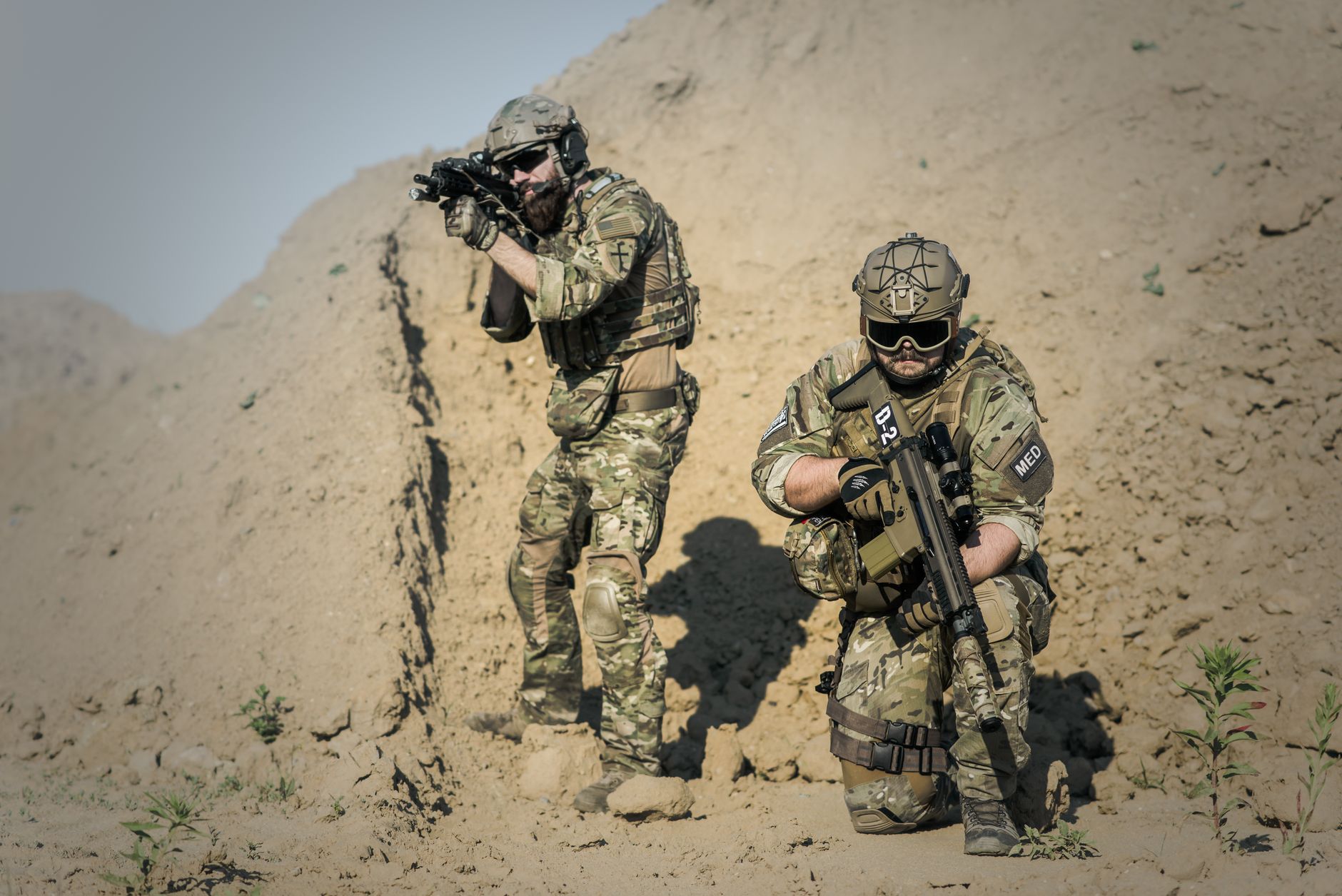
- Reports indicate that Iranian forces initiated strikes, prompting swift and assertive responses from allied military units stationed in the region, escalating an already volatile situation.
- Military sources have confirmed immediate retaliation efforts are underway, signaling a dangerous tit-for-tat escalation that could rapidly spiral beyond current containment measures.
- The United States has reaffirmed its commitment to regional allies, with military assets on high alert and diplomatic channels working furiously to de-escalate the burgeoning crisis.
- Civilians in Kuwait and surrounding nations are urged to remain vigilant and follow local safety protocols, as the security landscape remains highly unpredictable and subject to rapid change.
- International bodies and global powers are closely monitoring the situation, with calls for restraint and immediate cessation of hostilities echoing from various diplomatic fronts to prevent wider conflict.
The Human Face
The blaring of air raid sirens across Kuwait is more than just an alert; it's a chilling reminder of the human cost of geopolitical tensions. For families in Kuwait City and surrounding areas, these piercing wails instantly shatter any sense of normalcy, plunging communities into fear and uncertainty. Parents instinctively gather their children, seeking shelter and bracing for the unknown, their daily routines replaced by an agonizing wait for updates, hoping that the conflict remains distant and harmless. This immediate, visceral reaction underscores the profound psychological impact of living under the shadow of potential conflict, where every loud noise or unexpected announcement can trigger widespread panic and anxiety.
Beyond the immediate fear, the ongoing instability threatens the livelihoods and futures of millions. Businesses shutter, travel plans are canceled, and the economic fabric of the region begins to fray under the strain of prolonged uncertainty. For expatriates, many of whom have built lives and careers in Kuwait, the question of safety and evacuation becomes paramount, forcing difficult decisions about leaving behind homes and communities. The human face of this crisis is etched in the worried expressions of shopkeepers, the hurried movements of commuters, and the hushed conversations in homes, all grappling with the potential disruption to their lives and the safety of their loved ones.
The international community watches with bated breath, but for those on the ground, the crisis is intensely personal. Aid organizations are already preparing for potential humanitarian fallout, understanding that any sustained conflict would displace populations, disrupt essential services, and create immense suffering. The resilience of the Kuwaiti people is being tested, as they navigate a landscape where peace feels increasingly fragile. Their stories, often unheard amidst the geopolitical rhetoric, are a powerful testament to the devastating impact of conflict on ordinary lives, emphasizing the urgent need for de-escalation and a return to stability.
How We Got Here
The current heightened state of alert in Kuwait is the culmination of decades of simmering tensions and a recent, rapid escalation in the broader Middle East. The relationship between the United States and Iran has been fraught with antagonism since the 1979 Iranian Revolution, characterized by mutual distrust, proxy conflicts, and a persistent struggle for regional dominance. This long-standing animosity has often manifested in various flashpoints across the Gulf, with each incident adding another layer of complexity to an already delicate geopolitical tapestry. The current situation cannot be viewed in isolation; it is a direct consequence of this deeply entrenched historical rivalry, exacerbated by recent provocations and retaliatory actions that have pushed the region to the precipice.
Recent months have seen a dangerous acceleration of events. Specific incidents, such as attacks on shipping in the Strait of Hormuz, drone strikes on oil facilities, and targeted assassinations of key military figures, have steadily eroded any remaining diplomatic buffers. Each act of aggression, whether attributed directly or indirectly, has been met with a counter-response, creating a perilous cycle of escalation. The strategic importance of Kuwait, situated geographically between these major powers and hosting significant U.S. military presence, makes it an unavoidable theater in any broader conflict, explaining why it is now experiencing the direct impact of these regional hostilities.
The immediate trigger for the sirens in Kuwait appears to be a direct response to reported Iranian strikes, which themselves are likely a retaliation for earlier actions perceived as hostile. This chain reaction highlights the precarious nature of regional security, where a single incident can rapidly ignite a wider conflagration. The presence of powerful military assets from both sides, coupled with sophisticated weaponry and advanced surveillance capabilities, means that miscalculations or unintended consequences could have catastrophic effects. Understanding this intricate web of historical grievances and recent provocations is crucial to grasping the gravity of the current situation and the urgent need for de-escalation.
Why This Cannot Be Ignored
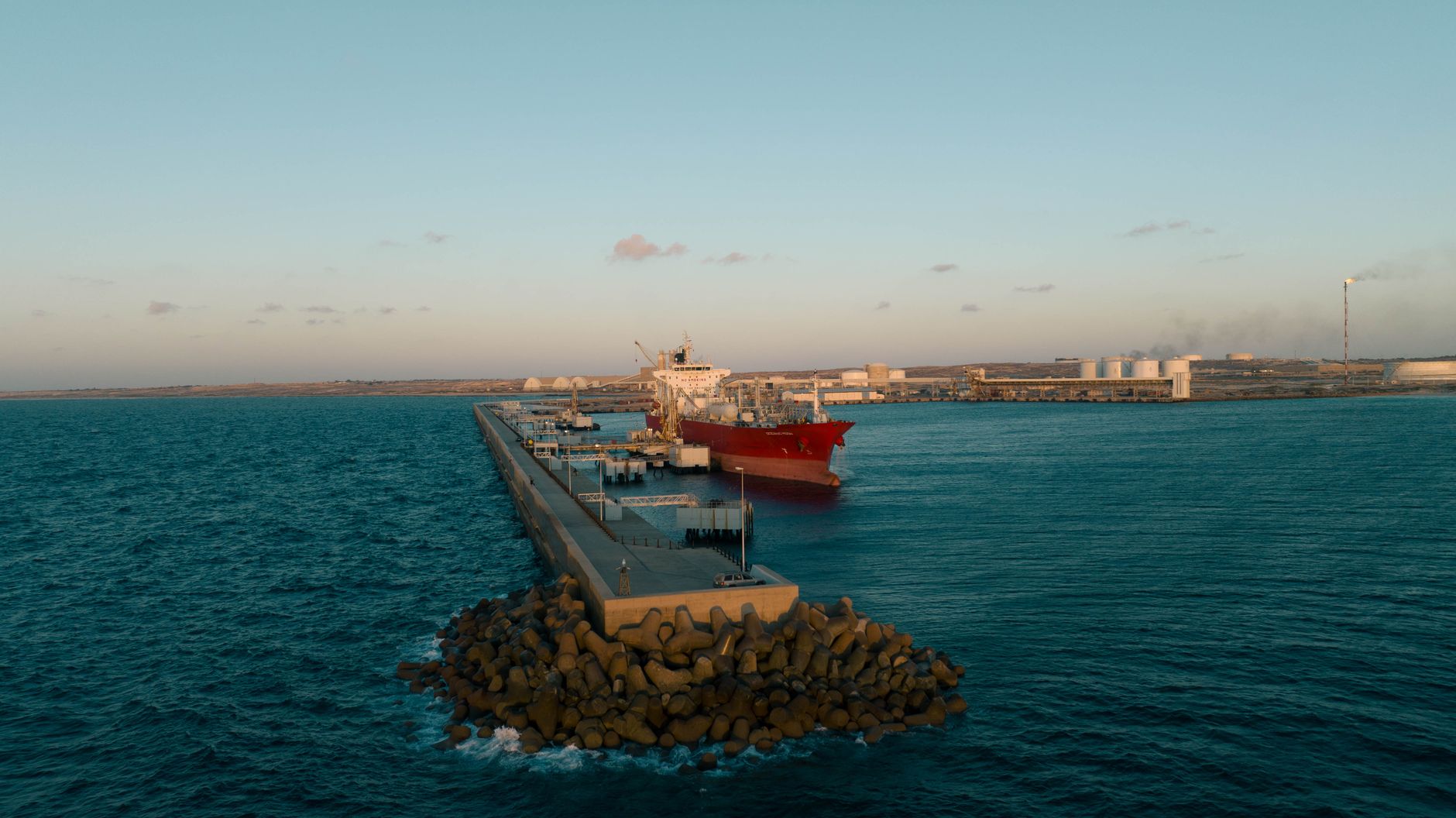
The escalating tensions in the Gulf, particularly the recent events in Kuwait, represent a critical juncture that demands immediate global attention. This is not merely a regional dispute; it is a potential flashpoint with far-reaching international implications that could destabilize global energy markets, disrupt international trade routes, and trigger a widespread humanitarian crisis. The Strait of Hormuz, a vital chokepoint for a significant portion of the world's oil supply, lies at the heart of this volatile region. Any sustained conflict or disruption there would send shockwaves through the global economy, causing oil prices to skyrocket and potentially plunging economies worldwide into recession. The interconnectedness of modern global systems means that instability in one critical region inevitably impacts all others.
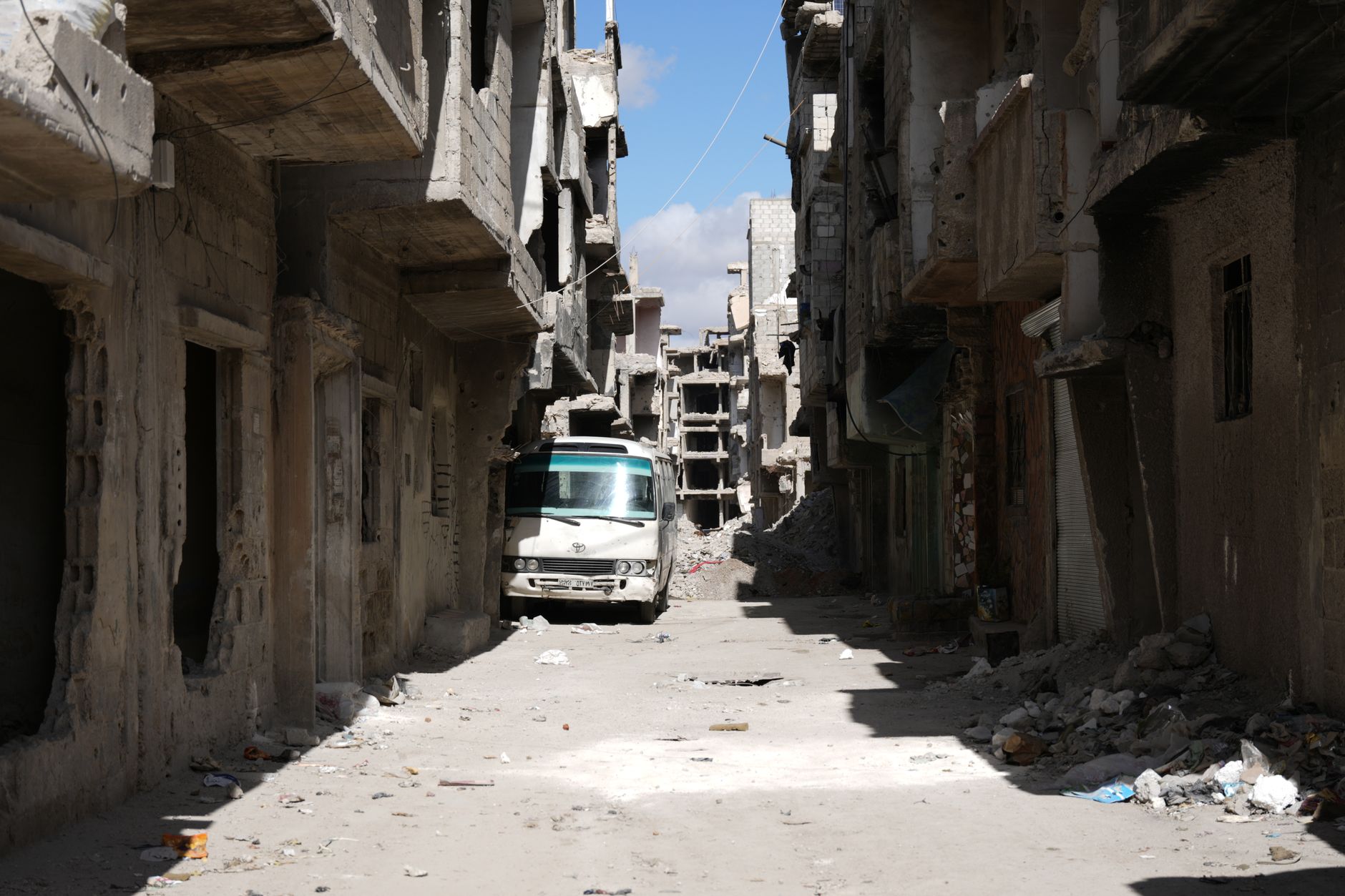
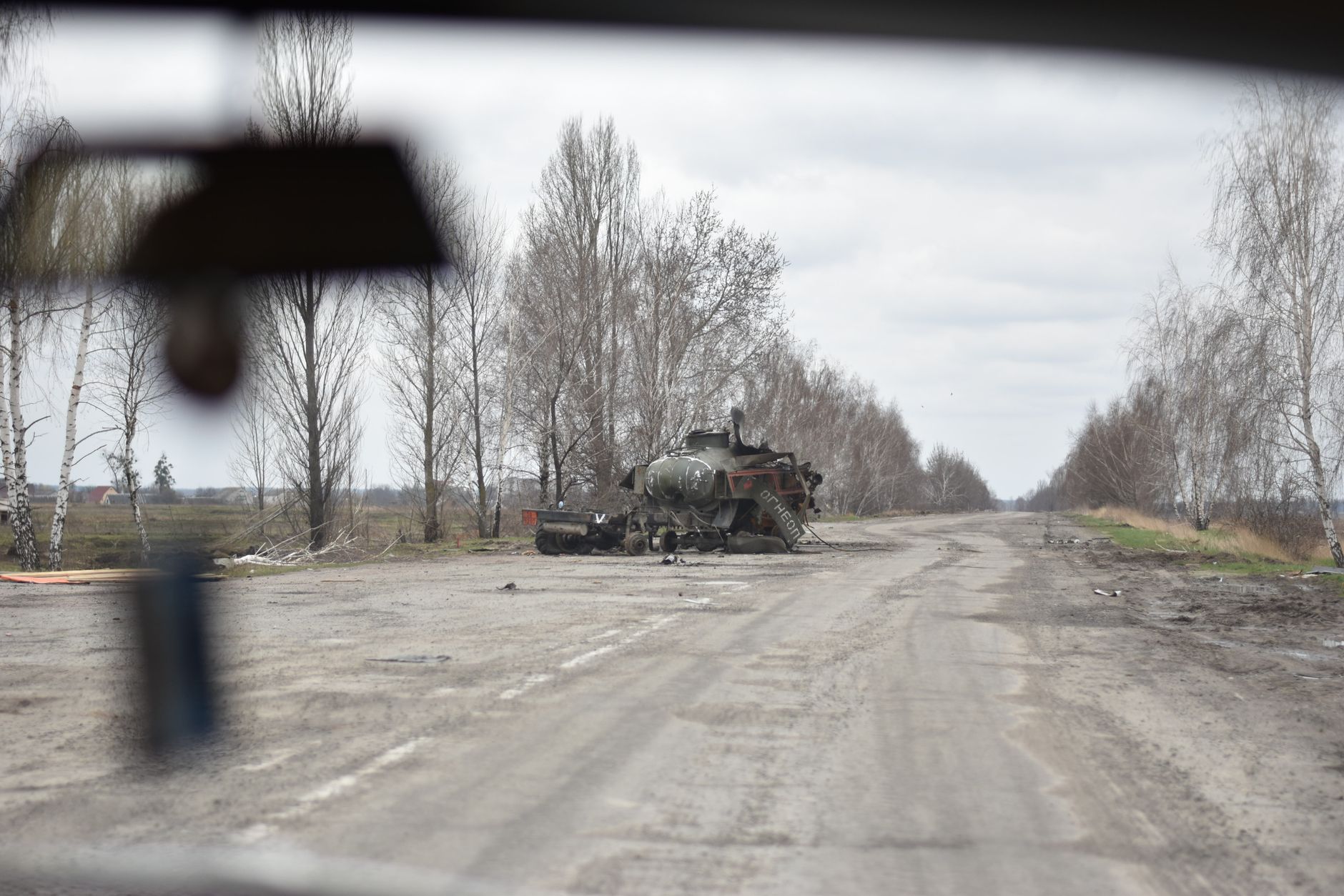
Furthermore, the involvement of major global powers, including the United States, significantly raises the stakes. A direct confrontation between the US and Iran would not only be catastrophic for the immediate region but could also draw in other international actors, potentially leading to a broader, more devastating conflict. The humanitarian cost would be immense, with millions displaced, essential infrastructure destroyed, and a severe disruption to aid efforts. The refugee crisis alone would strain international resources and challenge global solidarity, creating long-term instability and suffering that would resonate for decades.
Beyond the immediate economic and security concerns, the events in the Gulf underscore the fragility of international peace and the urgent need for effective diplomacy. The failure to de-escalate this situation could set a dangerous precedent, emboldening other actors to pursue aggressive policies and undermining the principles of international law and peaceful conflict resolution. Ignoring this crisis is not an option; the potential for a regional conflict to spiral into a global catastrophe is too high. The world must act decisively to prevent further escalation and to foster a path towards sustainable peace and stability in this critical part of the world.
Possible Paths Forward
Navigating the current crisis requires a multi-faceted approach, with de-escalation as the immediate priority. One critical path involves robust, direct diplomatic engagement between the United States and Iran, potentially facilitated by neutral third parties such as Oman or Switzerland. These discussions must move beyond public rhetoric and focus on establishing clear lines of communication to prevent miscalculation and unintended escalation. A key objective would be to agree on a temporary ceasefire or a freeze on military activities in specific zones, creating a much-needed cooling-off period. This diplomatic channel would also need to address core grievances and security concerns from both sides, laying the groundwork for more comprehensive, long-term stability talks.
Another crucial avenue is the strengthening of regional security frameworks involving Gulf Cooperation Council (GCC) states, potentially with international backing. This could include enhanced intelligence sharing, joint patrols to secure shipping lanes, and confidence-building measures to reduce mutual suspicion. The goal would be to create a collective security architecture that minimizes the need for external military intervention and empowers regional actors to manage their own security challenges. Such a framework would also need to address the underlying proxy conflicts that fuel much of the regional instability, potentially through UN-backed peace initiatives in Yemen or Syria, which indirectly contribute to the current tensions.
Finally, the international community must exert concerted pressure on all parties to adhere to international law and respect national sovereignty. This includes leveraging economic incentives and disincentives to encourage restraint, while also offering humanitarian aid and support to affected populations. Sanctions relief, for instance, could be offered in exchange for verifiable steps towards de-escalation and a commitment to non-proliferation. Simultaneously, international bodies like the UN Security Council must be prepared to act decisively, potentially through peacekeeping missions or enhanced monitoring, to prevent further aggression and protect civilian lives. The path forward is complex, but a combination of direct diplomacy, regional cooperation, and international pressure offers the best hope for averting a wider conflict.

Questions People Are Actually Asking
What to Watch
- **Official Statements from US and Iranian Leadership:** Pay close attention to any direct communications or press conferences from the White House, the Pentagon, and Iran's Supreme Leader or Foreign Ministry. These statements will provide critical insights into their immediate intentions and potential next steps, indicating whether de-escalation or further confrontation is prioritized.
- **Activity in the Strait of Hormuz:** Monitor shipping traffic and any reported incidents in this vital waterway. Disruptions or increased military presence here would signal a significant escalation, directly impacting global oil markets and international trade routes, making it a key indicator of the conflict's trajectory.
- **Regional Military Deployments and Alerts:** Observe any further military movements, heightened alert levels, or defensive measures taken by nations in the Gulf Cooperation Council (GCC) and other regional powers. Such actions could indicate anticipation of further strikes or preparations for broader engagement, reflecting the immediate security concerns on the ground.
- **International Diplomatic Engagements:** Keep an eye on reports of emergency meetings by the UN Security Council, statements from the EU, or mediation efforts by neutral countries. These diplomatic activities are crucial for understanding the global response and potential pathways to de-escalation, offering hope for a peaceful resolution.
- **Oil Market Fluctuations:** Track global oil prices and market reactions. Significant spikes or volatility would reflect the market's assessment of the conflict's severity and its potential to disrupt supply, serving as a real-time economic barometer of the crisis's impact.
- **Cyberattack Reports:** Be vigilant for any confirmed or alleged cyberattacks targeting critical infrastructure in the region. Cyber warfare is a growing component of modern conflict and could indicate a new front in the hostilities, potentially causing widespread disruption without direct military engagement.
- **Humanitarian Aid Organization Updates:** Follow reports from humanitarian agencies regarding preparedness, potential displacement, or calls for assistance. These updates will offer a crucial perspective on the human cost of the conflict and the immediate needs of affected populations, highlighting the urgency of de-escalation.











Comments
No comments yet. Be the first to comment!