

Key Takeaways
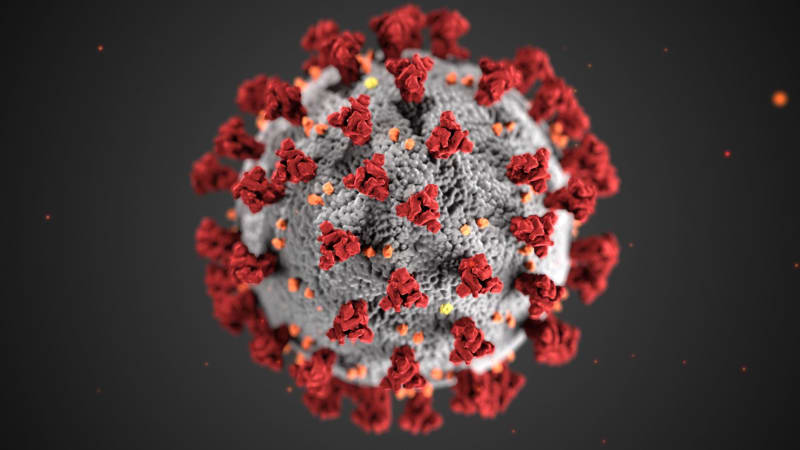
- A groundbreaking study has definitively established a causal link between the Epstein-Barr virus (EBV) and the development of multiple sclerosis (MS), shifting previous understandings from correlation to causation.
- The research, conducted over two decades, analyzed blood samples from millions of U.S. military personnel, providing an unprecedented scale and robustness to the findings.
- Individuals infected with EBV face a staggering 32-fold increased risk of developing MS, a statistically significant finding that underscores the virus's profound impact on neurological health.
- This discovery opens critical new avenues for MS prevention, particularly through the development of EBV vaccines or targeted antiviral therapies designed to mitigate viral activity.
- The study also highlights the potential for early intervention strategies, suggesting that preventing EBV infection could dramatically reduce the global incidence of MS.
- While EBV infection is nearly ubiquitous, only a small fraction of infected individuals develop MS, indicating that other genetic or environmental factors likely play crucial roles in disease manifestation.
Background
For decades, scientists have observed a compelling, yet elusive, association between the Epstein-Barr virus (EBV) and multiple sclerosis (MS). This pervasive herpesvirus, known for causing infectious mononucleosis, infects over 95% of the global adult population, making it one of the most common human viruses. While the vast majority of EBV infections are asymptomatic or result in mild, self-limiting illness, its persistent presence in the human body has long fueled speculation about its potential role in more severe chronic conditions, including various cancers and autoimmune diseases. The challenge, however, has always been to move beyond mere correlation and establish a definitive causal link, a hurdle that has stymied researchers for generations.
Multiple sclerosis is a debilitating autoimmune disease that attacks the central nervous system, leading to a wide range of neurological symptoms including fatigue, numbness, vision problems, and impaired coordination. It affects millions worldwide, with its exact etiology remaining largely unknown, though a complex interplay of genetic predisposition and environmental triggers is widely suspected. The search for these environmental triggers has been intense, with various infectious agents, including viruses, frequently investigated. The consistent epidemiological observation that nearly all MS patients have evidence of prior EBV infection, while only a small percentage of the general population remains uninfected, provided a strong initial clue, but lacked the definitive proof needed to establish causation.
Previous studies, while suggestive, often struggled with methodological limitations, such as retrospective designs or smaller sample sizes, which made it difficult to disentangle cause from effect. The sheer ubiquity of EBV also complicated research; if almost everyone has been exposed, how can one isolate its specific contribution to a relatively rare disease like MS? This new research, with its unprecedented scale and longitudinal design, meticulously tracked individuals from a state of EBV-naïve health through infection and subsequent disease development, finally providing the robust evidence needed to bridge this critical gap in our understanding of MS pathogenesis.
Why It Matters
This groundbreaking discovery fundamentally reshapes our understanding of multiple sclerosis, moving it from a disease of unknown origin to one with a clearly identified primary viral trigger. For decades, the medical community has grappled with the elusive nature of MS, making prevention and targeted treatments incredibly challenging. Now, with EBV firmly implicated, the entire research landscape shifts dramatically. This isn't merely an academic finding; it offers a tangible target for intervention, potentially transforming the lives of millions at risk or currently living with this chronic, often progressive, neurological condition. The urgency of this finding cannot be overstated, as it provides a clear pathway toward proactive strategies rather than solely reactive management.
The implications for public health are profound. If EBV is indeed a prerequisite for MS development, then preventing EBV infection could become a cornerstone of MS prevention. This opens the door to accelerated research and development for an EBV vaccine, a scientific endeavor that has gained renewed momentum in recent years. Imagine a future where a routine childhood vaccination could significantly reduce, or even eliminate, the risk of developing MS. This paradigm shift from managing symptoms to preventing the disease altogether represents a monumental leap forward, offering hope to individuals and families who have long faced the uncertainty and devastating impact of an MS diagnosis.
Beyond prevention, this research also provides crucial insights into the disease's underlying mechanisms. Understanding how EBV interacts with the immune system and potentially triggers the autoimmune cascade that characterizes MS could lead to novel therapeutic approaches. Current MS treatments primarily focus on modulating the immune response to slow disease progression and manage symptoms. However, if we can target the viral component or the specific pathways it activates, we might develop more effective, disease-modifying therapies that address the root cause rather than just its manifestations. This new understanding empowers researchers to explore entirely new avenues for treatment, offering a beacon of hope for improved patient outcomes.
Ground Reality
The sheer scale of this study, involving over 10 million blood samples collected from 20 years of U.S. military personnel, provides an unparalleled foundation for its conclusions. This extensive dataset allowed researchers to meticulously track individuals who were initially EBV-negative and subsequently became infected, observing their health outcomes over time. Such a longitudinal design is exceptionally powerful in establishing causality, as it directly demonstrates that EBV infection precedes the onset of MS, rather than merely co-occurring with it. The robust statistical analysis, revealing a 32-fold increased risk of MS post-EBV infection, leaves little room for doubt regarding the virus's profound influence.
Despite the compelling evidence, it is crucial to emphasize that EBV infection alone is not sufficient to cause MS. The vast majority of people infected with EBV never develop MS, indicating that other factors, likely a combination of genetic predispositions and additional environmental triggers, must also play a role. This complex interplay suggests that MS is a multifactorial disease, where EBV acts as a necessary, but not sole, trigger. Researchers are now intensifying efforts to identify these co-factors, which could include specific genetic variants that make individuals more susceptible to EBV-induced autoimmunity, or other environmental exposures that exacerbate the viral impact.
The immediate ground reality for individuals living with MS or those at risk is a mixture of hope and continued vigilance. While a vaccine is not yet available, this research provides a clear roadmap for its development and reinforces the importance of ongoing research into antiviral therapies. For those already diagnosed with MS, this finding may not immediately alter current treatment protocols, but it offers a deeper understanding of their disease and fuels optimism for future, more targeted interventions. The scientific community is now galvanized, with resources and attention likely to be redirected towards EBV-focused MS research, promising significant advancements in the coming years.
What Experts Are Saying
Leading neurologists and virologists are hailing this study as a landmark achievement, a pivotal moment in MS research that definitively answers a long-standing question. Dr. Alberto Ascherio, a senior author of the study and professor of epidemiology and nutrition at Harvard T.H. Chan School of Public Health, emphasized the conclusive nature of the findings: "The hypothesis that EBV causes MS has been investigated by our group and others for several years, but this is the first study to provide compelling evidence of causality." This sentiment is echoed across the scientific community, with many experts noting that the sheer statistical power and longitudinal design of the study provide irrefutable evidence that was previously lacking.
Other experts, while acknowledging the breakthrough, are also quick to point out the complexities that remain. Dr. Lawrence Steinman, a professor of neurology and neurological sciences at Stanford University, commented, "This is a major step forward, but it's important to remember that not everyone who gets EBV gets MS." He stressed the need for continued research into the specific mechanisms by which EBV triggers MS in susceptible individuals, including the role of genetic predisposition and other environmental factors. This nuanced perspective highlights that while a critical piece of the puzzle has been found, the full picture of MS pathogenesis is still being assembled.
The consensus among researchers is that this study will catalyze a new era of MS research, particularly in the realm of prevention. Dr. Stephen Hauser, director of the UCSF Weill Institute for Neurosciences, stated, "This finding provides a clear pathway for preventing MS, primarily through the development of an effective EBV vaccine." He also suggested that antiviral therapies targeting EBV could potentially be explored as a treatment strategy for early-stage MS. This collective optimism underscores the profound impact this research is expected to have on future clinical practice and public health initiatives aimed at eradicating or significantly reducing the burden of multiple sclerosis.
Frequently Asked Questions
What Happens Next
The immediate aftermath of this groundbreaking study will undoubtedly see a significant surge in research funding and scientific collaboration focused on the EBV-MS link. Researchers will now intensify efforts to unravel the precise molecular mechanisms by which EBV triggers the autoimmune response characteristic of MS. This includes investigating how viral proteins interact with host immune cells, identifying specific genetic susceptibilities that amplify EBV's pathogenic effects, and exploring the role of the gut microbiome or other environmental factors that might synergize with EBV to initiate disease. This deeper understanding is crucial for developing highly targeted interventions.
A primary focus will be the accelerated development and testing of an effective Epstein-Barr virus vaccine. Several vaccine candidates are already in various stages of development, and this new evidence provides a compelling justification for fast-tracking their clinical trials. The goal will be to create a vaccine that not only prevents infectious mononucleosis but, more importantly, offers robust protection against the initial EBV infection that is now strongly linked to MS. Successful vaccination campaigns could dramatically reduce the global incidence of MS in future generations, representing a monumental public health achievement.
Beyond prevention, this research will also spur the exploration of novel therapeutic strategies for individuals already living with MS. This could involve developing antiviral drugs specifically designed to target persistent EBV in MS patients, or immunomodulatory therapies that counteract the specific autoimmune pathways activated by the virus. Clinical trials for these new approaches are likely to emerge in the coming years. Furthermore, the findings may lead to enhanced screening protocols for individuals at high risk of MS, potentially allowing for earlier diagnosis and intervention, thereby improving long-term patient outcomes and quality of life.


















Comments
No comments yet. Be the first to comment!