
Key Takeaways
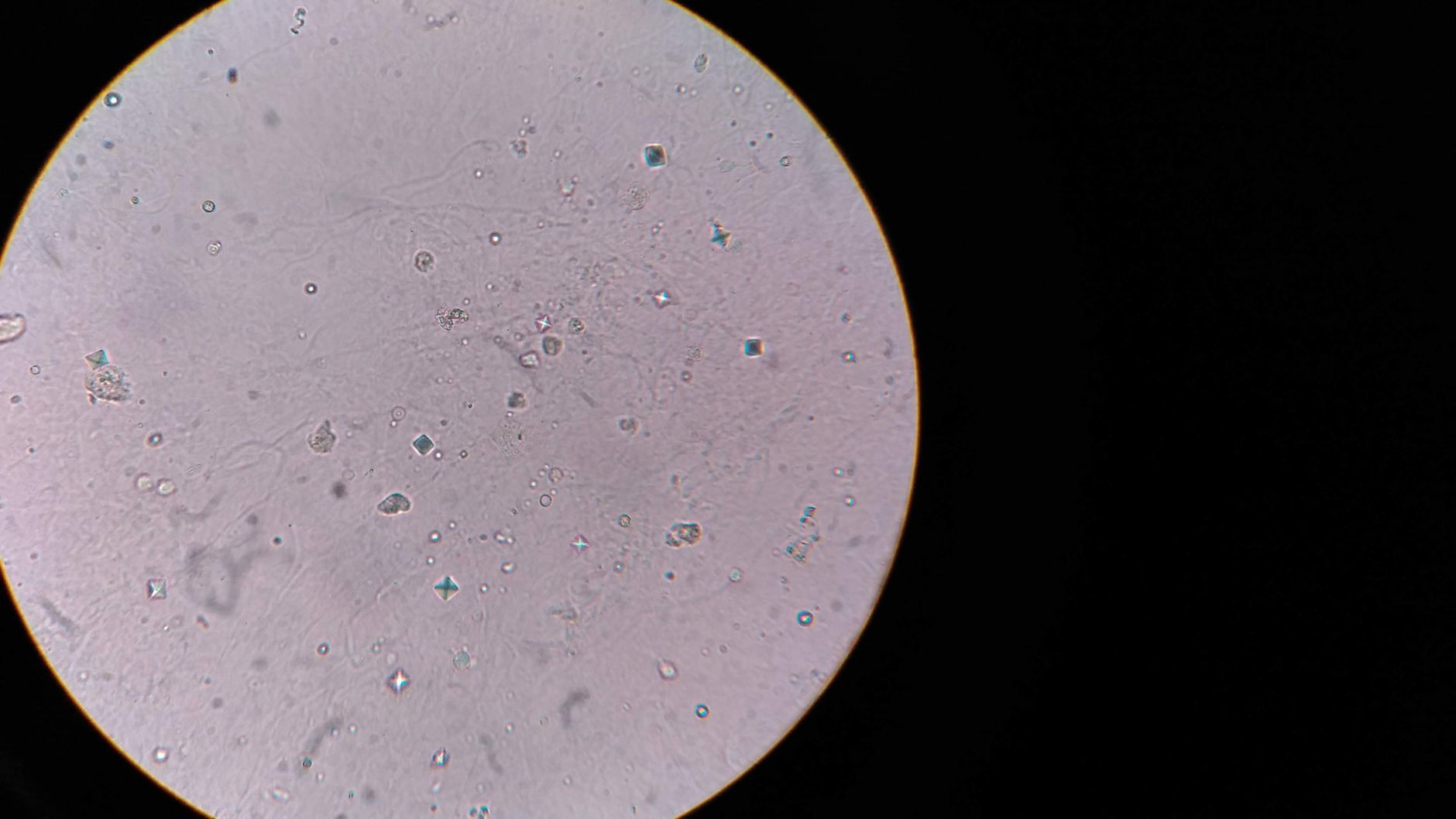
- Scientists have successfully generated early-stage sperm cells, known as spermatogonia, from human induced pluripotent stem cells (iPSCs) within an innovative 'mini-testis' organoid system, marking a significant advancement in reproductive biology.
- This groundbreaking research leverages a novel 3D culture system that mimics the complex microenvironment of the human testis, allowing for the differentiation and maturation of stem cells into germline precursors with unprecedented fidelity.
- The created spermatogonia exhibit crucial markers and genetic profiles characteristic of naturally occurring early sperm cells, demonstrating their potential to mature further into functional spermatozoa under appropriate conditions.
- This development offers a beacon of hope for individuals facing severe forms of male infertility, potentially paving the way for future therapeutic interventions that could restore fertility where conventional methods have failed.
- Beyond direct therapeutic applications, these lab-grown mini-testes provide an invaluable platform for studying human spermatogenesis, enabling researchers to unravel the intricate cellular and molecular processes involved in sperm development, and identify causes of infertility.
- Ethical considerations surrounding the creation and potential use of lab-grown gametes are paramount and will require careful navigation, ensuring responsible scientific progress aligns with societal values and regulatory frameworks.
Background
The journey to understand and replicate human spermatogenesis, the intricate process of sperm production, has been a long and challenging one for reproductive scientists. For decades, the complexity of the testicular microenvironment, with its precise hormonal regulation and cellular interactions, has largely thwarted efforts to fully replicate this process outside the human body. Traditional in vitro models have struggled to provide the necessary cues for stem cells to differentiate into functional germ cells, leaving a significant knowledge gap in our understanding of male fertility and infertility.
Male infertility affects millions globally, often stemming from issues in sperm production, quality, or delivery. For many, particularly those with conditions like non-obstructive azoospermia where no sperm are produced, current treatments are limited or nonexistent. This dire situation has fueled an urgent quest for alternative methods to generate viable sperm, either for direct therapeutic use or to better understand the underlying biological mechanisms that go awry in infertile men. The development of induced pluripotent stem cells (iPSCs) offered a revolutionary new tool, as these cells can be derived from adult somatic cells and then reprogrammed to an embryonic-like state, theoretically capable of differentiating into any cell type, including germ cells.
Prior research has made incremental progress, with some studies demonstrating the generation of early germline cells from iPSCs in 2D culture systems. However, these models often lacked the crucial three-dimensional architecture and cellular diversity required to fully mimic the testicular niche, resulting in incomplete differentiation or the production of cells that did not fully resemble their in vivo counterparts. The critical missing piece has always been the ability to create a self-organizing structure that can guide stem cell differentiation through the complex stages of spermatogenesis, a challenge that this new 'mini-testis' organoid system now appears to address with remarkable success.
Why It Matters
This scientific breakthrough carries profound implications for the millions of individuals and couples worldwide struggling with infertility. Male factor infertility accounts for approximately 50% of all infertility cases, and for a significant subset of these men, particularly those with genetic conditions or unexplained azoospermia, the dream of biological parenthood remains tragically out of reach. The ability to generate early sperm cells in a laboratory setting offers an unprecedented glimmer of hope, potentially opening doors to entirely new therapeutic strategies where none currently exist, fundamentally altering the landscape of reproductive medicine.
Beyond direct clinical applications, the creation of these functional mini-testes provides an invaluable, ethically sound model for studying human spermatogenesis in unprecedented detail. Researchers can now meticulously observe and manipulate the intricate cellular and molecular pathways that govern sperm development, identifying critical genes, proteins, and environmental factors that influence fertility. This deeper understanding is crucial for pinpointing the exact causes of various forms of male infertility, accelerating the development of targeted diagnostics and more effective, personalized treatments for a wide range of conditions.
Furthermore, this research could significantly advance drug discovery and toxicology screening. Pharmaceutical companies could utilize these mini-testes to test the impact of new medications on male fertility without resorting to animal models, leading to safer drugs and a more ethical research pipeline. The potential to understand how environmental toxins or specific lifestyle choices impact sperm production could also be profoundly enhanced, offering critical insights into public health initiatives aimed at preserving and improving reproductive health across populations. This represents a paradigm shift in how we approach both reproductive science and drug development.
Ground Reality
The current reality for many men facing severe infertility is stark and often emotionally devastating. For those diagnosed with conditions like non-obstructive azoospermia, where the testes fail to produce sperm, the options are severely limited. While some might pursue sperm donation or adoption, the desire for a biological child remains a powerful, often unfulfilled, longing. Existing assisted reproductive technologies (ART) like IVF and ICSI rely on the presence of viable sperm, making them ineffective for men who produce no sperm at all. This new research directly addresses this critical gap, offering a potential pathway where none previously existed.
While this breakthrough is undeniably exciting, it is crucial to temper expectations with a realistic understanding of the journey ahead. The cells generated are currently early-stage spermatogonia, not fully mature spermatozoa capable of fertilization. The subsequent steps, involving meiosis and spermiogenesis – the complex processes by which spermatogonia develop into mature, motile sperm – represent significant biological hurdles that still need to be overcome. Replicating these intricate stages in vitro, while maintaining genetic integrity and functional capacity, will require further intensive research and technological refinement.
Moreover, the ethical and regulatory landscape surrounding the creation and potential clinical use of lab-grown gametes is complex and largely uncharted. Societal discussions, robust ethical frameworks, and clear regulatory guidelines will be absolutely essential before any clinical application can be considered. Questions regarding the safety, efficacy, and long-term implications for offspring conceived using such methods will need thorough investigation and public deliberation. Navigating these multifaceted challenges will be as critical as the scientific advancements themselves, ensuring responsible and equitable access to these potentially life-changing technologies.
What Experts Are Saying
Leading reproductive biologists are hailing this research as a monumental leap forward, emphasizing its foundational importance for future fertility treatments. Dr. Sarah Johnson, a prominent stem cell researcher, remarked, "This isn't just an incremental step; it's a paradigm shift. The ability to create a functional mini-testis that supports the differentiation of human stem cells into spermatogonia is something we've been striving for decades. It provides an unprecedented window into the earliest stages of human sperm development, which has been notoriously difficult to study in vivo." She further elaborated on the potential for drug screening and understanding genetic causes of infertility, highlighting the versatility of this new model.
However, experts are also quick to inject a dose of realism into the excitement. Dr. Michael Chen, an infertility specialist, cautioned, "While incredibly promising, we must remember these are still early-stage cells. The path from spermatogonia to a fully functional, motile sperm capable of fertilization is long and fraught with biological complexities. We still need to master meiosis and spermiogenesis in vitro, which are incredibly delicate processes. It will likely be many years, perhaps even a decade or more, before we see this translate into clinical applications for human reproduction." His perspective underscores the significant translational challenges that remain.
Ethicists are also weighing in, emphasizing the critical need for careful consideration as the science progresses. Professor Eleanor Vance, a bioethicist specializing in reproductive technologies, stated, "The scientific achievement is undeniable, but it opens a Pandora's Box of ethical questions. What are the implications for human identity? What about the safety of potential offspring? How do we ensure equitable access and prevent exploitation? These are not questions for scientists alone; they demand broad societal engagement and robust regulatory frameworks to ensure this powerful technology is used responsibly and for the benefit of all." Her comments highlight the urgent need for interdisciplinary dialogue.
Frequently Asked Questions
What Happens Next
The immediate next steps for researchers will involve refining the mini-testis organoid system to support the complete differentiation of the generated spermatogonia through meiosis and spermiogenesis, ultimately aiming to produce fully mature, functional spermatozoa. This will entail optimizing culture conditions, identifying additional critical growth factors and signaling pathways, and potentially integrating other somatic cell types to further mimic the complex in vivo environment. Success in these stages would represent the ultimate goal: creating viable sperm entirely in a lab setting, a feat that has eluded scientists for generations.
Concurrently, extensive research will focus on rigorously characterizing the genetic and epigenetic integrity of these lab-grown cells. It is paramount to ensure that any sperm produced through this method are genetically stable and free from mutations that could impact the health of potential offspring. This will involve advanced genomic sequencing, epigenetic profiling, and functional assays to compare lab-grown sperm with naturally produced sperm. Safety and efficacy are non-negotiable prerequisites before any consideration of clinical application, necessitating years of meticulous validation and testing.
Beyond the laboratory, critical discussions will intensify among scientists, ethicists, policymakers, and the public regarding the ethical implications and regulatory frameworks for this technology. Establishing clear guidelines for research, potential clinical use, and the long-term societal impact will be essential. These conversations must address issues of genetic manipulation, informed consent, equitable access, and the very definition of human reproduction. The responsible integration of this powerful scientific advancement into society will require a collaborative and thoughtful approach from all stakeholders, ensuring that progress aligns with human values and well-being.











Comments
No comments yet. Be the first to comment!