

What We Know
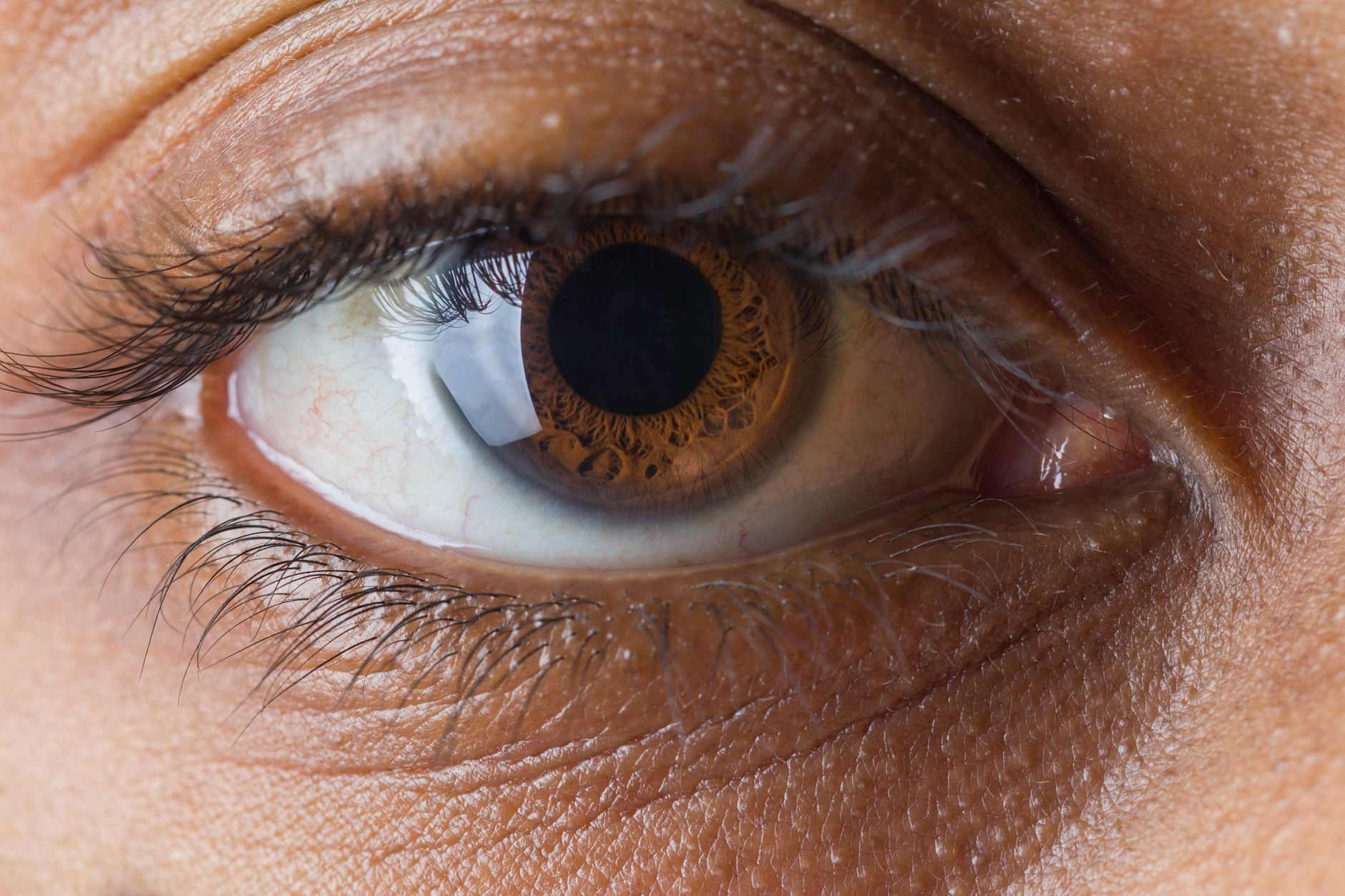
- A novel cellular waste removal system has been identified within the human eye, operating independently yet synergistically with previously understood mechanisms.
- This newly discovered system primarily involves specialized glial cells and a network of extracellular vesicles that actively transport metabolic byproducts and damaged cellular components away from sensitive retinal tissues.
- The system appears to be crucial for maintaining the clarity of the lens and the overall health of the retina, preventing the accumulation of debris that can lead to various ocular diseases.
- Researchers have observed that the efficiency of this cleanup system tends to decline with age, correlating with the increased incidence of age-related vision impairments and neurodegenerative conditions affecting the eye.
- The identification of specific molecular markers and pathways involved in this waste disposal process opens new avenues for diagnostic tools and therapeutic interventions aimed at preserving vision.
- This discovery challenges previous assumptions about ocular fluid dynamics and cellular maintenance, suggesting a more complex and robust self-cleaning mechanism than previously understood.
What We Do Not Know Yet
- The precise molecular triggers and regulatory mechanisms that govern the activation and efficiency of this newly identified waste removal system remain largely unexplored, requiring further in-depth biochemical analysis.
- How genetic predispositions and environmental factors, such as diet and lifestyle, specifically impact the long-term function and potential decline of this ocular cleanup mechanism is still unclear.
- The exact interplay and hierarchical relationship between this new system and other known ocular waste clearance pathways, like the uveoscleral outflow and trabecular meshwork, need to be fully elucidated.
- Whether pharmaceutical interventions or gene therapies can effectively enhance or restore the function of this system in aging or diseased eyes is a critical area for future research and clinical trials.
- The specific cellular components and signaling pathways that become dysfunctional in various ocular diseases, such as glaucoma, macular degeneration, and cataracts, in relation to this waste system are yet to be mapped.
- Longitudinal studies are needed to track the decline of this system over an individual's lifespan and to establish definitive causal links between its impairment and the onset or progression of specific vision disorders.
Background
For decades, the scientific community has grappled with the intricate challenge of understanding how the eye maintains its pristine clarity and optimal function despite constant exposure to light and metabolic activity. The eye is a highly active organ, constantly generating cellular waste and byproducts that, if left unchecked, can rapidly accumulate and impair vision. Prior research focused primarily on the aqueous humor outflow pathways and the retinal pigment epithelium's phagocytic capabilities as the primary mechanisms for waste removal. While these systems are undoubtedly vital, their limitations in explaining the full spectrum of ocular health and disease progression have long hinted at the existence of additional, undiscovered processes. This new discovery fundamentally shifts our understanding of ocular physiology, revealing a more complex and resilient self-maintenance strategy within this delicate organ.
The accumulation of cellular debris and misfolded proteins is a hallmark of many age-related neurodegenerative diseases, including those affecting the eye. Conditions like age-related macular degeneration (AMD), glaucoma, and cataracts are characterized by the buildup of waste products that disrupt cellular function and ultimately lead to vision loss. Understanding the mechanisms by which these harmful substances are cleared, or fail to be cleared, is paramount to developing effective treatments. The prior models, while informative, couldn't fully account for the diverse pathologies observed, suggesting gaps in our knowledge regarding the eye's intrinsic ability to manage its metabolic waste. This new finding provides a crucial piece of the puzzle, offering a fresh perspective on the underlying causes of these debilitating conditions.
This groundbreaking research builds upon years of meticulous observation and advanced imaging techniques that allowed scientists to peer into the living eye with unprecedented resolution. Utilizing novel fluorescent tracers and electron microscopy, researchers were able to track the movement of cellular waste products and identify the specific cell types and structures involved in their transport. The identification of specialized glial cells, which are supportive cells in the nervous system, playing a direct role in active waste removal, is particularly significant. This suggests a more integrated and dynamic system than previously imagined, where various cellular components collaborate to maintain the ocular environment. The implications for future research into maintaining retinal health and preventing vision loss are truly profound.
Why It Matters
This discovery holds immense significance for the millions worldwide suffering from age-related vision loss. Diseases like glaucoma, macular degeneration, and diabetic retinopathy are leading causes of blindness, and current treatments often only slow progression rather than offering a cure. By identifying a previously unknown, critical waste removal system, scientists now have a novel target for therapeutic intervention. Imagine developing drugs or gene therapies that can boost the efficiency of this natural cleanup crew, effectively preventing the accumulation of toxic byproducts that lead to cellular damage and vision impairment. This isn't just an incremental step; it's a fundamental shift in our understanding that could unlock entirely new strategies for preserving sight.
Beyond direct therapeutic applications, this research profoundly impacts our diagnostic capabilities. If the efficiency of this waste removal system can be measured, it could serve as an early biomarker for ocular disease risk. Detecting a decline in its function before symptoms even manifest would allow for proactive interventions, potentially delaying or even preventing the onset of conditions that are currently diagnosed only after significant, irreversible damage has occurred. This paradigm shift from reactive treatment to preventative care could revolutionize ophthalmology, offering hope to individuals with a family history of eye disease or those at high risk due to other health conditions. The ability to predict and prevent is far more powerful than merely treating symptoms.
Furthermore, this finding encourages a broader re-evaluation of how we understand cellular maintenance in other complex organs, particularly the brain. The eye is often considered an extension of the central nervous system, and its waste clearance mechanisms may share similarities with those in the brain, such as the glymphatic system. Understanding the ocular system could provide crucial insights into neurodegenerative diseases like Alzheimer's and Parkinson's, where protein aggregation and waste accumulation are central pathologies. This research not only promises to transform eye care but also offers a potential blueprint for tackling some of humanity's most challenging neurological disorders, underscoring its far-reaching scientific impact.
Timeline of Events
- **Early 2000s:** Initial observations by various research groups hint at unexplained waste clearance pathways in the retina, beyond the known aqueous humor dynamics, prompting further investigation into ocular physiology.
- **2010-2015:** Development of advanced live-imaging techniques and more sensitive fluorescent markers allows researchers to track cellular debris movement in real-time within animal models, providing preliminary evidence of active transport.
- **2016-2018:** Breakthroughs in electron microscopy and single-cell sequencing enable the identification of specific glial cell types and extracellular vesicles actively involved in packaging and transporting waste products from retinal neurons.
- **2019-2020:** Collaborative studies confirm the presence of these specialized waste removal mechanisms in human post-mortem eye tissues, establishing the relevance of animal model findings to human ocular health.
- **2021:** Researchers successfully map the molecular pathways and key proteins involved in the newly discovered system, providing targets for potential pharmaceutical interventions to enhance its efficiency.
- **Late 2022:** Initial publication of findings in a peer-reviewed journal, detailing the discovery of the eye's hidden cleanup system and its potential implications for age-related vision diseases, generating significant scientific interest.
- **Early 2023:** Further studies begin to explore the genetic and environmental factors that may influence the efficacy of this waste removal system, aiming to identify risk factors for its decline.
- **Present:** Ongoing research focuses on developing diagnostic tools to assess the health of this system and initiating preclinical trials for therapeutic strategies designed to boost its function and prevent vision loss.
Rapid-Fire Q&A
What Is Coming
- **Accelerated Research Funding:** Expect a surge in grant applications and funding allocations specifically targeting the molecular characterization and functional analysis of this newly discovered ocular waste removal system, leading to rapid advancements in understanding its intricate mechanisms.
- **Development of Novel Diagnostics:** We will likely see the emergence of innovative diagnostic tools capable of non-invasively assessing the efficiency and health of this cleanup system in living patients, potentially allowing for earlier detection and risk stratification of age-related eye diseases.
- **Targeted Therapeutic Strategies:** Pharmaceutical companies and biotech firms will intensify efforts to develop new drugs, gene therapies, or even cell-based treatments designed to enhance, restore, or mimic the function of this waste disposal system, offering entirely new avenues for preventing and treating vision loss.
- **Interdisciplinary Collaboration:** Increased collaboration between ophthalmologists, neuroscientists, geneticists, and bioengineers is anticipated, fostering a holistic approach to understanding ocular health and its connections to broader neurodegenerative processes.
- **Clinical Trials for Prevention:** Within the next five to ten years, we could see the initiation of early-phase clinical trials testing interventions aimed at boosting this system's function in individuals at high risk for glaucoma, macular degeneration, and other waste-accumulation-related eye conditions.
- **Public Health Awareness Campaigns:** As understanding of this system grows, public health initiatives may emerge to educate individuals about lifestyle factors that could potentially support or impair the eye's natural waste clearance, empowering people to take proactive steps for their vision health.














Comments
No comments yet. Be the first to comment!