
Policy Snapshot
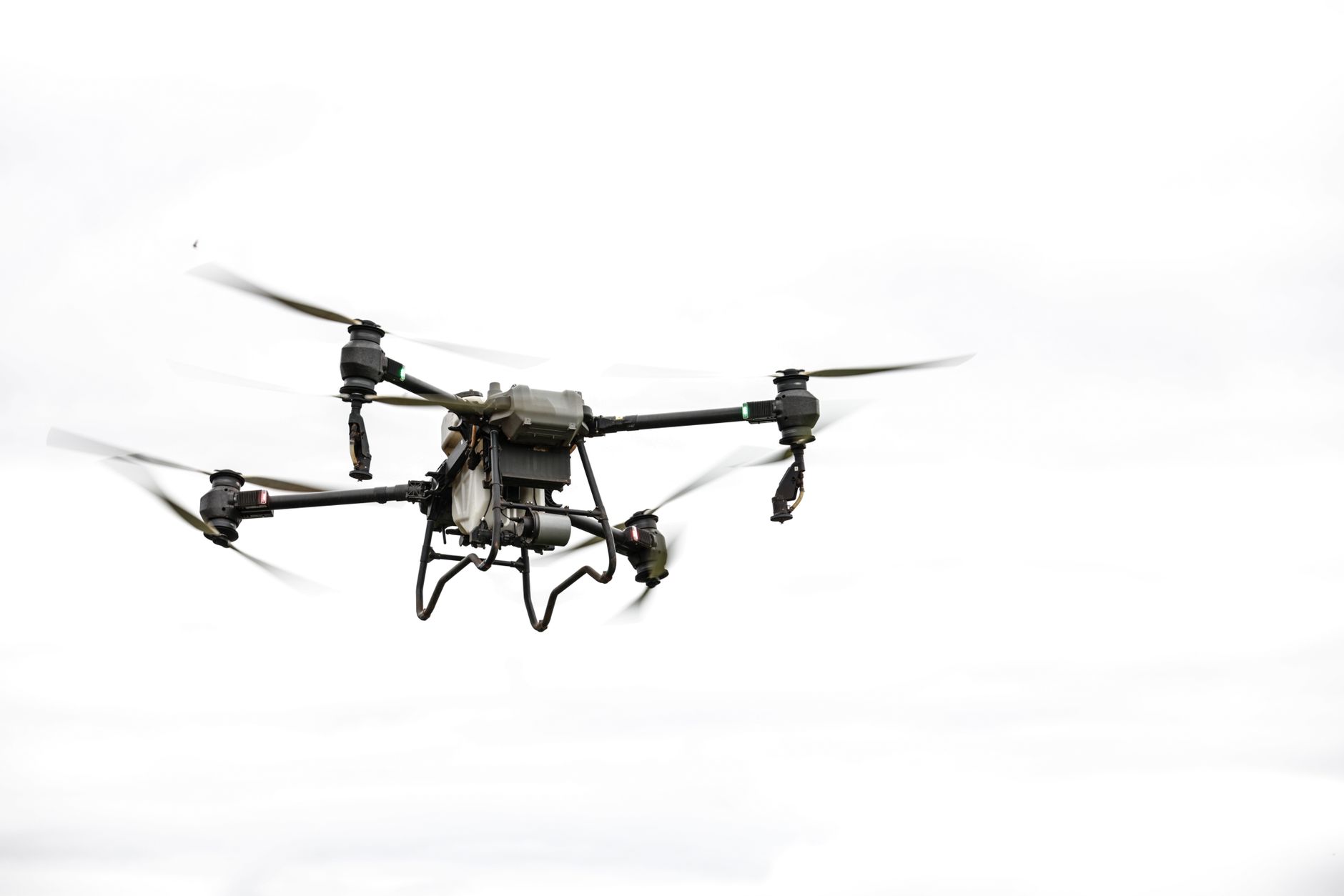
- Ukraine has demonstrably increased its drone and missile attacks targeting Russian territory, particularly focusing on critical infrastructure and military assets far behind the front lines.
- The timing of these intensified strikes directly coincides with a period of significant political instability and leadership changes within Kyiv, including high-profile dismissals and internal debates.
- Western allies maintain a cautious stance, reiterating their support for Ukraine's defense but expressing concerns about potential escalation if strikes extend too deeply or target sensitive civilian areas.
- Russia has consistently vowed severe retaliation for any attacks on its sovereign territory, raising the specter of an unpredictable and dangerous tit-for-tat escalation that could draw in other actors.
- The current Ukrainian strategy appears to be aimed at disrupting Russian logistics, military production, and public morale, demonstrating Kyiv's capability to project power beyond the immediate conflict zones.
- International law regarding self-defense and proportionality in cross-border attacks is being rigorously debated by experts, with differing interpretations on the legality and implications of Ukraine's actions.
The Policy History
The conflict between Ukraine and Russia has been marked by a gradual but undeniable escalation in the scope and geography of military operations. Initially, Ukrainian forces focused primarily on defending their sovereign territory against the full-scale invasion launched in February 2022. However, as the war progressed and Russia continued its relentless bombardment of Ukrainian cities and infrastructure, Kyiv's strategic calculus began to shift. The policy of strictly defensive operations evolved to include a more proactive approach, aiming to disrupt Russian military capabilities and logistics within its own borders.
This evolution was not sudden but rather a measured response to the protracted nature of the conflict and Russia's persistent aggression. Early cross-border incidents were often attributed to 'unidentified drones' or 'sabotage,' reflecting a degree of ambiguity and perhaps a desire to avoid immediate, overt escalation. However, as Ukraine developed its own long-range strike capabilities, often with the support of Western intelligence and technology, the nature of these attacks became more direct and undeniable. The targeting of military depots, airfields, and energy infrastructure deep within Russia signaled a clear strategic intent to impose costs on the aggressor and alleviate pressure on the front lines.
The current surge in strikes represents a significant inflection point in this historical trajectory. It suggests a more confident and perhaps desperate Ukrainian leadership, willing to take greater risks to achieve strategic objectives. This policy shift is also a testament to Ukraine's ingenuity in developing and deploying indigenous drone technology, effectively circumventing some of the restrictions imposed by Western allies on the use of their supplied weaponry for attacks on Russian soil. The historical context reveals a nation increasingly compelled to fight on its own terms, pushing the boundaries of conventional warfare to defend its very existence.
Who Is Affected
The primary stakeholders affected by Ukraine's escalating strikes are, first and foremost, the civilian populations residing in Russian border regions and those near targeted infrastructure. While Ukraine asserts that its strikes focus on military and energy targets, the inherent risks of collateral damage in any conflict are undeniable. Residents in cities like Belgorod, Kursk, and Rostov have experienced increased anxiety, disruptions to daily life, and, in some cases, direct casualties, leading to a palpable sense of unease and fear among the populace. This directly impacts their safety, well-being, and perception of the conflict's trajectory.
Beyond the immediate civilian impact, the Russian military and its logistical networks are significantly affected. Strikes on fuel depots, ammunition dumps, and transportation hubs disrupt the supply lines crucial for sustaining front-line operations, potentially weakening Russia's offensive capabilities and forcing a reallocation of resources. This directly impacts military effectiveness and morale, creating strategic challenges for Moscow. Furthermore, key Russian industries, particularly those related to energy and defense, face operational disruptions and economic losses from damaged facilities, impacting national production and revenue streams.
Internationally, Western allies and global energy markets also feel the ripple effects. Concerns about escalation are paramount, as a more aggressive Ukrainian posture could provoke a severe Russian response, potentially widening the conflict. Energy markets, already volatile, react to any perceived threat to Russian oil and gas infrastructure, leading to price fluctuations that impact consumers worldwide. The political leadership in Kyiv is also profoundly affected, as these high-stakes decisions are made amidst internal political turmoil, testing their resolve, unity, and ability to maintain international support while pursuing an increasingly aggressive defense strategy.
The Case For
Proponents argue that striking targets within Russia is a legitimate and necessary act of self-defense for Ukraine. Faced with a brutal invasion and relentless attacks on its cities and people, Ukraine has a sovereign right to defend itself by disrupting the aggressor's ability to wage war. By targeting military infrastructure, logistics, and energy facilities deep within Russia, Ukraine aims to diminish Russia's capacity to sustain its offensive operations, thereby reducing the pressure on Ukrainian forces and civilians. This strategic imperative is rooted in the principle that an aggressor should not enjoy sanctuary while inflicting devastation on its neighbor.
Furthermore, these strikes serve as a crucial psychological and strategic deterrent. They demonstrate Ukraine's growing capability to project power beyond its immediate borders, forcing Russia to divert resources to homeland defense and creating a sense of vulnerability within the Russian populace. This can undermine domestic support for the war and compel the Kremlin to reconsider its aggressive posture. The argument posits that if Russia feels no direct consequence on its own territory, it will have less incentive to de-escalate or negotiate a peaceful resolution, making these strikes a vital component of a broader strategy to end the conflict on Ukraine's terms.
Another key argument highlights the importance of leveling the playing field. For too long, Russia has enjoyed the strategic advantage of launching attacks from its secure territory while Ukraine bore the brunt of the destruction. These retaliatory strikes aim to impose a reciprocal cost, demonstrating that the war will not be confined solely to Ukrainian soil. This approach can also bolster domestic morale within Ukraine, showing that their leadership is taking decisive action to fight back and not merely absorb blows. Ultimately, proponents believe these actions are essential for Ukraine's long-term survival and its ability to negotiate from a position of strength.
The Case Against
Critics and concerned international observers argue that Ukraine's escalating strikes into Russian territory carry significant and potentially catastrophic risks of escalation. Each successful strike deep within Russia, particularly those targeting critical infrastructure or civilian-adjacent areas, increases the likelihood of a severe and unpredictable Russian retaliation. This could manifest in more intense missile barrages against Ukrainian cities, the use of more destructive weaponry, or even a dangerous expansion of the conflict beyond Ukraine's borders, drawing in NATO members or other regional powers, which would have devastating global consequences.
There are also concerns regarding the potential impact on international support for Ukraine. While many Western allies support Ukraine's right to self-defense, some have expressed unease about attacks on Russian soil, fearing they could be perceived as provocative rather than purely defensive. This could lead to a fracturing of the united front against Russia, potentially diminishing military aid, financial assistance, and diplomatic backing at a crucial time. Maintaining a clear moral high ground and avoiding actions that could be misconstrued as aggressive is vital for sustaining the broad international coalition supporting Kyiv.
Furthermore, the effectiveness of these strikes in achieving long-term strategic goals is debated. While they may cause temporary disruptions and psychological impact, some analysts argue that they are unlikely to fundamentally alter Russia's war-making capacity or compel a change in policy. Instead, they might inadvertently strengthen the Kremlin's narrative of being under attack, rallying domestic support for the war effort and justifying further aggression. The risk of civilian casualties, even accidental ones, also presents a moral dilemma and could be exploited by Russian propaganda to undermine Ukraine's international standing and portray it as a reckless actor.
Policy Questions Answered
Implementation Watch
Monitoring the implementation of Ukraine's strategy of striking targets within Russia requires careful observation of several key indicators. Firstly, the frequency and geographical reach of these attacks will reveal the extent of Ukraine's capabilities and strategic intent. An increasing number of strikes deeper into Russian territory would signal a more aggressive and confident posture. Secondly, the types of targets hit are crucial: continued focus on military and energy infrastructure suggests a rational, strategic approach, while any shift towards purely civilian targets would be a concerning development, potentially altering international perceptions and support.
Furthermore, the effectiveness of these strikes in achieving their stated objectives must be rigorously assessed. Are they genuinely disrupting Russian logistics, military production, or public morale? Evidence of significant operational setbacks for Russia, such as reduced fuel supplies to the front or damaged key industrial facilities, would indicate successful implementation. Conversely, if Russia quickly adapts and mitigates the impact, the strategy's long-term viability might be questioned. The Kremlin's public and military responses will also provide vital insights into how Russia is reacting and whether it perceives these strikes as a genuine threat or merely a nuisance.
Finally, the internal political dynamics within Kyiv and the reactions of international partners are critical components of implementation watch. Sustained political unity in Ukraine, despite the ongoing turmoil, would be essential for maintaining a coherent and effective strategy. Any public dissent or policy shifts within the Ukrainian leadership could impact the consistency of these operations. Similarly, the continued, albeit cautious, support from Western allies will be paramount. Any signs of wavering support or increased pressure to de-escalate from international partners could force Kyiv to re-evaluate its current approach, highlighting the complex interplay of domestic and international factors in this high-stakes strategy.













Comments
No comments yet. Be the first to comment!