

Key Takeaways
- Taiwan's Centers for Disease Control (CDC) has officially confirmed three new cases of Japanese encephalitis, bringing the total number of reported infections for the year to 19.
- The newly identified patients include a man in his 60s from Changhua County, a woman in her 50s from Kaohsiung City, and another woman in her 50s from Tainan City, highlighting geographical spread.
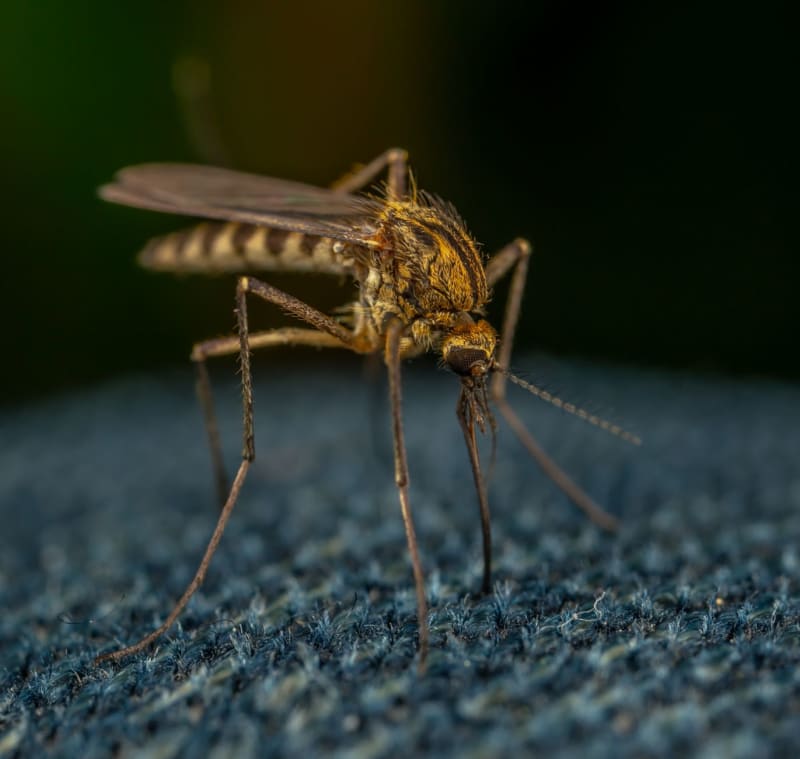
- Japanese encephalitis is a mosquito-borne viral disease, primarily transmitted by Culex tritaeniorhynchus mosquitoes, which breed in rice paddies and stagnant water, posing a significant risk in agricultural areas.
- The CDC is issuing a critical public health alert, emphasizing that Taiwan is currently in the peak season for Japanese encephalitis transmission, typically spanning from May through October.
- Symptoms of Japanese encephalitis can range from mild fever and headache to severe neurological complications, including encephalitis, which can lead to permanent disability or even death in serious cases.
- Public health officials are strongly urging residents, especially those living near high-risk areas like pig farms and rice fields, to take proactive measures to prevent mosquito bites and consider vaccination where appropriate.
Background
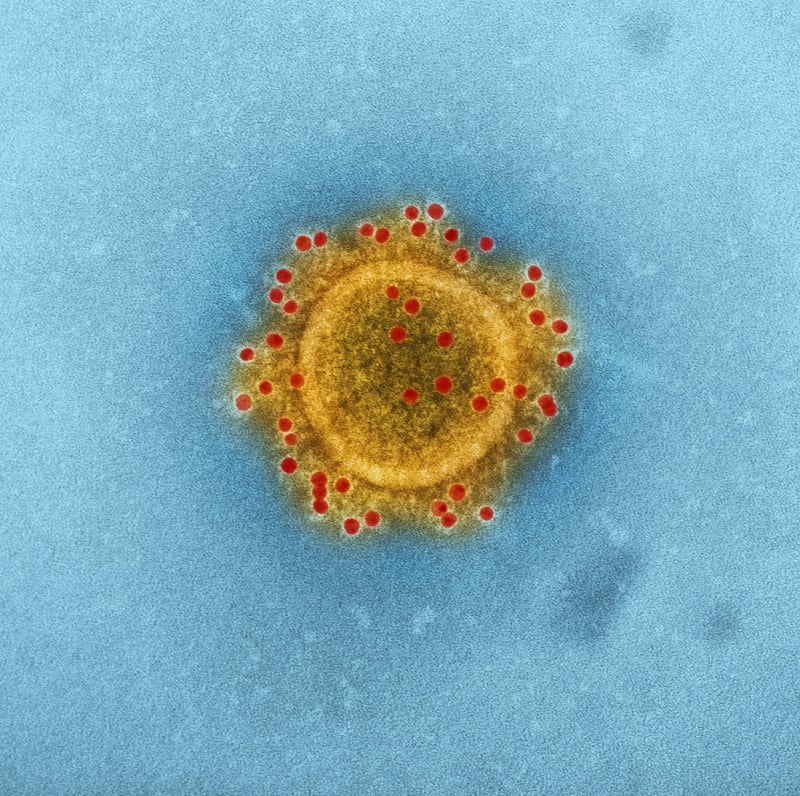
Japanese encephalitis (JE) is a severe mosquito-borne flaviviral infection that poses a significant public health threat across Asia, including Taiwan. The virus is primarily transmitted to humans through the bite of infected Culex mosquitoes, particularly *Culex tritaeniorhynchus*, which thrive in agricultural settings such as rice paddies. These mosquitoes acquire the virus from infected animals, primarily pigs and wading birds, which act as amplifying hosts. The disease typically manifests with a range of symptoms, from mild, flu-like illness to severe neurological complications, including inflammation of the brain, which can be life-threatening or lead to long-term disabilities.
Taiwan's public health authorities, specifically the Centers for Disease Control (CDC), maintain a rigorous surveillance system to monitor and track cases of Japanese encephalitis. This proactive approach is crucial because the island experiences a distinct peak transmission season, generally from May to October, coinciding with warmer temperatures and increased mosquito activity. The CDC's efforts include public awareness campaigns, mosquito control initiatives, and a comprehensive vaccination program, particularly for children and individuals residing in high-risk areas. Despite these measures, sporadic cases continue to emerge, underscoring the persistent challenge of controlling this endemic disease.
The recent confirmation of three additional cases elevates the total for the year to 19, a figure that demands immediate attention and reinforces the need for sustained vigilance. These new infections, identified in various regions, indicate a broader geographical spread than might be initially assumed, suggesting that the risk is not confined to isolated pockets. Understanding the epidemiological patterns and the environmental factors that contribute to mosquito breeding and viral transmission is paramount for developing effective intervention strategies. The cumulative case count serves as a critical indicator for public health officials to assess the current risk level and adjust preventative measures accordingly.
Why It Matters
The confirmation of three new Japanese encephalitis cases in Taiwan is far more than just a statistic; it represents a significant and escalating public health concern. Japanese encephalitis, while preventable through vaccination, carries a high risk of severe neurological damage and mortality once symptoms manifest. For those who survive the acute phase, long-term neurological and psychiatric sequelae, such as paralysis, seizures, speech problems, and cognitive impairments, are common, profoundly impacting patients' quality of life and placing immense burdens on families and healthcare systems. Each new case underscores the potential for devastating individual outcomes and the broader societal cost of this debilitating disease.
This latest cluster of cases, pushing the annual total to 19, highlights the ongoing challenge of controlling vector-borne diseases in a subtropical climate. Taiwan's peak transmission season for Japanese encephalitis, which runs from May to October, means that the risk of infection is currently at its highest. This period demands intensified public awareness and preventative action, as increased mosquito populations and human outdoor activities create fertile ground for viral transmission. Failure to adequately address this surge could lead to a greater number of severe cases, potentially overwhelming healthcare resources and eroding public trust in disease control efforts.
Beyond the immediate health implications, the continued emergence of Japanese encephalitis cases can have broader economic and social repercussions. Outbreaks can disrupt agricultural work, particularly in rural areas where the disease is more prevalent, due to fear of infection or illness among the workforce. Furthermore, the need for extensive public health campaigns, mosquito control programs, and specialized medical care for severe cases diverts significant resources that could otherwise be allocated to other health priorities. Therefore, effective prevention and control of Japanese encephalitis are not just about individual health, but about safeguarding community well-being and economic stability.
Ground Reality
The ground reality in Taiwan regarding Japanese encephalitis is one of persistent vigilance and targeted intervention, especially as the island navigates its peak transmission season. The three newly reported cases — a man in his 60s from Changhua County, a woman in her 50s from Kaohsiung City, and another woman in her 50s from Tainan City — paint a clear picture of the disease's geographical dispersion. These cases are not isolated to a single municipality but span different regions, indicating that the environmental conditions conducive to mosquito breeding and viral circulation are widespread. This necessitates a comprehensive, island-wide approach to public health messaging and mosquito control, rather than localized, reactive measures.
A critical aspect of the ground reality is the environmental context: Japanese encephalitis thrives in areas with abundant rice paddies and pig farms, which serve as ideal breeding grounds for *Culex tritaeniorhynchus* mosquitoes and reservoirs for the virus. Many residents in rural and peri-urban areas live in close proximity to these environments, increasing their occupational and residential exposure risk. Despite ongoing efforts to educate the public, there remains a segment of the population, particularly older adults or those in less accessible communities, who may not be fully aware of the risks or the importance of preventative measures, such as wearing long sleeves, using repellents, and ensuring proper screening of homes.
The Centers for Disease Control (CDC) is actively monitoring the situation, but the effectiveness of their efforts hinges on community participation and adherence to public health guidelines. Vaccination remains the most potent tool in preventing severe disease, and Taiwan has a robust childhood immunization program. However, adult vaccination rates, especially for those in high-risk professions or areas, may not be as comprehensive. The current surge in cases serves as a stark reminder that even with established protocols, the dynamic interplay of climate, human behavior, and vector ecology requires continuous adaptation and reinforcement of public health strategies to mitigate the impact of Japanese encephalitis on the population.
What Experts Are Saying
Public health experts in Taiwan are unanimous in their assessment that the recent spike in Japanese encephalitis cases underscores the critical importance of sustained public awareness and robust preventative measures. Dr. Chen Chien-Jen, a former Vice President and renowned epidemiologist, emphasizes that while Taiwan has a strong vaccination program for children, vigilance among the adult population, particularly those living near high-risk agricultural zones, is paramount. He notes, "The virus doesn't discriminate by age, and adults who haven't been vaccinated or boosted are just as susceptible to severe outcomes. We must ensure that public health messaging reaches every corner of the island, especially during the peak transmission season."
Virologists and entomologists are closely monitoring mosquito populations and viral strains to better understand transmission dynamics. Dr. Lin Tsung-Hsien, a leading expert in vector-borne diseases at National Taiwan University, highlights the impact of environmental factors. "Warmer temperatures and increased rainfall create ideal conditions for *Culex* mosquito breeding, leading to larger populations and a higher likelihood of viral transmission," Dr. Lin explains. "It's not just about individual protection; community-level interventions, such as effective drainage systems, larvicides in stagnant water, and regular surveillance of pig farms, are crucial to breaking the transmission cycle and protecting vulnerable populations."
Medical professionals are also stressing the importance of early diagnosis and supportive care for confirmed cases. Dr. Wang Li-Ling, an infectious disease specialist at Taipei Medical University Hospital, points out that while there is no specific antiviral treatment for Japanese encephalitis, prompt medical attention can significantly improve patient outcomes. "Recognizing the early symptoms—fever, headache, and altered mental status—is vital. Delaying care can lead to more severe neurological damage. Healthcare providers need to maintain a high index of suspicion, especially for patients presenting with encephalitis-like symptoms during the peak season, and ensure rapid diagnostic testing and appropriate supportive management," she advises.
Frequently Asked Questions
What Happens Next
In the immediate aftermath of these confirmed cases, Taiwan's Centers for Disease Control (CDC) will intensify its surveillance efforts, particularly in the affected regions of Changhua, Kaohsiung, and Tainan. This will involve active case finding, contact tracing to identify potential exposures, and enhanced epidemiological investigations to pinpoint specific transmission hotspots. Public health teams will deploy to these areas to assess local environmental conditions, focusing on mosquito breeding sites like rice paddies and pig farms. The goal is to rapidly identify and mitigate any further spread, ensuring that no additional cases go undetected, which is critical during the ongoing peak season.
Looking ahead, the CDC is expected to ramp up its public awareness campaigns, leveraging various media channels to disseminate critical information on prevention. These campaigns will stress the importance of personal protective measures, such as using insect repellents, wearing protective clothing, and eliminating standing water around homes. Furthermore, there will likely be a renewed push for vaccination among eligible populations, particularly for adults in high-risk occupations or those residing in endemic areas who may not have been fully immunized. Educational outreach will target communities near agricultural zones, emphasizing the role of pig farms as viral reservoirs and the need for stringent biosecurity measures.
Beyond immediate responses, the long-term strategy will involve continuous monitoring of mosquito populations and viral activity, potentially incorporating advanced genomic sequencing to track viral evolution and spread. Research efforts may also be bolstered to explore more effective mosquito control methods and improve diagnostic tools for earlier detection. The collaboration between public health agencies, local governments, agricultural sectors, and the public will be paramount in sustaining these efforts. Ultimately, the ongoing challenge of Japanese encephalitis in Taiwan necessitates a dynamic, multi-faceted approach that integrates surveillance, prevention, and community engagement to protect public health effectively.
















Comments
No comments yet. Be the first to comment!