

Policy Snapshot
- Canadian premiers have unequivocally rejected former U.S. President Donald Trump's suggestion that Canada must open its borders to American alcohol sales to ensure its economic viability, highlighting a staunch defense of national sovereignty.
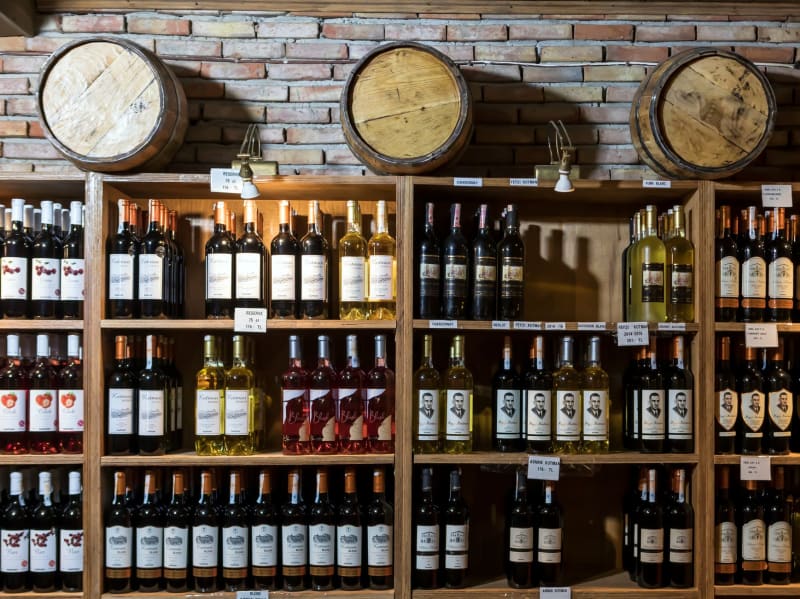
- The current system in Canada relies on provincial liquor boards, which maintain strict control over the sale, distribution, and pricing of alcoholic beverages, generating significant revenue for provincial governments.
- Trump's comments, made during a campaign rally, directly challenge Canada's long-standing regulatory framework for alcohol, implying that these monopolies are detrimental to Canada's economic health and suggesting a need for liberalization.
- Provincial leaders across Canada, including figures like Ontario Premier Doug Ford and Quebec Premier François Legault, have voiced strong opposition, emphasizing the importance of these boards for public health, safety, and revenue generation.
- This pushback underscores a broader tension in Canada-U.S. trade relations, particularly concerning sectors where Canada maintains unique regulatory structures, such as dairy, lumber, and now, potentially, alcohol.
- The debate over alcohol sales is not merely economic; it also touches upon cultural identity and the role of government in regulating goods with significant social impacts, making it a highly sensitive political issue.
The Policy History
Canada's alcohol distribution system is a unique and deeply entrenched part of its economic and social fabric, largely a legacy of post-Prohibition policies. Following the repeal of temperance laws in the early 20th century, provinces established crown corporations, commonly known as liquor boards, to manage the sale and distribution of alcoholic beverages. These boards, such as the LCBO in Ontario or the SAQ in Quebec, were designed to control consumption, generate revenue for public services, and ensure responsible sales practices. This system has evolved over decades, becoming a significant source of provincial income and a key tool for public health policy, allowing for centralized control over pricing, product availability, and marketing.
The rationale behind these provincial monopolies extends beyond mere revenue generation. Proponents argue that they enable better regulation of alcohol consumption, reducing social harms associated with excessive drinking by controlling access and pricing. They also ensure a consistent tax base for provincial governments, funding essential services like healthcare and education. This model stands in stark contrast to the more liberalized alcohol markets found in many U.S. states, where private retailers often dominate and competition can drive down prices and increase availability. The Canadian system, therefore, represents a deliberate policy choice rooted in a different philosophy of government oversight and public welfare.
Historically, these provincial monopolies have faced intermittent challenges, both domestically and internationally, regarding trade agreements and consumer choice. However, they have largely remained resilient, reflecting a strong political consensus within Canada to maintain this unique structure. The current pressure from Donald Trump, therefore, is not an isolated incident but rather the latest in a series of external challenges to a system that Canadians largely view as integral to their provincial autonomy and economic stability. Understanding this historical context is crucial to grasping the depth of the premiers' unified and emphatic rejection of Trump's proposals.
Who Is Affected
The immediate stakeholders affected by any potential shift in Canada's alcohol sales policy are undoubtedly the provincial governments. These governments currently derive substantial revenue from the profits and taxes generated by their liquor boards, which are then reinvested into public services. A sudden influx of U.S. competition, particularly if it leads to price wars or a reduction in market share for provincial entities, could significantly diminish these revenue streams, forcing provinces to either cut services or seek alternative funding sources. This financial impact is a primary driver behind the premiers' unified opposition, as they are tasked with balancing budgets and providing essential services to their constituents.
Canadian consumers would also experience significant changes. While some might welcome potentially lower prices and greater product variety from U.S. suppliers, others might be concerned about the loss of local control, the potential for increased alcohol consumption, and the impact on local craft breweries and distilleries. The current system, despite its higher prices, often supports local producers through preferential shelf space and marketing initiatives. A more open market could expose these smaller Canadian businesses to overwhelming competition from large American corporations, potentially stifling local innovation and economic growth in the craft beverage sector. This shift could fundamentally alter the consumer landscape for alcoholic beverages across Canada.
Beyond governments and consumers, the employees of provincial liquor boards and the broader Canadian alcohol industry stand to be directly impacted. Thousands of Canadians are employed in the distribution, retail, and administrative functions of these crown corporations. A move towards liberalization could lead to job losses, restructuring, or a shift towards private sector employment, which might offer different terms and conditions. Furthermore, Canadian alcohol producers, from large breweries to small wineries, currently operate within a predictable regulatory environment. Introducing unchecked U.S. competition could disrupt supply chains, marketing strategies, and overall business viability, creating a ripple effect throughout the entire Canadian beverage industry. The stakes are high for a diverse group of stakeholders.
The Case For
Proponents of opening Canada's borders to U.S. alcohol sales often highlight the potential for increased consumer choice and lower prices. The argument posits that the current provincial monopolies, by limiting competition, inflate prices and restrict the variety of products available to Canadian consumers. Introducing American retailers and distributors would foster a more competitive market, theoretically driving down prices as companies vie for market share. This could translate into significant savings for Canadian households, particularly those living near the U.S. border who might currently cross over to purchase cheaper alcohol. The economic principle of free markets suggests that competition benefits the end-user through efficiency gains and innovation.
Another key argument revolves around economic efficiency and trade liberalization. From a free trade perspective, the provincial liquor monopolies are seen as non-tariff barriers that impede the free flow of goods between Canada and the United States. Opening the market would align Canada more closely with international trade agreements and principles, potentially fostering stronger overall economic ties with its largest trading partner. Advocates suggest that such a move could stimulate cross-border investment, create new jobs in distribution and retail, and integrate the North American alcohol market more seamlessly. This perspective often emphasizes the long-term benefits of open markets over the protective measures of state-controlled enterprises.
Furthermore, some argue that the current system is outdated and inefficient, failing to adapt to modern consumer demands and e-commerce trends. They contend that private enterprise is inherently more agile and innovative, capable of offering a wider range of services, including home delivery and specialized retail experiences, that provincial boards may struggle to provide. By allowing U.S. companies to enter the market, Canada could benefit from new business models and technologies that enhance convenience and accessibility for consumers. This argument often frames the provincial monopolies as relics of a bygone era, holding back progress and limiting economic potential in a dynamic global marketplace.
The Case Against
The primary argument against opening Canada's alcohol market to U.S. sales centers on the substantial revenue loss for provincial governments. Liquor boards are massive revenue generators, with profits and taxes directly funding essential public services like healthcare, education, and infrastructure. For example, the LCBO in Ontario alone contributes billions of dollars annually to the provincial treasury. Introducing private, U.S.-based competition would inevitably siphon off a significant portion of this revenue, forcing provinces to either raise other taxes, cut vital public programs, or incur greater debt. This fiscal impact is a critical concern for premiers, who are responsible for maintaining provincial budgets and ensuring the delivery of public services.
Beyond finances, there are significant public health and safety concerns. Provincial liquor boards are mandated to promote responsible alcohol consumption through various policies, including age verification, controlled store hours, and public awareness campaigns. A more liberalized market, driven by profit motives and increased competition, could potentially lead to less stringent controls, easier access for minors, and a general increase in alcohol consumption and related social harms. Critics argue that the current system prioritizes public welfare over pure profit, a balance that could be severely disrupted by an influx of private, often less regulated, American retailers who might prioritize sales volume above all else.
Finally, the argument against liberalization also emphasizes the importance of supporting Canadian producers and maintaining local control. Provincial liquor boards often play a crucial role in promoting Canadian wines, beers, and spirits, providing dedicated shelf space and marketing support that might not be available in a fiercely competitive, U.S.-dominated market. Opening the floodgates to American products could overwhelm smaller Canadian craft producers, jeopardizing local jobs and the unique character of Canada's burgeoning craft beverage industry. Furthermore, the ability of provinces to regulate a product with significant social implications is seen as a matter of sovereignty and self-determination, an authority that premiers are keen to protect from external pressure.
Policy Questions Answered
Implementation Watch
Given the unified and emphatic rejection from Canadian premiers, any immediate implementation of Trump's suggestion to open Canada's alcohol market to U.S. sales appears highly improbable. The current political climate in Canada, with strong provincial autonomy and a national commitment to public health and revenue generation through liquor boards, makes such a policy shift a non-starter without significant internal political upheaval. The premiers' stance signals a clear boundary in trade discussions, indicating that this sector is considered off-limits for liberalization under external pressure. Therefore, the direct impact of Trump's comments on current Canadian policy is likely to be minimal, serving more as a political statement than a precursor to actual policy change.
However, the long-term implications, especially if Donald Trump were to return to the U.S. presidency, cannot be entirely dismissed. A future Trump administration might leverage broader trade agreements or impose tariffs in other sectors to exert pressure on Canada regarding its alcohol policies, similar to past disputes over dairy or lumber. While Canada's resolve is strong, sustained pressure could force a re-evaluation of certain aspects of the system, perhaps leading to incremental changes rather than a complete overhaul. Watch for any indications of this issue being integrated into future North American trade negotiations, which would elevate its status from a political soundbite to a genuine trade concern.
Domestically, the debate, though externally triggered, might reignite internal discussions about the efficiency and modernization of provincial liquor boards. While premiers defend the current system, there are always voices within Canada advocating for greater private sector involvement or more consumer choice. This external pressure could inadvertently provide ammunition for those internal reform advocates, prompting liquor boards to review their operations, pricing strategies, and product offerings to demonstrate their value and responsiveness. Therefore, while direct implementation of Trump's demands is unlikely, the conversation itself could spur internal reforms and strategic adjustments within Canada's alcohol distribution landscape.














Comments
No comments yet. Be the first to comment!