
The Story in Brief
- Tropical Storm Bertha has officially made landfall in southeast Louisiana, bringing with it significant threats to coastal communities and inland areas. This event marks a critical moment for emergency responders and residents alike, as the storm's full force begins to unfold across the region.
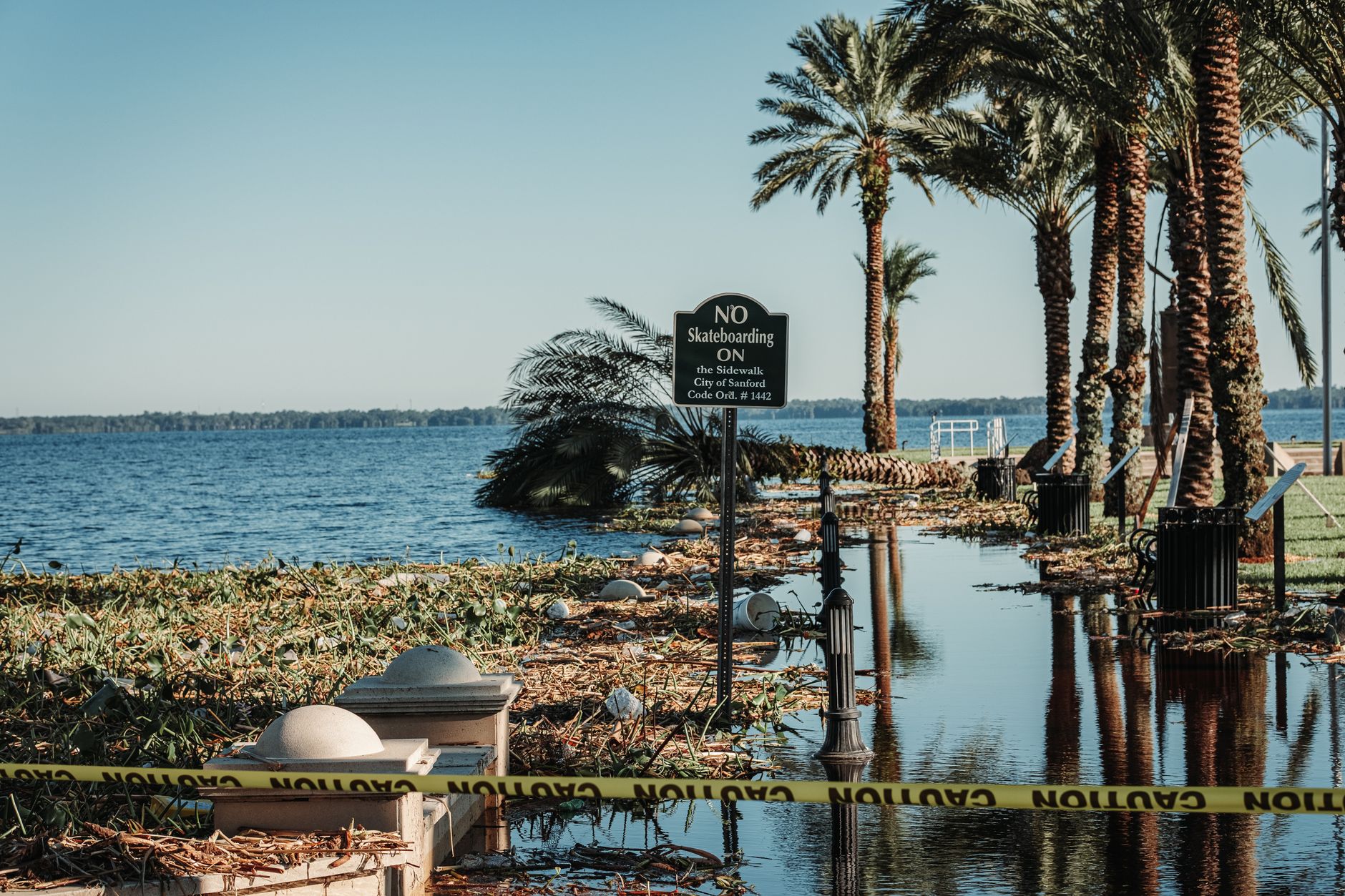
- The storm is unleashing torrential rainfall, with forecasts indicating several inches of accumulation that could lead to widespread flash flooding. This heavy precipitation poses a severe risk to infrastructure and low-lying areas, necessitating immediate flood preparedness measures.
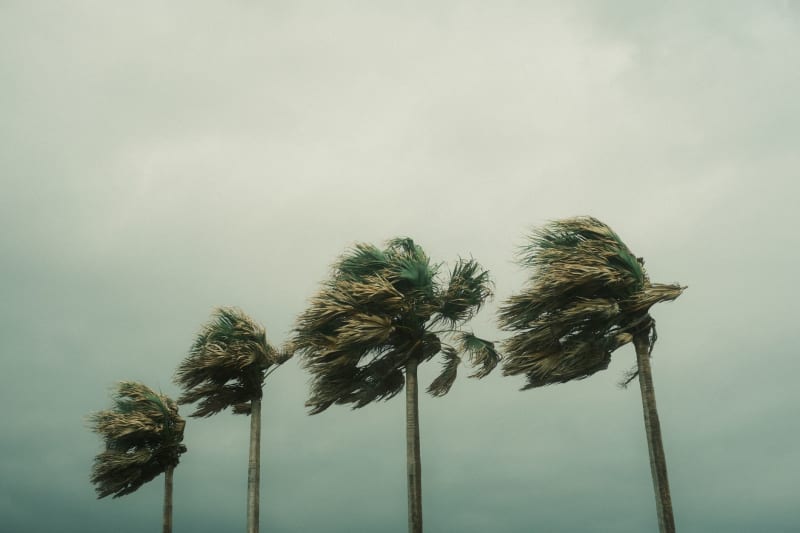
- Sustained tropical storm-force winds are lashing the Gulf Coast, capable of causing power outages, downing trees, and damaging property. Residents are advised to secure loose outdoor items and be prepared for potential disruptions to essential services.
- A dangerous storm surge is impacting coastal areas, with water levels expected to rise significantly above normal tide. This surge presents a life-threatening hazard, particularly for those in evacuation zones, and underscores the urgency of heeding official warnings.
- Emergency declarations are in effect across multiple parishes, mobilizing state and local resources for response and recovery efforts. These declarations are crucial for streamlining aid and ensuring a coordinated approach to the unfolding crisis.
- Evacuation orders have been issued for certain vulnerable coastal communities, urging residents to move to higher ground or designated shelters. Compliance with these orders is paramount for personal safety and to minimize potential casualties from the storm's impact.
The Human Face
For the residents of southeast Louisiana and the broader Gulf Coast, the arrival of Tropical Storm Bertha is more than just a weather event; it's a profound disruption to daily life, a test of resilience, and a stark reminder of nature's formidable power. Families are now grappling with the immediate challenges of securing their homes, ensuring the safety of their loved ones, and preparing for the aftermath. The anxiety is palpable, as many recall past hurricane seasons and the long, arduous recovery processes that followed. This isn't just about property damage; it's about the emotional toll, the uncertainty of what comes next, and the collective spirit of communities facing down an imminent threat.
Small businesses, already navigating a complex economic landscape, face the daunting prospect of closures, potential damage, and lost revenue. Fishermen, shrimpers, and those dependent on coastal industries watch helplessly as their livelihoods are directly threatened by the storm's fury. The agricultural sector, a cornerstone of the regional economy, is also at risk, with crops vulnerable to inundation and high winds. The ripple effects of such a storm extend far beyond the immediate impact zone, affecting supply chains and the broader economic stability of the state, highlighting the interconnectedness of human activity and environmental forces.
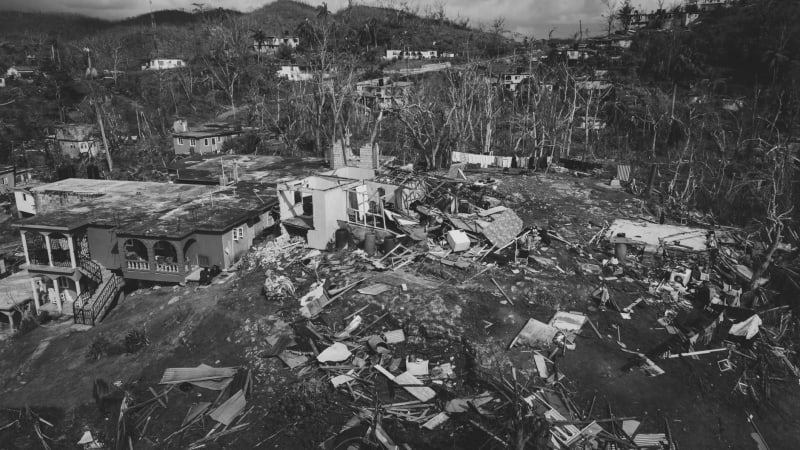
Beyond the immediate dangers, the storm's aftermath will bring a new set of challenges: power outages that can last for days, impassable roads, and the potential for contaminated water supplies. Vulnerable populations, including the elderly, those with medical conditions, and low-income families, are disproportionately affected, often lacking the resources to evacuate or adequately prepare. The human face of this storm is one of shared vulnerability, but also of remarkable community spirit, as neighbors prepare to assist neighbors, and emergency responders stand ready to provide critical aid. The true measure of the region's strength will be seen in how it collectively navigates these trying times and begins the inevitable process of recovery and rebuilding.
How We Got Here
Tropical Storm Bertha's genesis can be traced back to a persistent area of low pressure that developed over the southwestern Gulf of Mexico. This system slowly organized over several days, drawing energy from the warm Gulf waters, which are currently experiencing above-average temperatures. The atmospheric conditions, characterized by low wind shear, proved conducive for intensification, allowing the nascent disturbance to consolidate its circulation and develop into a tropical depression. Forecasters at the National Hurricane Center had been monitoring this system closely, issuing advisories and increasing the probability of tropical cyclone formation as its structure became more defined and its potential threat grew.
As the system continued its northward trajectory, it officially strengthened into Tropical Storm Bertha, prompting the issuance of tropical storm warnings for significant portions of the Louisiana and Mississippi coasts. The rapid intensification, though not extreme, underscored the volatile nature of tropical systems in the Gulf. This progression from a disorganized low-pressure area to a named storm on a direct collision course with the coast highlights the dynamic interplay of oceanic and atmospheric factors. The relatively quick development left some coastal communities with limited time for extensive preparations, emphasizing the need for constant vigilance during hurricane season and robust emergency planning.
The landfall in southeast Louisiana was anticipated, with models consistently pointing to this region as the most likely impact zone. This predictability allowed for some level of preparation, including the activation of emergency operations centers and the pre-positioning of resources. However, the exact timing and intensity of landfall always carry a degree of uncertainty, making real-time monitoring and rapid response crucial. The history of the Gulf Coast is replete with powerful storms, and each new system serves as a stark reminder of the region's inherent vulnerability to tropical cyclones, necessitating continuous investment in infrastructure, early warning systems, and community resilience programs.
Why This Cannot Be Ignored
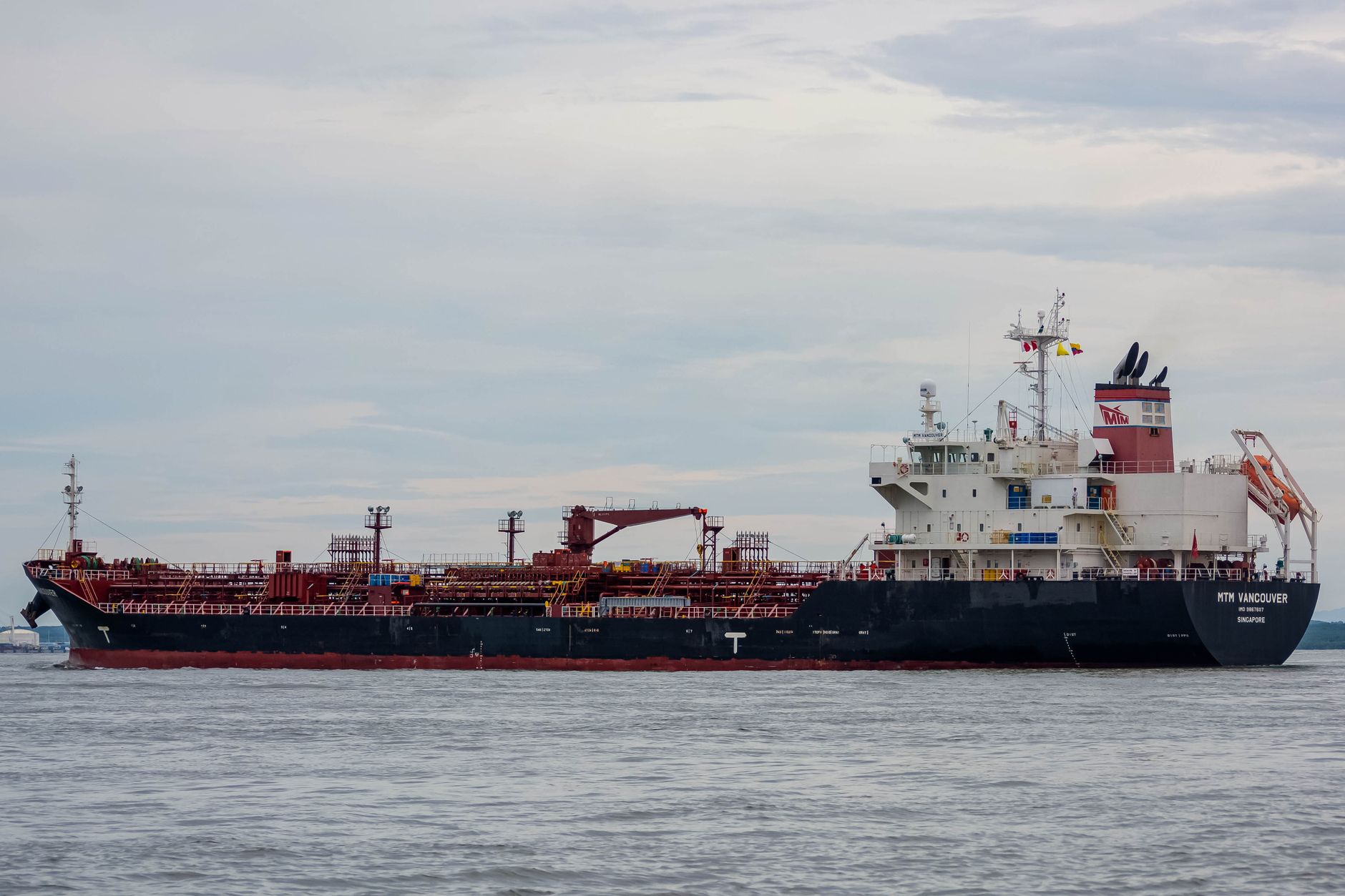
The landfall of Tropical Storm Bertha cannot be ignored due to its immediate and potentially long-lasting impacts on a densely populated and economically vital region. Beyond the obvious threats of flooding and wind damage, the storm poses significant risks to critical infrastructure, including oil and gas operations, port facilities, and transportation networks. Disruptions to these sectors can have cascading effects, impacting national energy supplies, global trade, and the livelihoods of countless individuals. The Gulf Coast is a strategic hub, and any severe weather event here reverberates far beyond state lines, underscoring the national importance of robust disaster preparedness and response.
Furthermore, the environmental consequences of such a storm are substantial. Heavy rainfall can lead to agricultural losses, while storm surge can inundate delicate coastal ecosystems, impacting wetlands, fisheries, and wildlife habitats. There's also the persistent concern of potential industrial spills from chemical plants and refineries located along the coast, which could exacerbate environmental damage and pose serious public health risks. The long-term ecological recovery from these events often takes years, fundamentally altering the natural landscape and the delicate balance of these vital ecosystems, making the storm's impact a critical environmental concern.
Finally, the human cost, both immediate and protracted, demands our attention. While initial focus is on saving lives and providing immediate relief, the recovery process is often arduous and expensive. Homes are destroyed, communities are displaced, and the mental health toll on survivors can be immense. The economic burden of rebuilding, coupled with the strain on emergency services and healthcare systems, highlights the multifaceted challenges posed by tropical storms. Ignoring these events means overlooking the vulnerability of our communities, the fragility of our infrastructure, and the imperative to adapt to a changing climate that may bring more frequent and intense weather phenomena.
Possible Paths Forward
In the immediate aftermath of Tropical Storm Bertha, the primary path forward involves swift and coordinated emergency response and recovery efforts. This includes search and rescue operations, providing shelter and essential supplies to displaced residents, and rapidly restoring critical infrastructure like power and communication networks. State and federal agencies, alongside local first responders, must collaborate seamlessly to assess damage, clear debris, and ensure public safety. This phase is crucial for minimizing casualties and mitigating the immediate suffering of affected communities, laying the groundwork for more sustained recovery initiatives in the weeks and months to come. The efficiency of this initial response will significantly influence the overall resilience and recovery trajectory of the impacted areas.
Looking beyond the immediate crisis, a critical path forward involves a comprehensive review and enhancement of coastal resilience strategies. This includes investing in robust flood protection systems, such as improved levees and drainage infrastructure, and promoting sustainable land-use planning that accounts for rising sea levels and increased storm intensity. Furthermore, incentivizing homeowners and businesses to adopt mitigation measures, like elevating structures and fortifying buildings, can significantly reduce future damage. These proactive measures, though costly, are essential for breaking the cycle of repeated destruction and rebuilding, fostering long-term sustainability for vulnerable coastal communities.
Another vital path forward centers on strengthening community preparedness and public awareness campaigns. This entails educating residents about evacuation routes, emergency kits, and the importance of heeding official warnings. Leveraging technology for more effective early warning systems and real-time information dissemination can empower individuals to make timely and informed decisions. Moreover, fostering a culture of preparedness, where every household understands its role in disaster mitigation, can significantly enhance overall community resilience. This holistic approach, combining infrastructure improvements with community engagement, is paramount for adapting to the evolving threats posed by a changing climate and ensuring the long-term viability of the Gulf Coast region.
Questions People Are Actually Asking
What to Watch
- The trajectory and weakening rate of Tropical Storm Bertha as it moves inland, which will determine the extent of rainfall and wind impacts across a broader region. Even as it weakens, heavy rain can continue to be a significant threat.
- The ongoing flood situation, particularly in low-lying areas and along rivers and bayous, where water levels could continue to rise even after the storm's center has passed. Flash flood warnings will be critical to monitor.
- The status of power outages and the speed of restoration efforts across affected parishes. Widespread outages can severely impact recovery and communication, making this a key indicator of the storm's disruption.
- Any potential for isolated tornadoes within the storm's outer bands, which can cause localized, intense damage even in areas not directly in the path of the storm's center. These can develop rapidly and pose an immediate threat.
- The impact on critical infrastructure, including oil and gas facilities, port operations, and major transportation routes, which could have broader economic implications. Monitoring these will show the storm's economic ripple effects.
- The coordinated response and recovery efforts by federal, state, and local agencies, including the deployment of resources and the establishment of aid distribution centers. The effectiveness of this coordination will be vital for affected communities.










Comments
No comments yet. Be the first to comment!