
At a Glance
- The Houthi movement has formally declared an unprecedented blockade on Saudi Arabia's oil exports, escalating regional tensions to a critical new level.
- This declaration directly targets the heart of global energy supply, threatening vital shipping lanes and potentially disrupting a significant portion of the world's crude oil flow.
- Saudi Arabia, as the world's largest oil exporter and a linchpin of global energy security, faces an immediate and severe challenge to its economic stability and international trade.
- The global economy is on high alert, with analysts predicting potential spikes in oil prices, increased shipping costs, and a ripple effect across various industries dependent on stable energy markets.
- International diplomatic efforts are intensifying to de-escalate the situation, as the potential for military confrontation in critical maritime chokepoints looms large.
- The move underscores the Houthis' growing capability and willingness to project power beyond Yemen's borders, challenging regional and international security frameworks.
The Record
The Houthi movement, officially known as Ansar Allah, emerged in the 1990s in northern Yemen, advocating for the rights of the Zaidi Shia minority and opposing what they perceived as corruption and Saudi influence in Yemen. Their rise to prominence accelerated following the 2011 Arab Spring uprisings, culminating in their takeover of the capital, Sana'a, in 2014. This action triggered a Saudi-led military intervention in March 2015, aiming to restore the internationally recognized government of President Abdrabbuh Mansur Hadi. The conflict has since devolved into a devastating humanitarian crisis, with millions facing famine and displacement, and has become a proxy battleground for regional powers.
Over the years, the Houthis have demonstrated an increasing capacity to launch sophisticated drone and missile attacks targeting Saudi Arabian infrastructure, including oil facilities and airports. These attacks, often claimed as retaliation for the Saudi-led coalition's air strikes, have steadily grown in frequency and precision. The targeting of critical oil infrastructure, such as the Abqaiq and Khurais oil processing facilities in 2019, showcased their ability to inflict significant damage and disrupt global energy supplies, even if temporarily. This history of escalating attacks laid the groundwork for the current, more explicit threat of a blockade.
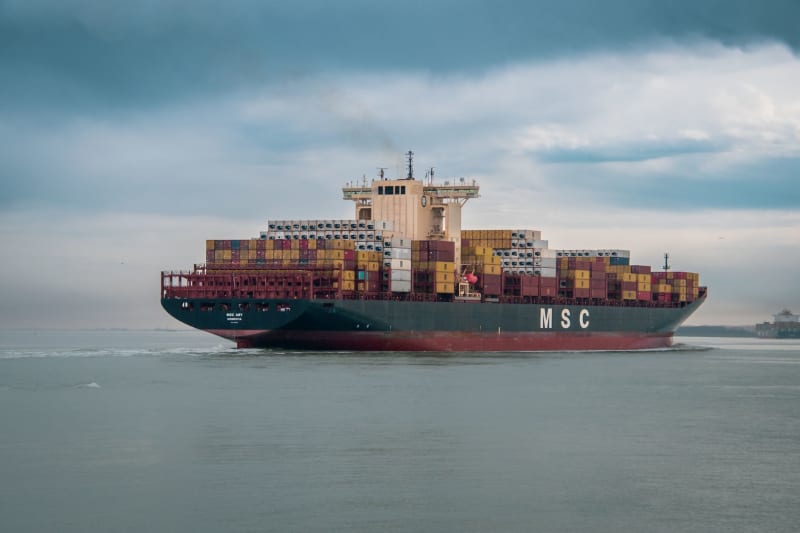
The declaration of a blockade on Saudi oil exports marks a significant escalation from previous attacks. While past incidents involved specific targets, a blockade implies a broader, more sustained effort to impede maritime traffic in key waterways like the Bab el-Mandeb strait or even the Persian Gulf. Such an action directly challenges international shipping laws and could be interpreted as an act of war, inviting a robust response from Saudi Arabia and potentially its international allies. This move fundamentally alters the risk calculus for all parties involved, pushing the conflict into an uncharted and perilous new phase with far-reaching global implications.
Who Knew and When
For months, intelligence agencies and regional analysts have consistently warned about the Houthis' expanding military capabilities and their stated intent to target Saudi economic interests. Reports from various think tanks and security briefings indicated a clear trajectory towards more aggressive actions, particularly in response to perceived setbacks in peace negotiations or intensified coalition military operations. These warnings often highlighted the increasing sophistication of Houthi drone and missile technology, believed to be supplied or supported by external actors, which significantly enhanced their ability to project power beyond Yemen's immediate borders.
Specific intelligence assessments, some dating back over a year, detailed the Houthis' strategic focus on Saudi oil infrastructure and maritime routes. These reports outlined scenarios where the movement might attempt to disrupt shipping in the Red Sea, a critical artery for global trade, as a means of exerting maximum pressure on Riyadh and its allies. While the exact timing of a formal blockade declaration remained uncertain, the underlying intent and the means to execute such a threat were increasingly evident to those monitoring the conflict closely. The international community, therefore, cannot claim to be entirely surprised by this latest escalation.
Despite these persistent warnings, the international response has largely been reactive rather than preemptive. While diplomatic efforts have been ongoing, they have largely failed to curb the Houthis' aggressive posture or to compel a lasting ceasefire. The current blockade threat underscores a critical failure in anticipating and effectively mitigating the risks posed by a protracted and escalating conflict. Had more decisive and unified international pressure been applied earlier, perhaps this dangerous new phase could have been averted. Now, the world faces a direct challenge to global energy security that was, in many ways, foreseeable.
Voices from the Ground
In Yemen, the announcement of the blockade has been met with a mix of defiance and despair. Many Houthi supporters view it as a necessary, albeit risky, measure to pressure Saudi Arabia into ending its military intervention and lifting the existing blockade on Yemen. "We have suffered for too long," stated Ahmed, a resident of Sana'a. "If they cut off our food and medicine, we will cut off their oil. It is a matter of survival." This sentiment reflects a deep-seated frustration with the humanitarian crisis and a belief that extreme measures are the only way to force a change in the status quo, even if it brings further hardship.
Conversely, civilians in areas controlled by the internationally recognized government, and those already struggling under dire conditions, express profound fear. "This will only make things worse for us," lamented Fatima, a mother of four in Aden. "Oil prices will go up everywhere, and that means everything else will too. We are already starving; how much more can we take?" Her words highlight the immediate and devastating impact such an escalation could have on ordinary Yemenis, who have borne the brunt of a conflict they did not choose and cannot escape. The prospect of further economic destabilization is terrifying for a population already at breaking point.
International aid organizations operating in Yemen have issued urgent pleas for de-escalation, warning that any disruption to global trade, particularly oil, will inevitably exacerbate the already catastrophic humanitarian situation. "The people of Yemen are on the brink," stated a spokesperson for a leading NGO. "Any action that further destabilizes the region or increases the cost of essential goods will push millions over the edge into famine and disease. We implore all parties to prioritize civilian lives and seek a peaceful resolution." These voices from the ground underscore the devastating human cost of geopolitical maneuvering and the desperate need for a return to diplomacy.
The Debate
The declaration of a Houthi blockade on Saudi oil has ignited a fierce debate among international relations experts and policymakers regarding its legality, feasibility, and potential ramifications. One school of thought argues that such a blockade, if effectively implemented, constitutes an act of piracy and a clear violation of international maritime law, warranting a robust military response from affected nations and the international community. Proponents of this view emphasize the imperative to protect freedom of navigation in critical waterways and to deter non-state actors from disrupting global commerce, suggesting that a failure to act decisively could set a dangerous precedent.
Conversely, other analysts caution against an immediate military escalation, warning that a direct confrontation with the Houthis over a blockade could spiral into a wider regional conflict with unpredictable and devastating consequences. They argue that a military response might be perceived as further aggression against Yemen, potentially galvanizing more support for the Houthis and drawing in other regional powers. This perspective advocates for a diplomatic solution, possibly involving renewed peace talks, international mediation, and addressing the underlying humanitarian crisis in Yemen, which many believe fuels the Houthis' actions. They suggest that a military solution alone would be short-sighted and ultimately ineffective.
A third viewpoint focuses on the economic implications, debating the actual capacity of the Houthis to enforce a comprehensive blockade against a major global oil exporter like Saudi Arabia. While acknowledging the Houthis' ability to launch targeted attacks, some experts question their naval capabilities to sustain a broad interdiction of shipping. However, even a perceived threat or sporadic attacks could significantly increase insurance premiums for shipping, drive up oil prices due to market uncertainty, and force rerouting of vessels, thereby achieving a de facto economic disruption without a full-scale naval blockade. This perspective highlights that the psychological and economic impact might be as significant as any physical enforcement, creating a complex challenge that requires a multifaceted response beyond purely military or diplomatic options.
Your Questions Answered
What Accountability Looks Like
Ensuring accountability in the face of the Houthi blockade threat necessitates a multi-pronged approach that extends beyond immediate military responses. First, there must be a clear and unified international condemnation of any actions that violate international maritime law and threaten global energy security. This includes identifying and sanctioning any state or non-state actors found to be providing material support to the Houthis that enables such disruptive capabilities. The principle of holding those who threaten international peace and stability accountable is paramount, and this requires robust intelligence sharing and coordinated diplomatic pressure to isolate the perpetrators.
Secondly, accountability must also address the humanitarian crisis in Yemen, which is often cited by the Houthis as justification for their actions. While no grievance justifies targeting civilian shipping or global energy supplies, a failure to alleviate the suffering of the Yemeni people undermines any moral authority to demand restraint. Therefore, sustained and increased humanitarian aid, coupled with genuine efforts to achieve a lasting political settlement, are crucial components of a comprehensive accountability framework. This means holding all parties to the conflict, including the Saudi-led coalition, accountable for their adherence to international humanitarian law and their commitment to peace negotiations.
Finally, long-term accountability requires strengthening international mechanisms for conflict resolution and maritime security. This includes bolstering the capacity of international bodies to monitor and respond to threats in critical waterways, and fostering regional dialogue to de-escalate tensions before they reach crisis levels. Ultimately, true accountability means not only punishing those who transgress but also creating an environment where such transgressions are less likely to occur. This involves addressing root causes of conflict, promoting inclusive governance, and ensuring that all actors understand the severe consequences of disrupting global peace and economic stability. A reactive approach alone will not suffice; a proactive, preventative strategy is essential.














Comments
No comments yet. Be the first to comment!