
The Numbers
- A staggering nine individuals have tragically lost their lives as a direct consequence of the recent drone attacks, underscoring the lethal effectiveness of these strikes.
- Over 80 people sustained injuries across various regions, with many requiring urgent medical attention for blast trauma, shrapnel wounds, and burns, highlighting the widespread human toll.
- At least six distinct regions within Russia were targeted in a coordinated series of drone assaults, demonstrating Ukraine's expanding operational reach and strategic intent.
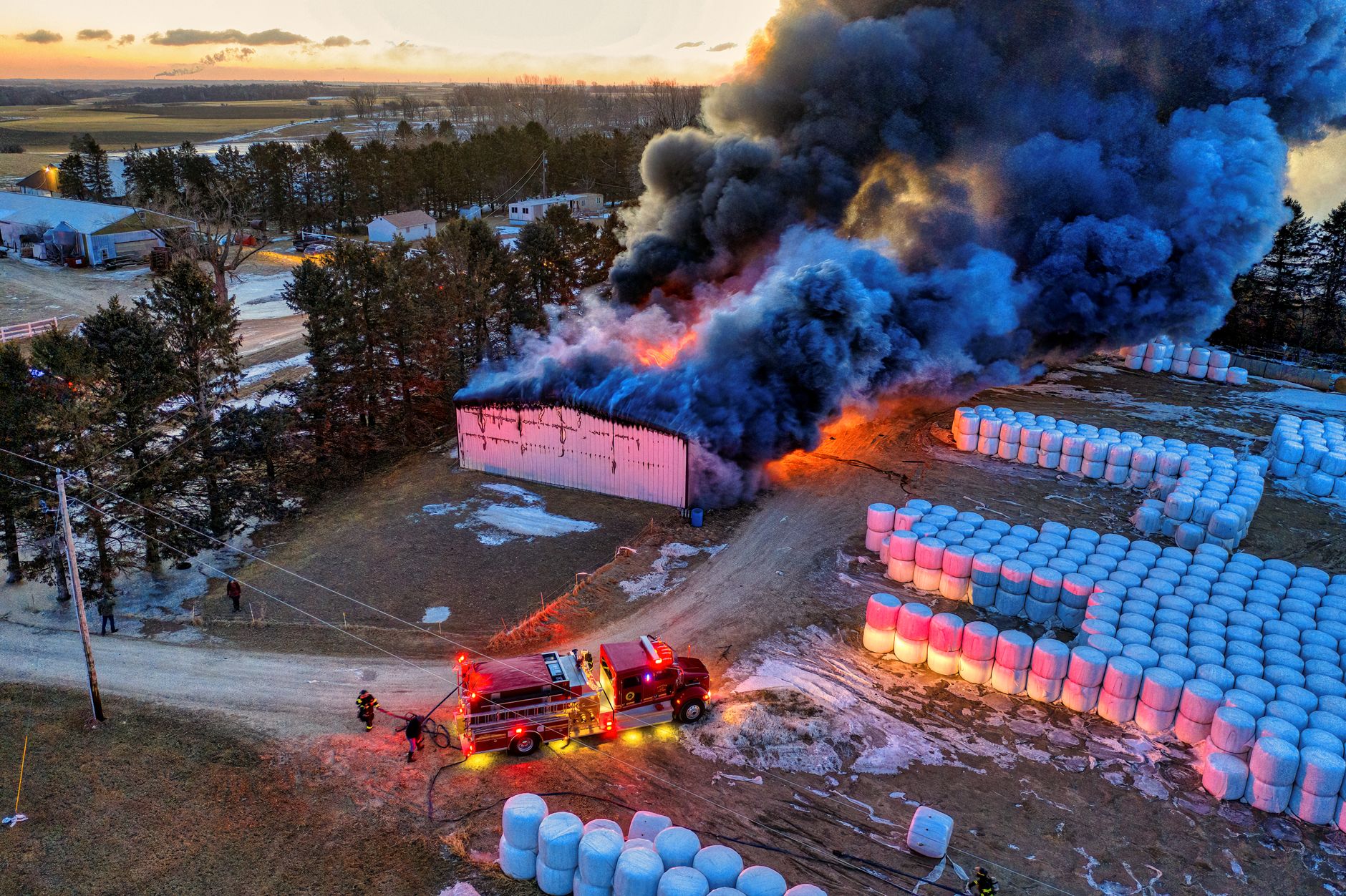
- Significant damage was reported to multiple warehouses, likely disrupting supply chains and logistics crucial for both civilian and military operations within the affected areas.
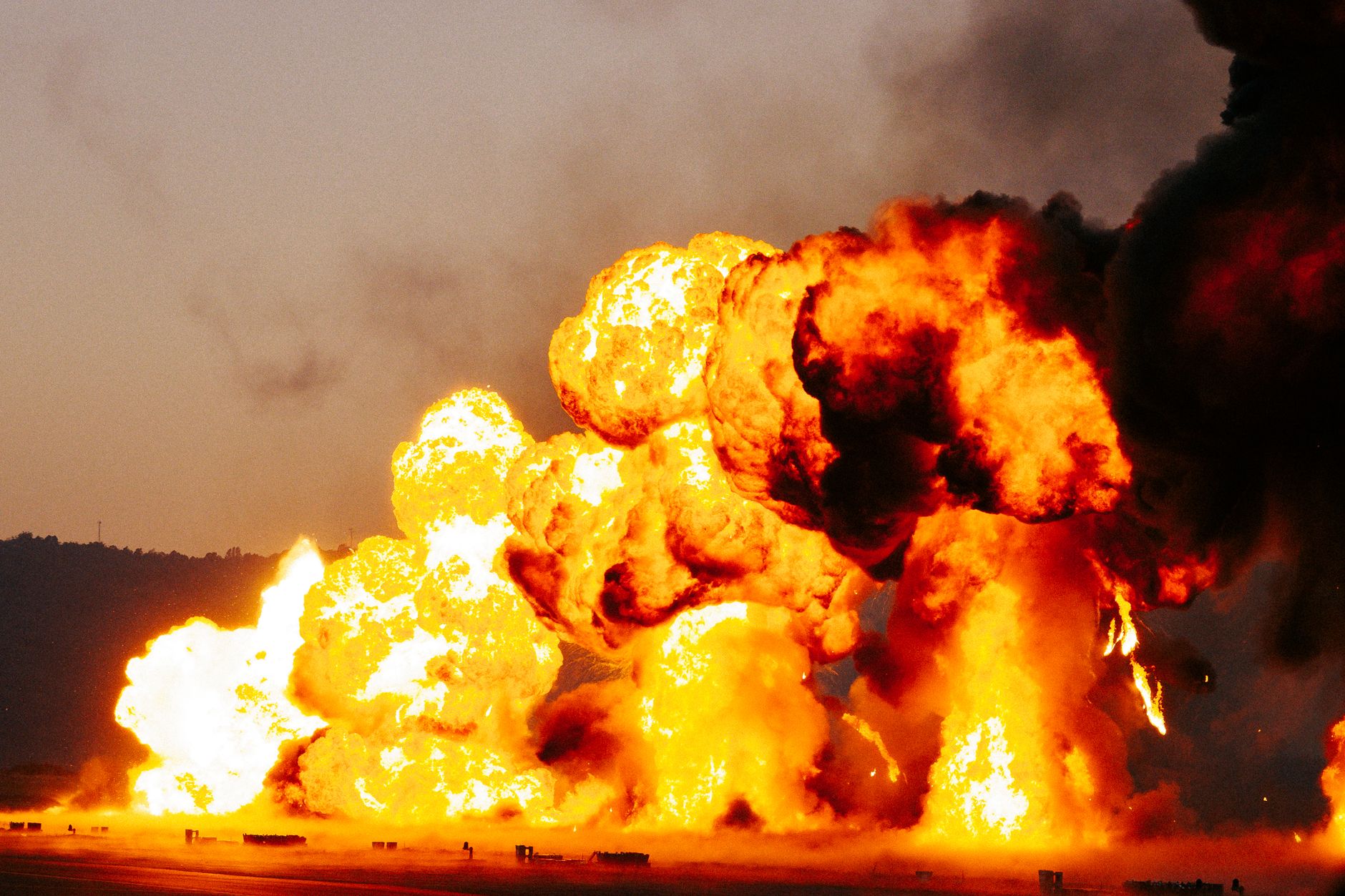
- Critical infrastructure, including energy facilities and industrial sites, bore the brunt of several strikes, raising concerns about potential long-term economic and operational impacts.
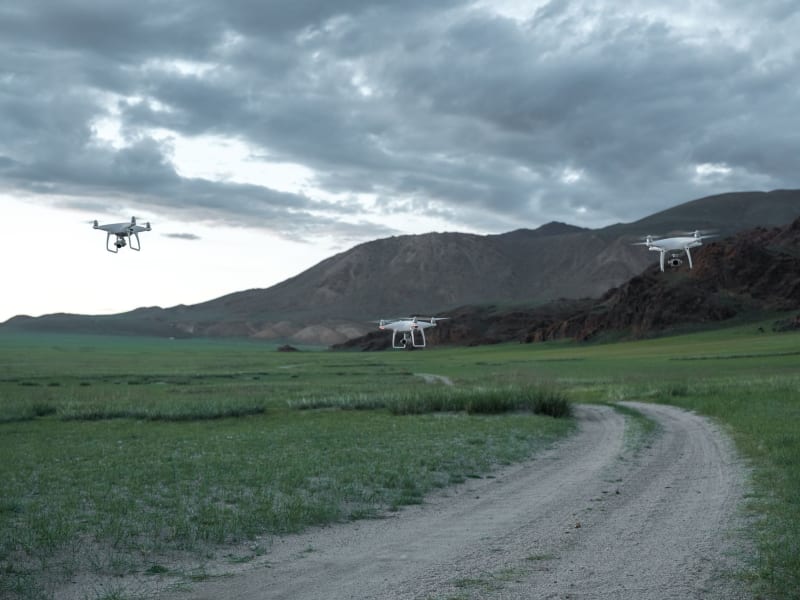
- The sheer volume of drones employed in these synchronized attacks represents a notable escalation in the conflict, indicating a sophisticated and well-planned offensive strategy by Ukrainian forces.
Context Check
The recent surge in Ukrainian drone attacks deep within Russian territory marks a significant and concerning escalation in the ongoing conflict. These strikes are not isolated incidents but rather part of a broader, increasingly sophisticated strategy by Kyiv to disrupt Russian logistics, military capabilities, and public morale. By targeting vital infrastructure such as warehouses, energy facilities, and industrial complexes, Ukraine aims to impose a tangible cost on Russia, forcing Moscow to divert resources to homeland defense and potentially undermine its war effort. This tactical shift suggests a deliberate effort to extend the battlefield beyond the immediate front lines, creating new vulnerabilities for Russia.
This wave of attacks also serves as a potent psychological weapon, demonstrating Ukraine's capacity to strike at the heart of Russia and challenging the Kremlin's narrative of an impenetrable defense. The widespread nature of the strikes, affecting multiple regions simultaneously, indicates a level of coordination and technological advancement that was less apparent in earlier phases of the conflict. Such actions are designed to sow unease among the Russian populace and pressure the government to re-evaluate its strategic approach. The international community is closely watching these developments, as they could significantly alter the dynamics of the war and potentially lead to further retaliatory measures.
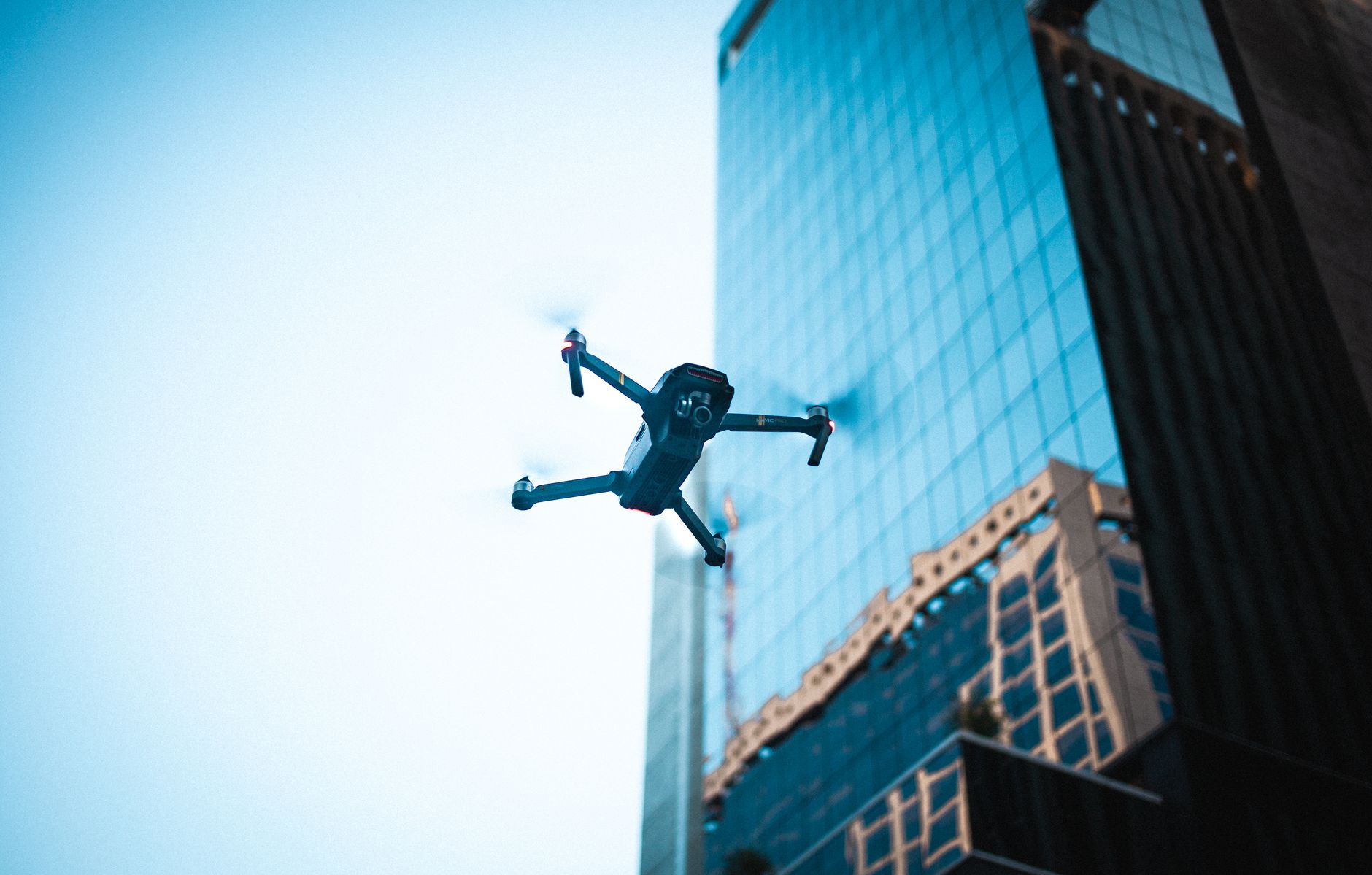
Furthermore, these drone operations reflect Ukraine's innovative adaptation to the challenges of asymmetric warfare, leveraging relatively inexpensive unmanned aerial vehicles to inflict disproportionate damage on more robust and expensive Russian targets. This approach is particularly effective against a larger adversary, allowing Ukraine to project power and maintain pressure despite resource disparities. The precision and reach of these drones suggest ongoing advancements in Ukrainian military technology and intelligence gathering, which are critical for sustaining their defense and offense. The implications for future military engagements and the role of drone warfare are profound, setting new precedents for modern conflict.
Background
The conflict between Ukraine and Russia has been characterized by a relentless struggle for dominance, with both sides employing a range of conventional and unconventional tactics. From the initial full-scale invasion in February 2022, the war has evolved from rapid ground maneuvers to a protracted conflict of attrition, with significant emphasis on artillery duels, trench warfare, and increasingly, long-range strikes. Ukraine, initially outmatched in conventional military hardware, has consistently sought innovative ways to counter Russia's numerical and material superiority. The development and deployment of indigenous drone technology have been a cornerstone of this adaptive strategy, allowing Kyiv to project force beyond its immediate borders and target Russian assets deep within its territory.
Early Ukrainian drone attacks were often limited in scope and reach, primarily targeting border regions or military installations close to the front lines. However, over the past year, there has been a noticeable and alarming progression in both the frequency and sophistication of these operations. Ukrainian forces have demonstrated an enhanced capability to penetrate Russian airspace, overcome air defenses, and strike targets hundreds of kilometers from the border. This evolution is partly attributed to international support, which has provided Ukraine with advanced components and technical expertise, alongside significant domestic innovation in drone design and operational tactics. The shift towards targeting critical civilian and military infrastructure reflects a strategic decision to escalate pressure on Russia.
This current wave of deep-strike drone attacks is a direct continuation of Ukraine's evolving strategy to disrupt Russian logistical networks, military supply lines, and industrial capacity. Previous attacks have targeted oil refineries, airfields, and even the Kremlin itself, albeit with varying degrees of success and impact. The consistent targeting of warehouses and other logistical hubs in this latest series of strikes indicates a focused effort to cripple Russia's ability to sustain its forces on the front lines and to process and store vital supplies. This sustained campaign is designed to create a cumulative effect, gradually degrading Russia's war-fighting capabilities and imposing a significant economic burden, thereby influencing the broader trajectory of the conflict.
Winners and Losers
In the immediate aftermath of these drone strikes, Ukraine can be seen as gaining a tactical advantage, at least in terms of demonstrating its reach and capability. The ability to strike deep into Russian territory, inflicting casualties and damaging critical infrastructure, serves as a significant morale booster for Ukrainian forces and its populace. It also sends a clear message to Russia that its homeland is not immune to the consequences of the ongoing conflict, potentially forcing Moscow to reallocate air defense assets from the front lines to protect its interior. This could, in turn, create windows of opportunity for Ukrainian forces on the battlefield. Furthermore, the strikes disrupt Russian supply chains and logistics, which are vital for sustaining its military operations, thereby weakening its overall war effort.
Conversely, Russia undeniably emerges as a significant loser in these latest developments. The human toll of nine dead and over eighty wounded is a tragic loss, and the damage to warehouses and other sites represents a tangible economic and operational setback. More critically, the strikes expose significant vulnerabilities in Russia's air defense systems, particularly in regions far from the front lines that were previously considered secure. This failure to adequately protect its own territory undermines the Kremlin's narrative of strength and control, potentially eroding public confidence and creating domestic discontent. The need to repair damaged infrastructure and bolster defenses will also divert resources that could otherwise be used for offensive operations.
The international community, particularly Western allies supporting Ukraine, finds itself in a complex position. While these strikes demonstrate Ukraine's resilience and innovative approach to defense, they also carry the inherent risk of further escalation. The potential for Russia to respond with even more destructive retaliatory measures against Ukrainian cities or infrastructure remains a serious concern, creating a precarious balance. For neutral parties, the increasing civilian casualties and damage to infrastructure on both sides highlight the brutal and destructive nature of this prolonged conflict, reinforcing calls for a peaceful resolution, however distant that may seem. The global energy markets and supply chains also face potential disruptions if critical infrastructure continues to be targeted, impacting economies far beyond the immediate conflict zone.
Analyst Perspectives
Military analysts widely interpret the latest wave of Ukrainian drone attacks as a strategic shift designed to broaden the scope of the conflict and exert greater pressure on Russia. Dr. Evelyn Farkas, a former Deputy Assistant Secretary of Defense for Russia, Ukraine, and Eurasia, suggests that these strikes are a clear indication of Ukraine's evolving asymmetric warfare capabilities. "Kyiv is demonstrating its ability to hit targets deep within Russia, forcing Moscow to divert critical air defense assets away from the front lines," she states. "This creates a dilemma for the Kremlin: protect its interior or reinforce its forces in Ukraine. It's a calculated move to stretch Russian resources and create new vulnerabilities." This perspective underscores the strategic intent behind the seemingly disparate attacks.
Intelligence experts, such as former MI6 chief Sir Alex Younger, emphasize the psychological impact of these deep strikes. "These attacks are not just about physical damage; they are about eroding the Russian public's sense of security and challenging the state's narrative of control," Younger notes. "When targets hundreds of kilometers from the border are hit, it sends a powerful message that no part of Russia is truly safe from the conflict it initiated." This psychological warfare component is crucial for Ukraine, aiming to destabilize domestic support for the war and potentially foster dissent within Russia. The widespread nature of the attacks amplifies this psychological effect, making it difficult for Russian authorities to downplay their significance.
Economists and geopolitical strategists, like Dr. Fiona Hill from the Brookings Institution, also highlight the economic implications. "Targeting warehouses and industrial sites directly impacts Russia's logistical capacity and economic stability," Hill explains. "While individual strikes might seem minor, their cumulative effect can disrupt supply chains, increase insurance costs, and deter foreign investment, thereby weakening Russia's long-term ability to sustain its war effort." This economic pressure, combined with existing international sanctions, aims to make the cost of the war increasingly unsustainable for Russia. The sustained nature of these attacks suggests a long-term strategy to degrade Russia's economic foundation, rather than just seeking immediate military gains.
Key Questions Explained
The Outlook
The immediate outlook suggests a continued and potentially intensified campaign of Ukrainian drone strikes deep within Russian territory. Kyiv has demonstrated both the capability and the strategic resolve to sustain these operations, viewing them as a vital component of its defense against Russian aggression. As long as the conflict persists, Ukraine will likely seek to maximize pressure on Russia by targeting vulnerable logistical, industrial, and military assets. This will force Russia to continually adapt its air defenses and potentially divert resources from its offensive operations in Ukraine, creating a dynamic and unpredictable battlefield that extends far beyond the traditional front lines. The frequency and sophistication of these attacks are expected to evolve as both sides innovate their tactics and countermeasures.
Looking ahead, the long-term implications of this escalating drone warfare are profound. For Russia, the sustained threat to its interior will necessitate significant investments in air defense infrastructure and a re-evaluation of its homeland security strategy. This could strain its already embattled economy and potentially lead to increased domestic discontent if the state is perceived as unable to protect its citizens and assets. For Ukraine, the success of these drone operations will be crucial for maintaining international support and demonstrating its capacity to inflict costs on Russia, even as it faces challenges on the conventional battlefield. The development of advanced drone technology and counter-drone systems will become a critical arms race within the broader conflict.
The international community will remain on high alert, closely monitoring the potential for further escalation. While many Western nations support Ukraine's right to self-defense, there is an underlying concern about the conflict spiraling out of control, particularly if critical infrastructure or civilian areas are repeatedly targeted with severe consequences. Diplomatic efforts to de-escalate will likely continue, but the current trajectory suggests that both sides are committed to their respective strategies. The future of the conflict will undoubtedly be shaped by the ongoing cat-and-mouse game between Ukrainian drone operators and Russian air defenders, with each successful strike and interception influencing the next phase of this brutal and evolving war.













Comments
No comments yet. Be the first to comment!