

At a Glance
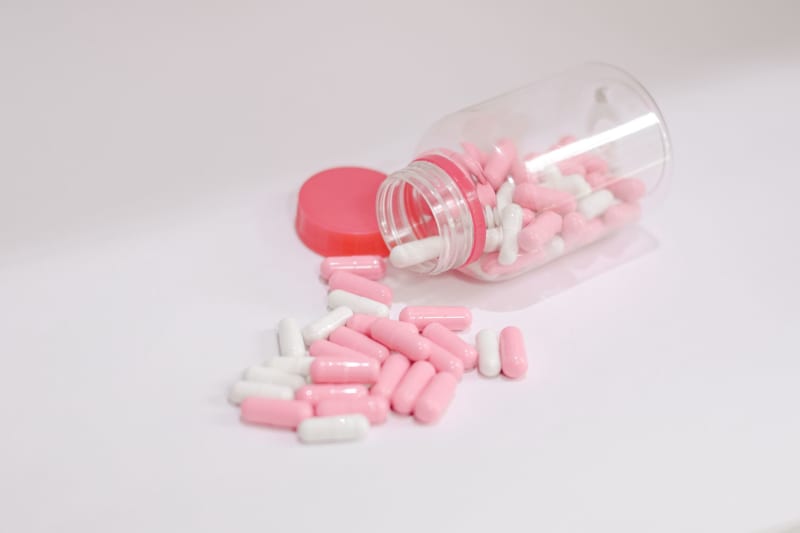
- The FDA has officially approved the first-ever oral PCSK9 inhibitor, marking a pivotal moment in the management of high LDL cholesterol, offering a convenient alternative to injectable therapies.
- This novel medication is specifically indicated for adults diagnosed with primary hyperlipidemia, including heterozygous familial hypercholesterolemia, who require significant reductions in their 'bad' cholesterol levels.
- Clinical trials have demonstrated remarkable efficacy, showing substantial reductions in LDL-C, often exceeding 50% when used as an adjunct to statin therapy or as monotherapy for statin-intolerant patients.
- The approval represents a significant leap forward for patient accessibility and adherence, as an oral pill is generally preferred over injections for long-term chronic disease management, potentially improving overall treatment outcomes.
- This new therapeutic option is expected to broaden the reach of PCSK9 inhibition, making this highly effective class of drugs available to a wider population who may have been hesitant to use injectable forms.
- Healthcare providers now have an additional powerful tool in their arsenal to combat cardiovascular disease, which remains a leading cause of mortality worldwide, by targeting a critical risk factor: elevated LDL cholesterol.
The Record
The recent FDA approval of the first oral PCSK9 inhibitor represents a monumental shift in the therapeutic landscape for hyperlipidemia. Historically, PCSK9 inhibitors have been administered via subcutaneous injections, a barrier for many patients despite their proven efficacy in drastically lowering LDL cholesterol. This new oral formulation addresses a critical unmet need, offering a more patient-friendly option that could significantly improve adherence rates and, consequently, cardiovascular outcomes. The development underscores a persistent commitment within pharmaceutical research to innovate beyond existing delivery methods, making life-saving treatments more accessible and less burdensome for chronic conditions.
For years, statins have been the cornerstone of cholesterol management, but a significant portion of patients either cannot achieve their target LDL-C levels with statins alone or experience intolerable side effects. Injectable PCSK9 inhibitors emerged as a powerful alternative, but their mode of administration limited their widespread adoption. The introduction of an oral PCSK9 inhibitor is poised to bridge this gap, providing a potent, non-statin option that is both highly effective and convenient. This could lead to a substantial reduction in the incidence of cardiovascular events, such as heart attacks and strokes, by enabling more patients to maintain optimal cholesterol levels.
This approval is not merely about a new drug; it signifies a paradigm shift in how high cholesterol is managed, particularly for those with a high genetic predisposition like heterozygous familial hypercholesterolemia, or those with established atherosclerotic cardiovascular disease. The convenience of an oral pill is expected to empower patients to take a more active role in their treatment, fostering better long-term engagement with their healthcare plans. As the medical community integrates this new therapy, it will be crucial to monitor real-world effectiveness and patient outcomes, ensuring that the promise of this innovation translates into tangible health benefits for the broader population.
Who Knew and When
The journey to an oral PCSK9 inhibitor has been a long and challenging one, with pharmaceutical companies investing heavily in research and development for over a decade. Early insights into the PCSK9 pathway, identified in the early 2000s, quickly revealed its critical role in regulating LDL cholesterol levels. Scientists recognized the immense potential of inhibiting this protein, but developing an oral compound that could effectively block PCSK9 while maintaining bioavailability and safety proved to be a formidable task. Initial efforts focused on injectable monoclonal antibodies, which, while highly effective, presented a significant hurdle for patient compliance and preference.
Clinical trials for this specific oral PCSK9 inhibitor began several years ago, progressing through rigorous phases to demonstrate its safety and efficacy. Researchers meticulously gathered data on its ability to lower LDL-C, its pharmacokinetic profile, and its tolerability in diverse patient populations. The scientific community and lipid specialists have been keenly anticipating this breakthrough, understanding the profound impact an oral option could have on public health. Experts have consistently highlighted the need for more convenient forms of potent cholesterol-lowering therapies, particularly for patients who struggle with injectable medications or who are resistant to or intolerant of statins.
The FDA's decision follows a comprehensive review of extensive clinical data, including large-scale trials that confirmed the drug's robust efficacy and acceptable safety profile. The agency's approval reflects a consensus among regulatory bodies that this new therapeutic class offers a significant advancement over existing treatments. This milestone was widely anticipated by investors and patient advocacy groups alike, who recognized the transformative potential of an oral PCSK9 inhibitor. The drug’s developers have been transparent about their progress, keeping stakeholders informed about key trial milestones and regulatory submissions, building anticipation for this pivotal moment.
Voices from the Ground
For many patients living with high cholesterol, especially those with familial hypercholesterolemia (FH) or a history of cardiovascular events, the news of an oral PCSK9 inhibitor is nothing short of revolutionary. "I've been on statins for years, but my LDL levels never quite hit the mark," shares Maria Rodriguez, a 58-year-old patient with a history of heart attack. "My doctor suggested the injections, but the thought of regular shots was daunting. An oral pill? That changes everything for me. It feels like I finally have a real chance to get my cholesterol under control without the added stress of injections." This sentiment is echoed by countless others who have struggled with the limitations of current treatment options, highlighting the critical need for more convenient and less invasive therapies.
Healthcare providers are also expressing significant optimism. Dr. David Chen, a cardiologist specializing in lipid disorders, notes, "This oral PCSK9 inhibitor is a game-changer for patient adherence. We know that even the most effective medications are useless if patients don't take them consistently. The psychological barrier of self-injecting can be substantial. An oral option removes that barrier, potentially leading to better long-term outcomes for a much broader patient population, including those who previously refused injectable therapies. This innovation will undoubtedly improve our ability to manage high-risk patients more effectively and prevent future cardiovascular events." The medical community sees this as a powerful new tool.
Patient advocacy groups, who have long campaigned for more accessible and patient-friendly treatments, are celebrating this approval. "This is a monumental victory for patients," states Sarah Jenkins, director of the National Heart Health Alliance. "For too long, the burden of managing chronic conditions has fallen heavily on patients, often requiring difficult choices between efficacy and convenience. An oral PCSK9 inhibitor empowers patients with a powerful, easy-to-use option, reducing the psychological and practical hurdles associated with injectable therapies. This will undoubtedly lead to improved quality of life and better health outcomes for thousands, if not millions, of individuals battling high cholesterol." The collective relief and excitement from both patients and clinicians underscore the profound impact this new drug is expected to have.
The Debate
While the approval of an oral PCSK9 inhibitor is widely celebrated, it also sparks important discussions within the medical community and among policymakers, particularly concerning its integration into existing treatment algorithms and its potential cost-effectiveness. One primary point of debate revolves around its positioning relative to established statins and the existing injectable PCSK9 inhibitors. Will it be a first-line therapy for certain high-risk groups, or will it primarily serve as an option for those intolerant to statins or unwilling to use injectables? The clinical guidelines will need to evolve to provide clear recommendations, ensuring optimal patient selection and maximizing the drug's impact.
Another significant area of discussion centers on access and affordability. Injectable PCSK9 inhibitors have historically been very expensive, leading to challenges with insurance coverage and patient out-of-pocket costs. There is considerable apprehension that the oral formulation, despite its convenience, might carry a similarly high price tag, potentially limiting its reach to the patients who need it most. Stakeholders are already beginning to question how pharmaceutical companies, insurers, and healthcare systems will collaborate to ensure this groundbreaking therapy is accessible and affordable, preventing it from becoming an exclusive option for only the wealthiest patients. The balance between innovation and equitable access remains a critical ethical and practical challenge.
Furthermore, the long-term safety profile of an oral PCSK9 inhibitor will be under intense scrutiny. While clinical trials have demonstrated a favorable safety profile, real-world data collected over extended periods will be crucial for fully understanding any rare or long-term adverse effects. Comparisons will inevitably be drawn with the established safety records of injectable PCSK9 inhibitors and statins. The medical community will closely monitor post-marketing surveillance data to ensure that the convenience of an oral pill does not come at the expense of unforeseen risks, fostering a cautious yet optimistic approach to its widespread adoption. This ongoing evaluation is essential for building complete confidence in its long-term use.

Your Questions Answered
What Accountability Looks Like
Ensuring accountability for the successful and equitable rollout of this groundbreaking oral PCSK9 inhibitor will involve multiple stakeholders. First, the pharmaceutical company responsible for its development must be held accountable for transparent pricing strategies that balance innovation with patient accessibility. This includes engaging in constructive dialogues with payers and governments to establish reasonable reimbursement pathways, preventing the drug from becoming an exclusive option for only the most affluent patients. Furthermore, they must continue robust post-marketing surveillance to monitor long-term safety and efficacy in diverse real-world populations, promptly addressing any emerging concerns.
Healthcare providers and professional medical societies also bear significant accountability. They must develop and disseminate clear, evidence-based guidelines for the appropriate use of this new therapy, ensuring it is prescribed to the patients who will benefit most. This involves educating clinicians on its mechanism of action, potential side effects, and optimal integration into existing cholesterol management strategies. Accountability here means preventing off-label use where not warranted and ensuring that the convenience of an oral pill does not overshadow the importance of comprehensive cardiovascular risk assessment and lifestyle modifications.
Finally, regulatory bodies like the FDA, along with insurance providers and policymakers, must ensure that the approval translates into tangible patient benefits. This means actively monitoring market access, scrutinizing pricing practices, and advocating for policies that promote affordability and broad coverage. Accountability for these entities involves ensuring that the healthcare system is prepared to integrate this innovation effectively, removing administrative barriers that could hinder patient access, and continuously evaluating the drug's impact on public health outcomes. The ultimate measure of accountability will be whether this oral PCSK9 inhibitor genuinely improves the lives of millions, not just a select few.

















Comments
No comments yet. Be the first to comment!