
The Story in Brief
- Iran has issued a stark warning, vowing 'severe retaliation' against any nation perceived to be involved in recent destabilizing events, signaling a potentially dangerous shift in regional dynamics and international relations.
- Former President Donald Trump has publicly threatened to strike Iranian nuclear sites, a declaration that significantly escalates an already volatile situation and introduces a new, alarming dimension to the long-standing tensions.
- The current climate is characterized by heightened rhetoric and mutual threats, raising serious concerns among global leaders and analysts about the potential for miscalculation or unintended escalation into a broader conflict.
- These recent pronouncements follow a period of sustained geopolitical friction, including sanctions, proxy conflicts, and accusations of sabotage, all contributing to the current precarious state of affairs in the Middle East.
- International bodies and diplomatic channels are under immense pressure to de-escalate the situation, yet the direct and aggressive nature of the threats makes finding common ground incredibly challenging and fraught with risk.
- The immediate future hinges on whether these threats remain rhetorical or translate into concrete actions, with the global community bracing for potential repercussions that could ripple across energy markets and international security.
The Human Face
Beyond the geopolitical chess game played by nations and their leaders, the specter of conflict casts a long, chilling shadow over the lives of ordinary citizens. In Iran, the constant threat of military action, particularly against nuclear facilities, instills a deep sense of anxiety and uncertainty. Families worry about the safety of their homes, the stability of their livelihoods, and the future of their children. The economic strain from sanctions, exacerbated by the fear of war, already makes daily life incredibly challenging, with essentials becoming scarcer and more expensive. This pervasive fear erodes the sense of security fundamental to human well-being, forcing people to live in a perpetual state of readiness for the worst.
The human cost extends far beyond Iran's borders. Across the Middle East, communities already ravaged by decades of conflict and instability are acutely aware of how quickly regional tensions can ignite into widespread devastation. Refugees and internally displaced persons, who have already lost everything, face the terrifying prospect of another wave of violence. For them, these threats are not abstract political statements but direct harbingers of potential displacement, injury, or even death. The psychological toll on these vulnerable populations, living under the constant shadow of war, is immense and often overlooked in the high-stakes diplomatic exchanges.
Furthermore, the global diaspora, including Iranian communities living abroad, experiences a unique form of distress. They grapple with profound concern for their loved ones back home, feeling helpless as they watch the news unfold from afar. The emotional burden of being separated from family during times of crisis is immense, compounded by the fear that communication lines could be cut or travel made impossible. This situation underscores that international crises are never just about states; they are fundamentally about people, their safety, their homes, and their collective future, all hanging precariously in the balance of political decisions and military posturing.
How We Got Here
The current heightened state of alert is the culmination of decades of complex and often adversarial relations between Iran and the United States, punctuated by periods of intense confrontation and fleeting attempts at diplomacy. A pivotal moment arrived with the 1979 Iranian Revolution, which fundamentally reshaped the geopolitical landscape of the Middle East, transforming Iran from a key U.S. ally into a staunch adversary. This shift led to the severing of diplomatic ties and the beginning of a prolonged period of mistrust, characterized by mutual accusations and proxy conflicts across the region. The hostage crisis at the U.S. embassy in Tehran further cemented this antagonistic relationship, setting a precedent for future interactions.
The development of Iran's nuclear program became a central point of contention in the early 21st century. International concerns mounted over the program's potential military dimensions, leading to a series of stringent sanctions imposed by the UN, the U.S., and European powers. These sanctions aimed to pressure Iran into curbing its nuclear ambitions. A significant, albeit temporary, breakthrough occurred with the 2015 Joint Comprehensive Plan of Action (JCPOA), commonly known as the Iran nuclear deal. This agreement saw Iran limit its nuclear activities in exchange for sanctions relief, offering a glimmer of hope for a more stable future. However, this fragile accord was destined for a turbulent path.
The situation dramatically deteriorated in 2018 when the Trump administration unilaterally withdrew the U.S. from the JCPOA, reimposing and expanding sanctions with a 'maximum pressure' campaign. This move was met with strong condemnation from Iran and many international allies, who viewed it as a dangerous destabilizing action. In response, Iran gradually began to roll back its commitments under the deal, increasing uranium enrichment and installing advanced centrifuges, further fueling international anxieties. This cycle of escalation, characterized by reciprocal actions and increasingly aggressive rhetoric, has now brought us to a perilous juncture where direct threats of military action against nuclear sites are openly discussed, pushing the region to the precipice of a broader, potentially catastrophic conflict.
Why This Cannot Be Ignored
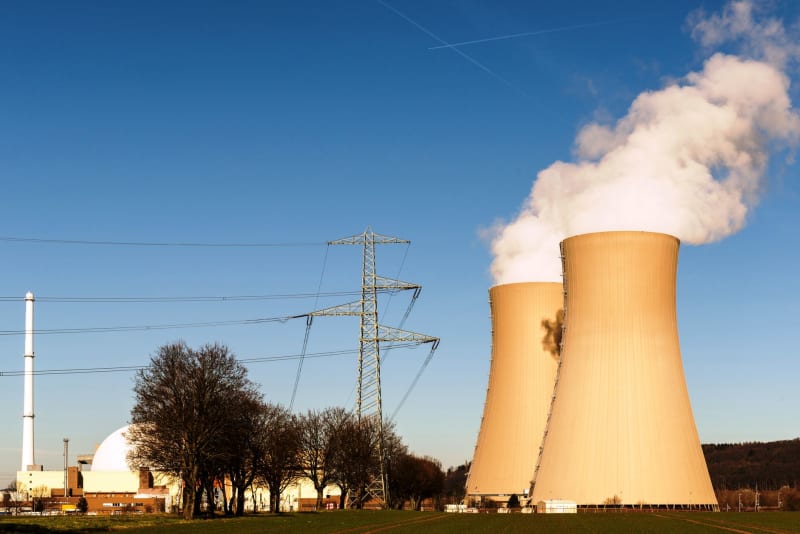
The current exchange of threats between Iran and former President Trump is not merely political posturing; it represents a profound and immediate danger to global stability. Any military strike on Iranian nuclear facilities, as threatened, would trigger an unpredictable and potentially devastating chain of events. Iran has consistently vowed a 'severe retaliation' for any aggression, and such a strike would undoubtedly be met with a forceful response, likely targeting U.S. assets and allies in the region. This could quickly spiral into a full-scale regional war, drawing in other major powers and proxy groups, leading to widespread destruction, immense human suffering, and a refugee crisis of unprecedented scale. The economic fallout alone, particularly concerning global oil supplies and prices, would send shockwaves through international markets, impacting every corner of the world.
Beyond the immediate military implications, the rhetoric surrounding nuclear sites introduces an alarming precedent. The explicit threat to target nuclear facilities, even if not immediately acted upon, normalizes the idea of such strikes, lowering the threshold for future conflicts involving nuclear infrastructure. This could have severe long-term consequences for international non-proliferation efforts and the delicate balance of power. It undermines the very principles of international law designed to prevent such catastrophic scenarios and could embolden other nations to consider similar actions or accelerate their own nuclear programs as a deterrent, leading to a more dangerous, nuclear-armed world. The risk of accidental escalation or miscalculation in such a tense environment is extraordinarily high, where a single misstep could ignite a wider conflagration.
Furthermore, the ongoing instability in the Middle East, exacerbated by these threats, provides fertile ground for extremist groups to thrive and expand their influence. A regional conflict would divert resources and attention away from counter-terrorism efforts, creating power vacuums and opportunities for non-state actors to exploit the chaos. The humanitarian crisis that would inevitably follow a major conflict would be immense, stretching international aid organizations to their breaking point and further destabilizing an already fragile region. The ripple effects would be felt globally, from increased terrorism threats to massive migratory flows, underscoring that the potential consequences of ignoring these escalating tensions are far too grave to contemplate.
Possible Paths Forward
One potential path forward involves a concerted diplomatic effort to de-escalate the current tensions through robust, multilateral engagement. This would necessitate a return to the negotiating table, possibly under the auspices of international bodies like the United Nations or through the mediation of neutral third-party nations. The primary objective would be to establish clear communication channels, reduce miscalculation risks, and explore avenues for a renewed nuclear agreement that addresses both Iranian concerns and international non-proliferation objectives. Such an approach would require significant political will from all parties, including the United States and Iran, to move beyond entrenched positions and prioritize regional stability over maximalist demands. Rebuilding trust, however incremental, is paramount to preventing a catastrophic conflict.
Another strategy could involve a policy of 'calibrated deterrence,' where the international community, led by key global powers, maintains a firm stance against any aggressive actions while simultaneously offering clear off-ramps for de-escalation. This approach would involve strengthening regional security alliances to deter Iranian adventurism, coupled with targeted sanctions that apply pressure without completely closing the door to dialogue. The goal would be to demonstrate a credible threat of response to provocations while signaling a willingness to engage diplomatically if Iran shows genuine commitment to de-escalation and adherence to international norms. This path requires a delicate balance, avoiding both appeasement and overly aggressive posturing that could inadvertently trigger conflict.
A less desirable, yet entirely plausible, trajectory involves a continued cycle of escalation, where threats are met with counter-threats, and minor incidents risk spiraling into larger confrontations. This path is characterized by a lack of effective communication, a breakdown of international norms, and an increased reliance on military posturing. In this scenario, the region would remain on a hair-trigger, with the constant danger of a miscalculation or an unintended incident igniting a wider conflict. Preventing this outcome requires urgent and decisive action from global leaders to prioritize diplomacy and restraint, recognizing that the consequences of unchecked escalation are simply too dire to contemplate for the stability of the Middle East and the world at large.
Questions People Are Actually Asking
What to Watch
- Monitor official statements from both Iranian and U.S. leadership for any shifts in rhetoric, specific threats, or indications of a willingness to engage in de-escalation talks, as these can quickly change the geopolitical temperature.
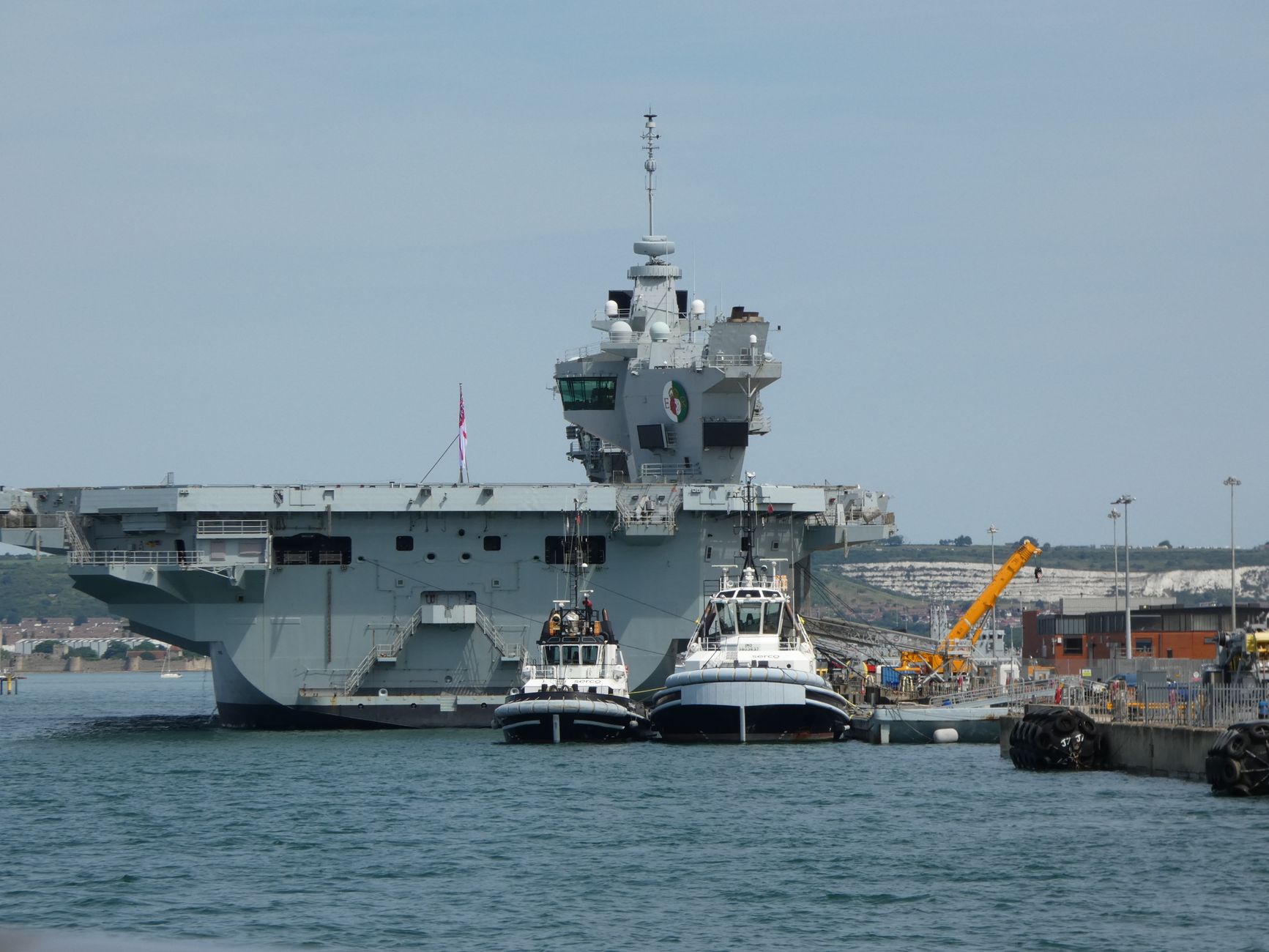
- Observe the movements and deployments of military assets in the Persian Gulf and surrounding regions, as any significant buildup or unusual activity could signal heightened readiness for potential conflict or a show of force.
- Track the reactions and diplomatic efforts of international bodies like the United Nations, the European Union, and key global powers, as their interventions and calls for restraint can influence the trajectory of the crisis.
- Pay close attention to developments concerning Iran's nuclear program, including reports from the IAEA on enrichment levels and the installation of centrifuges, as these actions directly impact international concerns and potential responses.
- Watch for any economic indicators, such as fluctuations in global oil prices or stock market volatility, which often reflect investor anxiety and the perceived likelihood of a major conflict in the oil-rich Middle East.
- Follow regional proxy activities and any incidents involving Iranian-backed groups in Iraq, Syria, Lebanon, or Yemen, as these could serve as flashpoints or retaliatory actions that escalate the broader conflict dynamics.






Comments
No comments yet. Be the first to comment!