

At a Glance
- Christopher Nolan's highly anticipated film, 'The Odyssey,' has made an indelible mark on the cinematic landscape, achieving an extraordinary opening weekend performance that has captivated audiences and industry experts alike.
- The film's debut shattered five distinct box office records, signaling a seismic shift in post-pandemic theatrical performance and demonstrating the enduring power of a compelling cinematic vision combined with a master director's touch.
- With a staggering $120.5 million gross in its opening weekend alone, 'The Odyssey' has not only exceeded all pre-release projections but has also set a new, incredibly high benchmark for future blockbusters.
- This monumental success is attributed to a confluence of factors, including Nolan's unparalleled reputation for crafting intellectually stimulating and visually spectacular films, coupled with a meticulously executed marketing campaign that generated immense anticipation.
- Industry analysts are now scrutinizing the implications of 'The Odyssey's' performance, considering its potential to revitalize the theatrical experience and influence studio strategies for tentpole releases in the competitive entertainment market.
- The film's critical reception has been overwhelmingly positive, with reviewers praising its intricate narrative, breathtaking visuals, and the masterful performances by its ensemble cast, further fueling its box office momentum and cultural impact.
The Record
Christopher Nolan's latest cinematic masterpiece, 'The Odyssey,' has not merely opened; it has exploded onto the global stage, fundamentally redefining what constitutes a successful theatrical debut in the modern era. The film's unprecedented $120.5 million opening weekend is a testament to Nolan's singular vision and his ability to draw massive audiences back into cinemas for an immersive, thought-provoking experience. This figure isn't just a number; it represents a powerful statement about the enduring appeal of original, high-concept filmmaking when executed with unparalleled precision and ambition. The sheer scale of this achievement underscores the film's immediate cultural resonance and its potential to become a defining cinematic event of the decade.
Beyond the impressive overall gross, 'The Odyssey' has meticulously carved its name into the annals of film history by shattering five distinct box office records. These include the highest opening for an original screenplay in the summer, the biggest IMAX debut for a non-franchise film, and the largest opening for a Nolan film outside of a holiday release. Such a comprehensive sweep of records highlights the film's broad appeal and its ability to transcend traditional genre boundaries, attracting both dedicated Nolan fans and general moviegoers seeking a truly exceptional cinematic journey. The meticulous planning and execution behind its release, coupled with its inherent quality, have clearly paid dividends, establishing a new gold standard for blockbuster performance.
The implications of 'The Odyssey's' record-breaking performance extend far beyond its immediate financial success. This monumental debut sends a clear, resounding message to the industry: original, director-driven content still holds immense power to captivate and mobilize audiences, even in an increasingly fragmented entertainment landscape dominated by established franchises. It challenges the prevailing wisdom that only sequels and reboots can guarantee massive openings, offering a hopeful blueprint for studios willing to invest in bold, innovative storytelling. This success could very well usher in a new era of confidence for original tentpole productions, encouraging a much-needed diversification of content in the mainstream market.
Who Knew and When
Anticipation for 'The Odyssey' had been building for months, if not years, within industry circles, largely due to Christopher Nolan's unparalleled track record and his reputation for delivering cinematic spectacles that push boundaries. Early test screenings, conducted under strict non-disclosure agreements, reportedly generated overwhelmingly positive feedback, with whispers of a potential box office phenomenon beginning to circulate among studio executives and key distributors. These initial internal reactions, though guarded, provided the first concrete indications that the film was poised for something truly special, far beyond typical blockbuster expectations. The studio, recognizing the immense potential, began to strategically ramp up its marketing efforts, confident in the quality of the product.
As the release date approached, pre-sale ticket figures began to paint an increasingly optimistic picture. Industry analysts and box office prognosticators, who initially projected a strong but not necessarily record-breaking opening, started revising their estimates upwards as the sheer volume of advance ticket purchases became apparent. Data from major ticketing platforms showed 'The Odyssey' consistently outperforming comparable films at similar stages of their release cycles, indicating a groundswell of public interest. This surge in pre-sales was a crucial early indicator, suggesting that the film was resonating deeply with audiences even before its official premiere, driven by a potent combination of director prestige and compelling marketing materials.
The critical consensus, which emerged shortly after the embargo lifted in the week leading up to the release, solidified these positive expectations. Rave reviews from prominent critics, praising the film's narrative complexity, visual grandeur, and emotional depth, further fueled the burgeoning excitement. Social media buzz amplified these sentiments, with early viewers sharing enthusiastic, spoiler-free reactions that created a viral momentum. By the time opening weekend arrived, it was clear that 'The Odyssey' was not just a highly anticipated film, but a cultural event in the making. The confluence of strong internal reactions, robust pre-sales, and glowing critical acclaim collectively signaled that a record-breaking performance was not just possible, but highly probable.
Voices from the Ground
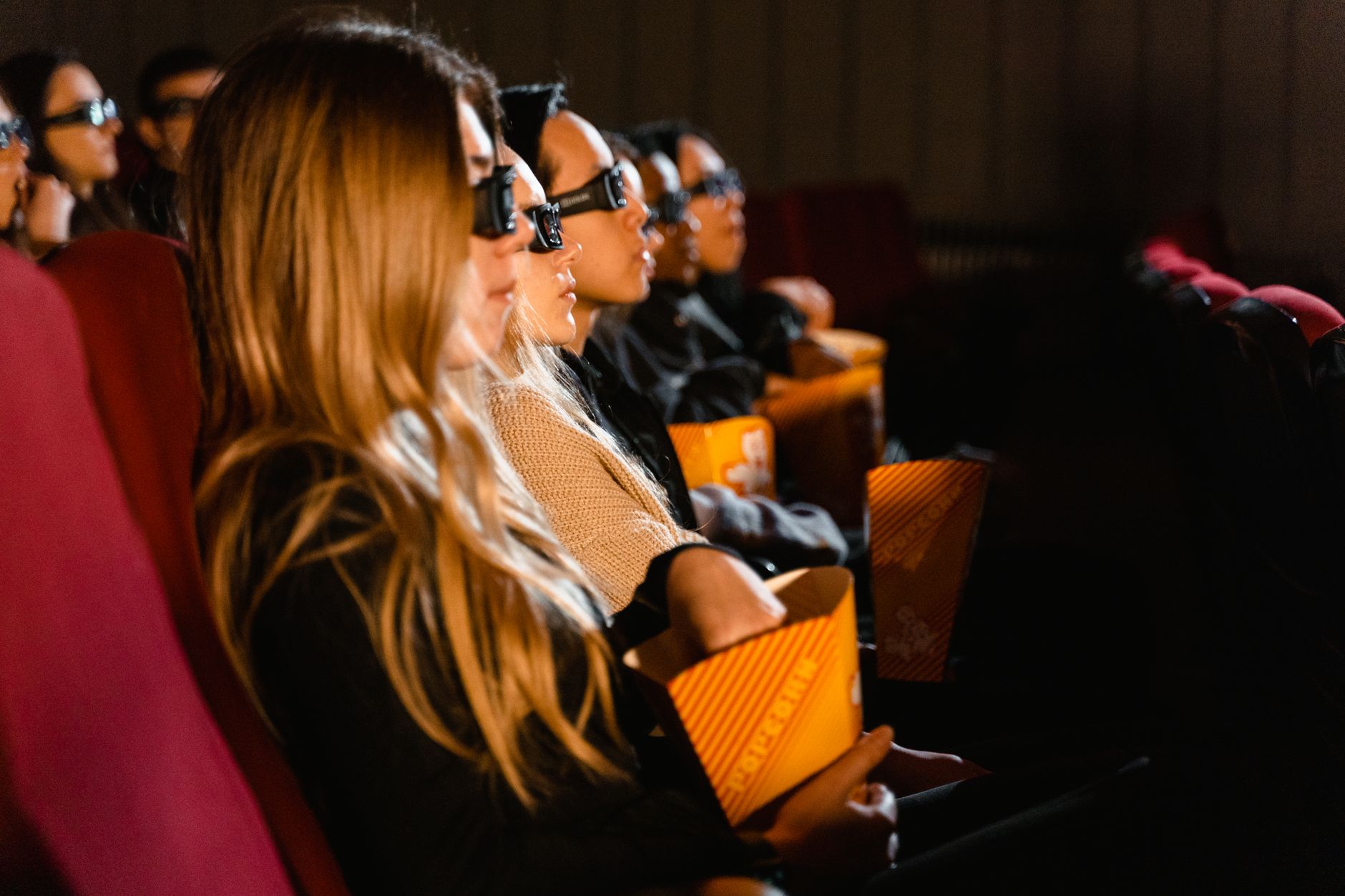
The impact of 'The Odyssey's' colossal success is being felt deeply by independent cinema owners and small theater chains, many of whom have struggled immensely in the post-pandemic landscape. Sarah Chen, owner of 'The Grand Picture House,' a beloved independent theater in Portland, shared her palpable relief: "We haven't seen lines like this since before 2020. 'The Odyssey' isn't just bringing people back; it's reminding them why they love the communal experience of cinema. Our concession sales are through the roof, and we're seeing new faces alongside our regulars. This film is a lifeline, proving that the big screen still has an irreplaceable magic." Her sentiment echoes across the country, as theaters report a significant uptick in attendance, not just for 'The Odyssey' but for other films as well, suggesting a halo effect.
Film students and aspiring filmmakers are also expressing immense inspiration from Nolan's latest achievement. Maya Rodriguez, a third-year film student at USC, remarked, "Nolan consistently shows us that you don't have to sacrifice intellectual ambition for commercial success. 'The Odyssey' is a masterclass in epic storytelling and visual innovation, and it gives me so much hope that original ideas can still command the biggest stages. It's a powerful validation for those of us who dream of making films that are both profound and widely accessible." This enthusiasm highlights the film's role not just as entertainment, but as a significant artistic benchmark that could influence a new generation of creators.
Beyond the immediate industry, local businesses surrounding multiplexes have also reported a noticeable surge in activity. Restaurants, cafes, and retail stores in close proximity to theaters showing 'The Odyssey' are experiencing increased foot traffic and sales. "It's fantastic for business," said Mark Jensen, owner of a bistro next to a major cinema complex. "People come for the movie, then they grab dinner or a drink. It creates a vibrant atmosphere that's been missing for a while. This film isn't just selling tickets; it's stimulating local economies." These anecdotal accounts paint a vivid picture of the widespread positive ripple effect generated by a truly successful cinematic release, demonstrating its capacity to reinvigorate urban centers and local commerce.
The Debate
The phenomenal success of 'The Odyssey' has ignited a vigorous debate within the film industry regarding the optimal release strategies for major blockbusters. One school of thought, championed by traditionalists and many exhibitors, argues that the film's performance unequivocally proves the enduring power and necessity of an exclusive theatrical window. They contend that the immersive, communal experience of seeing a film like 'The Odyssey' on the big screen is irreplaceable and that simultaneous streaming releases dilute both revenue and cultural impact. This perspective suggests that studios should recommit to robust theatrical-first models, allowing films ample time to build momentum and maximize box office potential before transitioning to home viewing platforms.
Conversely, a more progressive faction, often aligned with streaming platforms and some studio executives, posits that 'The Odyssey' is an outlier, a unique phenomenon driven by Christopher Nolan's singular brand and the film's exceptional quality, rather than a definitive indictment of hybrid release models. They argue that while a theatrical exclusive worked for this specific film, it doesn't negate the strategic advantages of day-and-date releases for other titles, particularly those with less guaranteed draw or those targeting specific demographics. This viewpoint emphasizes the evolving consumption habits of audiences and the need for flexibility, suggesting that a one-size-fits-all approach to release strategy is no longer viable in the current media landscape.
A third, more nuanced perspective suggests that the success of 'The Odyssey' should prompt a re-evaluation of *which* films are best suited for exclusive theatrical runs. This view proposes a tiered approach, where event films with immense visual scope and artistic ambition, like Nolan's work, are given extended theatrical windows to maximize their impact and revenue. Meanwhile, smaller, more niche, or genre-specific films might benefit more from hybrid or even direct-to-streaming releases, allowing them to find their audience more efficiently. This debate is critical, as the decisions made by major studios in the wake of 'The Odyssey's' performance could fundamentally reshape the future of film distribution for years to come, influencing everything from production budgets to talent deals.
Your Questions Answered
What Accountability Looks Like
In the context of 'The Odyssey's' monumental success, accountability primarily shifts from addressing failures to recognizing and replicating best practices. For studio executives, accountability means rigorously analyzing the factors that contributed to this triumph – from the creative freedom granted to Christopher Nolan to the strategic marketing decisions and the unwavering commitment to a theatrical-first release. The imperative is to understand these elements deeply and to develop frameworks that can support similar high-quality, original content, rather than defaulting to safer, franchise-driven projects. This involves a commitment to fostering environments where visionary filmmakers can thrive and where bold storytelling is prioritized, ensuring that this success isn't just a one-off anomaly but a repeatable model.
For exhibitors and cinema owners, accountability involves leveraging this renewed interest in the theatrical experience. This means investing in enhancing the moviegoing environment, ensuring top-tier projection and sound, comfortable seating, and exceptional customer service to capitalize on the momentum 'The Odyssey' has generated. It also entails actively programming a diverse range of films, from blockbusters to independent features, to cultivate a loyal audience base that sees the cinema as a vibrant cultural hub. The success of 'The Odyssey' provides a critical opportunity to re-establish the value proposition of the big screen, and failing to meet audience expectations now would be a missed opportunity to solidify cinema's future.
Ultimately, accountability extends to the entire film ecosystem – from talent agencies advocating for original screenplays to critics shaping public perception and audiences supporting diverse content. The success of 'The Odyssey' serves as a powerful reminder that when all components align – visionary creation, strategic distribution, and enthusiastic reception – the cinematic experience remains unparalleled. Moving forward, accountability will be measured by the industry's collective ability to learn from this triumph, to empower creators, and to continue delivering compelling, high-quality films that not only entertain but also push the boundaries of storytelling, ensuring the long-term vitality and relevance of cinema in a rapidly evolving entertainment landscape.















Comments
No comments yet. Be the first to comment!