
The Story in Brief
- The full-scale invasion of Ukraine by Russia in February 2022 fundamentally shattered decades of post-Cold War European security architecture, ushering in an era of heightened geopolitical instability and military re-evaluation across the continent.
- NATO has significantly bolstered its eastern flank, deploying additional troops and equipment, and welcoming new members like Finland, with Sweden's accession pending, signaling a robust collective defense posture against potential Russian aggression.
- European Union nations have imposed unprecedented sanctions on Russia, targeting its financial sector, energy exports, and key individuals, aiming to cripple its war economy and exert maximum pressure for a withdrawal from Ukrainian territory.
- The conflict has triggered a severe energy crisis in Europe, forcing countries to rapidly diversify away from Russian gas and oil, accelerating the transition towards renewable energy sources and exploring new global suppliers.
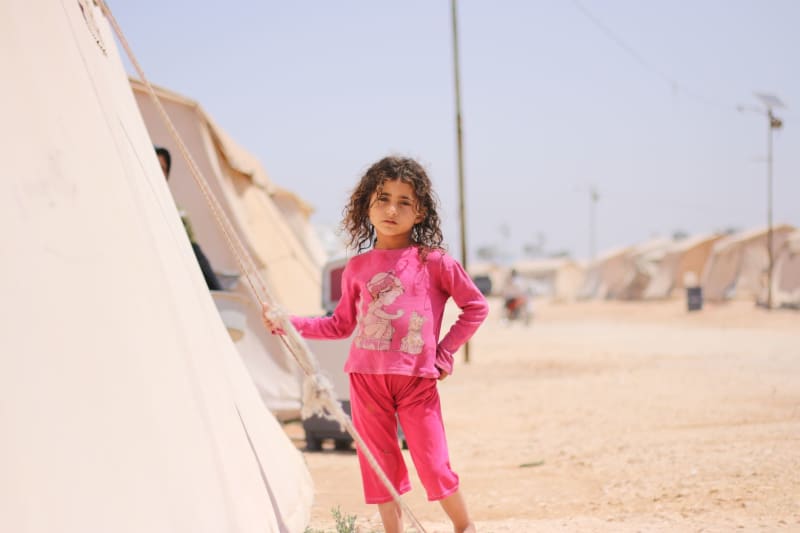
- Millions of Ukrainians have been displaced, becoming refugees across Europe, creating a humanitarian crisis that has tested the continent's capacity for aid and integration, while simultaneously showcasing remarkable solidarity.
- The war has reignited debates about national sovereignty, international law, and the role of global institutions in preventing and resolving conflicts, challenging the existing world order and emphasizing the fragility of peace.
The Human Face
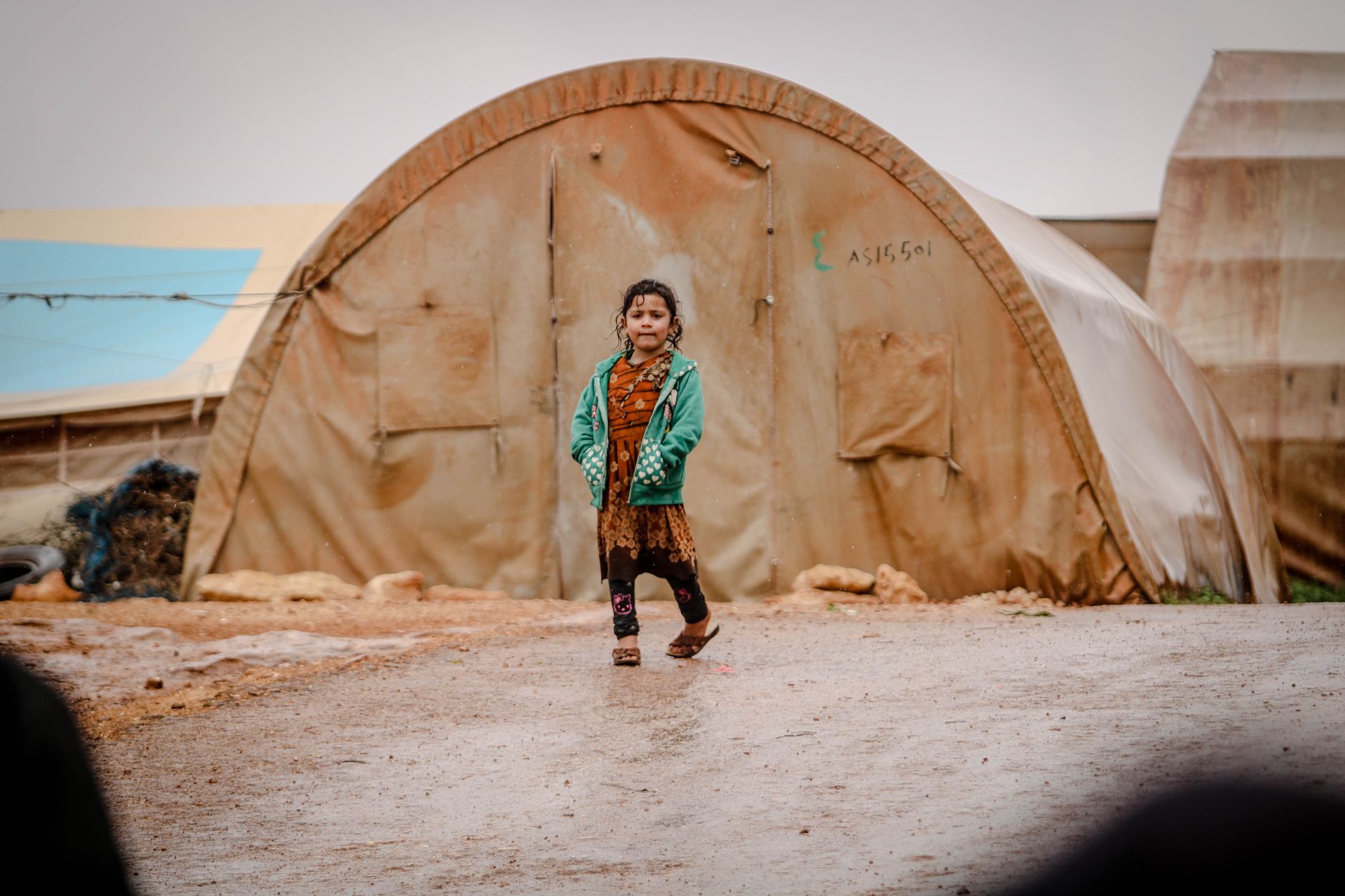
The human cost of the conflict in Ukraine is immeasurable, extending far beyond the immediate battlefields. Millions of lives have been irrevocably altered, with families torn apart, homes destroyed, and futures shattered. The sheer scale of displacement is staggering; over eight million Ukrainians have sought refuge in neighboring European countries, while millions more are internally displaced within Ukraine, living under constant threat. These individuals carry the profound trauma of war, witnessing unimaginable violence and enduring the loss of loved ones, their resilience constantly tested by the relentless nature of the aggression.
Beyond the immediate victims, the conflict casts a long shadow over the mental and emotional well-being of entire communities. Children, in particular, are growing up in an environment of fear and uncertainty, their education disrupted and their innocence stolen. The psychological scars of war are deep, manifesting as PTSD, anxiety, and depression among both those who have fled and those who remain. Aid organizations and local communities are working tirelessly to provide support, but the long-term societal impact of such widespread trauma will require decades of dedicated effort to address and heal.
The stories of individual resilience, however, also shine through the darkness. From volunteers delivering aid under fire to doctors performing surgeries in makeshift hospitals, and ordinary citizens defending their homeland, the human spirit's capacity for courage and solidarity is evident. European host nations have opened their borders and homes, demonstrating an extraordinary level of compassion and support for Ukrainian refugees. This collective human response, while unable to erase the pain, offers a glimmer of hope amidst the devastation, showcasing the power of empathy in the face of brutal aggression.
How We Got Here
The current conflict did not erupt in a vacuum but is the culmination of decades of escalating tensions between Russia and the West, particularly concerning NATO expansion and Ukraine's sovereign aspirations. Following the collapse of the Soviet Union, many former Warsaw Pact countries and Baltic states sought security guarantees by joining NATO, a move Moscow consistently viewed as an existential threat to its sphere of influence. Ukraine's own pivot towards closer ties with the European Union and NATO, particularly after the 2004 Orange Revolution and the 2014 Maidan Revolution, further exacerbated these deep-seated geopolitical anxieties in the Kremlin.
Russia's annexation of Crimea in 2014 and its subsequent support for separatists in the Donbas region marked a critical turning point, openly challenging international law and Ukraine's territorial integrity. This period saw a low-intensity conflict simmering in eastern Ukraine for eight years, claiming thousands of lives and displacing millions, yet largely failing to provoke a decisive unified international response that could deter further aggression. The international community's varied reactions, ranging from limited sanctions to diplomatic condemnations, were ultimately insufficient to prevent the full-scale invasion that followed, highlighting a critical failure in collective security mechanisms.
The full-scale invasion launched in February 2022 was predicated on Russia's stated objectives of 'demilitarization' and 'denazification' of Ukraine, claims widely dismissed as pretexts for an unprovoked war of aggression. This decisive act fundamentally reshaped the geopolitical landscape, forcing Europe and its allies to confront the reality of an expansionist Russia. The invasion not only galvanized unprecedented Western unity in support of Ukraine but also compelled a radical reassessment of defense strategies, energy dependencies, and the very foundations of post-Cold War international relations, ushering in a new, more confrontational era.
Why This Cannot Be Ignored
The ongoing war in Ukraine is not merely a regional conflict; it represents a profound challenge to the fundamental principles of international law and the global order established since World War II. Russia's unprovoked aggression, its blatant disregard for national sovereignty, and its use of force to redraw borders directly undermine the very foundations upon which global peace and stability are built. Allowing such actions to stand unchallenged would set a dangerous precedent, signaling to other authoritarian regimes that territorial conquest through military might is an acceptable means of achieving political objectives, thereby destabilizing regions far beyond Europe.
Economically, the repercussions are far-reaching and deeply impactful, affecting global supply chains, energy markets, and food security. Europe's reliance on Russian energy has been dramatically exposed, leading to soaring prices and a frantic scramble for alternative sources, which in turn fuels inflation worldwide. Furthermore, Ukraine, a major global exporter of grain, has seen its agricultural output severely disrupted, threatening food supplies to vulnerable nations and exacerbating existing humanitarian crises. The ripple effects of this economic instability are felt in every household, from rising grocery bills to increased living costs, underscoring the interconnectedness of the global economy.
Beyond the immediate human and economic toll, the conflict has irrevocably altered Europe's security landscape, necessitating a wholesale re-evaluation of defense policies and alliances. Nations are significantly increasing defense spending, revitalizing military capabilities, and strengthening NATO's collective defense posture. The war has also accelerated the integration of new members into NATO, fundamentally shifting the balance of power and creating a more militarized continent. This transformation carries long-term implications for peace, stability, and the future trajectory of European integration, demanding constant vigilance and strategic foresight from all stakeholders.
Possible Paths Forward
One potential path forward involves a sustained and intensified international effort to support Ukraine militarily and economically, aiming to enable a decisive victory on the battlefield that forces Russia to withdraw. This would entail providing advanced weaponry, robust financial aid, and comprehensive intelligence sharing, coupled with an unwavering commitment to maintaining and tightening sanctions on Russia. The goal would be to make the cost of continued aggression unsustainable for Moscow, leading to a negotiated settlement from a position of Ukrainian strength. This approach, however, carries inherent risks of escalation and prolonged conflict, demanding careful diplomatic navigation.
Another scenario explores a diplomatic resolution, potentially involving a ceasefire and peace negotiations, though the terms and conditions remain highly contentious. Such a path would likely require significant concessions from both sides, including discussions on Ukraine's neutrality, the status of occupied territories, and long-term security guarantees. International mediators, possibly from neutral countries or multilateral organizations, would play a crucial role in facilitating dialogue. The challenge lies in finding common ground when trust is at an all-time low and fundamental principles of sovereignty are at stake, making any durable peace agreement incredibly difficult to achieve without a clear shift in military realities.
A third, more concerning trajectory, involves a prolonged stalemate or 'frozen conflict,' where hostilities persist at varying intensities without a clear resolution. This scenario would entrench the current divisions, perpetuate humanitarian suffering, and maintain a constant state of instability on Europe's eastern flank. Such an outcome would necessitate long-term security commitments from Western allies to Ukraine, continued economic sanctions on Russia, and a permanent reorientation of European defense strategies. While avoiding outright escalation, a frozen conflict would prevent true recovery and reconciliation, leaving the door open for future flare-ups and continued geopolitical tension.
Questions People Are Actually Asking
What to Watch
- The trajectory of Western military aid to Ukraine: Observe the consistency, volume, and sophistication of weaponry supplied by NATO and EU members, as this will directly influence Ukraine's ability to defend itself and potentially reclaim occupied territories, dictating the pace and intensity of the conflict.
- Internal political developments within Russia: Any significant shifts in public opinion, elite consensus, or leadership stability could profoundly impact Russia's war aims and its willingness to engage in meaningful negotiations, potentially altering the conflict's duration and outcome.
- The effectiveness of international sanctions on Russia: Monitor the long-term impact of economic penalties on Russia's war economy, its ability to fund military operations, and its domestic stability. The resilience or collapse of the Russian economy will be a critical factor in the conflict's resolution.
- Energy market fluctuations and Europe's energy independence: Watch how quickly European nations can fully decouple from Russian energy, diversify their sources, and accelerate renewable energy adoption. This will determine Europe's economic resilience and its leverage in future geopolitical confrontations.
- The humanitarian situation and refugee flows: Track the ongoing displacement of populations, the provision of aid, and the integration efforts for Ukrainian refugees across Europe. The scale and duration of this crisis will continue to test European solidarity and resourcefulness.
- NATO's evolving role and expansion: Pay close attention to Sweden's accession to NATO and any further discussions about expanding the alliance, as these developments will solidify Europe's new security architecture and signal the continent's collective defense posture against future threats.


Comments
No comments yet. Be the first to comment!