
The Story in Brief
- The U.S. economy has shown remarkable resilience, consistently defying predictions of a downturn and maintaining robust growth despite a challenging global environment.
- Recent escalations in the conflict between Iran and Israel introduce significant new uncertainties, particularly concerning global oil supplies and the stability of critical shipping lanes.
- The potential for a broader conflict in the Middle East could trigger a sharp increase in energy prices, leading to higher inflation and substantial disruptions across global supply chains.
- The looming threat of new tariffs, especially those targeting China, threatens to reignite trade wars, potentially increasing consumer costs and hindering international trade flows.
- Policymakers face the delicate task of balancing domestic economic stability with the imperative to address complex geopolitical challenges and navigate a protectionist trade landscape.
- The confluence of these external pressures could undermine the Federal Reserve's efforts to manage inflation and potentially force a reassessment of interest rate policies.
The Human Face
For millions of American families, the abstract concepts of geopolitical conflict and trade tariffs translate directly into tangible impacts on their daily lives. A sudden spike in oil prices, for instance, means higher costs at the gas pump, making commutes more expensive and eroding disposable income. This directly affects household budgets, forcing difficult choices between essential goods and discretionary spending. Small businesses, the backbone of many communities, are particularly vulnerable to these external shocks. Increased shipping costs due to disrupted trade routes or higher raw material prices from new tariffs can quickly erode profit margins, potentially leading to layoffs or even closures. The ripple effect of these economic pressures can be felt throughout local economies, impacting employment, consumer confidence, and overall community well-being.
The psychological toll of economic uncertainty cannot be overstated. When global events create volatility, consumers and investors become more cautious, leading to a slowdown in spending and investment. Families might postpone major purchases like homes or cars, fearing job instability or future price increases. This hesitancy, while rational for individuals, can collectively dampen economic growth. For workers in industries heavily reliant on international trade or stable energy prices, the threat of tariffs or supply chain disruptions can create immense stress and anxiety about their livelihoods. The human face of these macroeconomic forces is one of apprehension, adaptation, and often, hardship, underscoring the profound personal stakes involved in global policy decisions.
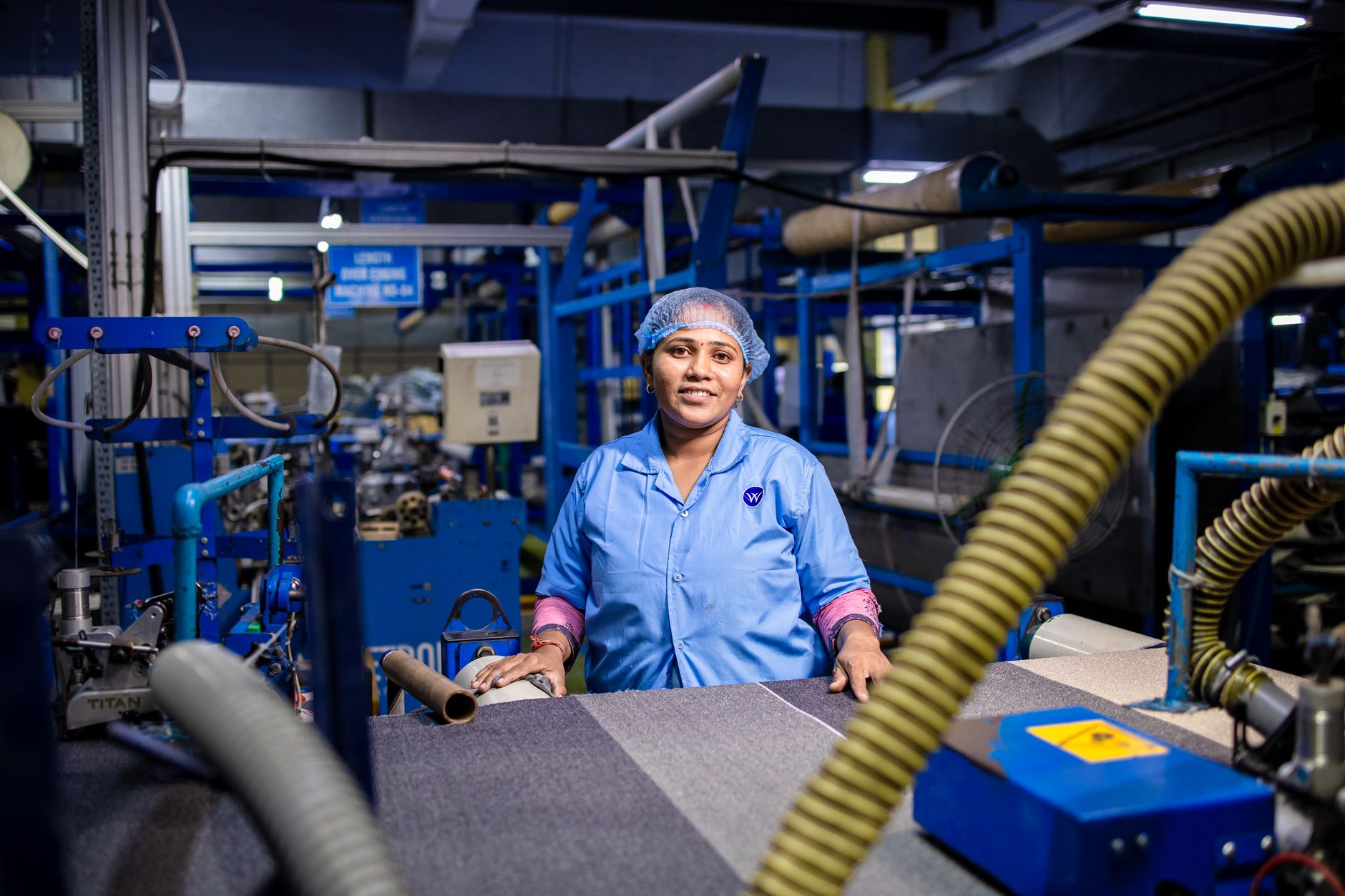
Consider the example of a manufacturing worker whose job depends on imported components. New tariffs could make those components prohibitively expensive, forcing their company to either absorb the costs, pass them on to consumers, or, in a worst-case scenario, relocate production or reduce staff. Similarly, a truck driver faces immediate financial strain when fuel prices surge, directly impacting their take-home pay and ability to cover living expenses. These are not distant, theoretical problems; they are immediate, personal challenges that underscore the interconnectedness of global politics, economic policy, and individual prosperity. Understanding these human impacts is essential for crafting policies that truly serve the public good and mitigate the most severe consequences of global instability.
How We Got Here
The current economic landscape is shaped by a confluence of historical events and recent developments. For years, the U.S. economy has demonstrated remarkable resilience, navigating a global pandemic, significant supply chain disruptions, and persistent inflationary pressures. This strength has been attributed to robust consumer spending, a strong labor market, and innovative private sector growth. However, this period of relative stability has also been marked by simmering geopolitical tensions, particularly in the Middle East, where the long-standing rivalry between Iran and Israel has frequently threatened to boil over into wider conflict. The recent direct exchange of missile and drone attacks represents a dangerous escalation, pushing the region closer to a full-scale war than at any point in recent memory.
Simultaneously, the global trade environment has been increasingly volatile since the imposition of significant tariffs by the Trump administration on goods from China and other nations. While some of these tariffs remained in place, the Biden administration has largely maintained a strategic, albeit cautious, approach to trade relations. However, the prospect of a potential return to more aggressive protectionist policies, particularly with discussions around new, across-the-board tariffs, creates a significant layer of uncertainty. This shift could unravel years of efforts to stabilize international trade relationships and re-establish predictable global supply chains, which are still recovering from pandemic-era disruptions. The interplay between these geopolitical and trade policy shifts creates a complex and precarious situation for the global economy.
The underlying factors contributing to these challenges are deeply rooted. Decades of reliance on globalized supply chains, while efficient, have also exposed economies to external shocks. Energy markets, in particular, remain highly sensitive to Middle Eastern stability, given the region's pivotal role in global oil production and transit. The strategic waterways, such as the Strait of Hormuz, are critical arteries for international trade, and any disruption there has immediate and far-reaching consequences. On the trade front, persistent imbalances and concerns over intellectual property theft and unfair trade practices have fueled calls for protectionist measures, creating a cycle of retaliatory tariffs that ultimately harm consumers and businesses on both sides. These foundational issues, combined with recent escalations, have brought us to this critical juncture.
Why This Cannot Be Ignored
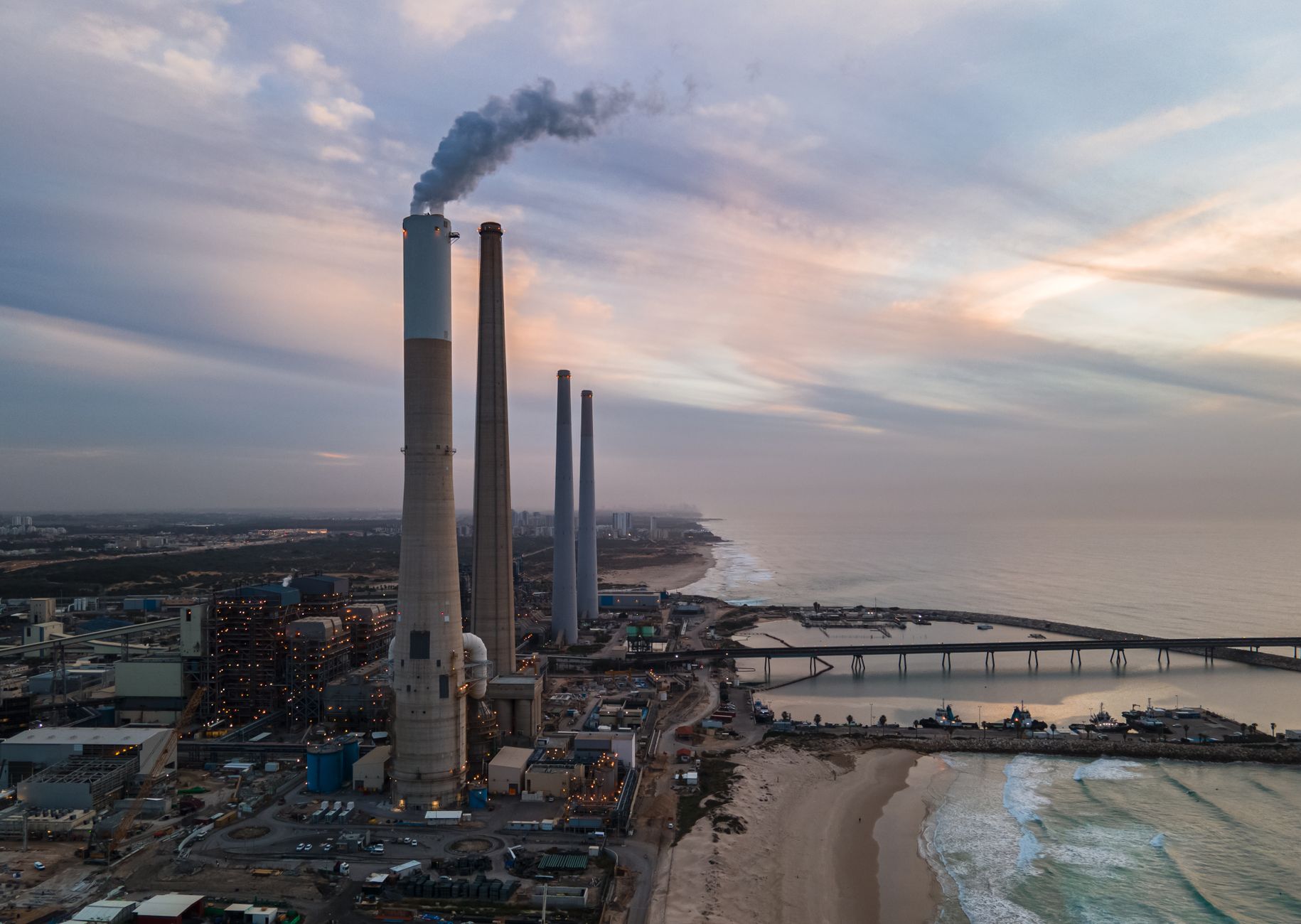
The convergence of escalating geopolitical tensions and the specter of renewed trade wars presents an undeniable threat to the U.S. economy that simply cannot be ignored. A full-blown conflict in the Middle East, particularly involving Iran, would almost certainly trigger a dramatic surge in global oil prices. Such a spike would not only exacerbate inflationary pressures, making everyday goods and services more expensive for American consumers, but also significantly increase operational costs for businesses across nearly every sector. This would dampen consumer spending, reduce corporate profits, and potentially lead to a slowdown in economic growth, challenging the Federal Reserve's carefully calibrated efforts to achieve a 'soft landing' for the economy.
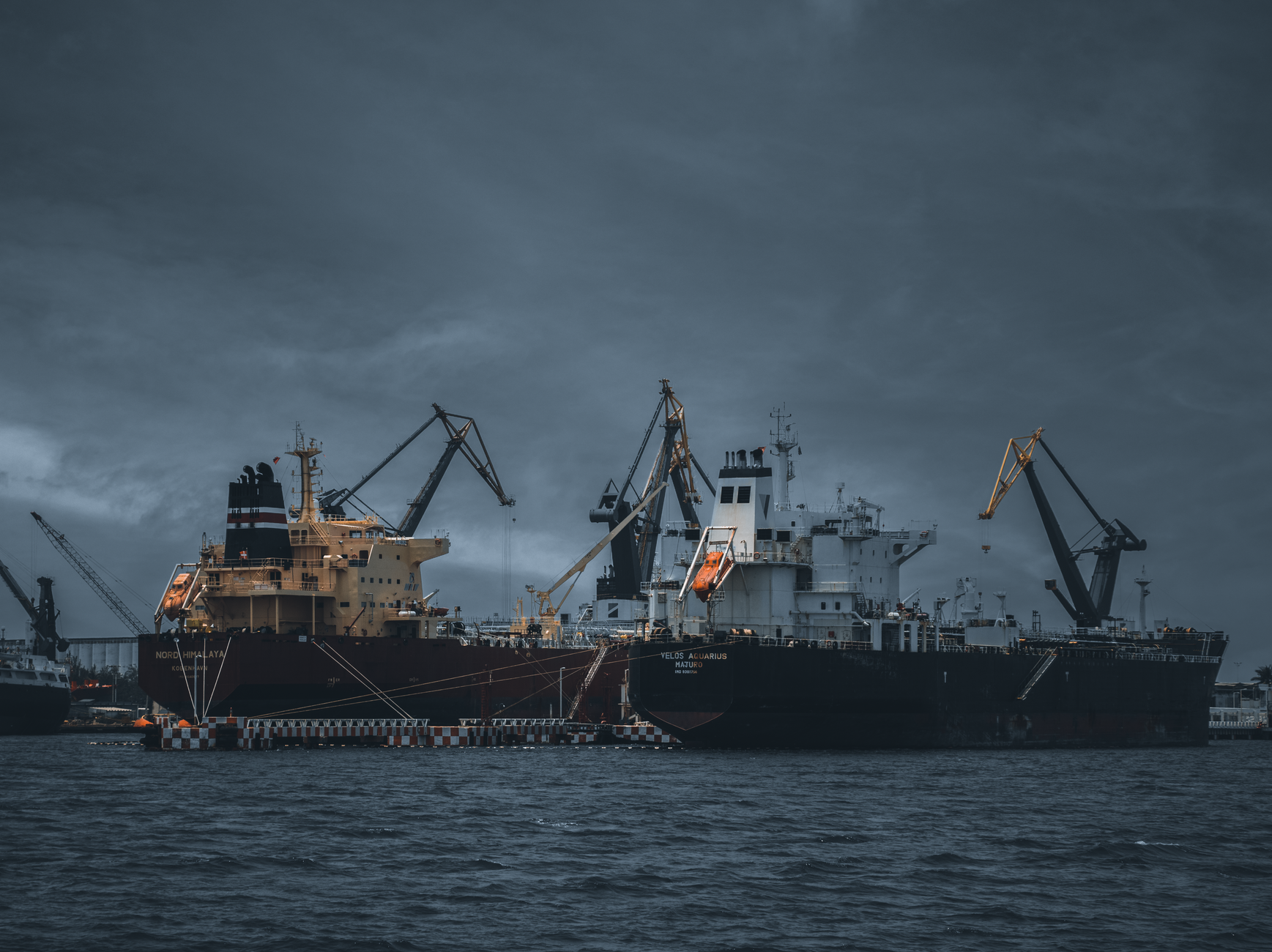
Beyond energy costs, a broader conflict could severely disrupt critical global supply chains. The Strait of Hormuz, a vital chokepoint for a significant portion of the world's oil and gas shipments, could become a flashpoint, leading to unprecedented logistical challenges and delays for goods moving worldwide. This would impact everything from manufacturing inputs to finished consumer products, creating shortages and further driving up prices. For American businesses, this means increased uncertainty, higher costs for raw materials, and potentially reduced access to international markets, undermining the competitive edge they have worked hard to maintain. The ripple effects would be felt throughout the entire economic ecosystem, from large multinational corporations to small local enterprises.
Furthermore, the re-emergence of widespread tariffs could dismantle years of economic integration and stability. While tariffs are often pitched as a way to protect domestic industries, they frequently result in higher costs for consumers, as import taxes are passed on. They also invite retaliatory measures from other countries, leading to a tit-for-tat trade war that harms export-oriented American industries and reduces overall global trade volumes. This protectionist approach can stifle innovation, limit consumer choice, and ultimately reduce economic efficiency. The combined impact of geopolitical instability and trade protectionism creates a perfect storm of economic headwinds, making it imperative for policymakers and businesses to proactively assess and mitigate these profound risks before they fully materialize.
Possible Paths Forward
Navigating the current complex global landscape requires a multi-pronged approach that balances diplomatic engagement, strategic economic planning, and robust domestic policy. One crucial path forward involves intensified diplomatic efforts to de-escalate tensions in the Middle East. This means engaging all relevant parties, including regional powers and international bodies, to find common ground and prevent further military escalation. Diplomatic channels must remain open, even with adversaries, to manage crises and prevent miscalculations that could trigger wider conflict. The goal is to establish stable communication frameworks and identify off-ramps from direct confrontation, ensuring that geopolitical disputes do not spill over into catastrophic economic consequences. This proactive diplomacy is essential for safeguarding global energy supplies and trade routes.
Economically, the U.S. must prioritize strengthening its domestic resilience against external shocks. This includes diversifying supply chains away from over-reliance on single regions or countries, investing in domestic manufacturing capabilities, and fostering innovation in critical sectors. Policymakers should also explore strategies to mitigate the impact of potential energy price spikes, such as expanding strategic petroleum reserves or accelerating the transition to alternative energy sources. Regarding trade, a more nuanced approach is needed. While addressing unfair trade practices is vital, blanket tariffs can be counterproductive. Future trade policies should focus on targeted measures, international cooperation to enforce fair rules, and building resilient trade relationships that benefit American workers and consumers without triggering costly trade wars.
Finally, clear and consistent communication from government and economic leaders is paramount. In times of uncertainty, providing transparent assessments of risks and outlining proactive strategies can help stabilize markets and maintain public confidence. This includes working closely with the Federal Reserve to ensure monetary policy remains agile and responsive to evolving economic conditions. Investing in education and workforce development can also help prepare the labor force for shifts in global trade and technology. By combining assertive diplomacy, strategic economic planning, and transparent communication, the U.S. can chart a path forward that protects its economic interests while promoting global stability. Ignoring these challenges is not an option; proactive engagement is the only viable strategy.
Questions People Are Actually Asking
What to Watch
- **Middle East Diplomatic Engagements:** Closely monitor any diplomatic initiatives or statements from the U.S., regional powers, and international bodies aimed at de-escalating the Iran-Israel conflict. A sustained diplomatic push could signal a reduction in immediate geopolitical risk.
- **Global Oil Price Movements:** Keep a vigilant eye on crude oil benchmarks like Brent and WTI. Significant and sustained spikes above current levels would indicate heightened market anxiety about supply disruptions, directly impacting inflation and consumer costs.
- **U.S. Administration's Tariff Policy:** Pay close attention to any official announcements or policy shifts regarding new tariffs, particularly those targeting China or broad-based import duties. The rhetoric and actions will signal the future direction of U.S. trade policy.
- **Federal Reserve Statements and Actions:** Observe the Federal Reserve's communications, especially regarding inflation outlook and interest rate decisions. Any adjustments to their policy stance will reflect their assessment of how external risks are impacting the domestic economy.
- **Supply Chain Resilience Indicators:** Track reports on global shipping costs, port congestion, and manufacturing input prices. These metrics will provide early warnings of potential supply chain disruptions caused by geopolitical events or trade policy changes.
- **Consumer Confidence and Spending Data:** Monitor monthly consumer confidence indices and retail sales reports. A significant decline in these indicators could signal that external economic pressures are beginning to erode household purchasing power and overall economic sentiment.













Comments
No comments yet. Be the first to comment!