
The Story in Brief
- Former President Donald Trump has publicly declared a drastic new foreign policy strategy targeting Iran, proposing a 'one-for-one' retaliation for any Iranian aggression in the Strait of Hormuz.
- Under this proposed policy, if Iran attacks a U.S. asset or ally in the crucial waterway, the United States would respond by destroying a specific piece of Iranian infrastructure, such as a bridge or a power plant.
- Trump's statement marks a significant departure from traditional diplomatic and military responses, advocating for direct and symmetrical destruction rather than calibrated deterrence or de-escalation.
- This aggressive stance aims to establish an immediate and severe deterrent, signaling that any Iranian provocation would be met with an equally damaging, non-negotiable counter-strike against its homeland.
- The declaration raises serious concerns among international relations experts about the potential for rapid and uncontrollable escalation, transforming localized incidents into broader regional conflicts.
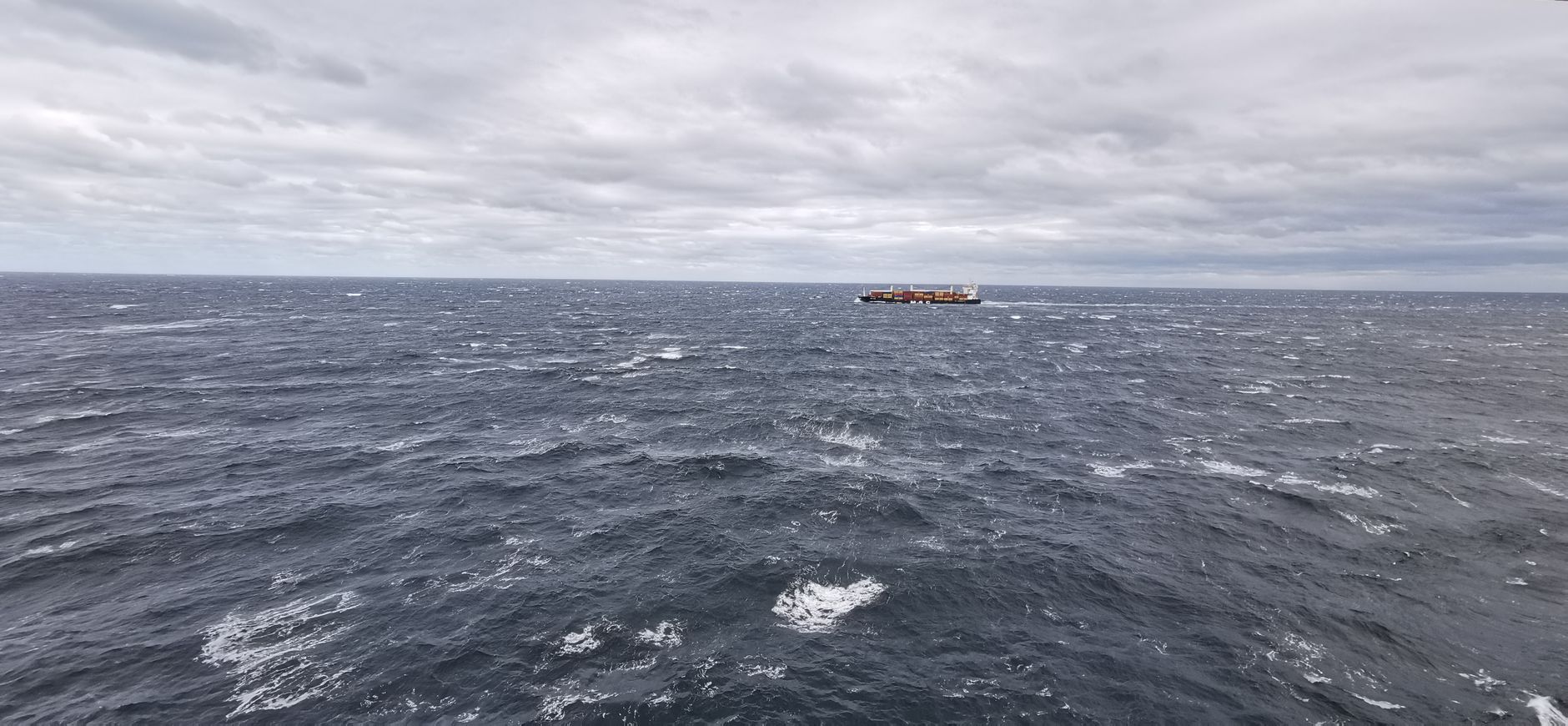
- The Strait of Hormuz is a critical global chokepoint for oil shipments, and any military action there could have profound implications for international energy markets and global economic stability.
The Human Face
While the rhetoric of geopolitical strategy often focuses on abstract concepts like 'deterrence' and 'escalation,' the human cost of such policies is profoundly tangible. A 'one-for-one' retaliation strategy, as proposed by former President Trump, means that ordinary Iranian citizens could suddenly find their lives upended. The destruction of a bridge doesn't just impact military logistics; it severs communities, disrupts supply chains for essential goods, and isolates populations from critical services like hospitals and schools. A power plant strike plunges entire cities into darkness, jeopardizing public health, economic activity, and basic safety, leaving countless families vulnerable and without fundamental utilities.
The psychological toll on civilians living under the constant threat of such retaliatory strikes would be immense. Imagine the pervasive fear and anxiety knowing that any perceived aggression by your government could lead to your home city losing its electricity or its vital infrastructure. This isn't just about collateral damage; it's about the deliberate targeting of infrastructure that directly supports civilian life, blurring the lines between military objectives and civilian suffering. Such a policy risks fostering deep-seated resentment and animosity, potentially fueling cycles of violence rather than achieving long-term stability or deterrence, making reconciliation incredibly difficult for generations.
Furthermore, the economic impact on ordinary Iranians would be devastating. Rebuilding critical infrastructure like bridges and power plants requires immense resources and time, diverting funds from social programs, healthcare, and education. This would exacerbate existing economic hardships, leading to widespread poverty, unemployment, and a decline in living standards. The human face of this policy is not just about immediate casualties, but about the prolonged suffering, displacement, and systemic deprivation that would inevitably follow, creating a humanitarian crisis that extends far beyond the initial military actions and impacting millions of innocent lives.
How We Got Here
The relationship between the United States and Iran has been fraught with tension for decades, particularly since the 1979 Iranian Revolution. This complex history includes the hostage crisis, Iran's pursuit of nuclear capabilities, and its support for various proxy groups across the Middle East. The Strait of Hormuz, a narrow waterway connecting the Persian Gulf to the open ocean, has consistently been a flashpoint due to its strategic importance as a global oil transit route. Incidents involving Iranian forces harassing commercial shipping or targeting vessels in the Strait have periodically escalated tensions, often leading to international condemnation and calls for de-escalation from global powers.
Under the Trump administration, the U.S. adopted a 'maximum pressure' campaign against Iran, withdrawing from the Joint Comprehensive Plan of Action (JCPOA) – the Iran nuclear deal – and imposing stringent economic sanctions. This policy was intended to compel Iran to renegotiate a more comprehensive agreement addressing its nuclear program, ballistic missile development, and regional influence. However, instead of capitulation, Iran responded with its own escalatory measures, including increasing uranium enrichment, harassing shipping in the Strait of Hormuz, and launching attacks on oil facilities in Saudi Arabia, demonstrating a willingness to challenge U.S. dominance in the region and creating a cycle of escalating actions and reactions that pushed the two nations closer to direct confrontation.
Trump's latest pronouncement, suggesting a 'one-for-one' retaliatory strategy, emerges from this backdrop of persistent antagonism and a perceived need for a stronger deterrent. It reflects a frustration with the perceived ineffectiveness of previous diplomatic and economic pressures, and a desire to establish an unambiguous red line that Iran would cross at its peril. This proposed policy is a direct evolution of the 'maximum pressure' approach, shifting from economic strangulation to a threat of direct, symmetrical military destruction, fundamentally altering the calculus of engagement and significantly raising the stakes for any future provocations in the critical Strait of Hormuz, a move that could have profound and unpredictable consequences for global stability.
Why This Cannot Be Ignored
The proposed 'one-for-one' retaliation policy cannot be ignored because it fundamentally redefines the rules of engagement in one of the world's most volatile regions, the Middle East. Such a strategy abandons the traditional diplomatic and calibrated military responses that aim to de-escalate or contain conflicts, opting instead for a direct, symmetrical destructive approach. This shift dramatically increases the risk of rapid and uncontrolled escalation, where a minor incident in the Strait of Hormuz could quickly spiral into a full-scale regional war. The implications for international stability, global energy markets, and the lives of millions in the region are catastrophic, making this a policy with far-reaching and dangerous consequences that demand immediate and serious consideration.
Economically, the Strait of Hormuz is a critical chokepoint through which approximately 20% of the world's oil supply passes daily. Any significant disruption, let alone direct military conflict involving infrastructure destruction, would send shockwaves through global energy markets. Oil prices would skyrocket, leading to widespread economic instability, inflation, and potential recessions worldwide. Businesses and consumers globally would feel the immediate pinch, impacting everything from transportation costs to manufacturing expenses. This isn't merely a regional issue; it's a global economic threat that could destabilize economies far beyond the Middle East, making the proposed policy a matter of international economic security.
Furthermore, such an aggressive posture risks alienating U.S. allies who prefer diplomatic solutions and multilateral approaches to regional security. A unilateral 'one-for-one' policy could undermine international efforts to contain Iran's nuclear program and destabilizing activities, pushing allies to distance themselves from a potentially reckless U.S. foreign policy. It also creates a dangerous precedent, normalizing the targeting of civilian infrastructure in retaliation, which could be adopted by other nations in future conflicts, leading to a more brutal and less predictable international landscape. The long-term erosion of international norms and alliances makes this policy a grave concern for global governance and peace, demanding robust scrutiny and debate.
Possible Paths Forward
One potential path forward involves a renewed commitment to robust diplomacy and multilateral engagement. Instead of unilateral threats, the United States could work with international partners, including European allies and regional stakeholders, to establish clear red lines and a unified front against Iranian aggression in the Strait of Hormuz. This approach would focus on de-escalation mechanisms, confidence-building measures, and a return to negotiations aimed at a comprehensive agreement that addresses Iran's nuclear ambitions, ballistic missile program, and regional proxy activities. Such a strategy prioritizes long-term stability over immediate, potentially destabilizing retaliation, seeking to resolve underlying grievances through dialogue and collective pressure rather than military confrontation.
Another alternative involves strengthening regional security frameworks and deterrence through enhanced military presence and intelligence sharing, without resorting to direct infrastructure targeting. This could include increased naval patrols, advanced surveillance capabilities, and joint military exercises with Gulf Cooperation Council (GCC) states to deter Iranian provocations. The emphasis would be on preventing attacks through superior defensive capabilities and rapid response, ensuring the free flow of commerce while avoiding actions that could be perceived as disproportionate or escalatory. This path seeks to maintain a strong deterrent posture while leaving room for diplomatic off-ramps and avoiding the catastrophic consequences of direct symmetrical retaliation, focusing on stability through strength and vigilance.
A third, more nuanced approach could involve a combination of targeted sanctions and covert operations designed to disrupt Iranian capabilities without triggering widespread conflict. This strategy would focus on precision strikes against specific military assets or individuals responsible for Strait of Hormuz aggressions, rather than broad infrastructure destruction. The goal would be to impose costs on Iran's leadership and military apparatus, demonstrating resolve without causing mass civilian casualties or widespread economic devastation that could lead to an uncontrollable spiral of violence. This path requires careful intelligence, precise execution, and a clear communication strategy to avoid miscalculation, aiming for a measured response that punishes aggression without igniting a regional war.

Questions People Are Actually Asking
What to Watch
- Closely monitor any further statements or clarifications from former President Trump or his campaign regarding the specifics of this 'one-for-one' policy, as nuances could emerge that alter its perceived severity or feasibility.
- Observe reactions from key U.S. allies in Europe and the Middle East, as their support or condemnation could significantly impact the viability and international legitimacy of such an aggressive foreign policy stance.
- Track Iran's official responses and any changes in its behavior or rhetoric concerning the Strait of Hormuz, as their reactions will be crucial indicators of how they might interpret and respond to this explicit threat.
- Pay attention to expert analysis from defense strategists, international relations scholars, and former diplomats, who can offer critical insights into the practical challenges and potential consequences of implementing such a policy.
- Watch global energy markets for any signs of increased volatility or speculation in oil prices, as market reactions often reflect the perceived likelihood of conflict and its potential impact on supply chains.
- Examine the broader political discourse within the U.S., particularly among other presidential candidates and policymakers, to see if this aggressive stance gains traction or faces significant opposition, shaping future foreign policy debates.










Comments
No comments yet. Be the first to comment!