
The Numbers
- Over $500 billion in goods are potentially impacted by the new U.S. tariffs, representing a significant portion of global trade flows and creating immense uncertainty for importers and exporters alike.
- A recent survey indicates that 70% of U.S. businesses are concerned about supply chain disruptions stemming from these tariffs, highlighting the widespread anxiety within the domestic economic landscape.
- Economic models predict a potential 0.5% reduction in global GDP growth over the next two years if trade tensions continue to escalate, underscoring the serious macroeconomic implications.
- More than 15 countries have formally protested the U.S. tariff measures, signaling a broad international diplomatic challenge and a fracturing of established trade alliances.
- The cost of compliance for businesses, including due diligence and supply chain audits, is estimated to increase by 15-20% for affected sectors, adding substantial operational burdens.
- Approximately 3 million jobs in industries reliant on international trade could be at risk globally due to reduced demand and increased operational costs, posing a significant humanitarian and economic threat.
Context Check
The United States' recent imposition of tariffs, ostensibly aimed at combating foreign forced labor practices, marks a significant escalation in global trade policy. This move is not merely an economic adjustment but a profound shift in how the U.S. intends to leverage its economic power to enforce human rights standards internationally. The administration argues that these tariffs are a necessary tool to uphold ethical supply chains and prevent goods produced under exploitative conditions from entering the American market, aligning with a broader domestic push for corporate social responsibility.
However, this aggressive stance has been met with considerable pushback from key trading partners, who view the tariffs as unilateral protectionist measures disguised as human rights advocacy. Many nations contend that the U.S. is overstepping its jurisdiction and using trade as a weapon, potentially undermining the multilateral trading system. The complexity arises from the difficulty in universally defining and verifying forced labor claims, leading to accusations of arbitrary enforcement and a lack of transparency in the U.S. decision-making process, which further strains international relations.
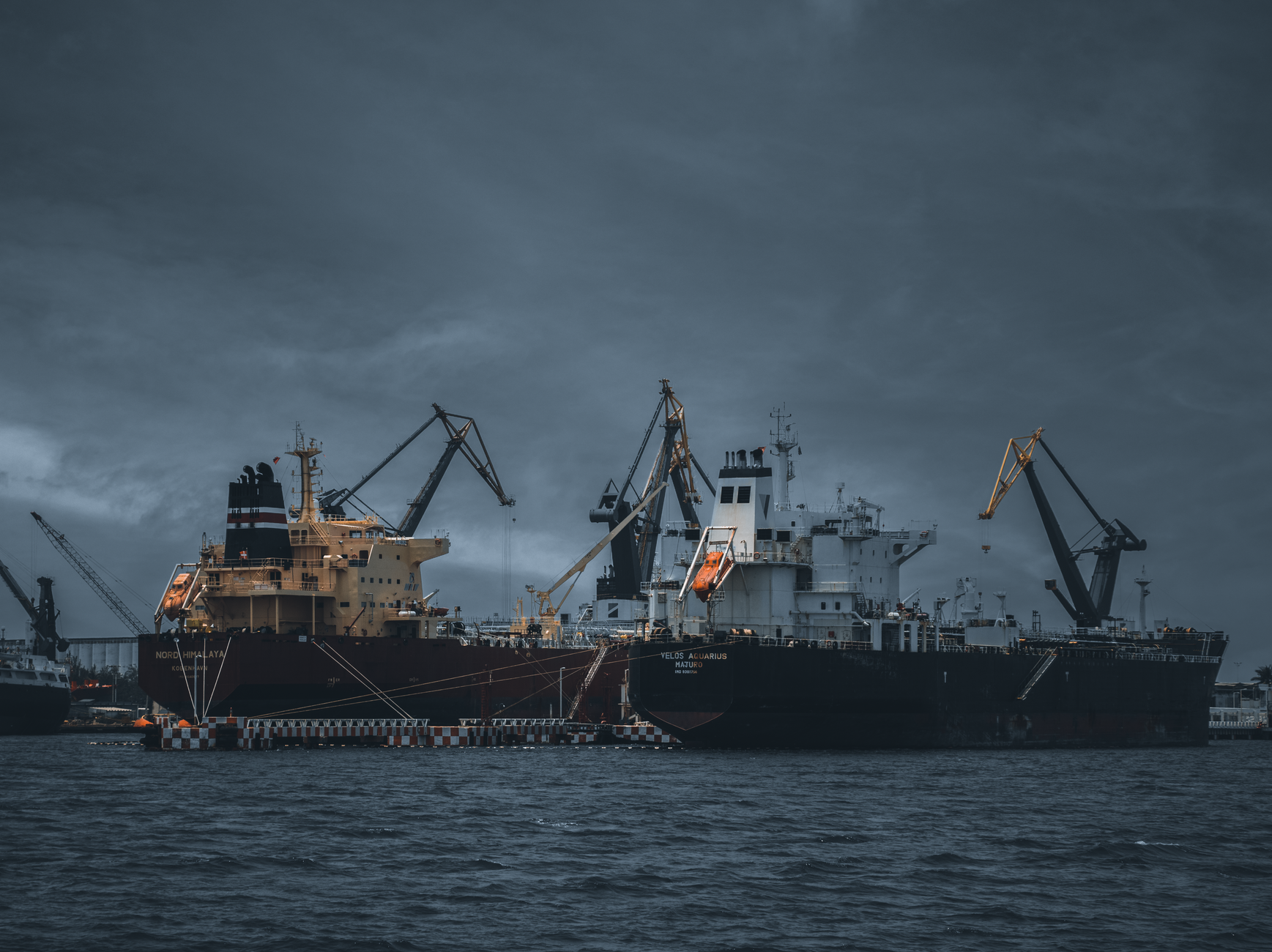
The broader geopolitical context cannot be ignored. These tariffs arrive amidst an already fraught global economic environment, characterized by lingering pandemic-related supply chain vulnerabilities, inflationary pressures, and heightened geopolitical rivalries. The U.S. action risks fragmenting global supply chains further, forcing companies to re-evaluate their sourcing strategies and potentially leading to higher costs for consumers. This policy could inadvertently accelerate a trend towards regionalized trade blocs, diminishing the interconnectedness that has defined the global economy for decades.
Background
The U.S. has a long-standing legal framework against the importation of goods produced with forced labor, primarily through Section 307 of the Tariff Act of 1930. Historically, enforcement of this provision was sporadic, often requiring substantial evidence and facing practical challenges in tracing supply chains. However, recent years have seen a significant revitalization of this enforcement, driven by increased public awareness, advocacy from human rights organizations, and bipartisan political consensus on the need to address modern slavery in global commerce. This renewed focus has led to more aggressive investigations and a lower threshold for initiating import bans.
The specific impetus for the latest round of tariffs can be traced to growing concerns over reports of systemic forced labor in certain regions and industries, particularly those involving ethnic minorities. These reports, often compiled by international NGOs and journalistic investigations, have put immense pressure on governments and corporations to act. The U.S. administration, responding to these calls and aiming to project a strong stance on human rights, has expanded its interpretation and application of existing laws, leading to the current broad-based tariff measures. This shift represents a move from targeted interventions to a more systemic approach.
Previous attempts by the U.S. to use trade policy to influence labor practices have yielded mixed results. While some actions have successfully pressured countries or companies to improve conditions, others have been criticized for being ineffective or for disproportionately harming innocent workers and legitimate businesses. The current tariffs are distinct in their scale and the direct challenge they pose to established trade relationships, indicating a more assertive and potentially disruptive strategy. The global community is now grappling with the implications of this unprecedented expansion of U.S. trade enforcement.
Winners and Losers
The immediate winners, at least in theory, are domestic industries in the U.S. that compete with imported goods now subject to tariffs. These tariffs could provide a competitive advantage, potentially leading to increased domestic production and job creation in specific sectors. Additionally, companies with robust, transparent supply chains that can definitively prove the absence of forced labor may also benefit, as their products gain a reputational edge and easier market access. Human rights advocacy groups and ethical consumers also see this as a victory, believing it a step towards more humane global production standards.
However, the list of potential losers is extensive and diverse. Foreign exporters in targeted industries will undoubtedly suffer, facing reduced access to the lucrative U.S. market and potentially having to reconfigure their entire business models. U.S. importers and retailers will also face significant challenges, including higher sourcing costs, supply chain disruptions, and the complex burden of proving compliance, which could lead to increased prices for consumers. Furthermore, developing nations heavily reliant on exports to the U.S. could experience severe economic setbacks, impacting their overall development goals and potentially exacerbating poverty.
Beyond direct economic impacts, the global trading system itself stands to lose. The tariffs risk fragmenting international trade, fostering retaliatory measures, and undermining the principles of free and fair trade. This could lead to a 'race to the bottom' in terms of trade relations, where countries prioritize national interests over multilateral cooperation, ultimately harming global economic stability and growth. The long-term consequences could include a less efficient global economy, reduced innovation, and heightened geopolitical tensions, making everyone a potential loser in the grand scheme.
Analyst Perspectives
Trade economists are largely sounding alarms, with many predicting significant disruptions to global supply chains and a potential slowdown in economic growth. Dr. Eleanor Vance, a senior fellow at the Global Trade Institute, states, "While the intent to combat forced labor is laudable, the unilateral application of these tariffs risks unraveling decades of multilateral trade agreements. The economic fallout could be substantial, forcing companies to undertake costly and time-consuming reshoring or nearshoring efforts that ultimately raise consumer prices." She emphasizes that the lack of international consensus on enforcement mechanisms will only exacerbate the problem, leading to a patchwork of regulations that are difficult for businesses to navigate.
Geopolitical analysts, on the other hand, view these tariffs as a strategic move by the U.S. to reassert its influence and shape global ethical standards, even at the cost of short-term economic friction. "This isn't just about economics; it's about values and power," explains Dr. Marcus Thorne from the Center for International Relations. "The U.S. is signaling that it will not compromise on human rights, even when it comes to trade. This could force other nations to re-evaluate their own labor practices or risk being ostracized from the world's largest consumer market." He suggests that while disruptive, this approach might ultimately lead to a more ethically aligned global economy, albeit through a turbulent transition.
Supply chain experts are urging businesses to diversify their sourcing immediately and invest heavily in supply chain transparency technologies. Maria Rodriguez, CEO of SupplyChain Solutions Inc., warns, "Companies that fail to adapt quickly will face severe penalties, including detained shipments and reputational damage. The era of 'don't ask, don't tell' in global sourcing is over. Businesses must now demonstrate verifiable due diligence across their entire value chain, from raw materials to finished goods, or face insurmountable barriers to market entry." This perspective highlights the operational imperative for proactive compliance and risk mitigation.
Key Questions Explained
The Outlook
The immediate future promises continued volatility and uncertainty in global trade. Businesses must brace for increased scrutiny, potential shipment delays, and the imperative to overhaul their supply chain due diligence processes. We are likely to see a surge in demand for supply chain transparency solutions and ethical sourcing consultants as companies scramble to adapt. The U.S. is unlikely to backtrack on these tariffs soon, given the strong domestic political consensus on combating forced labor, suggesting that this new era of trade enforcement is here to stay.
Diplomatically, the path forward is fraught with challenges. Trading partners will continue to voice their dissent, and some may even explore retaliatory measures or formal complaints at the World Trade Organization. The U.S. will need to engage in delicate negotiations to prevent a full-blown trade war while still upholding its stated commitment to human rights. The success of these tariffs in genuinely eradicating forced labor, rather than merely rerouting supply chains, will depend heavily on international cooperation and the development of universally accepted verification standards.
In the long term, these tariffs could fundamentally reshape global commerce, pushing industries towards more localized or ethically vetted supply chains. While this transition will be painful and costly, it could ultimately lead to a more resilient and responsible global economy. The pressure on companies to ensure ethical production will only intensify, making corporate social responsibility an undeniable cornerstone of international business. The world is watching to see if this bold U.S. policy achieves its humanitarian goals without irrevocably damaging the delicate fabric of global trade.










Comments
No comments yet. Be the first to comment!