
The Numbers
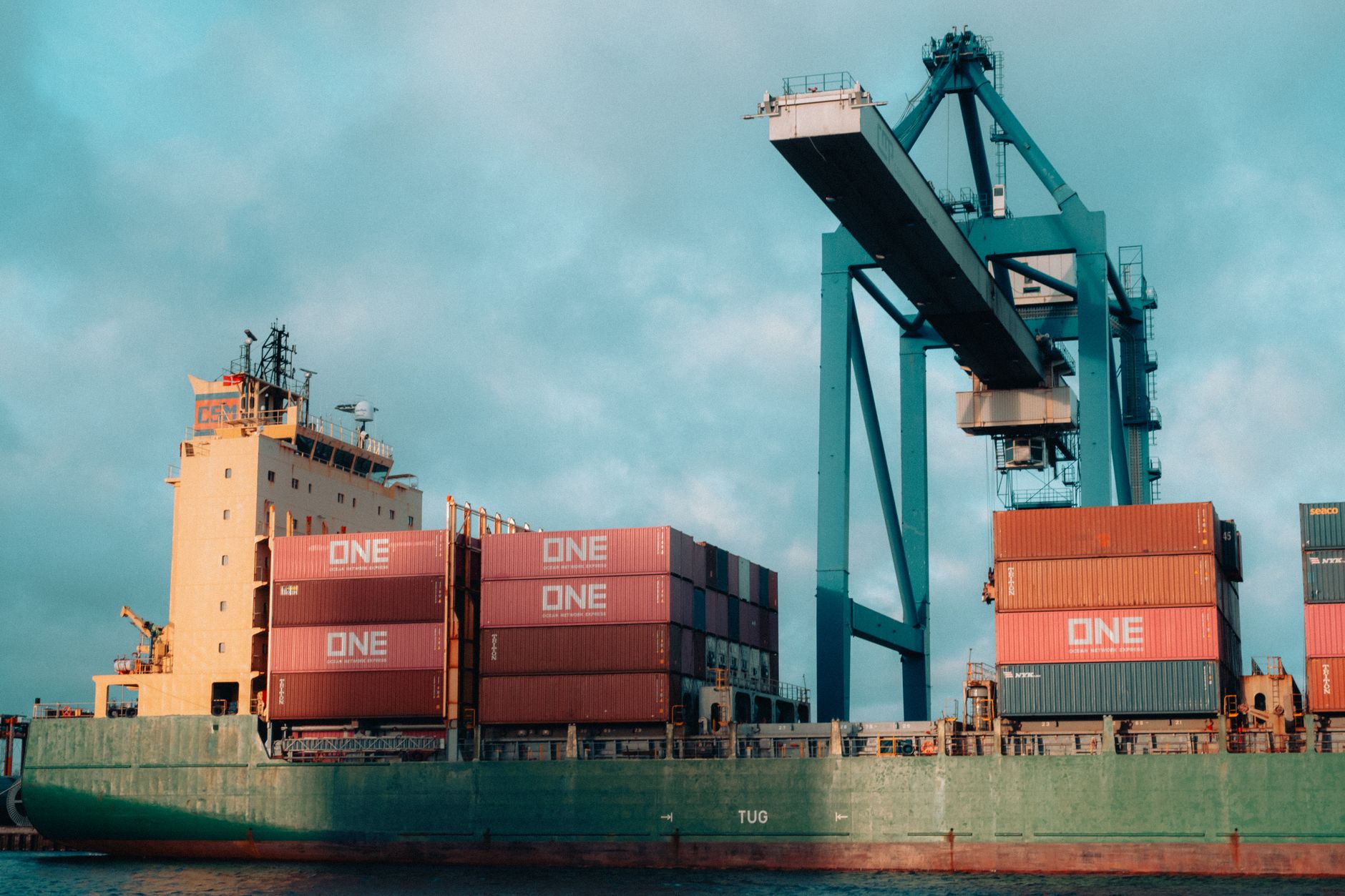
- Over $500 billion in goods are imported into the U.S. annually from regions identified as high-risk for forced labor, highlighting the massive scale of potential disruption.
- The new policy empowers U.S. Customs and Border Protection (CBP) to detain goods for up to 30 days, with potential extensions, if there is reasonable suspicion of forced labor involvement.
- Companies now face the burden of proof, needing to provide 'clear and convincing evidence' within a strict timeframe to demonstrate their supply chains are free of forced labor, a significant legal and logistical challenge.
- An estimated 28 million people globally are trapped in forced labor, with a substantial portion involved in manufacturing and agriculture, underscoring the humanitarian crisis this policy aims to address.
- Industry experts predict a potential 10-20% increase in compliance costs for multinational corporations as they invest in enhanced auditing, traceability technologies, and legal counsel to navigate the new regulations.
- The value of goods detained under previous, less stringent forced labor statutes has already reached hundreds of millions of dollars, indicating the potential for this new, broader policy to impact billions in trade.
Context Check
The United States has officially implemented a groundbreaking trade policy designed to aggressively combat the pervasive issue of forced labor within global supply chains. This new directive significantly broadens the scope of goods subject to import restrictions, moving beyond specific regions or industries to target any product suspected of being produced, in whole or in part, with forced labor. This marks a pivotal shift in U.S. trade enforcement, signaling a robust commitment to human rights and ethical sourcing, and placing an unprecedented onus on importers to ensure their supply chains are clean.
This policy is not merely an incremental adjustment; it represents a fundamental reorientation of how the U.S. approaches international trade and human rights. By empowering Customs and Border Protection (CBP) with enhanced authority to detain, investigate, and ultimately block imports, the government is sending an unequivocal message to global manufacturers and suppliers. The era of plausible deniability regarding labor practices is rapidly drawing to a close, compelling companies to undertake rigorous due diligence and transparency measures that were previously considered optional or secondary.
The implications of this policy extend far beyond the immediate economic impact. It is poised to reshape international trade relationships, incentivize ethical production practices worldwide, and potentially elevate human rights considerations to a primary factor in global commerce. While the immediate focus is on preventing the entry of illicit goods, the long-term goal is to foster a global marketplace where forced labor is systematically eradicated, demonstrating a powerful fusion of economic leverage and moral imperative.
Background
The genesis of this robust new policy lies in growing international concern over widespread human rights abuses, particularly the use of forced labor in the production of goods destined for global markets. For years, consumer advocacy groups, NGOs, and international bodies have highlighted the ethical compromises embedded in complex supply chains, often obscured by layers of intermediaries and opaque sourcing practices. This pressure has steadily mounted, culminating in legislative action designed to address these systemic issues head-on, rather than through piecemeal interventions.
Previous U.S. trade laws, such as the Tariff Act of 1930, contained provisions against forced labor, but enforcement was often limited by the high burden of proof placed on the government. These older statutes required specific evidence of forced labor in particular shipments, making large-scale interdiction challenging. The new policy dramatically shifts this paradigm, allowing for broader detention based on reasonable suspicion and placing the burden squarely on importers to demonstrate the absence of forced labor, a significant legal and practical hurdle for businesses.
This policy also reflects a broader global trend towards corporate social responsibility and supply chain transparency. Consumers are increasingly demanding ethically sourced products, and investors are scrutinizing environmental, social, and governance (ESG) factors. By enacting this stringent trade measure, the U.S. government is not only responding to humanitarian concerns but also aligning its trade policy with evolving global standards and consumer expectations, positioning itself as a leader in ethical commerce and human rights advocacy.
Winners and Losers
The primary 'winners' in this new trade landscape are undoubtedly human rights advocates and, most importantly, the vulnerable populations susceptible to forced labor. By creating a powerful economic disincentive for companies to engage with or tolerate forced labor, the policy aims to alleviate suffering and promote dignified work conditions globally. Companies that have already invested in ethical sourcing and transparent supply chains will also find themselves at an advantage, as their compliance frameworks are likely already robust enough to meet the new demands, potentially gaining market share from less prepared competitors.
Conversely, the 'losers' will primarily be businesses that have relied on opaque supply chains or knowingly sourced from regions implicated in forced labor practices. These companies face significant financial penalties, reputational damage, and the potential loss of access to the lucrative U.S. market. Furthermore, any entities, including state-sponsored enterprises, that directly or indirectly benefit from forced labor will find their business models severely challenged, potentially leading to widespread disruption and economic hardship in their operations.
Consumers may experience mixed outcomes. In the short term, there could be slight price increases for certain goods as companies adjust their supply chains and absorb higher compliance costs. However, in the long term, this policy promises a more ethical marketplace, where consumers can purchase goods with greater confidence that they are not contributing to human rights abuses. This shift could also drive innovation in supply chain traceability and ethical manufacturing, ultimately benefiting the global economy by fostering more sustainable and responsible production methods.
Analyst Perspectives
Trade analysts are largely in agreement that this new policy represents a significant escalation in the U.S.'s efforts to combat forced labor, moving beyond rhetoric to concrete economic action. "This is not just a tweak to existing regulations; it's a paradigm shift that will force every company doing business with the U.S. to re-evaluate their entire supply chain," noted Dr. Eleanor Vance, a senior fellow at the Global Trade Institute. "The burden of proof reversal is particularly potent, transforming passive compliance into active demonstration of ethical sourcing."
Legal experts are emphasizing the profound implications for corporate due diligence. "Companies can no longer claim ignorance or rely on superficial audits," states Sarah Chen, a partner specializing in international trade law. "They must implement robust traceability systems, conduct deep-dive investigations into their sub-suppliers, and be prepared to present irrefutable evidence that their goods are free from forced labor. The legal and financial risks of non-compliance are now astronomical, making proactive measures absolutely essential."
Economists are forecasting potential short-term disruptions but long-term positive impacts. While some industries, particularly those with complex, multi-layered supply chains in high-risk regions, may face initial bottlenecks and increased costs, the policy is expected to drive greater transparency and efficiency in the long run. "The initial shock will be absorbed, but the enduring effect will be a cleaner, more resilient global supply chain," commented Marcus Thorne, an economist specializing in international development. "This policy could catalyze a race to the top in ethical manufacturing, benefiting workers and responsible businesses worldwide."

Key Questions Explained
The Outlook
The implementation of this sweeping new trade policy marks the beginning of a challenging yet potentially transformative era for global commerce. Businesses worldwide must now confront the reality that ethical sourcing is no longer a niche concern but a fundamental requirement for market access in the United States. The initial months will likely see a surge in detained shipments as CBP ramps up enforcement and companies scramble to adapt their compliance frameworks. This period will test the resilience of global supply chains and the preparedness of multinational corporations.
Looking ahead, the policy is expected to catalyze significant investment in supply chain transparency technologies, ethical auditing services, and legal expertise. Companies that embrace these changes proactively will likely emerge stronger, with more resilient and ethically sound supply chains. Those that delay or attempt to circumvent the regulations will face severe consequences, including substantial financial penalties, damaged reputations, and the potential permanent loss of access to the U.S. market. The ripple effects will undoubtedly extend beyond U.S. borders, influencing trade policies and corporate practices globally.
Ultimately, the success of this policy will be measured not only by the volume of goods interdicted but by its ability to fundamentally alter the landscape of global production, making forced labor economically untenable. It represents a powerful statement from the U.S. that economic prosperity should not come at the expense of human dignity. While the path to a truly forced-labor-free global supply chain is long and complex, this new policy is a decisive step forward, setting a precedent for other nations and pushing the world closer to a more ethical and equitable trading system.











Comments
No comments yet. Be the first to comment!