


Policy Snapshot
- The global sanctions regime is experiencing an unprecedented surge in complexity and scope, driven by geopolitical tensions, technological advancements, and a renewed focus on human rights and environmental concerns. This expansion demands a proactive and adaptive compliance strategy from all international actors.
- Key jurisdictions, including the United States, European Union, and United Kingdom, are increasingly coordinating their sanctions efforts, leading to a more harmonized yet expansive enforcement environment. This coordinated approach amplifies the potential for cascading impacts across global supply chains and financial networks.
- The rise of secondary sanctions and extraterritorial application means that even entities with no direct nexus to sanctioned countries can face severe penalties for facilitating transactions or providing services that indirectly benefit sanctioned parties. This necessitates a deep understanding of indirect exposure and risk.
- Technological advancements, particularly in areas like cryptocurrency and AI, are creating new avenues for sanctions evasion, prompting regulators to develop sophisticated monitoring and enforcement tools. Businesses must invest in cutting-edge compliance technology to keep pace with these evolving threats.
- Sectoral sanctions, targeting specific industries or economic activities, are becoming more prevalent, requiring businesses to conduct granular due diligence on their operations and partnerships. This shift from entity-based to activity-based restrictions adds another layer of complexity to compliance frameworks.
- The humanitarian carve-out provisions within sanctions regimes are under increasing scrutiny, with a growing emphasis on ensuring that sanctions do not inadvertently impede the delivery of essential aid. However, navigating these carve-outs still requires meticulous documentation and strict adherence to specific guidelines.
The Policy History
The evolution of global sanctions has been a dynamic journey, transforming from blunt instruments of statecraft into highly sophisticated and targeted tools of foreign policy. Historically, sanctions were often broad embargoes, designed to isolate entire nations economically. However, the efficacy of such measures was often debated, with concerns raised about their humanitarian impact and potential for unintended consequences. The shift towards more targeted sanctions, focusing on specific individuals, entities, or sectors, began to gain prominence in the late 20th and early 21st centuries, driven by a desire to minimize harm to civilian populations while maximizing pressure on rogue regimes or actors. This strategic refinement marked a significant turning point in the application of international economic pressure.
In recent decades, the geopolitical landscape has profoundly influenced the trajectory of sanctions policy. Major events such as the 9/11 attacks led to a significant expansion of counter-terrorism financing sanctions, while conflicts and human rights abuses spurred the development of more robust human rights-based sanctions regimes, like the Magnitsky Act. The rise of state-sponsored cyber warfare and the proliferation of weapons of mass destruction have further broadened the scope, introducing new categories of sanctionable activities. This continuous adaptation reflects an international community grappling with complex, evolving threats, seeking to leverage economic power to enforce international norms and security. The increasing interconnectedness of the global economy has also made sanctions a more potent, albeit intricate, weapon.
Looking ahead to 2026, the trajectory indicates an acceleration of these trends. The weaponization of economic interdependence, coupled with a fragmented international order, suggests that sanctions will remain a primary tool for states to project influence and address perceived threats. We anticipate a continued focus on dual-use technologies, critical infrastructure, and emerging technologies like AI and quantum computing, as these areas become central to national security and economic competition. Furthermore, the push for greater transparency and accountability in global financial systems will likely lead to even more stringent enforcement and a lower tolerance for non-compliance, creating a challenging environment for multinational corporations and financial institutions. The stakes for compliance have never been higher.
Who Is Affected
The ripple effects of an increasingly complex global sanctions landscape extend far beyond the directly targeted entities, impacting a vast array of stakeholders across the international economic spectrum. Multinational corporations, particularly those with extensive global supply chains or operations in high-risk jurisdictions, face immense pressure to adapt their compliance frameworks. These companies must navigate a labyrinth of often conflicting regulations, ensuring that their subsidiaries, partners, and even third-party vendors adhere to stringent sanctions requirements. The cost of non-compliance, ranging from hefty fines and reputational damage to market exclusion, can be catastrophic, making robust due diligence and continuous monitoring absolutely essential for their survival and growth in a globalized market.
Financial institutions, including banks, investment firms, and payment processors, are at the forefront of sanctions enforcement, acting as critical gatekeepers in the global financial system. They bear the primary responsibility for screening transactions, identifying sanctioned individuals and entities, and reporting suspicious activities. The sheer volume and complexity of financial flows, coupled with the rapid evolution of sanctions lists and regulatory interpretations, pose significant operational challenges. These institutions must invest heavily in advanced technology, expert personnel, and robust internal controls to mitigate the risk of facilitating illicit transactions, facing severe penalties and potential loss of operating licenses if they fail to uphold their gatekeeping duties effectively. The regulatory burden continues to intensify.
Beyond corporations and financial institutions, the impact reverberates through national economies and even individual citizens. Countries heavily reliant on international trade or foreign investment may find their economic stability jeopardized by sanctions targeting key sectors or trading partners. Small and medium-sized enterprises (SMEs) with international dealings often lack the resources and expertise to navigate complex sanctions regimes, putting them at a competitive disadvantage or even forcing them out of international markets. Furthermore, humanitarian organizations face the delicate task of delivering aid to sanctioned regions without inadvertently violating restrictions, often operating in a grey area that demands meticulous legal guidance and operational planning. The human cost of sanctions, while often intended to be minimal, can be significant, affecting access to essential goods and services for ordinary people.
The Case For
Proponents argue that sanctions remain an indispensable tool in the international diplomatic arsenal, offering a powerful, non-military means to influence the behavior of states and non-state actors. When effectively designed and implemented, sanctions can exert significant economic pressure, compelling targeted regimes to alter policies related to human rights abuses, nuclear proliferation, terrorism financing, or territorial aggression. They provide a crucial middle ground between mere diplomatic condemnation and direct military intervention, allowing states to project power and uphold international norms without resorting to armed conflict. This strategic flexibility makes them a preferred instrument for addressing complex global challenges in an increasingly interconnected world, offering a pathway to peaceful resolution where other options might fail.
Furthermore, targeted sanctions, focusing on specific individuals, entities, or sectors rather than entire economies, are increasingly seen as a more ethical and effective approach. By freezing assets of corrupt officials, restricting access to technology for military end-users, or limiting financial flows to terrorist organizations, these measures aim to minimize harm to innocent civilians while maximizing pressure on decision-makers. This precision allows for greater accountability, ensuring that those responsible for egregious actions bear the brunt of the economic consequences. The ability to isolate and financially cripple specific actors without devastating an entire population is a significant advancement in the application of international law and justice, promoting a more nuanced and humane approach to foreign policy.
Beyond their immediate coercive power, sanctions also serve a vital signaling function, communicating a clear message of international disapproval and setting precedents for unacceptable behavior. They can deter other potential wrongdoers by demonstrating the tangible costs of violating international law or human rights. Moreover, sanctions can play a crucial role in preventing the flow of funds and resources to illicit activities, thereby strengthening global security and stability. By disrupting the financial networks of terrorist groups, proliferators, and criminal organizations, sanctions contribute directly to a safer world, protecting national interests and upholding the rule of law on a global scale. Their deterrent effect is a cornerstone of modern international relations.
The Case Against
Critics contend that despite their intended precision, sanctions often inflict widespread humanitarian suffering, disproportionately affecting vulnerable populations rather than the targeted regimes or individuals. Broad economic restrictions can lead to shortages of essential goods, including food and medicine, cripple vital infrastructure, and exacerbate poverty, creating a humanitarian crisis that undermines the very moral authority of the sanctioning nations. This unintended consequence can fuel resentment, destabilize regions, and even strengthen authoritarian regimes by allowing them to blame external forces for internal hardships. The ethical dilemma of potentially harming millions to influence a few remains a significant challenge, questioning the true effectiveness and morality of such measures.
Moreover, the effectiveness of sanctions in achieving their stated policy goals is frequently debated, with many historical examples demonstrating their limited success or even counterproductive outcomes. Sanctions can incentivize targeted countries to develop self-sufficiency, foster illicit trade networks, or seek alternative alliances, thereby undermining the very objectives they were designed to achieve. They can also be difficult to enforce consistently, with loopholes and third-party circumvention often diluting their impact. The complexity of the global economy means that isolating one nation can inadvertently create opportunities for others, shifting trade patterns rather than fundamentally changing behavior. This often leads to a 'whack-a-mole' scenario where new evasion tactics emerge as quickly as new sanctions are imposed.
A significant concern also revolves around the potential for sanctions to undermine international cooperation and the rule of law. Unilateral sanctions, in particular, can be perceived as an infringement on national sovereignty and can lead to retaliatory measures, escalating geopolitical tensions rather than de-escalating them. The extraterritorial application of sanctions, where one nation's laws are imposed on entities in other sovereign states, creates legal ambiguities and can strain diplomatic relations, fostering a climate of distrust and fragmentation. This approach can lead to a 'race to the bottom' in international trade and finance, where countries prioritize political alignment over economic efficiency, ultimately fragmenting the global economic system and hindering collective action on shared challenges. The long-term implications for global governance are deeply troubling.
Policy Questions Answered
Implementation Watch
The effectiveness of global sanctions hinges critically on their robust implementation and vigilant enforcement. As we move towards 2026, regulators are increasingly leveraging advanced analytics, artificial intelligence, and blockchain technology to identify and disrupt illicit financial flows and sanctions evasion schemes. This technological arms race means that traditional compliance methods are no longer sufficient; entities must invest in cutting-edge solutions that can process vast amounts of data, detect subtle patterns of circumvention, and provide real-time intelligence. The focus is shifting from reactive enforcement to proactive detection, demanding a higher level of sophistication from both the regulators and the regulated. The stakes for technological superiority in compliance have never been higher.
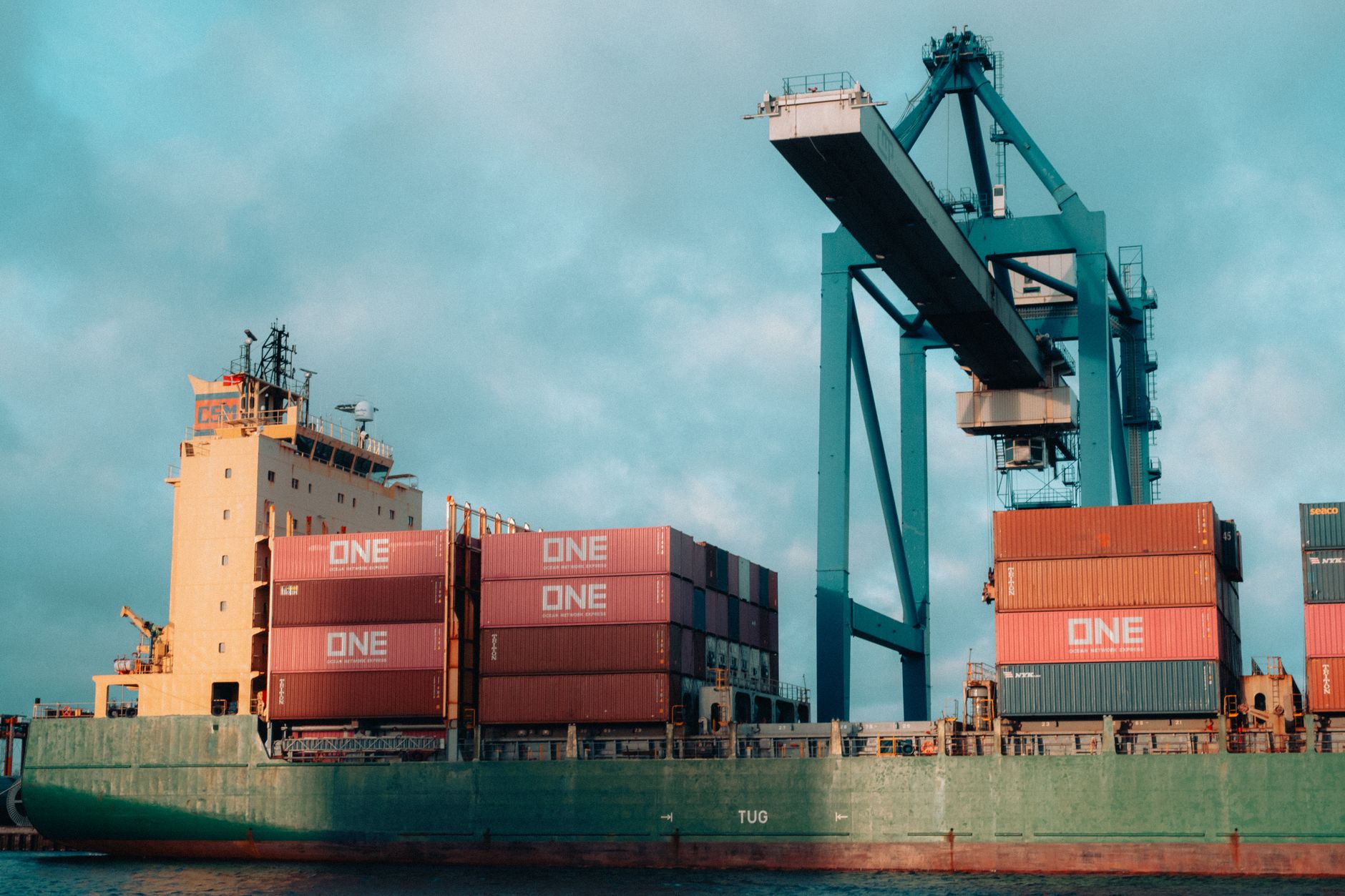
A key area of focus for enforcement agencies will be the extraterritorial reach of sanctions, particularly from the United States, which continues to assert its jurisdiction over non-U.S. entities engaging with sanctioned parties. This creates a complex legal and operational environment for multinational corporations, who must reconcile potentially conflicting national laws and avoid 'de-risking' practices that could inadvertently harm legitimate humanitarian efforts. Regulators are also scrutinizing the role of facilitators—banks, lawyers, consultants, and even shipping companies—who wittingly or unwittingly enable sanctions evasion. This broadens the scope of potential liability, requiring all actors in the global supply chain to exercise extreme caution and due diligence in their international dealings.
Furthermore, the trend towards greater international cooperation in sanctions enforcement is expected to intensify. Information sharing between national authorities, joint investigations, and coordinated penalty actions will become more commonplace, creating a unified front against sanctions violations. This collaborative approach aims to close loopholes and prevent arbitrage, making it increasingly difficult for sanctioned entities to operate globally. For businesses, this means that a violation in one jurisdiction can quickly trigger investigations and penalties in multiple others, underscoring the imperative for a globally consistent and meticulously implemented compliance program. The era of isolated enforcement is rapidly drawing to a close, replaced by a formidable, interconnected regulatory network.















Comments
No comments yet. Be the first to comment!