
The Story in Brief
- The United States and Israel are actively coordinating a multi-faceted strategy aimed at containing and countering Iran's growing regional influence and its nuclear ambitions, a collaboration that has significantly intensified in recent months.
- Recent intelligence assessments indicate a heightened state of readiness from both US and Israeli forces in the Middle East, signaling a potential for more direct confrontation if diplomatic efforts continue to falter or Iranian actions cross perceived red lines.
- Iran continues to defy international pressure regarding its nuclear program, enriching uranium to levels far beyond the limits set by the collapsed 2015 nuclear deal, raising serious proliferation concerns among Western powers and regional adversaries.
- Economic sanctions, primarily spearheaded by the US, have severely impacted Iran's economy, yet Tehran has shown resilience, often finding alternative trade routes and support from non-Western allies, complicating the effectiveness of these punitive measures.
- Proxy conflicts across the Middle East, particularly in Yemen, Syria, Lebanon, and Iraq, serve as critical battlegrounds where US-backed forces and Israeli interests clash indirectly with Iranian-supported militias, fueling regional instability and humanitarian crises.
- International diplomatic efforts to de-escalate tensions and revive the nuclear agreement have largely stalled, with both sides maintaining rigid positions, leaving the door open for further escalation and a dangerous lack of communication channels.
The Human Face
Beyond the geopolitical chess moves and military posturing, the looming specter of conflict casts a long shadow over millions of ordinary people across the Middle East. For Iranian citizens, the relentless pressure of international sanctions translates into daily struggles: soaring inflation, widespread unemployment, and a severe shortage of essential goods, including medicines. Families grapple with diminished purchasing power, watching their savings evaporate, and their hopes for a stable future dwindle. The youth, in particular, face a bleak economic outlook, often feeling trapped between a repressive regime and an unforgiving global economic system, leading to widespread disillusionment and occasional, often violently suppressed, protests.
In neighboring countries like Iraq, Syria, and Lebanon, the human cost of proxy conflicts fueled by the US-Israeli-Iranian rivalry is devastatingly clear. Civilians are caught in the crossfire, displaced from their homes, and subjected to unimaginable violence. Hospitals are overwhelmed, infrastructure is crumbling, and basic services are non-existent in many areas. Children grow up in environments scarred by war, deprived of education and stability, carrying the psychological burdens of conflict. These regions have become unwilling arenas for a larger power struggle, with local populations paying the ultimate price for geopolitical ambitions.
The fear of a broader regional war is palpable, not just among policymakers but among everyday people. Residents in Israel live with the constant threat of missile attacks from Iranian-backed groups, while Gulf states nervously eye the Strait of Hormuz, a critical shipping lane vulnerable to disruption. This pervasive anxiety affects mental health, economic planning, and social cohesion. The human face of this conflict is one of resilience amidst immense suffering, a testament to the enduring spirit of communities striving for peace and normalcy in the shadow of an ever-present threat of escalation.
How We Got Here
The current heightened tensions are the culmination of decades of animosity and strategic competition between Iran, the United States, and Israel. A pivotal moment was the 1979 Iranian Revolution, which transformed Iran from a key US ally into an anti-Western Islamic Republic, fundamentally altering the geopolitical balance in the Middle East. This ideological shift immediately put Iran at odds with US interests and cemented its rivalry with Israel, which viewed the new regime as an existential threat. The subsequent Iran-Iraq War (1980-1988), where the US covertly supported Iraq, further deepened Iranian distrust of American intentions and solidified its resolve to develop indigenous military capabilities and regional influence.
The early 2000s saw the emergence of Iran's clandestine nuclear program, which became the primary flashpoint for international concern. Despite Iran's insistence on peaceful intentions, its uranium enrichment activities and lack of transparency with international inspectors fueled fears of a nuclear weapon capability. This led to a series of UN Security Council sanctions, unilateral US and EU sanctions, and intense diplomatic efforts. The landmark 2015 Joint Comprehensive Plan of Action (JCPOA), or Iran nuclear deal, offered a temporary reprieve, placing strict limits on Iran's nuclear activities in exchange for sanctions relief. However, this agreement was always controversial, particularly in Israel and among US conservatives, who argued it did not adequately address Iran's ballistic missile program or its support for regional proxies.
The withdrawal of the United States from the JCPOA in 2018 under the Trump administration marked a critical turning point, effectively dismantling the fragile diplomatic framework and re-imposing crippling sanctions. This move, strongly supported by Israel, was intended to force Iran back to the negotiating table for a 'better deal,' but instead prompted Iran to progressively abandon its commitments under the accord, accelerating its nuclear program. Since then, a cycle of escalation has taken hold: Iranian provocations, US and Israeli retaliatory measures, and an ever-increasing risk of direct military confrontation. The current moment is a direct consequence of this unraveling, with both sides locked in a dangerous dance of brinkmanship, each convinced of the righteousness of its own strategic imperatives.
Why This Cannot Be Ignored
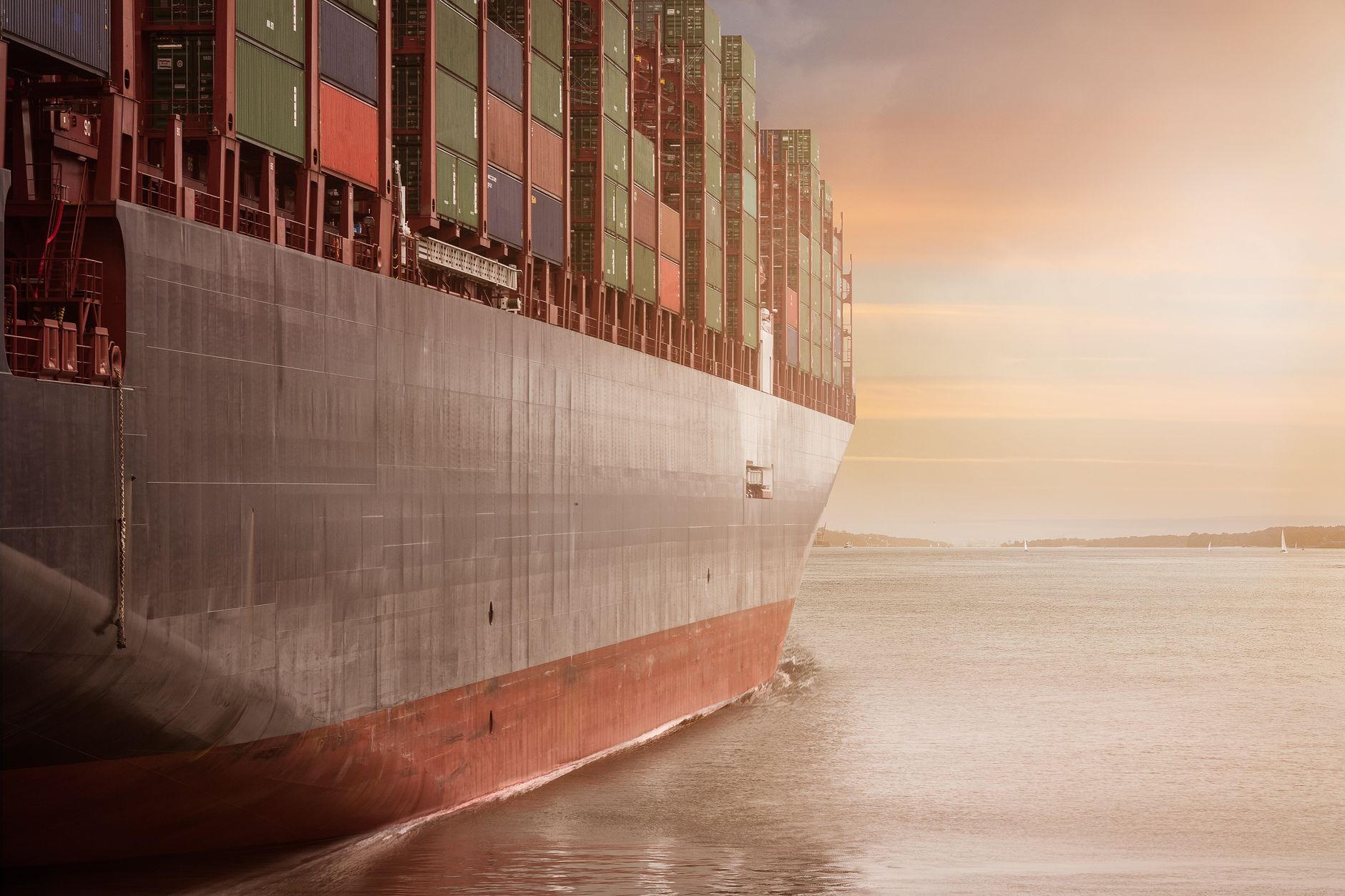
The escalating tensions between the US, Israel, and Iran are not merely a regional dispute; they represent a critical global flashpoint with far-reaching implications that demand immediate attention. A direct military confrontation in the Persian Gulf would send shockwaves through the international energy markets, potentially causing oil prices to skyrocket and triggering a global economic recession. The Strait of Hormuz, a narrow chokepoint through which a significant portion of the world's oil supply passes, could be disrupted, leading to unprecedented economic instability and supply chain chaos worldwide. This potential for economic fallout alone underscores the urgent need for de-escalation and a diplomatic resolution.
Beyond economics, the risk of nuclear proliferation looms large. If Iran successfully develops a nuclear weapon, it would fundamentally alter the security landscape of the Middle East, potentially triggering a regional arms race as other nations, feeling threatened, pursue their own nuclear capabilities. Such a scenario would destabilize an already volatile region, increasing the likelihood of catastrophic conflict and making the world a far more dangerous place. The international community has a profound interest in preventing nuclear proliferation, making the Iranian nuclear program a central concern that cannot be ignored.
Furthermore, a full-blown conflict would undoubtedly exacerbate existing humanitarian crises across the Middle East, leading to massive displacement, increased civilian casualties, and further destabilization of fragile states. The ripple effects would extend globally, potentially fueling extremism, straining international aid resources, and creating new waves of refugees. The interconnectedness of modern geopolitics means that a conflict of this magnitude would not be contained; its consequences would be felt in every corner of the world, impacting international relations, trade, and human security. Ignoring this escalating crisis is not an option; proactive engagement and a concerted effort towards peace are essential to avert a global catastrophe.
Possible Paths Forward
One primary path forward involves a renewed and robust diplomatic initiative to revive a modified version of the Joint Comprehensive Plan of Action (JCPOA). This would necessitate both the US and Iran making significant concessions. For the US, it might mean easing some sanctions to create goodwill and demonstrate a genuine commitment to negotiation. For Iran, it would require greater transparency regarding its nuclear program, verifiable steps to reduce enrichment levels, and potentially discussions about its ballistic missile program and regional proxy activities. Such a diplomatic track, perhaps mediated by European powers or other neutral parties, aims to de-escalate tensions by providing a structured framework for mutual reassurance and verifiable compliance, preventing a nuclear breakout and offering a pathway to reintegrate Iran into the global economy.
Another potential avenue involves a strategy of enhanced deterrence coupled with targeted engagement. This approach would see the US and Israel maintaining a strong military posture in the region, clearly signaling that any direct aggression or significant advancements in Iran's nuclear program would be met with a decisive response. Simultaneously, this path would include limited, perhaps indirect, diplomatic channels to manage crises and prevent miscalculation. The goal here is not necessarily a comprehensive deal, but rather a stable, albeit tense, coexistence where Iran is deterred from escalation while maintaining open lines of communication to prevent accidental conflict. This strategy relies on a delicate balance of credible threat and pragmatic dialogue, seeking to manage the conflict rather than fully resolve it.
A third, more contentious, path involves a strategy of increased pressure, potentially leading to regime change, either through internal dissent or external intervention. This approach, favored by some hardliners in the US and Israel, posits that the current Iranian regime is inherently unreformable and that only a fundamental shift in governance can truly resolve the underlying issues. This could involve supporting opposition movements within Iran, intensifying economic sanctions to the point of collapse, or even considering military options as a last resort. However, this path carries immense risks, including widespread instability, humanitarian catastrophe, and the potential for a much larger and more devastating regional war, making it an extremely dangerous and unpredictable option with potentially catastrophic global consequences.

Questions People Are Actually Asking
What to Watch
- **IAEA Reports on Iran's Nuclear Program:** Closely monitor the International Atomic Energy Agency's quarterly reports on Iran's nuclear activities, particularly any changes in uranium enrichment levels, the deployment of advanced centrifuges, or restrictions on inspector access, as these are critical indicators of Iran's nuclear intentions and capabilities.
- **US-Israeli Joint Military Exercises:** Observe any announcements or reports regarding joint military exercises between the United States and Israel in the Middle East, as these often serve as a clear signal of deterrence and readiness, potentially indicating heightened coordination against perceived Iranian threats.
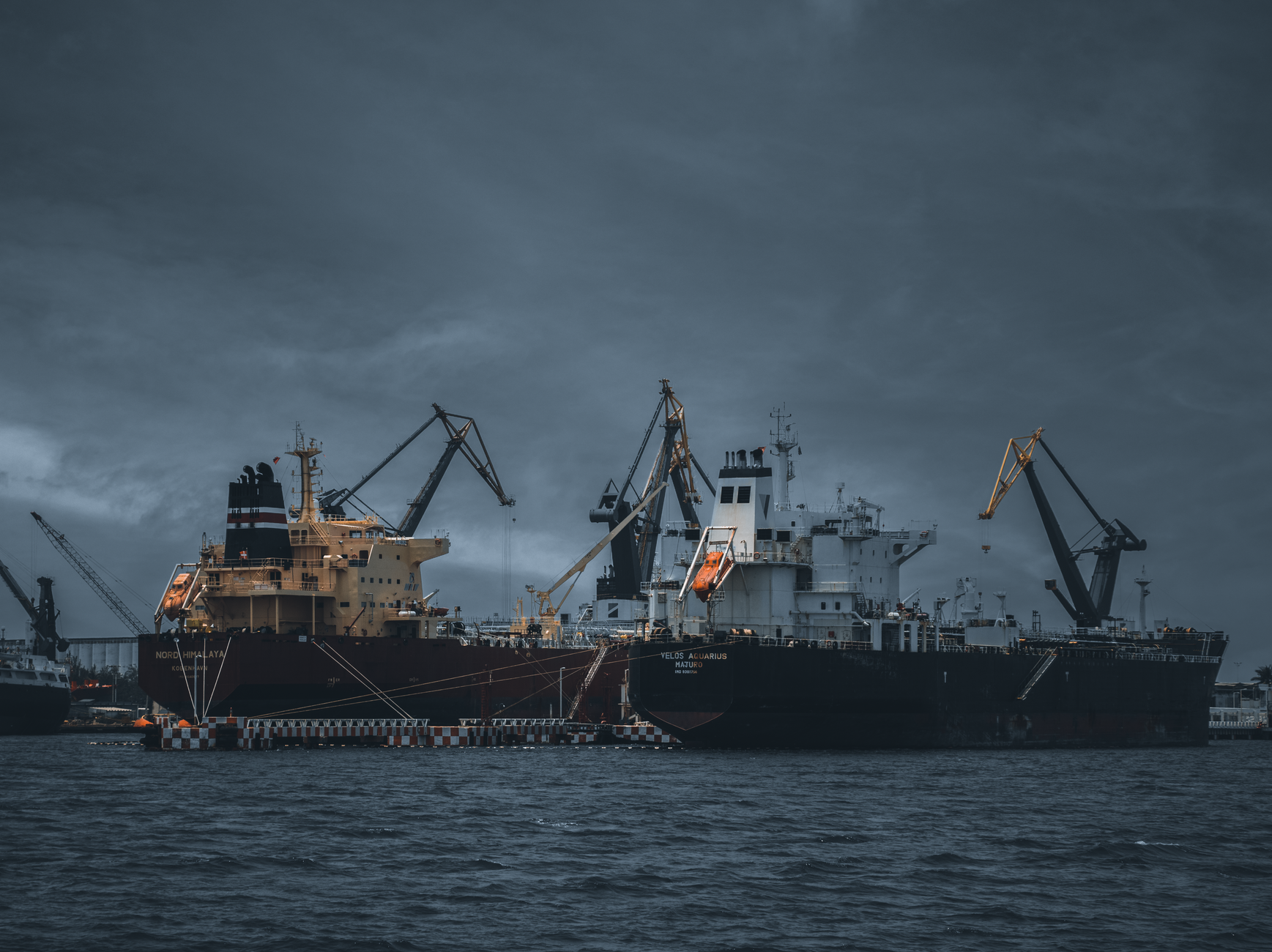
- **Iranian Naval Activities in the Strait of Hormuz:** Keep an eye on reports of Iranian Revolutionary Guard Corps (IRGC) naval maneuvers or any incidents involving commercial shipping in the Strait of Hormuz, as disruptions in this vital waterway could quickly escalate tensions and impact global energy markets.
- **Regional Proxy Conflicts:** Track developments in proxy conflicts across the region, especially in Yemen, Syria, and Lebanon, where Iranian-backed groups and US-Israeli interests frequently clash, as any significant escalation in these areas could spill over into a broader regional confrontation.
- **Diplomatic Engagements and Sanctions Relief Talks:** Follow any news regarding potential renewed diplomatic talks between the US and Iran, or discussions about sanctions relief, as these could signal a shift towards de-escalation or, conversely, a breakdown in communication that increases the risk of conflict.
- **Internal Iranian Political Developments:** Pay attention to internal political shifts within Iran, including leadership changes, public protests, or economic policy adjustments, as these domestic factors can significantly influence Tehran's foreign policy decisions and its posture towards the US and Israel.









Comments
No comments yet. Be the first to comment!