
Key Takeaways
- The global economy is facing a significant resurgence of trade protectionism, reminiscent of earlier periods of heightened geopolitical tensions and economic nationalism, which could severely impact international commerce and investment flows.
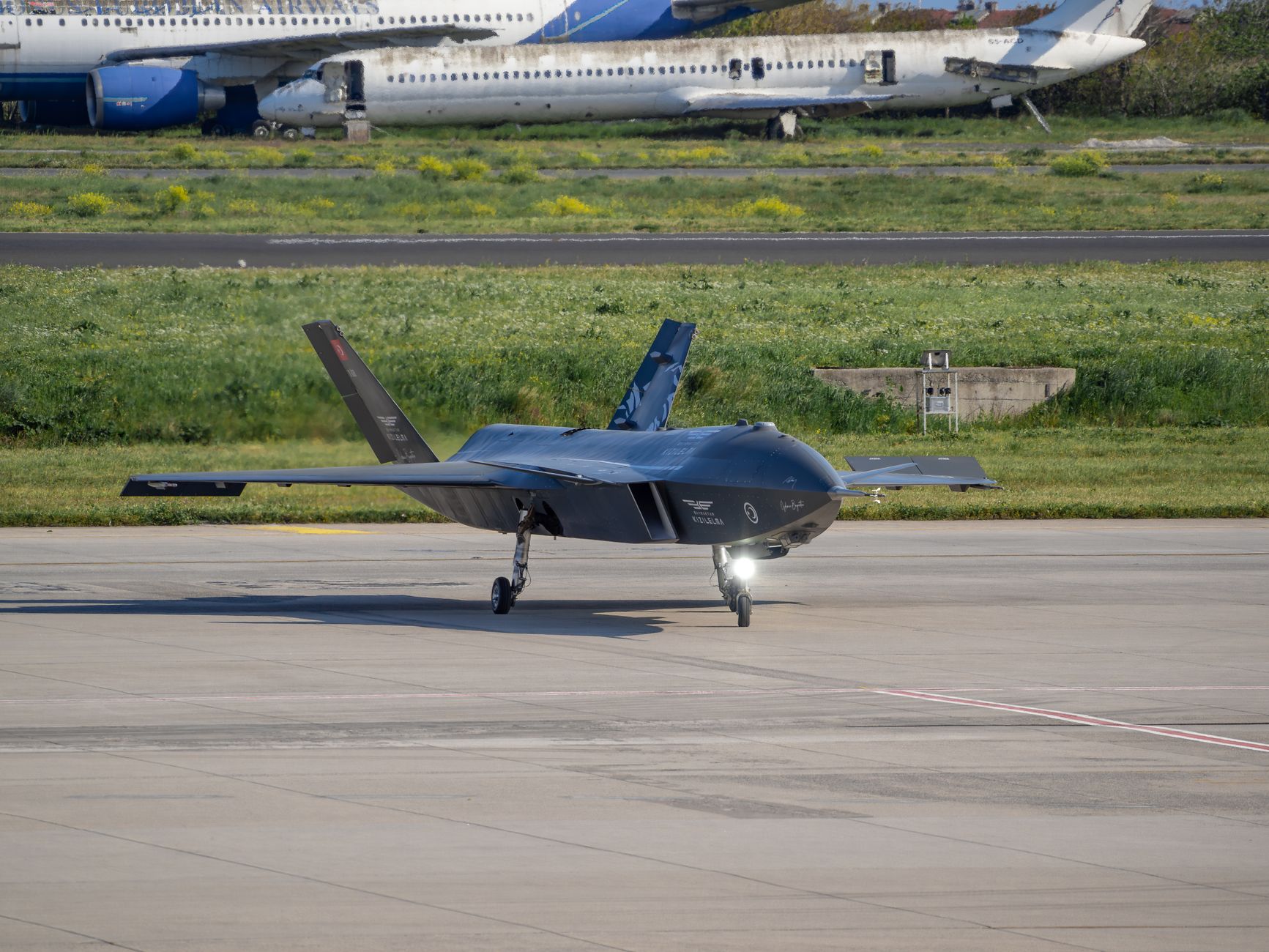
- New tariffs and non-tariff barriers are being implemented by major economic powers, directly targeting key industries such as technology, automotive, and renewable energy, leading to increased production costs and reduced market access.
- Supply chains, already strained by recent global events, are expected to face further fragmentation and re-shoring pressures, potentially leading to higher consumer prices and reduced product availability across various sectors.
- Businesses are grappling with heightened uncertainty, forcing them to re-evaluate investment strategies, diversify sourcing, and potentially relocate manufacturing facilities to mitigate risks associated with unpredictable trade policies.
- Consumers are likely to experience the direct effects through increased prices on imported goods and a potentially narrower selection of products, as companies pass on the costs of tariffs and supply chain adjustments.
- Policymakers are under immense pressure to navigate this complex landscape, balancing domestic industrial protection with the imperative of maintaining stable international trade relations and avoiding retaliatory cycles that could escalate into broader economic conflicts.
Background
The specter of trade wars, once a prominent feature of the global economic landscape, has made an alarming comeback, threatening to unravel years of progress in international trade liberalization. This renewed wave of protectionism is not merely a continuation of past disputes but represents an intensification of economic nationalism and geopolitical competition. Nations are increasingly prioritizing domestic industries and national security over the principles of free trade, leading to a proliferation of tariffs, quotas, and other non-tariff barriers. This shift is driven by a complex interplay of factors, including the desire to re-shore manufacturing, protect strategic industries, and exert economic leverage in international relations.
Historically, trade wars have proven to be detrimental to global economic growth, often leading to reduced trade volumes, higher consumer prices, and increased market volatility. The current environment is particularly precarious given the interconnectedness of global supply chains and the lingering economic vulnerabilities from recent crises. Major economies are increasingly engaging in tit-for-tat measures, with new tariffs targeting critical sectors such as advanced technology, electric vehicles, and agricultural products. This escalation risks creating a domino effect, where one country's protective measures trigger retaliatory actions from others, further fragmenting the global trading system.
The underlying causes of this resurgence are multifaceted, encompassing a blend of economic anxieties, national security imperatives, and ideological shifts. Many countries are grappling with concerns about industrial capacity, technological dominance, and job security, leading to political pressure for protectionist policies. Furthermore, geopolitical rivalries are increasingly spilling over into the economic sphere, with trade policies being weaponized to achieve strategic objectives. This complex backdrop means that the current trade tensions are unlikely to be easily resolved, suggesting a prolonged period of uncertainty and disruption for businesses and consumers worldwide. Understanding these foundational elements is crucial for anticipating the broader implications.
Why It Matters
The re-emergence of trade wars is not an abstract economic theory; it has tangible and far-reaching consequences for every facet of the global economy, from multinational corporations to individual households. For businesses, the immediate impact is increased operational complexity and cost. Tariffs act as a tax on imports, raising the price of raw materials and components, which then translates into higher production costs for finished goods. This forces companies to either absorb these costs, eroding profit margins, or pass them on to consumers, leading to inflationary pressures. Furthermore, the uncertainty surrounding trade policies makes long-term investment planning incredibly difficult, potentially stifling innovation and expansion.
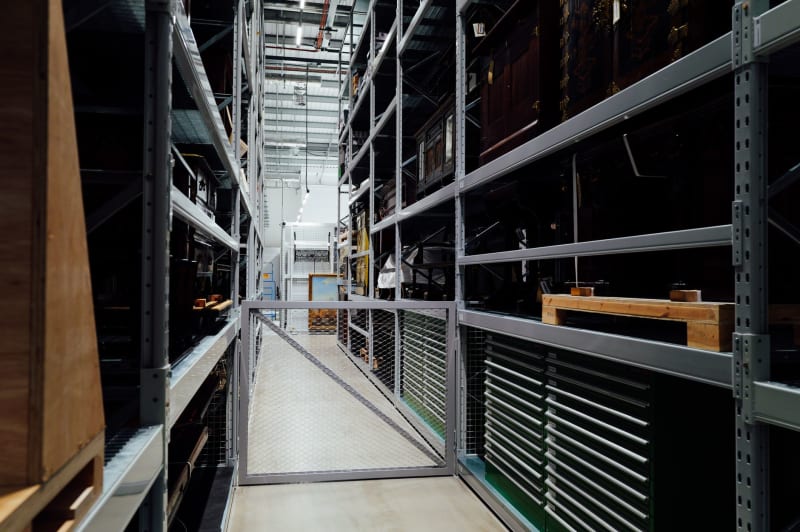
Beyond direct costs, trade protectionism fundamentally reshapes global supply chains. Companies that have optimized their production networks for efficiency and cost-effectiveness over decades are now forced to re-evaluate and potentially re-shore or near-shore operations. This process is expensive, time-consuming, and can lead to inefficiencies as new supply routes and manufacturing hubs are established. The fragmentation of supply chains also makes them more vulnerable to disruptions, as reliance on a single source or region becomes riskier. This shift could fundamentally alter the landscape of global manufacturing and trade, with significant implications for developing economies reliant on export-led growth.
For consumers, the impact is felt directly in their wallets. Higher import costs due to tariffs mean that everyday goods, from electronics to clothing and food, become more expensive. This reduction in purchasing power can dampen consumer demand and overall economic activity. Moreover, the shrinking availability of certain imported goods due to trade barriers can limit consumer choice and potentially lead to lower quality products if domestic alternatives are not as competitive. The ripple effect extends to job markets, as industries heavily reliant on international trade or vulnerable to import competition may face layoffs or reduced hiring. Ultimately, trade wars create a less predictable, more expensive, and less prosperous global economic environment for everyone.
Ground Reality
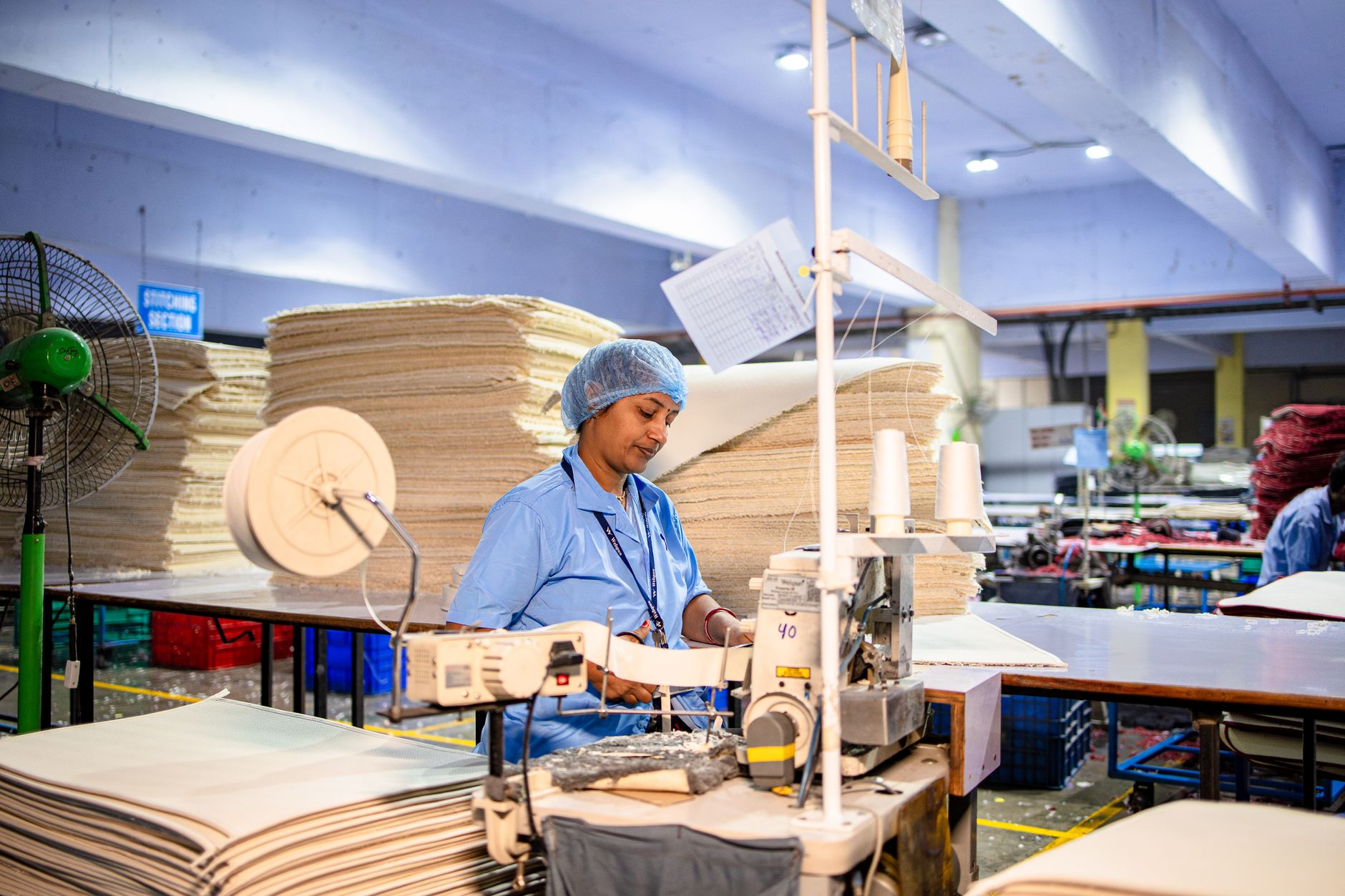
On the ground, the reality of renewed trade tensions is already manifesting in tangible ways across various sectors and regions. In manufacturing hubs, particularly those heavily integrated into global supply chains, factories are grappling with the immediate challenge of sourcing components. Companies that once relied on a single, cost-effective supplier in a foreign country are now exploring multiple suppliers, often at higher costs, or considering bringing production back home. This 'de-risking' or 'friend-shoring' of supply chains is a complex and expensive undertaking, requiring significant capital investment and time, and it's not always a seamless transition, often leading to temporary production delays and increased operational expenses.
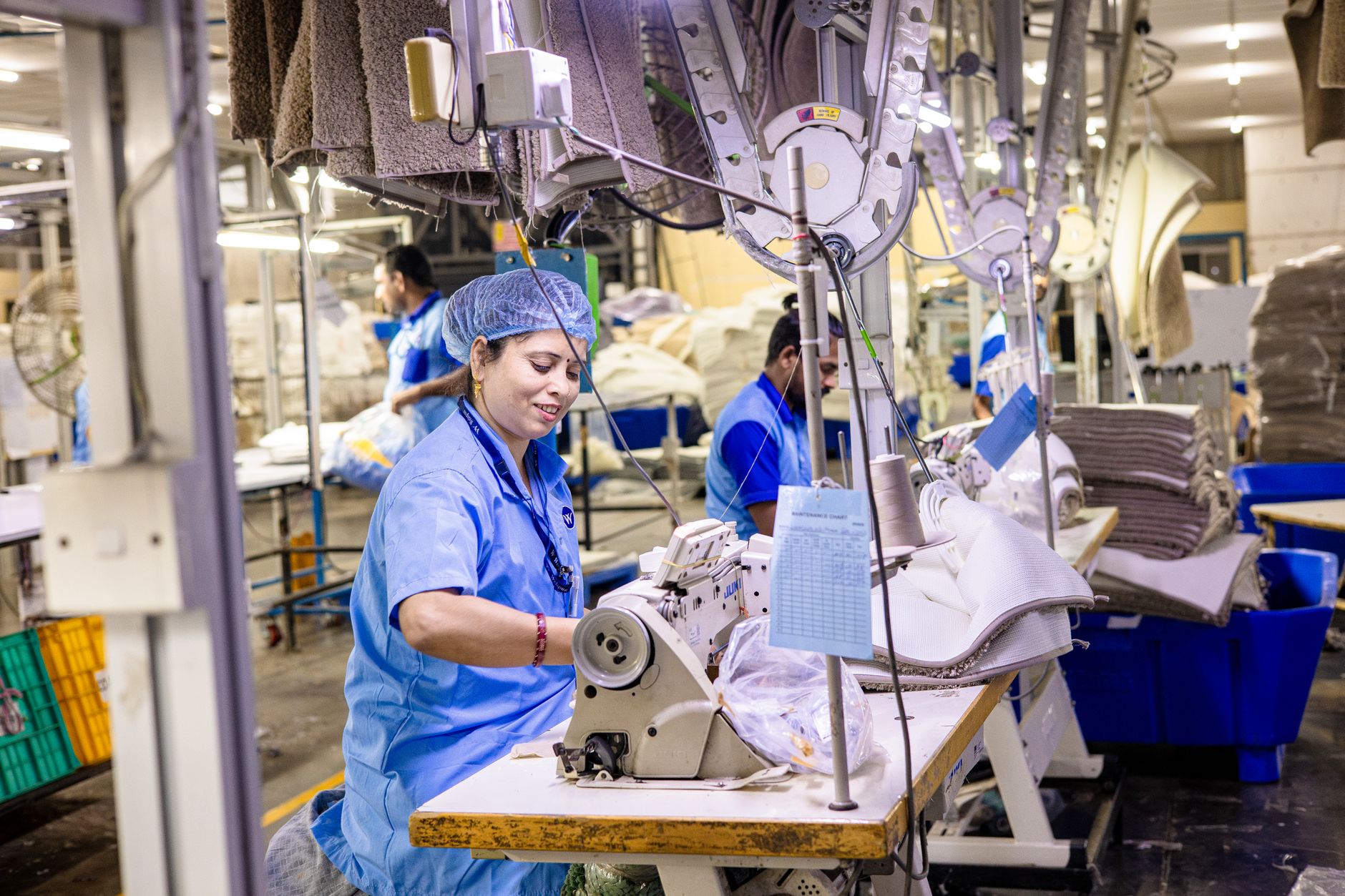
Small and medium-sized enterprises (SMEs) are particularly vulnerable to these shifts. Unlike large multinational corporations with extensive resources to navigate complex trade regulations and diversify supply bases, SMEs often lack the financial and logistical capacity to adapt quickly. A sudden tariff on a key input or a restriction on market access can severely impact their profitability, forcing some to scale back operations, lay off staff, or even close down. This disproportionate impact on smaller businesses can stifle innovation and reduce economic dynamism, as these firms are often the backbone of local economies and significant job creators. The competitive landscape is shifting dramatically, favoring larger, more resilient players.
Furthermore, the agricultural sector, historically a frequent casualty of trade disputes, is once again facing significant headwinds. Farmers in exporting nations are seeing their access to crucial markets diminish due to retaliatory tariffs, leading to surpluses and depressed prices for their produce. Governments are often forced to step in with subsidies to mitigate the financial hardship, but these measures are often temporary and do not address the underlying market distortions. Consumers, on the other hand, might see price increases for imported foods, or a reduction in variety, as local producers struggle to meet demand or substitute for previously imported goods. The ripple effects are profound, touching every part of the economic ecosystem.
What Experts Are Saying
Economists and trade analysts are largely unified in their assessment that a prolonged period of trade protectionism will inflict significant damage on global economic growth. Dr. Eleanor Vance, a leading trade economist at the International Policy Institute, recently stated, "The current trajectory of trade relations is deeply concerning. We are witnessing a fragmentation of the global trading system that took decades to build. This isn't just about tariffs; it's about a fundamental shift away from multilateralism towards bilateral and unilateral actions, which inherently creates inefficiencies and reduces overall economic welfare." Her analysis highlights the systemic risks beyond immediate tariff impacts, pointing to a potential unraveling of global economic integration that could have long-term consequences for prosperity and stability.
Supply chain experts, such as Professor David Chen from the Global Logistics Forum, emphasize the immense challenge businesses face in adapting to this new reality. "Companies spent decades optimizing for 'just-in-time' and global sourcing. Now, they're being forced into 'just-in-case' and regionalization, often at a significantly higher cost," Chen explains. "This isn't a simple pivot; it requires massive investment in new infrastructure, re-training workforces, and accepting potentially lower profit margins. The resilience gained might come at the expense of competitiveness and consumer affordability, creating a difficult balancing act for executives." This perspective underscores the operational complexities and strategic dilemmas confronting businesses worldwide.
Geopolitical strategists also weigh in, noting that economic protectionism is increasingly intertwined with national security objectives. Dr. Anya Sharma, a senior fellow at the Center for Strategic Studies, observes, "Trade policy is no longer solely an economic tool; it's a critical instrument of statecraft. Nations are using tariffs and export controls to gain leverage, protect critical technologies, and assert dominance in strategic sectors. This makes trade disputes inherently more difficult to resolve, as they are no longer just about market access but about fundamental power dynamics." This broader context suggests that trade tensions are likely to persist as a feature of international relations, demanding a more nuanced and integrated approach from policymakers and business leaders alike.
Frequently Asked Questions
What Happens Next
The immediate future for global trade appears increasingly uncertain, with a high probability of continued volatility and localized disruptions. We can anticipate further escalations in specific sectors as nations double down on industrial policies aimed at protecting strategic industries and fostering domestic champions. This will likely lead to more targeted tariffs, export controls, and subsidies, creating a complex web of trade barriers that businesses must navigate. The focus will shift from broad-based trade agreements to more specific, often bilateral, arrangements that reflect geopolitical alliances and economic rivalries, further fragmenting the global trading system.
Businesses should brace for a sustained period of supply chain re-configuration. The emphasis will be on resilience and redundancy rather than pure cost efficiency, leading to higher operational expenses and potentially higher consumer prices. Companies will continue to explore diversification of sourcing, near-shoring, and even re-shoring initiatives, which will require significant capital investment and strategic planning. This shift will also accelerate the adoption of automation and advanced manufacturing technologies to mitigate labor costs in higher-wage regions, fundamentally altering the landscape of global production.
From a policy perspective, the coming months will test the resolve of international institutions like the WTO, which will face immense pressure to adapt or risk becoming obsolete in an era of heightened economic nationalism. Governments will likely continue to walk a tightrope, balancing domestic political pressures to protect industries with the need to maintain stable international relations. The potential for retaliatory cycles remains high, underscoring the urgent need for diplomatic engagement and a renewed commitment to multilateral dialogue to prevent a full-blown global trade war that could severely undermine worldwide economic stability and prosperity.












Comments
No comments yet. Be the first to comment!