
What We Know
- A direct military confrontation between the U.S. and Iran would trigger an immediate and severe spike in global oil prices, potentially pushing Brent crude well above $100 per barrel, with some analysts forecasting surges to $150 or even $200 in the most extreme scenarios, impacting every sector of the global economy dependent on energy.
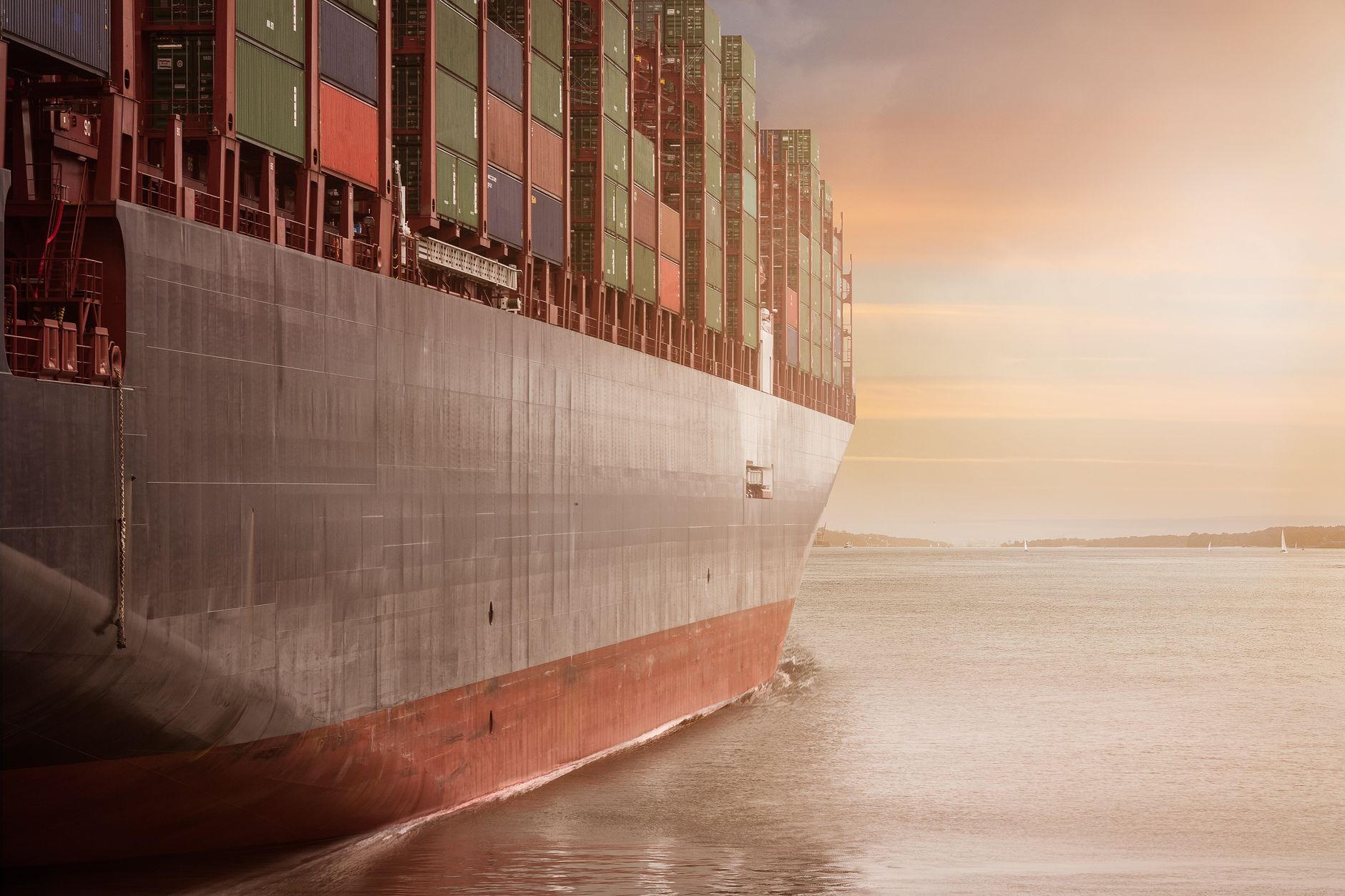
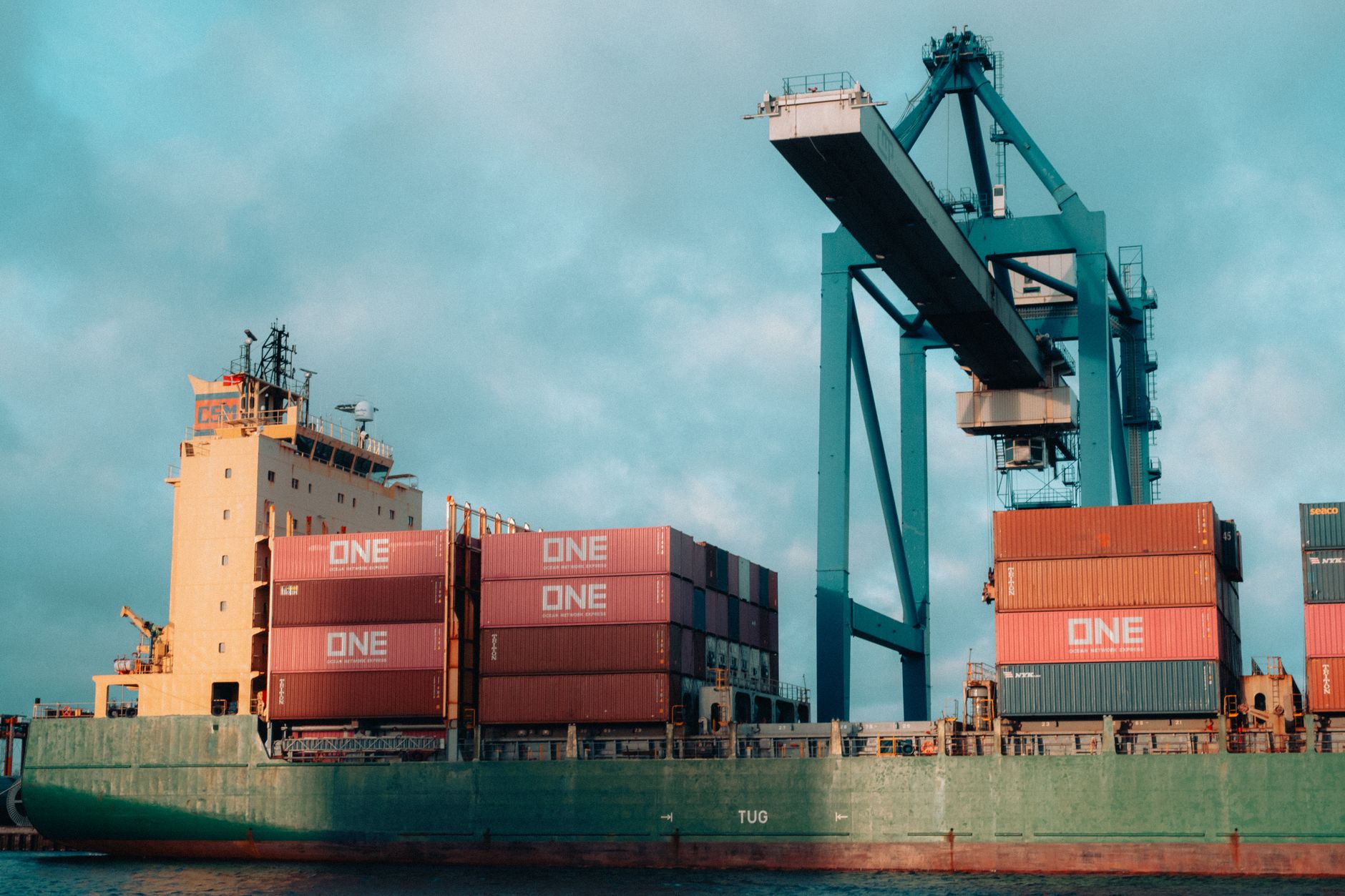
- The Strait of Hormuz, a critical chokepoint for approximately 20% of the world's oil supply, would likely face significant disruptions, either through direct blockades, mining operations, or heightened security risks, severely impeding maritime trade and creating unprecedented supply chain bottlenecks.
- Global financial markets would experience extreme volatility, characterized by sharp declines in equity markets, a flight to safe-haven assets like gold and U.S. Treasuries, and significant currency fluctuations, reflecting profound investor uncertainty and risk aversion.
- Iran's economy, already reeling from decades of sanctions, would face catastrophic collapse under the weight of intensified conflict, leading to widespread social unrest, hyperinflation, and a complete breakdown of its already fragile infrastructure and financial systems.
- Regional economies, particularly those in the Middle East, would suffer immense damage due to disrupted trade routes, decreased foreign investment, and the potential for spillover conflicts, exacerbating existing humanitarian crises and further destabilizing an already volatile region.
- Cyber warfare would become a prominent feature of any conflict, with critical infrastructure in both the U.S. and Iran, as well as their allies, becoming targets, leading to widespread service outages, data breaches, and significant economic losses across multiple sectors.
- International trade routes beyond the Strait of Hormuz would also be affected by increased insurance premiums for shipping, rerouting costs, and general heightened geopolitical risk, making global commerce more expensive and less efficient for all participants.
What We Do Not Know Yet
- The precise duration and intensity of any military engagement remain highly unpredictable, making it difficult to model the long-term economic consequences or the speed of potential recovery, which could range from a swift, contained conflict to a protracted regional war.
- The extent of international intervention and mediation efforts, and their effectiveness in de-escalating the conflict or mitigating its economic fallout, are currently unknown, leaving a significant variable in how global powers might respond.
- The specific targets and scope of potential cyberattacks from either side, and their ultimate impact on critical infrastructure and financial systems worldwide, are largely speculative, posing an unknown threat to global digital stability.
- The degree to which major oil-producing nations, such as Saudi Arabia or the United States, could increase their output to offset disruptions in the Strait of Hormuz is uncertain, as their spare capacity and willingness to intervene aggressively are not fully transparent.
- The long-term geopolitical realignments and shifts in global power dynamics that could emerge from such a conflict are impossible to foresee, potentially reshaping alliances, trade agreements, and regional security architectures for decades.
- The exact mechanisms and timelines for post-conflict reconstruction and economic recovery, particularly for Iran and other affected regional economies, are entirely unknown, making any projections about future stability highly speculative.
- The internal political stability of Iran and neighboring countries under extreme pressure from conflict and economic collapse is a major unknown, with potential for regime change or widespread civil unrest that could further complicate regional dynamics.
Background
The relationship between the United States and Iran has been fraught with tension for over four decades, rooted in historical grievances, ideological clashes, and geopolitical competition. The 1979 Iranian Revolution, which saw the overthrow of the U.S.-backed Shah and the establishment of an Islamic Republic, fundamentally altered the regional power balance and set the stage for enduring animosity. Subsequent events, including the Iran hostage crisis, Iran's pursuit of nuclear capabilities, and its support for various proxy groups across the Middle East, have consistently fueled distrust and antagonism, creating a complex and volatile dynamic that periodically threatens to erupt into open conflict. This deep-seated mistrust has only been exacerbated by a cycle of sanctions, counter-sanctions, and military posturing, making any resolution incredibly challenging.
Economic sanctions imposed by the U.S. and its allies have been a primary tool in attempting to curb Iran's nuclear program and its regional influence. These sanctions have severely crippled Iran's economy, particularly its vital oil sector, leading to rampant inflation, high unemployment, and a significant decline in living standards for ordinary Iranians. While intended to pressure the Iranian regime, these measures have also fostered deep resentment among the populace and hardened the government's stance, often leading to a cycle of escalation rather than de-escalation. The continuous economic pressure has pushed Iran to seek alternative trade partners and develop more resilient, albeit smaller, domestic industries, further entrenching its isolation from Western markets.
The Strait of Hormuz, a narrow waterway connecting the Persian Gulf to the open ocean, stands as a critical strategic flashpoint in this ongoing saga. Approximately one-fifth of the world's total petroleum consumption, including a substantial portion of crude oil and liquefied natural gas, transits through this strait daily. Its strategic importance makes it a potential target for disruption in any conflict, as Iran has repeatedly threatened to close it in response to perceived threats or further sanctions. Any significant blockage or sustained threat to shipping in the Strait would send shockwaves through global energy markets, triggering an immediate and dramatic surge in oil prices and severely impacting the global economy, highlighting the immense stakes involved in this geopolitical standoff.
Why It Matters
A U.S.-Iran conflict would unleash an unprecedented cascade of economic disruptions, far beyond the immediate combat zones. The global economy, already grappling with post-pandemic recovery and inflationary pressures, is acutely vulnerable to such a shock. Energy markets would be thrown into chaos, with oil prices skyrocketing to levels that could trigger a worldwide recession. Industries reliant on stable energy costs, from manufacturing and transportation to agriculture, would face crippling expenses, leading to widespread layoffs, reduced production, and a significant contraction of global trade. The interconnectedness of modern supply chains means that even seemingly distant sectors would feel the immediate and profound impact, making this a truly global economic threat.
Beyond the immediate economic fallout, such a conflict carries immense humanitarian and geopolitical risks. Millions of lives in the Middle East could be directly imperiled by military action, displacement, and the collapse of essential services. The conflict could easily draw in regional powers, escalating into a wider proxy war or even direct confrontation between states, further destabilizing an already fragile region. This would exacerbate existing refugee crises, deepen humanitarian suffering, and create a vacuum for extremist groups to exploit, undermining decades of diplomatic efforts and potentially reshaping the geopolitical landscape for generations. The long-term consequences for regional stability and international security are almost unfathomable.
For the United States, the economic costs would be staggering, encompassing not only the direct expenses of military operations but also the indirect costs of a global recession, increased domestic energy prices, and the potential for cyberattacks on critical infrastructure. A prolonged conflict would divert significant resources from domestic priorities, strain public finances, and potentially erode public trust. Furthermore, the U.S.'s global standing and its relationships with key allies could be severely tested, particularly if the conflict is perceived as destabilizing or disproportionate. The ripple effects on American households, from higher gas prices to job losses, would be immediate and severe, making this a critical issue for every citizen.
Timeline of Events
- November 4, 1979: Iranian students storm the U.S. Embassy in Tehran, taking 52 American diplomats and citizens hostage, marking a pivotal moment in the deterioration of U.S.-Iran relations and setting a precedent for future animosity.
- September 22, 1980 – August 20, 1988: The Iran-Iraq War rages, with the U.S. providing covert support to Iraq, further deepening Iranian distrust and solidifying its perception of American hostility in the region.
- January 29, 2002: President George W. Bush labels Iran part of an "Axis of Evil" in his State of the Union address, significantly ratcheting up rhetorical tensions and signaling a more confrontational U.S. policy.
- July 14, 2015: The Joint Comprehensive Plan of Action (JCPOA), or Iran nuclear deal, is signed, offering sanctions relief in exchange for limitations on Iran's nuclear program, a brief period of diplomatic rapprochement.
- May 8, 2018: President Donald Trump withdraws the U.S. from the JCPOA and reimposes crippling sanctions on Iran, effectively dismantling the diplomatic framework and reigniting severe economic pressure.
- January 3, 2020: U.S. drone strike kills Iranian Major General Qassem Soleimani in Baghdad, dramatically escalating tensions and bringing the two nations to the brink of direct military conflict.
- January 8, 2020: Iran retaliates with missile strikes on Iraqi bases housing U.S. troops, causing traumatic brain injuries to over 100 American service members but avoiding direct fatalities, preventing a full-scale war.
- November 27, 2020: Top Iranian nuclear scientist Mohsen Fakhrizadeh is assassinated near Tehran, an act widely attributed to Israel, further complicating any potential return to nuclear negotiations and fueling Iranian calls for retaliation.
- Ongoing: Continued proxy conflicts and cyberattacks in the region, including attacks on shipping in the Gulf and drone strikes attributed to Iranian-backed groups, maintain a high level of tension and the constant risk of broader escalation.
Rapid-Fire Q&A
What Is Coming
- Heightened diplomatic efforts from international bodies and key global powers will intensify in an attempt to de-escalate tensions and prevent open conflict, though their effectiveness remains uncertain given the deep-seated animosity.
- Increased military posturing and exercises by both the U.S. and Iran, and their respective allies, will likely continue in the region, maintaining a high state of alert and the constant threat of miscalculation leading to escalation.
- Further economic sanctions or punitive measures against Iran are probable, especially in response to any perceived provocations or advancements in its nuclear program, further straining its already fragile economy.
- Continued volatility in global oil markets is expected as geopolitical risks remain elevated, leading to unpredictable price swings that will challenge economic stability and planning for businesses and consumers worldwide.
- A surge in cyber warfare activities, targeting critical infrastructure and financial networks in both the U.S. and Iran, as well as their allies, is a growing concern, posing a significant threat to global digital security.
- Regional proxy conflicts involving Iranian-backed groups will likely persist or even intensify, further destabilizing the Middle East and increasing the risk of spillover effects that could draw in major international players.
- Intensified debate within the U.S. and among its allies regarding the optimal strategy for dealing with Iran, balancing diplomatic engagement with deterrent measures, will continue to shape policy discussions and public discourse.











Comments
No comments yet. Be the first to comment!