

Key Takeaways
- A fragile ceasefire has been declared between the United States and Iran, bringing a temporary halt to a perilous thirteen-day cycle of retaliatory military strikes across the Middle East.
- The de-escalation follows a period of heightened tensions where both nations engaged in direct and proxy attacks, raising serious concerns about a potential wider regional conflict.
- While direct military actions have paused, underlying geopolitical frictions and proxy conflicts in Iraq, Syria, and Yemen remain unresolved, posing an ongoing risk to stability.
- Diplomatic channels, though often indirect, played a crucial role in brokering this pause, highlighting the urgent need for sustained communication to prevent future escalations.
- The international community is closely monitoring the situation, with many nations urging both Washington and Tehran to exercise maximum restraint and pursue peaceful resolutions.
- This pause offers a critical window for de-escalation, but the long-term trajectory of U.S.-Iran relations remains highly uncertain, with potential for renewed hostilities if grievances are not addressed.
Background
The recent thirteen-day period of intense military exchanges between the United States and Iran marked one of the most dangerous escalations in their decades-long rivalry. This cycle of violence was ignited by a series of provocations and retaliations, primarily stemming from the broader geopolitical struggle for influence in the Middle East. Tensions had been simmering for months, fueled by issues such as Iran's nuclear program, its support for regional proxy groups, and the continued presence of U.S. forces in critical areas like Iraq and Syria. The initial spark for this particular escalation remains a point of contention, but it quickly spiraled into a tit-for-tat dynamic that threatened to engulf the entire region in a devastating conflict.
Throughout this volatile period, both Washington and Tehran engaged in a dangerous game of brinkmanship. The U.S. launched precision strikes against Iranian-backed militia targets in Iraq and Syria, citing threats to its personnel and interests. Iran, in turn, responded with missile attacks on U.S. bases and assets, often through its proxies, demonstrating its capacity to project power and inflict costs. The sheer frequency and intensity of these strikes, coupled with increasingly aggressive rhetoric from both sides, created an environment of extreme uncertainty. International observers and regional allies watched with bated breath, fearing that a miscalculation could trigger an uncontrollable chain reaction, leading to a full-scale war.
The cessation of hostilities, while a welcome relief, does not signify a resolution of the deep-seated animosities that define U.S.-Iran relations. Instead, it represents a tactical pause, likely influenced by a recognition from both capitals of the immense risks associated with continued escalation. This temporary de-escalation was reportedly facilitated through back channels and indirect diplomatic overtures, underscoring the critical, albeit often unacknowledged, role of communication even amidst open conflict. The underlying issues that fuel this rivalry—Iran's regional ambitions, U.S. sanctions, and the future of the nuclear deal—remain unresolved, ensuring that this pause is merely a fragile interlude in a long-standing and complex confrontation.
Why It Matters
The recent pause in direct U.S.-Iran strikes is not just a momentary reprieve; it is a critical juncture that could dictate the trajectory of Middle Eastern stability for years to come. A sustained conflict between these two powers would unleash catastrophic consequences, extending far beyond their immediate borders. The global economy, heavily reliant on the free flow of oil through the Strait of Hormuz, would face unprecedented disruption, leading to soaring energy prices and potential recessions worldwide. Furthermore, the humanitarian toll would be immense, with millions displaced and countless lives lost in a region already grappling with multiple crises. This de-escalation, however tenuous, offers a glimmer of hope that a wider conflagration can still be averted.
Beyond the immediate humanitarian and economic fallout, the geopolitical implications are profound. An all-out conflict would inevitably draw in regional allies and adversaries, transforming existing proxy wars into direct, multi-front engagements. Countries like Iraq, Syria, Lebanon, and Yemen, already fragile, would be further destabilized, potentially collapsing into widespread chaos. This would create fertile ground for extremist groups to re-emerge and flourish, exacerbating the cycle of violence and making any future peace efforts exponentially more difficult. The international community has a vested interest in preventing such an outcome, as the ripple effects would be felt globally, impacting everything from refugee flows to counter-terrorism efforts.
This pause also matters because it underscores the potential for diplomacy, even in the most hostile environments. While direct communication between Washington and Tehran is often limited, the fact that a de-escalation occurred suggests that channels, however indirect, are still active and capable of influencing outcomes. This provides a vital lesson: even when tensions are at their peak, maintaining avenues for dialogue is paramount. The challenge now lies in transforming this temporary cessation of hostilities into a more enduring framework for de-escalation and, ultimately, a path towards resolving the core grievances that fuel this dangerous rivalry. The alternative is a return to the brink, with all its inherent dangers.
Ground Reality
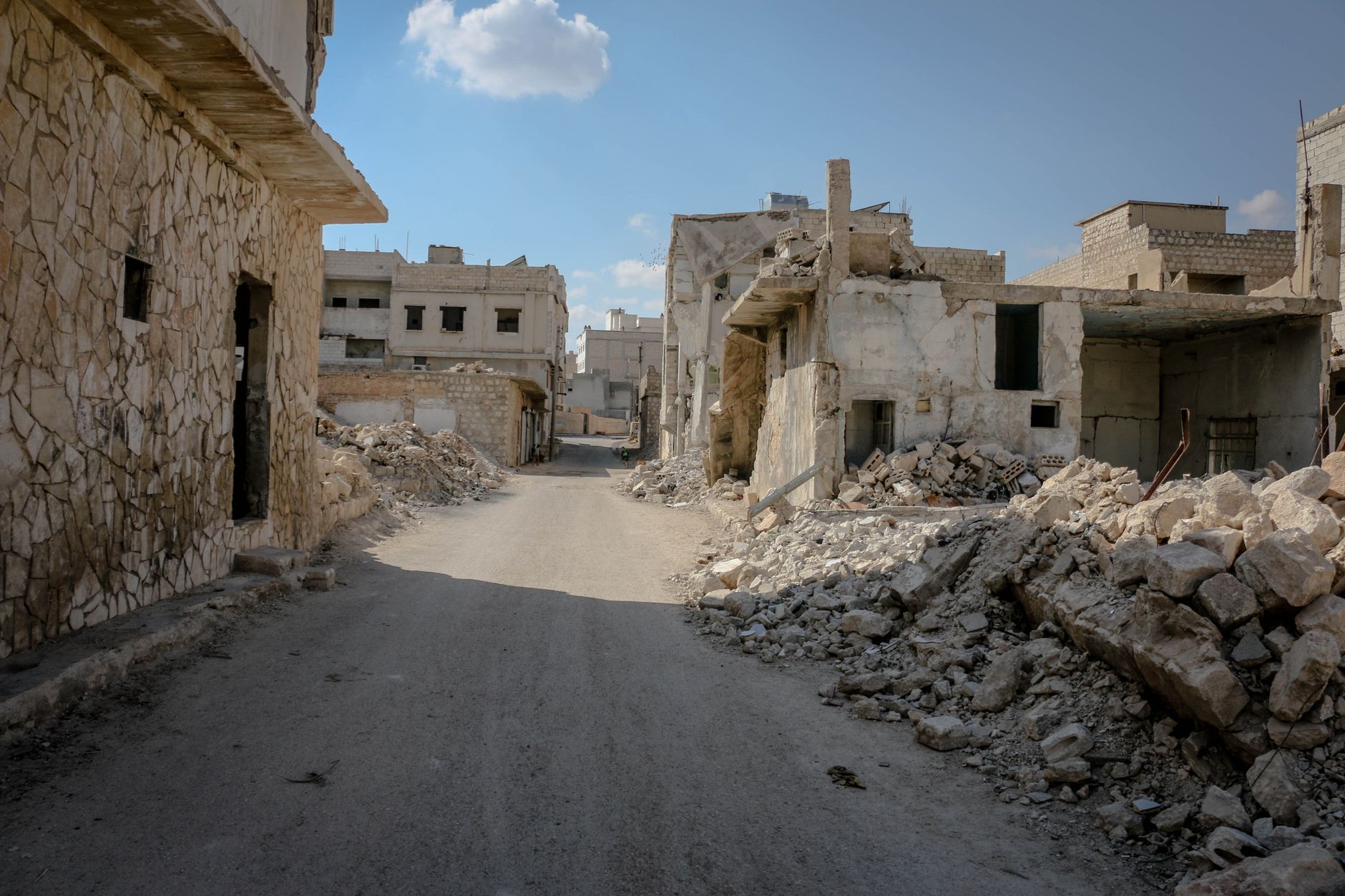
On the ground, the cessation of direct strikes has brought a palpable, albeit fragile, sense of relief to communities across Iraq and Syria, which have served as primary battlegrounds for U.S.-Iran proxy conflicts. Residents in cities like Baghdad, Erbil, and Deir ez-Zor have endured weeks of heightened anxiety, living under the constant threat of missile attacks and drone strikes. The immediate aftermath of the pause has seen a reduction in military overflights and a noticeable decrease in the rhetoric of war from local media outlets aligned with various factions. However, this calm is superficial; the underlying tensions and the presence of heavily armed militias, many backed by Iran, remain a significant destabilizing factor. Checkpoints are still manned by wary forces, and the memory of recent explosions is fresh in people's minds, fostering an environment of deep distrust and uncertainty.
Despite the official pause, the intricate web of alliances and rivalries continues to operate beneath the surface. Iranian-backed groups in Iraq and Syria, while perhaps refraining from direct attacks on U.S. interests for the moment, have not disbanded or ceased their activities. Their strategic positions, weapons caches, and operational capabilities are still intact, posing a latent threat that could be reactivated at any time. Similarly, U.S. forces in the region remain on high alert, conducting surveillance and maintaining defensive postures. The delicate balance of power is constantly being tested, with both sides carefully monitoring each other's movements and intentions. Any perceived violation of the informal ceasefire, or a new provocation from any actor in the complex regional landscape, could swiftly shatter the current calm and reignite hostilities.
For the civilian populations caught in the crossfire, the 'ground reality' is a perpetual state of apprehension. While the immediate threat of airstrikes has diminished, the broader humanitarian crisis persists. Infrastructure remains damaged, economies are stagnant, and the prospect of long-term peace feels distant. The pause offers a crucial opportunity for aid organizations to reach vulnerable populations and for local governments to attempt to restore some semblance of normalcy, but these efforts are often hampered by the lingering political instability and the deep divisions within society. The hope is that this temporary de-escalation can pave the way for more substantive diplomatic engagement, ultimately leading to a more secure and stable environment for those who have borne the brunt of this protracted conflict.
What Experts Are Saying
Security analysts are largely in agreement that the current pause is a tactical de-escalation rather than a fundamental shift in U.S.-Iran relations. Dr. Sarah Khan, a Middle East policy expert at the Royal Institute for International Affairs, notes, "This isn't a peace treaty; it's a mutual recognition that the cost of continued escalation was becoming too high for both parties. Neither Washington nor Tehran wants a full-blown war, but neither is willing to concede on core strategic interests. This pause buys them time, but the underlying tensions remain." She emphasizes that the lack of direct diplomatic channels means any future de-escalation will likely be just as precarious, relying on third-party mediation and indirect signals.
Many experts highlight the role of internal pressures within both the U.S. and Iran in prompting this temporary halt. Professor David Chen, a specialist in international relations at Georgetown University, suggests, "For the U.S., the domestic political calendar and the desire to avoid a major new conflict ahead of elections are significant factors. For Iran, the economic strain from sanctions and the potential for domestic unrest if a war were to break out are powerful deterrents." He further elaborates that both nations are testing the boundaries of their adversaries' resolve, and this pause indicates a temporary limit has been reached, forcing a recalculation of strategies.
However, there is a strong consensus that the risk of renewed conflict remains high. Dr. Lena Al-Hassan, a regional security analyst based in Beirut, warns, "The proxy networks are still active, and the core grievances—Iran's nuclear program, its regional influence, and the U.S. military presence—are unresolved. This ceasefire is merely a pause in the boxing match, not the end of the fight. A single misstep, a provocative act by a proxy group, or a misinterpretation of intent could easily plunge the region back into crisis." She stresses the imperative for sustained, albeit indirect, communication to prevent future escalations and manage potential flashpoints effectively.
Frequently Asked Questions
What Happens Next
The immediate aftermath of this fragile ceasefire will be characterized by intense diplomatic maneuvering, albeit largely behind closed doors and through intermediaries. Both the United States and Iran will likely use this window to reassess their strategies, analyze their adversaries' capabilities and intentions, and consolidate their positions in the region. Expect a flurry of activity from third-party nations attempting to formalize this de-escalation into a more durable understanding, or at least to establish clearer red lines to prevent future miscalculations. The focus will be on maintaining the current calm while exploring any potential avenues, however narrow, for broader dialogue on the core issues that fuel their rivalry. This period will be critical in determining if the pause is merely a temporary lull or the precursor to a more sustained, albeit difficult, diplomatic process.
Regionally, the proxy conflicts will continue to simmer, even if direct U.S.-Iran military engagement is on hold. Iranian-backed militias in Iraq, Syria, and Yemen will likely maintain their operational capabilities and influence, but may temper their direct actions against U.S. interests to avoid provoking a renewed response. Similarly, U.S. forces will remain vigilant, continuing surveillance and defensive measures, while carefully monitoring any shifts in the operational tempo of these groups. The delicate balance of power in these contested zones will be constantly tested, with any perceived breach of the informal ceasefire by either side's proxies carrying the risk of reigniting the broader conflict. The internal political dynamics within Iraq, particularly regarding the presence of foreign troops, will also remain a significant factor shaping the regional security landscape.
Looking further ahead, the long-term trajectory of U.S.-Iran relations hinges on whether this tactical pause can evolve into a more strategic de-escalation. This would require both nations to address, or at least manage, their fundamental disagreements, particularly concerning Iran's nuclear program and its regional influence. Without a clear framework for dialogue and a willingness from both sides to make concessions, the risk of a return to hostilities remains exceptionally high. The international community, therefore, must continue to exert pressure for diplomatic solutions and provide platforms for engagement. The coming weeks and months will be a crucial test of whether this fragile ceasefire can lay the groundwork for a more stable future, or if it merely delays an inevitable, and potentially devastating, confrontation.











Comments
No comments yet. Be the first to comment!