
At a Glance
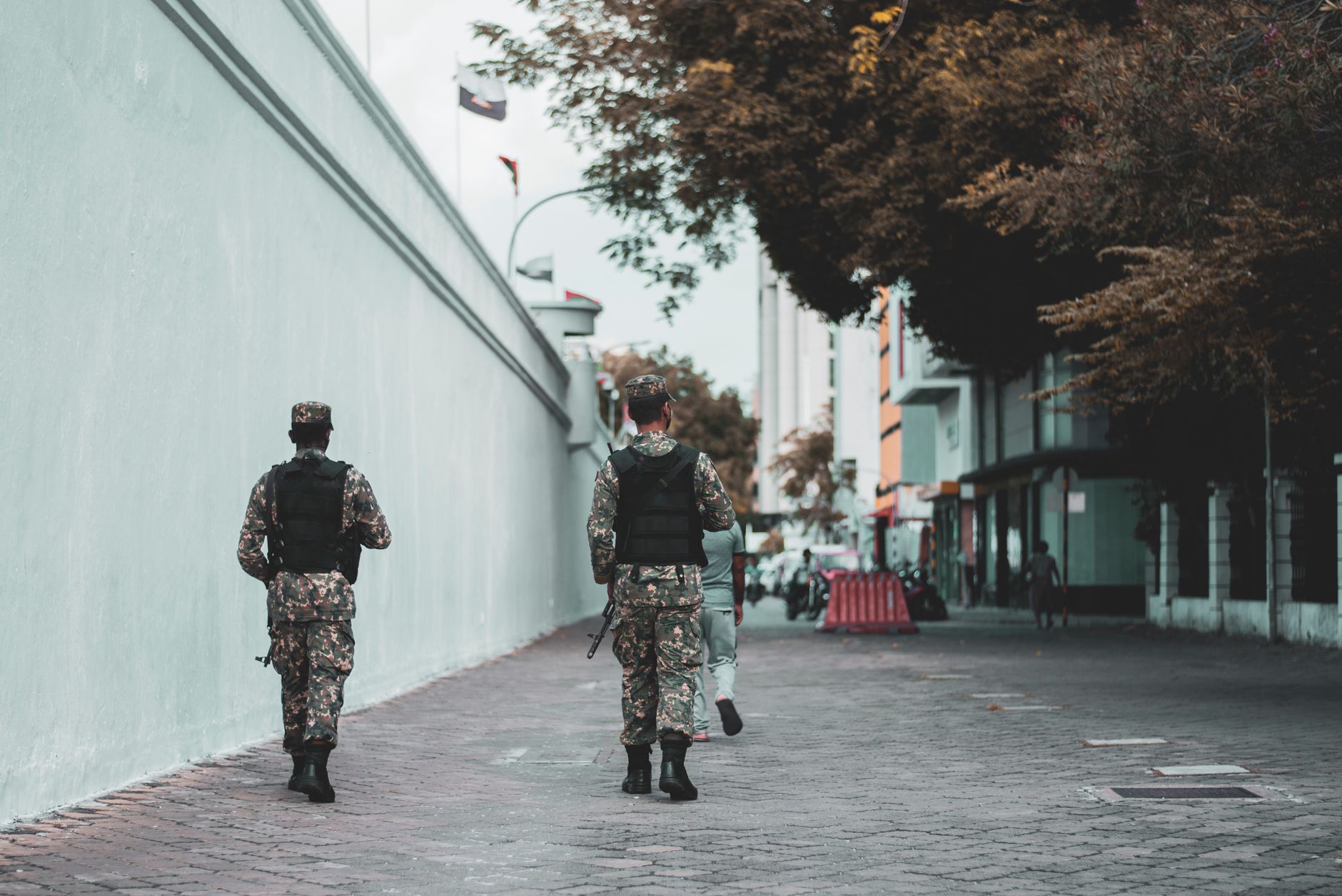
- Jordan has become an increasingly critical flashpoint in the broader Middle East conflict, facing mounting pressure from Iranian-backed militias operating from neighboring territories.
- The recent drone attack on Tower 22, a US military outpost in Jordan, tragically killed three American soldiers, unequivocally demonstrating the escalating threat and the direct involvement of these proxy groups.
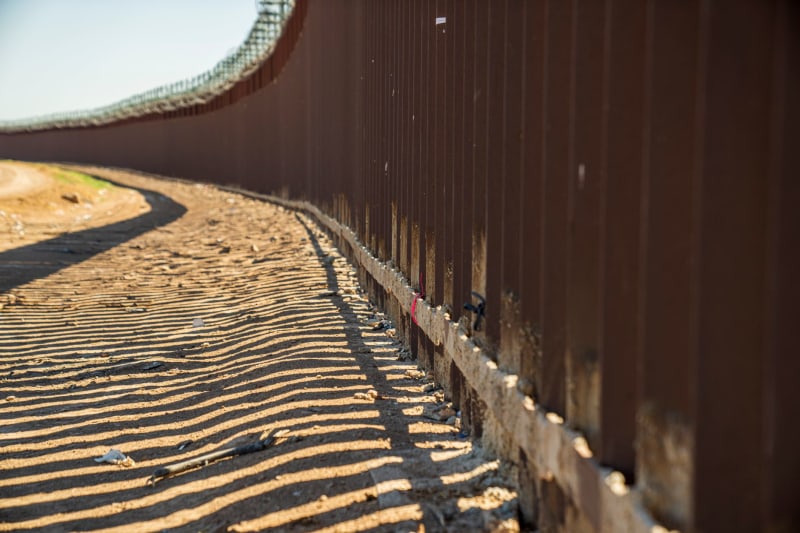
- Iranian-aligned militias, particularly those based in Iraq and Syria, are actively exploiting Jordan's porous borders to smuggle weapons and drugs, aiming to destabilize the Hashemite Kingdom.
- These destabilization efforts are not random acts but rather a calculated strategy by Iran to pressure Jordan into severing ties with the United States and Israel, thereby expanding its regional influence.
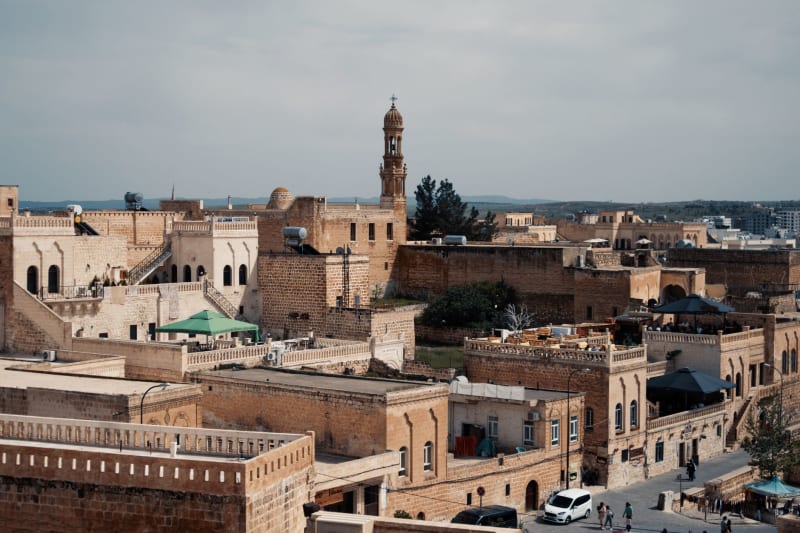
- Jordan's strategic location, bordering Iraq, Syria, Israel, and Saudi Arabia, makes it a pivotal battleground for regional power struggles and a vital ally for Western interests in the Middle East.
- The international community, particularly the United States, must bolster Jordan's defensive capabilities and provide robust support to counter these persistent and multifaceted threats, ensuring regional stability.
The Record
Jordan, a historically stable nation in a volatile region, is now confronting an unprecedented wave of aggression from Iranian-backed militias. This escalation is not merely collateral damage from the Gaza conflict but a deliberate and strategic campaign to undermine the Hashemite Kingdom's sovereignty and its alliances. The recent lethal drone strike on Tower 22, a critical US military installation within Jordan, serves as a stark and tragic reminder of the direct and deadly consequences of these proxy operations. This incident, which claimed the lives of three American service members, unequivocally signals a dangerous expansion of the conflict, directly targeting Jordan's security and its foundational partnerships.
The operational tactics employed by these militias extend far beyond direct military engagements. They encompass a sophisticated and insidious strategy of weapon and drug smuggling across Jordan's extensive and often challenging borders with Iraq and Syria. This illicit trade serves multiple objectives: it generates substantial revenue for the militias, fuels internal instability within Jordan by exacerbating social issues, and establishes clandestine supply lines for future hostile actions. The sheer volume and frequency of these smuggling attempts underscore the persistent and multifaceted nature of the threat, forcing Jordanian security forces into a continuous, high-stakes battle to maintain border integrity.
The broader geopolitical context reveals Iran's strategic calculus. By pressuring Jordan, Tehran aims to achieve several key objectives: disrupt the US military presence in the region, isolate Israel further, and ultimately force Jordan to re-evaluate its long-standing alliances with Western powers. This campaign is a clear demonstration of Iran's desire to expand its 'axis of resistance' and solidify its hegemonic ambitions across the Levant. Jordan's steadfast commitment to regional stability and its crucial role in counter-terrorism efforts make it a primary target for those seeking to sow chaos and reshape the Middle Eastern geopolitical landscape.
Who Knew and When
Intelligence agencies across the globe, particularly those in the United States and Jordan, have been acutely aware of the escalating threat posed by Iranian-backed militias for several years. Reports and assessments have consistently highlighted the growing capabilities and aggressive posture of groups such as Kataib Hezbollah and Harakat Hezbollah al-Nujaba, operating with increasing impunity from bases in Iraq and Syria. These groups, often acting under the broader umbrella of Iran's Islamic Revolutionary Guard Corps (IRGC), have systematically expanded their operational reach, transforming the Iraqi-Syrian border region into a launchpad for destabilizing activities.
The strategic importance of Jordan, coupled with its relatively open borders, has long been identified as a vulnerability. Analysts have repeatedly warned that as regional tensions intensified, particularly in the wake of the October 7th attacks and the subsequent Gaza conflict, Jordan would inevitably become a more prominent target. The intelligence community understood that Iran's proxy network would seek to exploit any opportunity to open new fronts, divert attention, and apply pressure on US allies. The tragic attack on Tower 22, while shocking in its lethality, was not entirely unforeseen given the persistent intelligence warnings about these groups' intent and capabilities.
Furthermore, Jordanian security forces have been actively engaged in an ongoing struggle against drug and weapon smuggling operations emanating from Syria and Iraq for years. Public statements from Jordanian officials have frequently detailed large-scale interdictions and clashes with smugglers, often linked to militia groups. These reports, while sometimes downplayed internationally, painted a clear picture of a kingdom under siege from illicit cross-border activities that serve both criminal and strategic objectives. The cumulative evidence strongly suggested that the current escalation was a predictable, albeit tragic, outcome of long-standing, unaddressed threats.
Voices from the Ground
The people of Jordan, particularly those living in border communities, are experiencing a profound sense of unease and vulnerability. Farmers and residents in areas adjacent to Syria and Iraq frequently report hearing distant explosions and witnessing suspicious cross-border movements, creating an atmosphere of constant tension. "We used to feel safe here, but now, every night, there's a worry," shared a local farmer near the Syrian border. "The smuggling has increased, and with it, the fear that something much worse could happen. Our lives are being directly impacted by conflicts that feel so far away, yet are right on our doorstep."
Security personnel, often on the front lines of these incursions, speak of the relentless challenges they face. A Jordanian border guard, speaking anonymously, described the sophisticated nature of the smuggling operations: "These aren't just petty criminals; they are well-organized, well-funded groups. They use advanced equipment, and they are willing to engage in direct confrontations. We are doing our best to protect our country, but the resources they have are immense. It's a constant battle, and the stakes are getting higher every day, especially after the Tower 22 attack which made us realize the extreme lengths these groups will go to."
Civilians in urban centers, while not directly exposed to border clashes, express growing concern about the broader implications for Jordan's stability and economy. "Our country prides itself on being an oasis of peace, but that image is being eroded," commented a university student in Amman. "The news of attacks and the constant regional instability makes us worry about our future, our jobs, and whether Jordan can maintain its neutrality and security. We hope our government and its allies can find a way to de-escalate this dangerous situation before it consumes us all." This sentiment reflects a widespread anxiety about the erosion of Jordan's traditional role as a bulwark of stability.
The Debate
The escalating aggression against Jordan has ignited a fervent debate among regional and international policy circles regarding the most effective response. One school of thought advocates for a robust, direct military response against the Iranian-backed militias responsible for the attacks. Proponents argue that anything less would be perceived as weakness, emboldening these groups to intensify their destabilization efforts. They contend that targeted strikes on militia infrastructure and leadership are essential to re-establish deterrence and protect US and allied interests in the region, emphasizing that inaction could lead to a far greater conflict.
Conversely, another perspective urges extreme caution, warning that direct military engagement could inadvertently trigger a wider regional war, drawing in more actors and escalating an already volatile situation beyond control. This viewpoint suggests that a more nuanced approach, combining enhanced defensive capabilities for Jordan, increased intelligence sharing, and diplomatic pressure on Iran through international channels, would be more prudent. They argue that a retaliatory cycle could play directly into Iran's hands, providing a pretext for further expansion of its proxy network and deepening the conflict's reach across the Middle East.
A third, more pragmatic, position emphasizes strengthening Jordan's internal resilience and border security as a primary defense. This approach focuses on providing advanced surveillance technology, training for Jordanian forces, and economic aid to stabilize communities vulnerable to militia recruitment and influence. While not ruling out retaliatory strikes, this perspective prioritizes building a robust, self-sufficient defense for Jordan, arguing that long-term stability hinges on the kingdom's ability to withstand internal and external pressures without constant reliance on external military intervention. The debate also encompasses the role of regional alliances, with some advocating for a more unified Arab front against Iranian aggression.
Your Questions Answered
What Accountability Looks Like
Achieving true accountability for the escalating aggression against Jordan, particularly the lethal attack on Tower 22, requires a multi-faceted and resolute approach. Firstly, it necessitates precise and decisive military responses against the specific militia groups and their command structures directly responsible for the attacks. These responses must be carefully calibrated to degrade their capabilities and deter future aggression, without inadvertently triggering a broader, uncontrollable regional conflict. The goal is to impose a clear cost on those who seek to destabilize the region and harm US personnel.
Beyond direct military action, accountability must extend to the state sponsors and facilitators of these proxy groups. This involves intensifying diplomatic pressure and implementing robust economic sanctions against Iran, targeting its financial networks and its ability to fund and arm its regional proxies. International cooperation is paramount to ensure these sanctions are effective and to isolate Tehran on the global stage, making it increasingly difficult for the regime to sustain its destabilizing activities without facing severe consequences from the international community.
Furthermore, accountability also means bolstering Jordan's long-term security and resilience. This includes providing the kingdom with advanced defensive capabilities, such as sophisticated air defense systems and counter-drone technologies, to enable it to defend its borders and airspace effectively. It also entails sustained intelligence sharing and capacity building for Jordanian security forces to combat illicit smuggling networks. Ultimately, true accountability involves not only punishing past aggressions but also empowering Jordan to prevent future ones, thereby safeguarding regional stability and protecting vital strategic interests.












Comments
No comments yet. Be the first to comment!