
The Story in Brief
- Recent weeks have seen a dramatic surge in attacks by Iranian-backed proxy groups across the Middle East, signaling a dangerous intensification of regional hostilities.
- These groups, including the Houthis in Yemen, Hezbollah in Lebanon, and various militias in Iraq and Syria, are increasingly targeting international shipping, military bases, and critical infrastructure.
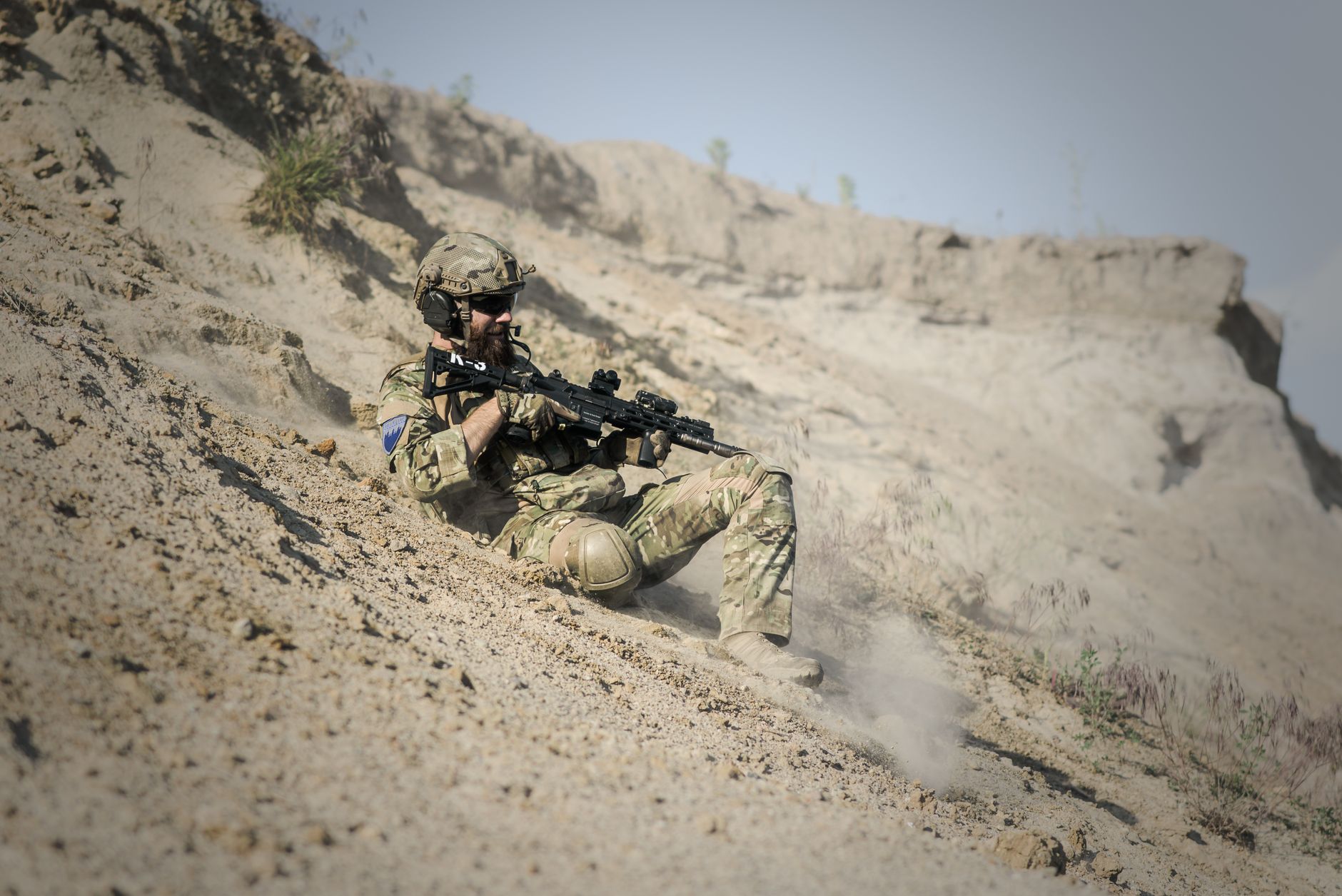
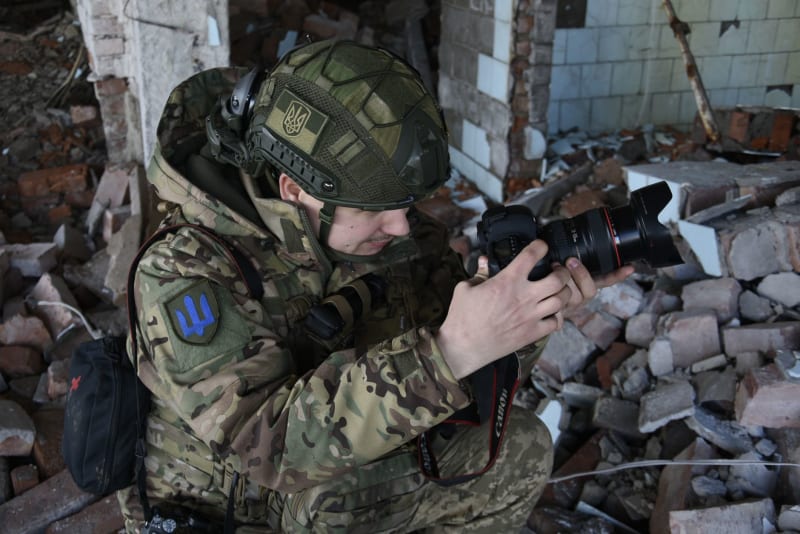
- The United States and its allies have responded with targeted strikes and increased military presence, aiming to deter further aggression and protect vital strategic interests in the region.
- Concerns are mounting that these localized conflicts could rapidly coalesce into a broader, direct confrontation involving major regional and global powers, with unpredictable and severe consequences.
- Diplomatic efforts remain largely stalled, as the complex web of alliances and antagonisms makes de-escalation incredibly challenging, raising the specter of a prolonged and devastating conflict.
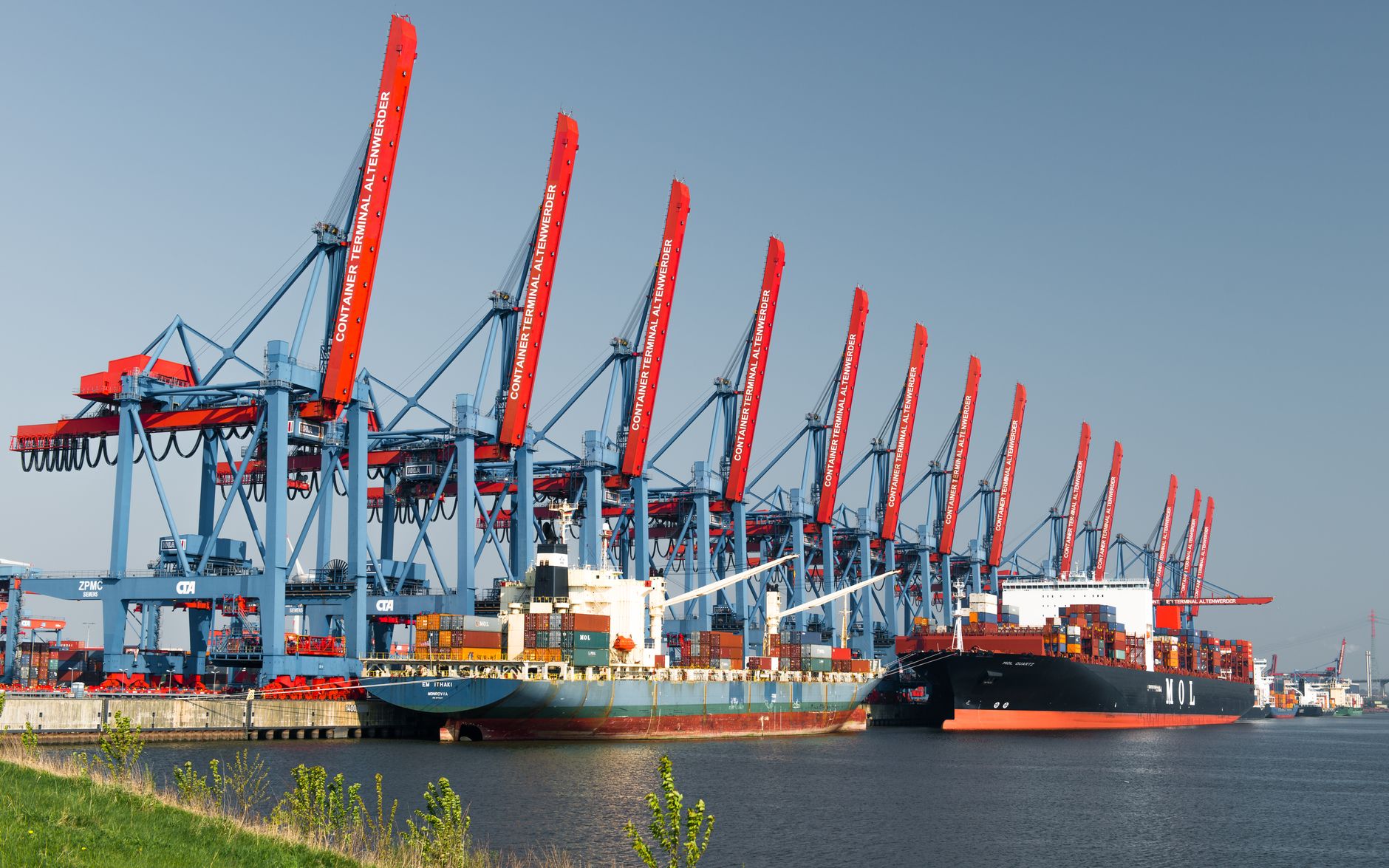
- The economic ramifications are already being felt, particularly in global energy markets and shipping lanes, threatening to disrupt international trade and fuel inflationary pressures worldwide.
The Human Face
Beyond the geopolitical chess game and the headlines of military maneuvers, it is crucial to remember the devastating human cost of these escalating tensions. Ordinary civilians across Yemen, Lebanon, Syria, and Iraq are living under a constant shadow of fear, their daily lives irrevocably altered by the specter of conflict. Families are displaced, livelihoods are shattered, and access to basic necessities like food, water, and medical care becomes a perilous struggle. The psychological toll on children, witnessing relentless violence and uncertainty, is immeasurable, scarring an entire generation with trauma.
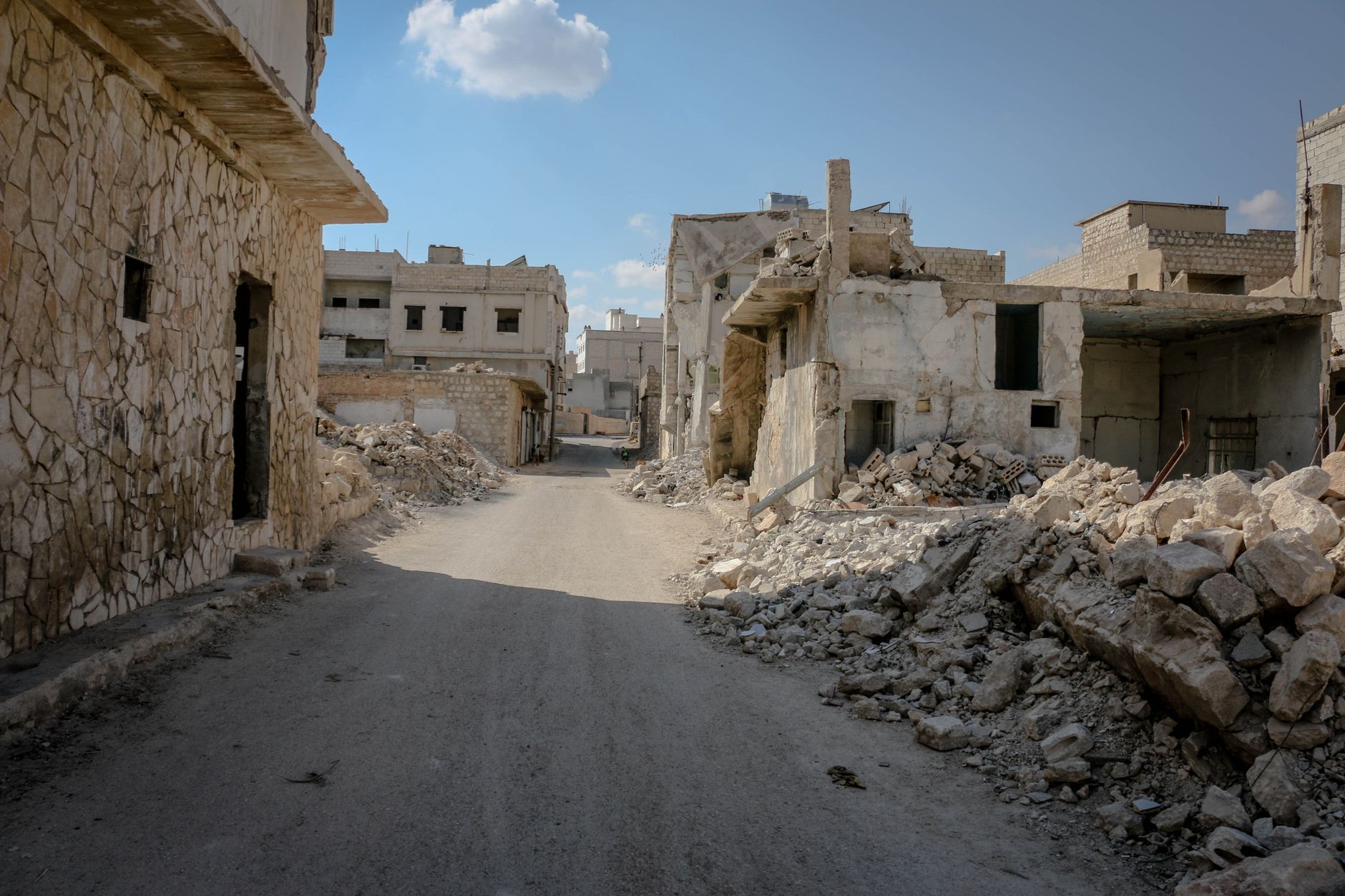
Humanitarian organizations are stretched to their breaking point, struggling to deliver aid amidst active conflict zones and logistical nightmares. Hospitals, already fragile from years of underfunding and previous conflicts, are overwhelmed with casualties, often lacking essential supplies and personnel. The destruction of infrastructure, from homes to schools to vital transportation networks, sets back development by decades, trapping communities in cycles of poverty and instability. This is not merely a political crisis; it is a profound humanitarian catastrophe unfolding in slow motion, with each escalation bringing more suffering.
The international community's failure to effectively de-escalate these conflicts translates directly into more shattered lives and deeper despair for millions. While leaders debate strategies and sanctions, individuals on the ground face the immediate reality of survival, often without a voice or a means of escape. Their stories, often unheard amidst the din of geopolitical analysis, are a stark reminder of the urgent need for peace and stability, underscoring that every diplomatic misstep or military action has profound, irreversible consequences for innocent people.
How We Got Here
The current volatile situation in the Middle East is the culmination of decades of complex geopolitical maneuvering, proxy warfare, and deep-seated ideological rivalries, primarily between Iran and its regional adversaries, often supported by Western powers. Following the 1979 Iranian Revolution, Tehran embarked on a strategy of cultivating and supporting non-state actors across the region, viewing them as a strategic depth and a means to project influence without direct military confrontation. This network, often referred to as the 'Axis of Resistance,' includes powerful groups like Hezbollah in Lebanon, various Shiite militias in Iraq and Syria, and the Houthi movement in Yemen, each receiving varying degrees of financial, military, and logistical support from Iran.
The withdrawal of the United States from the Iran nuclear deal (JCPOA) in 2018, coupled with the imposition of 'maximum pressure' sanctions, significantly exacerbated tensions. While intended to curb Iran's nuclear ambitions and destabilizing regional activities, this policy was perceived by Tehran as an act of economic warfare, prompting it to accelerate its nuclear program and further empower its proxy forces. The assassination of Iranian Quds Force commander Qasem Soleimani in early 2020 by the U.S. marked a critical turning point, leading to direct Iranian missile strikes on U.S. bases in Iraq and setting a dangerous precedent for direct retaliation.
More recently, the ongoing conflict in Gaza has acted as a powerful catalyst, igniting dormant fronts and providing a pretext for Iranian-backed groups to intensify their operations. The Houthis' attacks on Red Sea shipping, Hezbollah's daily skirmishes with Israel on the Lebanese border, and the persistent drone and rocket attacks on U.S. forces in Iraq and Syria are all interconnected manifestations of this broader regional dynamic. Each incident, while seemingly localized, contributes to a rapidly escalating cycle of action and reaction, pushing the region closer to a full-scale conflagration that no party genuinely desires but all seem unable to prevent.
Why This Cannot Be Ignored
The escalating tensions in the Middle East are not merely a regional concern; they represent a profound threat to global stability, economic prosperity, and international security that cannot be ignored. The potential for a full-scale war involving major powers like the United States, Iran, and Israel, along with numerous regional actors, carries catastrophic implications. Such a conflict would undoubtedly disrupt global oil supplies, sending energy prices soaring and potentially triggering a worldwide recession. The Strait of Hormuz, a critical chokepoint for a significant portion of the world's oil, could be jeopardized, creating unprecedented economic turmoil.
Beyond economics, a wider conflict would unleash an unprecedented humanitarian crisis, dwarfing previous regional conflicts. Millions more would be displaced, creating immense refugee flows that would challenge the resources and political will of neighboring countries and Europe. The already fragile states in the region, such as Lebanon, Iraq, and Syria, could face complete collapse, further destabilizing the entire Levant and beyond. The proliferation of advanced weaponry and the potential for non-state actors to gain access to such arms would also pose long-term security challenges globally, making future conflicts even more deadly and harder to contain.
Furthermore, the current trajectory risks undermining decades of diplomatic efforts and international norms. The erosion of respect for international law, the targeting of commercial shipping, and the increasing frequency of cross-border attacks by proxy groups set dangerous precedents. This could embolden other revisionist powers and non-state actors worldwide, leading to a more chaotic and unpredictable international order. The world cannot afford to view the Middle East's precarious situation as a distant problem; its reverberations would be felt in every capital, every market, and every community across the globe, demanding immediate and concerted international action.
Possible Paths Forward
Navigating the perilous landscape of the Middle East requires a multi-faceted approach, blending robust deterrence with persistent diplomatic engagement. One potential path involves intensified, multilateral diplomacy aimed at de-escalation, possibly through a renewed focus on a regional security framework. This would necessitate direct or indirect dialogue between Iran and its regional rivals, facilitated by neutral parties, to establish clear red lines and confidence-building measures. Such a framework could address issues like nuclear proliferation, ballistic missile development, and the activities of proxy groups, moving beyond the current zero-sum mentality that fuels conflict.
Another critical pathway involves strengthening international sanctions and enforcement mechanisms, but with a clear off-ramp for compliance and de-escalation. The goal should be to pressure Iran to rein in its proxy network and adhere to international norms, rather than simply punishing its economy without a clear diplomatic objective. This would require a unified front from global powers, including China and Russia, to ensure the efficacy of sanctions and to present a credible, unified message that continued destabilizing actions will incur significant costs, while genuine de-escalation will be met with reciprocal concessions.
Finally, there is the option of a more robust military posture combined with targeted, proportionate responses to aggression, designed to deter further attacks without triggering a wider war. This path, however, is fraught with risk and requires extreme caution to avoid miscalculation. Alongside this, supporting internal voices for reform and stability within affected countries, fostering economic development, and addressing the root causes of grievances that fuel extremist recruitment can offer a long-term strategy for regional resilience. Ultimately, a sustainable peace will require a combination of external pressure, internal reform, and genuine regional dialogue, moving away from confrontation towards a shared vision of stability.
Questions People Are Actually Asking
What to Watch
- **Iranian Response to Sanctions:** Observe any shifts in Iran's nuclear program or its support for proxy groups following new international sanctions or diplomatic overtures, as these could signal a change in strategy.
- **Red Sea Shipping Security:** Monitor the frequency and severity of Houthi attacks on commercial vessels and the effectiveness of international naval operations to secure the vital Red Sea shipping lanes.
- **Israel-Lebanon Border Clashes:** Keep a close watch on the daily skirmishes between Hezbollah and Israeli forces, as any significant escalation or miscalculation here could quickly ignite a wider conflict.
- **U.S. Military Posture:** Track changes in U.S. troop deployments, military exercises, and retaliatory strikes in Iraq, Syria, and the broader Gulf region, which indicate the level of American engagement and deterrence.
- **Regional Diplomatic Initiatives:** Look for any signs of renewed diplomatic efforts, either direct or indirect, between Iran and Saudi Arabia, or broader multilateral talks aimed at de-escalation and regional security.
- **Internal Stability of Proxy States:** Pay attention to the internal political and economic stability of countries like Lebanon, Iraq, and Yemen, as their fragility can either fuel proxy activity or create opportunities for de-escalation if internal pressures shift.








Comments
No comments yet. Be the first to comment!