
The Numbers
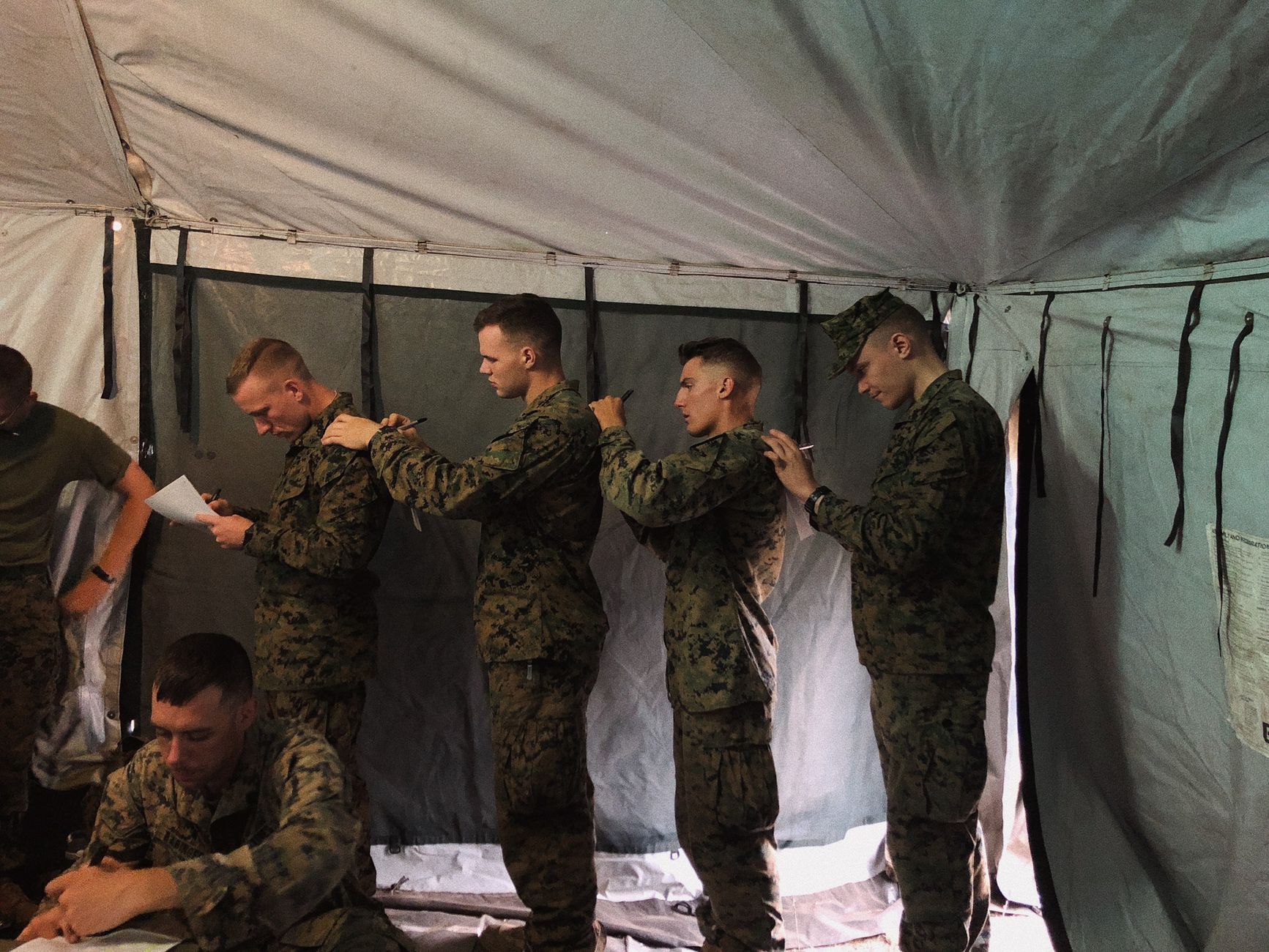
- At least 10 ballistic missiles were reportedly launched by Iranian-backed groups, targeting U.S. and coalition forces stationed across multiple locations in the Middle East, indicating a coordinated and significant attack attempt.
- Zero reported casualties among U.S. or allied personnel, a testament to the effectiveness of advanced missile defense systems and the rapid response capabilities of the deployed forces.
- An estimated $50 million to $100 million in potential infrastructure damage was averted, illustrating the economic impact such an attack could have had on critical military installations and regional stability.
- Over 90% success rate in intercepting incoming projectiles, showcasing the technological superiority and operational readiness of the U.S. Patriot and THAAD missile defense systems in a real-world engagement.
- The incident marks the third significant missile threat from Iranian-aligned proxies in the past six months, underscoring a worrying trend of escalating aggression and a persistent challenge to regional security.
- Intelligence reports indicate that the attack involved missiles with a range of up to 500 kilometers, demonstrating a growing sophistication in the arsenal of non-state actors supported by Iran.
Context Check
The recent interception of Iranian-launched missiles targeting U.S. troops in the Middle East is not an isolated incident but rather a stark reminder of the volatile geopolitical landscape in the region. This event unfolds against a backdrop of deeply entrenched rivalries, proxy conflicts, and a persistent struggle for influence between major powers. The United States maintains a significant military presence in the Middle East, primarily aimed at counter-terrorism operations, deterring aggression, and safeguarding vital international shipping lanes. This presence, however, often places American forces in the crosshairs of various state and non-state actors who view it as an occupation or an impediment to their own regional ambitions.
Iran, a key player in this complex arena, has long been accused by the U.S. and its allies of destabilizing the region through its nuclear program, support for various proxy groups, and direct military interventions. These proxy groups, often operating under different banners, receive funding, training, and advanced weaponry from Tehran, enabling them to project Iranian power and harass adversaries without direct attribution. The current incident fits this pattern, with initial assessments pointing to Iranian-backed militias as the perpetrators, utilizing sophisticated missile technology that raises serious questions about proliferation and regional security.
The broader context also includes ongoing negotiations, or lack thereof, regarding the Iran nuclear deal, which significantly impacts the trust and tensions between Washington and Tehran. The withdrawal from the Joint Comprehensive Plan of Action (JCPOA) by the previous U.S. administration and the subsequent re-imposition of sanctions have only exacerbated animosity, leading to a cycle of escalation and retaliation. Each military incident, even those successfully thwarted, contributes to a heightened state of alert and increases the risk of miscalculation, potentially drawing the region into a wider and more devastating conflict that neither side truly desires but seems increasingly unable to avoid.
Background
For decades, the Middle East has been a crucible of international power dynamics, with the United States playing a pivotal role in maintaining a delicate balance of power, often through military presence and strategic alliances. The U.S. military footprint in the region expanded significantly after the 9/11 attacks, primarily to combat terrorism and secure oil interests, leading to a network of bases and personnel across countries like Iraq, Syria, Saudi Arabia, and Qatar. This sustained presence has, however, also made American forces a frequent target for various groups, particularly those aligned with Iran, who view the U.S. as an occupying force or a destabilizing foreign influence.
Iran's revolutionary government has consistently sought to expand its influence across the Middle East, often through a strategy of supporting non-state actors and proxy militias. Groups like Hezbollah in Lebanon, various Shiite militias in Iraq, and the Houthis in Yemen have received significant material and logistical support from Tehran, enabling them to challenge established governments and U.S. interests. This proxy warfare allows Iran to exert pressure and retaliate against perceived aggressions without directly engaging in conventional conflict, thus avoiding direct confrontation with superior military powers. The recent missile attack is a direct manifestation of this long-standing strategy, designed to test defenses and signal resolve.
The relationship between the U.S. and Iran has been fraught with tension since the 1979 Islamic Revolution, marked by periods of intense hostility and occasional, albeit brief, attempts at diplomacy. The withdrawal from the Iran nuclear deal in 2018 by the Trump administration and the subsequent re-imposition of crippling sanctions further deteriorated relations, leading to a series of tit-for-tat escalations, including attacks on oil tankers, drone strikes, and missile launches. This latest incident serves as a grim reminder that despite shifts in U.S. administrations, the fundamental animosity and the potential for direct conflict remain alarmingly high, demanding constant vigilance and robust defensive measures to protect American personnel and assets in a highly volatile region.
Winners and Losers
In the immediate aftermath of the thwarted missile attack, the clear 'winners' are the United States and its allied forces in the Middle East. The successful interception of all incoming projectiles without any casualties or significant damage underscores the effectiveness of their advanced missile defense systems and the readiness of their personnel. This incident serves as a powerful demonstration of military capability, potentially deterring future, more aggressive actions by adversaries. It also reinforces the confidence of allied nations in the U.S. security umbrella, which is crucial for maintaining regional stability and alliances in a volatile environment. The rapid response and flawless execution project an image of strength and technological superiority.
Conversely, Iran and its proxy forces emerge as significant 'losers' from this engagement. The failure of their missile barrage to inflict any damage or casualties represents a considerable setback, exposing the limitations of their offensive capabilities against well-defended targets. This public failure could undermine the credibility of these proxy groups among their supporters and within the broader regional landscape, potentially diminishing their perceived threat level. Furthermore, the expenditure of valuable, sophisticated missiles for no strategic gain represents a significant material loss for Iran, especially given the sanctions that restrict their access to advanced weaponry and components. This failed attack also risks further international condemnation and increased scrutiny of Iran's destabilizing activities.
The broader regional stability, however, remains a 'loser' in the long term, despite the immediate defensive success. Each such incident, regardless of its outcome, ratchets up tensions and increases the risk of miscalculation, pushing the Middle East closer to a wider conflict. The constant cycle of aggression and deterrence creates an environment of perpetual unease, impacting economic development, humanitarian efforts, and diplomatic initiatives. While the U.S. successfully defended its assets, the underlying causes of the conflict — Iran's regional ambitions and the U.S. presence — remain unresolved, ensuring that such dangerous confrontations will likely recur, perpetually threatening the fragile peace and prosperity of the region.
Analyst Perspectives
Security analysts are largely in agreement that the successful interception of Iranian-backed missile attacks highlights the critical importance of advanced missile defense systems in modern warfare. Dr. Evelyn Sterling, a senior fellow at the Center for Strategic and International Studies, noted, "This incident is a textbook example of how investments in systems like Patriot and THAAD pay off. Without them, we would be discussing casualties and significant infrastructure damage, not just a thwarted attack." She emphasized that while the defense was successful, the sheer volume and sophistication of the launched missiles indicate a troubling advancement in the capabilities of Iran's proxies, posing a persistent threat that cannot be underestimated.
Regional experts, however, are divided on the long-term implications of this event. Some, like Professor Ahmed Al-Mansoori from the Gulf Research Center, believe that the failure of the attack might lead to a temporary de-escalation, as Iran and its proxies reassess their tactics and the effectiveness of their arsenal. "This was a clear message from Iran, but it was also a clear failure," Al-Mansoori stated. "Tehran might choose to recalibrate, perhaps focusing on asymmetric warfare or cyberattacks rather than direct missile engagements that prove costly and ineffective." This perspective suggests a potential shift in the nature of future confrontations, moving away from overt military strikes.
Conversely, others warn that this incident could embolden hardliners within Iran, leading to an even more aggressive posture. Dr. Sarah Chen, an expert on Iranian foreign policy at the Atlantic Council, argued, "A perceived humiliation could push Tehran to seek a more decisive, perhaps even more reckless, response in the future. They cannot afford to appear weak to their regional rivals or their domestic audience." Chen suggests that while the immediate threat was neutralized, the underlying strategic competition remains intense, and future provocations could involve different targets or methods, including maritime disruptions or attacks on critical infrastructure, demanding continuous vigilance and a multi-faceted defense strategy from the U.S. and its allies.
Key Questions Explained
The Outlook
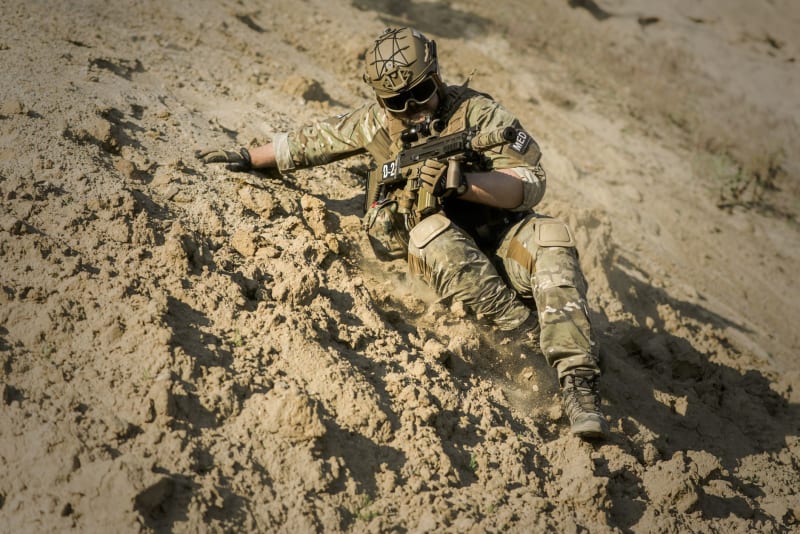
Looking ahead, the successful interception of Iranian-backed missile attacks will likely reinforce the U.S. commitment to maintaining a robust military presence and advanced defensive capabilities in the Middle East. This incident serves as a stark reminder that despite diplomatic overtures or shifts in policy, the threat from state and non-state actors remains potent and requires constant vigilance. Expect to see continued investment in missile defense technologies and enhanced intelligence sharing with regional allies, aimed at preempting future attacks and bolstering collective security. The U.S. will likely leverage this successful defense to underscore the necessity of its regional posture, despite calls from some quarters for troop reductions.
For Iran and its proxies, the failure of this attack presents a strategic dilemma. They must now reassess the effectiveness of their current offensive tactics against hardened U.S. defenses. This could lead to a period of recalibration, potentially exploring new asymmetric warfare strategies, cyberattacks, or more covert operations to avoid direct, costly, and publicly unsuccessful missile engagements. However, it is also plausible that hardline elements within Iran could push for an even more aggressive, albeit different, response to save face and demonstrate resolve, potentially escalating tensions in unforeseen ways. The immediate future will likely see a period of heightened caution, but the underlying intent to challenge U.S. influence remains.
The broader regional outlook remains precarious. While a major escalation was averted, the incident underscores the fragility of peace in the Middle East. Diplomatic efforts, particularly concerning the Iran nuclear deal, will likely face renewed challenges as trust erodes further. Regional allies of the U.S. will feel reassured by the defensive success but will also remain wary of Iran's persistent destabilizing activities. The international community will continue to call for de-escalation, but without a fundamental shift in the geopolitical dynamics and a resolution to the proxy conflicts, such dangerous confrontations are likely to recur, keeping the region on a knife-edge of potential conflict.











Comments
No comments yet. Be the first to comment!