
The Numbers
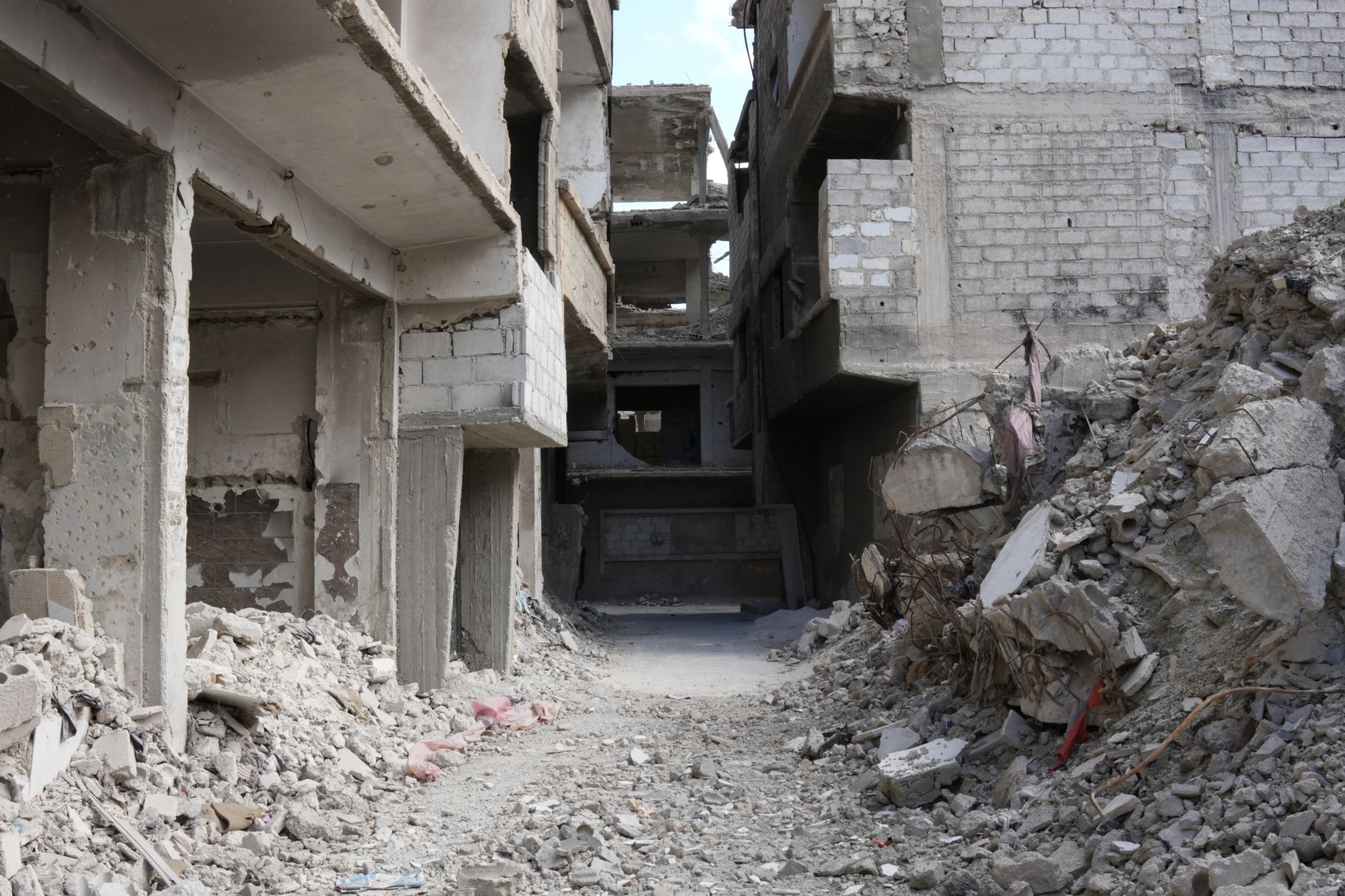
- Over 1,000 seismic events, including significant earthquakes, have been recorded in Venezuela since 2000, placing immense strain on already dilapidated infrastructure and emergency services.
- An estimated 7.7 million Venezuelans, roughly 25% of the population, have fled the country since 2015, a mass exodus exacerbated by economic collapse and now compounded by natural disasters.
- Inflation rates have consistently been among the highest globally, with hyperinflation eroding purchasing power and making reconstruction efforts prohibitively expensive for the average citizen.
- Public services, including water, electricity, and healthcare, operate at severely diminished capacity, with many facilities already compromised before earthquake damage, leaving millions vulnerable.
- International aid for disaster relief and humanitarian assistance faces significant logistical and political hurdles, with only a fraction of requested funds reaching those in dire need.
- The national GDP has contracted by over 75% since 2013, making any significant investment in seismic-resistant infrastructure or post-disaster recovery nearly impossible without external support.
Context Check
Venezuela, a nation once boasting the largest proven oil reserves globally, has tragically descended into an unprecedented economic and humanitarian crisis over the past decade. This collapse is a complex tapestry woven from political instability, mismanagement of its vast oil wealth, crippling international sanctions, and pervasive corruption. The once-robust social safety nets have disintegrated, leaving millions without access to basic necessities like food, medicine, and reliable public services. This pre-existing fragility means that any external shock, such as a natural disaster, has a disproportionately devastating impact, pushing an already suffering population further into destitution.
The country's infrastructure, from its vital oil refineries to its residential buildings and critical transportation networks, has suffered from decades of underinvestment and neglect. Roads are crumbling, power grids are unreliable, and hospitals are severely under-equipped and understaffed. This systemic decay means that structures are inherently less resilient to seismic activity. When an earthquake strikes, the damage is often more extensive and the recovery process far more arduous than in nations with robust infrastructure and emergency preparedness systems. The lack of maintenance has created a ticking time bomb, where even moderate tremors can trigger widespread destruction.
Furthermore, the ongoing political polarization and lack of a unified national response mechanism severely hamper effective disaster management. Resources that could be channeled towards preparedness and recovery are often diverted or entangled in bureaucratic red tape. The trust deficit between the government and its citizens, coupled with limited transparency, complicates the distribution of aid and the implementation of long-term recovery plans. This fractured internal landscape makes it exceptionally challenging to mount a cohesive and efficient response to the escalating crisis, leaving affected communities feeling abandoned and hopeless.
Background
Venezuela is situated in a seismically active region, primarily due to its proximity to the Caribbean and South American tectonic plate boundaries. This geological reality means that earthquakes are not an anomaly but a recurring natural phenomenon. Historically, the country has experienced numerous significant seismic events, with some causing extensive damage and loss of life. However, in previous decades, a more stable economy and functional government allowed for a degree of resilience and a capacity for reconstruction. This historical context underscores that while earthquakes are natural, the current catastrophic impact is a direct consequence of the nation's contemporary vulnerabilities.
The frequency and intensity of seismic activity have seemingly increased in recent years, or at least their impact has become far more pronounced. This perceived increase, coupled with the dramatic deterioration of Venezuela's economic and social fabric, creates a perfect storm. Buildings that were once considered safe are now structurally compromised due to lack of maintenance, substandard construction materials, and the cumulative effects of previous tremors. Each new earthquake, even a moderate one, now carries the potential for widespread devastation, collapsing homes, disrupting essential services, and further traumatizing a population already at its breaking point.
The government's capacity to respond to these natural disasters has been severely crippled by the ongoing crisis. Emergency services are underfunded, understaffed, and lack essential equipment. Hospitals, already struggling with shortages of medicine and personnel, are overwhelmed by even a small influx of casualties. The ability to conduct search and rescue operations, provide temporary shelter, or initiate long-term reconstruction is virtually non-existent. This stark reality means that the burden of recovery falls disproportionately on already impoverished communities, who possess neither the resources nor the support systems to rebuild their lives effectively.
Winners and Losers
In the immediate aftermath of these seismic events, the most significant losers are undoubtedly the ordinary Venezuelan citizens, particularly those in low-income communities. Their already precarious living conditions are shattered as homes collapse, livelihoods are destroyed, and access to basic necessities becomes even more tenuous. Displaced families face immense challenges, often forced into overcrowded temporary shelters or left homeless. The psychological toll of living in constant fear of the next tremor, coupled with the despair of economic hardship, creates a profound sense of hopelessness that permeates daily life. Children are particularly vulnerable, with disruptions to education and increased risk of exploitation.
The Venezuelan government also faces significant losses, though of a different nature. While they may not directly bear the personal suffering of the populace, their already diminished legitimacy and capacity are further eroded. Each disaster exposes the profound inadequacies of state institutions and their inability to protect and serve their citizens. This lack of effective response fuels public discontent and international criticism, further isolating the regime on the global stage. The economic cost of damage, however unquantifiable in the current climate, adds another layer of burden to an already bankrupt national treasury, making any semblance of recovery an even more distant prospect.
While it's difficult to identify clear 'winners' in such a dire situation, certain opportunistic elements might exploit the chaos. Black market operations often thrive in times of crisis, with essential goods and building materials being sold at exorbitant prices. Furthermore, some political factions might attempt to leverage the disaster for their own gain, either by consolidating power under the guise of emergency measures or by using aid distribution as a tool for patronage. These actions, however, only serve to deepen the suffering and perpetuate the cycle of corruption, ultimately undermining any genuine efforts towards recovery and stability.
Analyst Perspectives
Economists specializing in fragile states emphasize that Venezuela's current crisis creates a 'disaster multiplier effect.' Dr. Elena Ramirez, a senior analyst at the Latin American Economic Observatory, notes, "In a normal functioning economy, natural disasters cause setbacks, but the underlying economic resilience allows for recovery. In Venezuela, there is no resilience. Each earthquake doesn't just damage infrastructure; it tears at the very fabric of an already collapsed society, pushing more people into extreme poverty and accelerating the exodus." She argues that without fundamental political and economic reforms, any disaster relief will only be a temporary bandage on a gaping wound.
Humanitarian aid organizations are increasingly vocal about the compounding challenges. A spokesperson for Doctors Without Borders, who wished to remain anonymous due to security concerns, stated, "We are seeing a humanitarian crisis layered upon another humanitarian crisis. The earthquakes destroy what little infrastructure remains, making it incredibly difficult to deliver aid, access affected populations, and provide medical care. The psychological trauma is immense, and the lack of basic services means that preventable diseases and malnutrition are on the rise, even without the direct impact of seismic events." They stressed the urgent need for unfettered access and international cooperation.
Geopolitical analysts highlight the potential for regional instability. Dr. Marcus Thorne, a professor of international relations, suggests, "The continued deterioration of Venezuela, exacerbated by these natural disasters, poses a significant threat to regional stability. The ongoing migration crisis will intensify, putting further strain on neighboring countries like Colombia and Brazil. Moreover, the desperate conditions could create fertile ground for illicit activities, further destabilizing border regions. The international community cannot afford to view Venezuela's plight as an isolated incident; its ripple effects are felt across the continent and beyond." He advocates for a more robust and coordinated international response.
Key Questions Explained
The Outlook
The immediate outlook for Venezuela remains exceedingly grim. The confluence of a profound economic collapse, persistent political instability, and the recurring threat of natural disasters creates a feedback loop of despair. Without a dramatic shift in governance, a comprehensive plan for economic recovery, and significant international cooperation, the nation will continue its downward spiral. The existing infrastructure cannot withstand further seismic activity, and the population's resilience is being stretched beyond its breaking point. Each new tremor serves as a stark reminder of the urgent need for systemic change, yet the path to such change remains obscured by political deadlock.
In the medium term, the humanitarian crisis is projected to intensify, with more Venezuelans forced to flee their homes, either due to economic hardship or the direct impact of natural disasters. Neighboring countries will continue to bear the brunt of this mass migration, exacerbating regional tensions and resource strains. The international community faces a critical challenge: how to provide effective aid and support without legitimizing a regime that is often seen as the root cause of the crisis. Finding a delicate balance between humanitarian intervention and political pressure will be crucial, yet incredibly difficult to achieve.
Looking further ahead, the long-term recovery of Venezuela will require an unprecedented global effort, assuming a fundamental political transition occurs. Rebuilding shattered infrastructure, revitalizing the economy, and restoring social cohesion will take decades and billions of dollars in investment. More importantly, it will require a commitment to transparency, good governance, and the rule of law to ensure that future resources are used effectively and sustainably. Until then, the people of Venezuela will continue to endure a crisis compounded by the relentless forces of nature and the profound failures of human systems.











Comments
No comments yet. Be the first to comment!