


Policy Snapshot
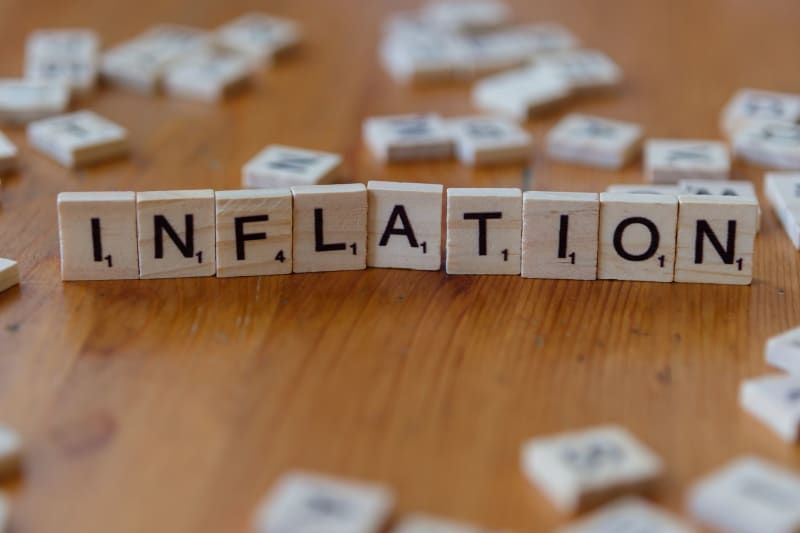
- The latest Federal Reserve meeting minutes clearly indicate a significant and growing divergence of opinions among policymakers regarding the trajectory of inflation and the appropriate path for interest rates in the United States.
- A substantial number of officials expressed concerns that inflation risks remain elevated, suggesting a potential need for further restrictive monetary policy actions to bring price stability back into alignment with the Fed's 2% target.
- Conversely, another influential group within the Fed believes that the cumulative impact of past rate hikes has yet to fully materialize, arguing for a more cautious approach to avoid overtightening and triggering an unnecessary economic downturn.
- The minutes highlight that while a consensus exists on the ultimate goal of price stability, the tactical disagreements on how to achieve it, and the timing thereof, are becoming increasingly pronounced, creating policy uncertainty.
- Discussions also touched upon the resilience of the labor market and consumer spending, with some members viewing these as signs of underlying economic strength that could fuel persistent inflation, while others see them as temporary.
- The document underscores the complexity of the current economic environment, where conflicting signals on inflation, growth, and employment are making it exceptionally challenging for the central bank to forge a unified path forward.
The Policy History
For decades, the Federal Reserve has navigated the intricate balance of achieving maximum employment and price stability, often referred to as its dual mandate. The period following the 2008 financial crisis saw an extended era of ultra-low interest rates and quantitative easing, designed to stimulate a sluggish economy. This prolonged accommodative stance set a precedent for aggressive intervention, but also sowed the seeds for future inflationary pressures as global supply chains became strained and demand surged post-pandemic. Understanding this historical context is crucial to grasping the current policy dilemma, as the Fed now grapples with unwinding years of loose monetary policy without destabilizing the economy.
The COVID-19 pandemic introduced unprecedented economic shocks, leading to massive fiscal stimulus and supply chain disruptions that ignited the most significant inflationary surge in over 40 years. In response, the Fed embarked on an aggressive tightening cycle, raising the federal funds rate from near zero to over 5% in a relatively short period. This rapid pivot marked a dramatic shift from its earlier 'transitory inflation' narrative. The speed and scale of these rate hikes were intended to cool demand and bring inflation back down, but the long and variable lags of monetary policy mean the full impact is still unfolding, contributing to the current internal debate.
Today's divisions within the Federal Reserve reflect a fundamental disagreement on whether the economy is sufficiently cooled, or if inflationary forces remain deeply entrenched. Some officials point to the slowing pace of headline inflation and signs of disinflation in goods as evidence that their policies are working. Others, however, highlight persistent strength in the services sector and a tight labor market as indicators that underlying inflationary pressures are still robust, necessitating further vigilance. This internal conflict is not merely academic; it has profound implications for the future direction of interest rates and, consequently, for businesses, consumers, and global financial markets.
Who Is Affected
The Federal Reserve's policy decisions, particularly those concerning interest rates, cast a wide net, impacting virtually every segment of the economy. Consumers are directly affected through borrowing costs for mortgages, car loans, and credit card debt. Higher rates mean larger monthly payments, reducing disposable income and potentially dampening consumer spending, which is a significant driver of economic growth. Conversely, savers might see slightly better returns on their deposits, though often not enough to fully offset inflation. The uncertainty stemming from the Fed's internal divisions could lead to greater volatility in these rates, making financial planning more challenging for households.
Businesses, from small startups to multinational corporations, face direct consequences. Higher interest rates increase the cost of capital, making it more expensive to borrow for expansion, investment in new equipment, or even day-to-day operations. This can lead to reduced hiring, delayed projects, and slower economic growth. Industries sensitive to interest rates, such as real estate and construction, are particularly vulnerable. Moreover, the lack of a clear, unified policy direction from the Fed can create an environment of uncertainty, making it difficult for businesses to make long-term strategic decisions and potentially stifling innovation and job creation.
Financial markets, including stock, bond, and currency markets, are acutely sensitive to the Fed's pronouncements and internal debates. Any perceived shift in policy direction or a deepening of internal rifts can trigger significant market reactions. Bond yields fluctuate, equity valuations are reassessed, and the dollar's strength against other currencies can change dramatically. Investors, both institutional and retail, must navigate this heightened volatility, which can impact portfolio performance and investment strategies. The global economy is also affected, as US monetary policy influences capital flows and economic conditions worldwide, especially in emerging markets.
The Case For
Proponents of continued vigilance against inflation argue that the current economic landscape, characterized by a robust labor market and resilient consumer spending, still harbors significant inflationary risks. They contend that while headline inflation has moderated, core inflation metrics, particularly in the services sector, remain stubbornly high. This faction believes that easing monetary policy prematurely would risk reigniting inflationary pressures, forcing the Fed to undertake even more aggressive and potentially damaging rate hikes in the future. Their stance emphasizes the importance of firmly anchoring inflation expectations at the 2% target to maintain long-term economic stability and purchasing power.
This perspective often highlights historical precedents where central banks, by acting too slowly or reversing course too early, allowed inflation to become embedded in the economy, leading to prolonged periods of economic instability. They argue that the costs of slightly overtightening and potentially inducing a mild recession are far less severe than the costs of allowing inflation to become entrenched. For these policymakers, the priority is unequivocally price stability, even if it means accepting some short-term economic pain or a temporary increase in unemployment. They view sustained inflation as a corrosive force that disproportionately harms lower-income households and erodes the foundations of economic growth.
Furthermore, advocates for a hawkish stance point to the sheer volume of liquidity still present in the financial system and the potential for supply-side shocks to re-emerge, such as geopolitical events or energy price spikes. They believe that maintaining a restrictive stance provides a necessary buffer against these unforeseen challenges. By keeping rates elevated for longer, the Fed can ensure that demand is sufficiently cooled and that businesses and consumers adjust their expectations to a lower inflation environment. This proactive approach aims to prevent a repeat of the 1970s, where inflation spiraled out of control due to insufficient monetary tightening.
The Case Against
On the other side of the debate, a significant number of Federal Reserve officials express growing concern that the cumulative effect of past interest rate hikes has not yet fully permeated the economy. They argue that monetary policy operates with long and variable lags, meaning the full impact of the aggressive tightening cycle initiated over a year ago is still in the pipeline. This faction fears that further rate increases, or even maintaining current elevated rates for too long, risks pushing the economy into an unnecessary and potentially severe recession, leading to widespread job losses and financial distress for households and businesses alike.
These policymakers often point to leading economic indicators that suggest a slowdown, such as softening manufacturing data, a cooling housing market, and some signs of weakening in the labor market, albeit from historically strong levels. They believe that the disinflationary trend observed in recent months, particularly in goods prices, is a clear indication that previous actions are working. Their argument is that the Fed should exercise patience and allow existing policy to fully transmit through the economy before considering additional tightening, thereby minimizing the risk of an 'overkill' scenario that could trigger a hard landing.
Moreover, this group emphasizes the importance of the Fed's dual mandate, arguing that an exclusive focus on inflation, to the detriment of employment, would be a policy misstep. They highlight the potential for significant social and economic costs associated with a sharp increase in unemployment. Some also suggest that a substantial portion of the recent inflation was driven by supply-side factors that monetary policy cannot effectively address, such as global supply chain disruptions or geopolitical conflicts. Therefore, they advocate for a more nuanced approach, one that acknowledges the progress made on inflation and prioritizes avoiding an economic downturn that could have lasting repercussions.
Policy Questions Answered
Implementation Watch
The immediate focus for markets and policymakers alike will be on how these revealed divisions translate into actual policy decisions at upcoming FOMC meetings. While the minutes reflect past discussions, they provide a crucial window into the ongoing internal dynamics. Investors will be closely watching for any shifts in rhetoric from individual Fed officials in their public appearances, seeking to identify which viewpoint is gaining traction. The challenge for the Fed leadership will be to project a unified front, even amidst internal disagreements, to maintain market confidence and avoid exacerbating volatility. Any perceived wavering could lead to unpredictable market reactions.
Key economic data releases in the coming weeks and months will play an outsized role in shaping the debate and influencing future policy. Inflation reports, particularly core CPI and PCE, alongside labor market statistics like the unemployment rate and wage growth, will be meticulously scrutinized. A sustained decline in inflation metrics, coupled with signs of a cooling labor market, could strengthen the hand of those advocating for a pause or even a pivot. Conversely, resilient inflation or unexpected strength in employment could push the committee towards further tightening, intensifying the internal conflict and making consensus harder to achieve.
Beyond interest rates, the Fed's balance sheet reduction, known as quantitative tightening (QT), also remains a critical component of monetary policy. The pace and duration of QT will be another area to watch, as it drains liquidity from the financial system and can have a significant impact on long-term interest rates. Any adjustments or discussions around the future of QT, especially in light of the internal divisions on inflation, will provide further insights into the Fed's overall strategy for achieving its dual mandate. The coming months will be a true test of the central bank's ability to navigate complex economic currents with a divided house.














Comments
No comments yet. Be the first to comment!