

What We Know
- Safran, a global aerospace and defense giant, has initiated the acquisition of Exail Technologies, a prominent player in autonomous naval systems and advanced navigation, for a staggering €2.19 billion.
- The proposed acquisition values Exail Technologies at €2.19 billion on an enterprise value basis, signaling a significant investment by Safran into high-growth, strategic technological domains.
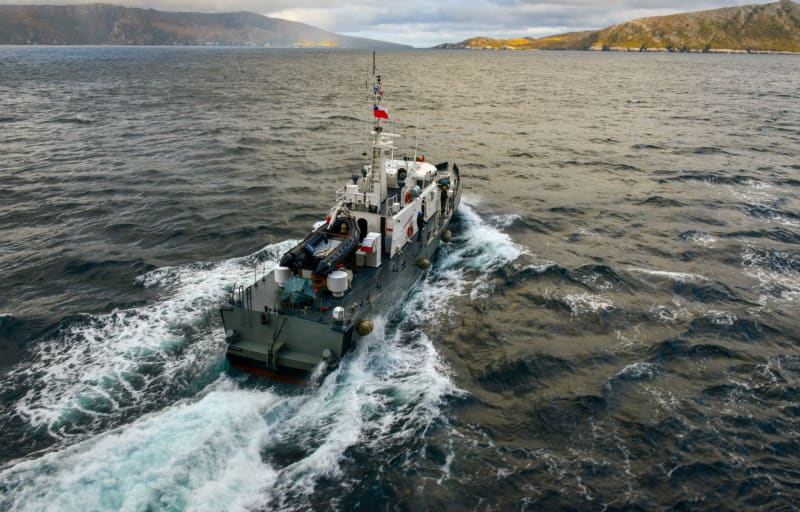
- This strategic move is poised to substantially bolster Safran's presence and capabilities within the rapidly expanding markets for autonomous maritime solutions and sophisticated navigation systems, crucial for both defense and commercial applications.
- Exail Technologies brings to the table a robust portfolio of cutting-edge technologies, including inertial navigation systems, subsea positioning, and autonomous underwater vehicles, which are highly complementary to Safran's existing offerings.
- The acquisition is expected to create a formidable new entity, combining Safran's global reach and industrial prowess with Exail's specialized expertise and innovative product lines, fostering synergy and market leadership.
- Both companies are French-based, which could streamline regulatory approvals and integration processes, while also reinforcing France's position as a leader in advanced defense and maritime technologies.
What We Do Not Know Yet
- The precise timeline for the completion of regulatory approvals from various competition authorities remains unclear, though both companies anticipate a smooth process given the complementary nature of their businesses.
- Specific details regarding the integration plan for Exail Technologies into Safran's existing organizational structure, including potential rebranding or operational restructuring, have not yet been publicly disclosed.
- The exact impact on Exail Technologies' current workforce and leadership team post-acquisition is still pending, with stakeholders keen to understand how talent will be retained and integrated.
- The long-term strategic roadmap for the combined entity, particularly concerning future research and development investments in autonomous naval systems and advanced navigation, has not been fully articulated.
- How this acquisition will specifically influence Safran's financial outlook beyond the initial investment, including projected revenue growth, cost synergies, and profitability targets, awaits further clarification.
- The competitive response from other major players in the defense and maritime technology sectors to this significant consolidation remains an open question, potentially sparking further M&A activity or intensified innovation.
Background
Safran, a global high-technology group, is a major player in the aerospace, defense, and security markets. With a rich history of innovation and a vast portfolio spanning aircraft engines, landing gear, and avionics, Safran has consistently sought to expand its technological frontiers. This acquisition represents a calculated move to diversify its core offerings and tap into burgeoning markets that align with its long-term strategic vision. The company's robust financial position and extensive R&D capabilities provide a strong foundation for integrating Exail's specialized technologies and scaling them globally.
Exail Technologies, formerly known as iXblue, has carved out a significant niche in the highly specialized fields of inertial navigation, subsea acoustics, and autonomous maritime robotics. Their expertise is critical for applications ranging from deep-sea exploration and offshore energy to military reconnaissance and mine countermeasures. The company has built a reputation for delivering high-precision, reliable, and innovative solutions that are essential for operations in challenging environments. This distinct technological edge makes Exail an attractive target for a conglomerate like Safran looking to enhance its capabilities in strategic growth areas.
The defense and maritime sectors are currently undergoing a profound transformation, driven by advancements in artificial intelligence, robotics, and sensor technologies. Autonomous systems are becoming increasingly vital for enhancing operational efficiency, reducing human risk, and extending mission capabilities. This acquisition is not merely a financial transaction; it is a strategic alignment designed to position Safran at the forefront of this technological revolution. By combining Safran's industrial might with Exail's specialized innovation, the merged entity aims to capitalize on the growing global demand for sophisticated autonomous and navigation solutions.
Why It Matters
This acquisition marks a pivotal moment for Safran, signaling a significant strategic pivot towards high-growth, technologically advanced sectors within defense and maritime. By integrating Exail's leading expertise in autonomous naval systems and advanced navigation, Safran is not just expanding its product portfolio; it is fundamentally reshaping its identity as a diversified technology leader. This move will enable Safran to offer more comprehensive solutions to its global clientele, particularly in areas where precision, autonomy, and reliability are paramount, thereby enhancing its competitive edge in a rapidly evolving market.
For the broader defense and maritime industries, this deal represents a significant consolidation of capabilities. The combined strength of Safran and Exail will create a formidable player capable of driving innovation and setting new industry standards. This could accelerate the development and deployment of next-generation autonomous vessels, advanced underwater systems, and highly accurate navigation technologies, which are critical for national security, commercial shipping efficiency, and scientific exploration. Competitors will undoubtedly be watching closely, as this could trigger a wave of similar strategic mergers and acquisitions.
Beyond the immediate corporate implications, this acquisition has significant geopolitical and technological ramifications. Enhanced capabilities in autonomous naval systems contribute directly to national defense strategies, offering advantages in surveillance, reconnaissance, and combat operations without risking human lives. Furthermore, advancements in navigation and positioning technologies are crucial for critical infrastructure, from global supply chains to satellite communications. Safran's expanded footprint in these areas could bolster European technological sovereignty and influence on the global stage, ensuring access to cutting-edge solutions for allied nations.
Timeline of Events
- **Early 2024:** Safran begins initial confidential discussions with Exail Technologies' shareholders regarding a potential acquisition, exploring strategic fit and valuation parameters.
- **Mid-2024:** Due diligence processes are initiated, with Safran's teams meticulously evaluating Exail's financial health, technological assets, market position, and intellectual property portfolio.
- **Late 2024:** Both parties reach a preliminary agreement on the terms of the acquisition, including the enterprise value of €2.19 billion, subject to final board approvals and regulatory clearances.
- **November 2024:** Safran officially announces its binding offer to acquire Exail Technologies, publicly disclosing the financial details and strategic rationale behind the landmark transaction.
- **Q1 2025 (Expected):** The acquisition proposal is submitted to relevant competition authorities in various jurisdictions for review and approval, a crucial step before closing the deal.
- **Q2 2025 (Expected):** Subject to regulatory clearances and other customary closing conditions, the transaction is anticipated to be finalized, formally integrating Exail Technologies into the Safran group.

Rapid-Fire Q&A
What Is Coming
- The coming months will see Safran and Exail Technologies focus intensely on securing all necessary regulatory approvals from competition authorities across various jurisdictions, a critical step towards finalizing the transaction.
- Both companies will begin developing detailed integration plans, outlining how Exail's operations, technologies, and personnel will be seamlessly woven into Safran's broader organizational structure to maximize synergies and efficiencies.
- Expect further communications from Safran regarding the strategic roadmap for the combined entity, potentially including specific targets for market expansion, product development, and financial performance in the autonomous naval and navigation sectors.
- The industry will closely monitor the competitive response to this significant consolidation, with potential for other major players to pursue their own strategic acquisitions or accelerate internal R&D efforts to maintain market share.
- Safran will likely showcase its newly expanded capabilities at major defense and maritime technology exhibitions, demonstrating the integrated solutions now available to its global customer base.
- Over the next 12-24 months, we anticipate seeing the first tangible results of this integration, including new product offerings that leverage the combined expertise of both companies, particularly in advanced autonomous maritime platforms and next-generation navigation systems.
















Comments
No comments yet. Be the first to comment!