
Policy Snapshot
- Western nations, including the United States and Germany, have formally approved Ukraine's request to domestically produce air-defense missile systems, marking a significant policy shift in allied support.
- This authorization extends to licensed manufacturing of specific components and potentially entire missile types, leveraging existing Ukrainian defense industry capabilities and infrastructure for critical defense needs.
- The primary objective is to significantly enhance Ukraine's self-reliance in critical defense sectors, thereby reducing the logistical burden and dependency on continuous external military aid shipments from allies.
- Technology transfer agreements and intellectual property sharing frameworks are actively being established to facilitate the seamless integration of Western missile designs into existing and new Ukrainian production lines.
- Comprehensive training programs for Ukrainian engineers and technicians on advanced manufacturing processes and stringent quality control standards are an integral part of this collaborative industrial initiative.
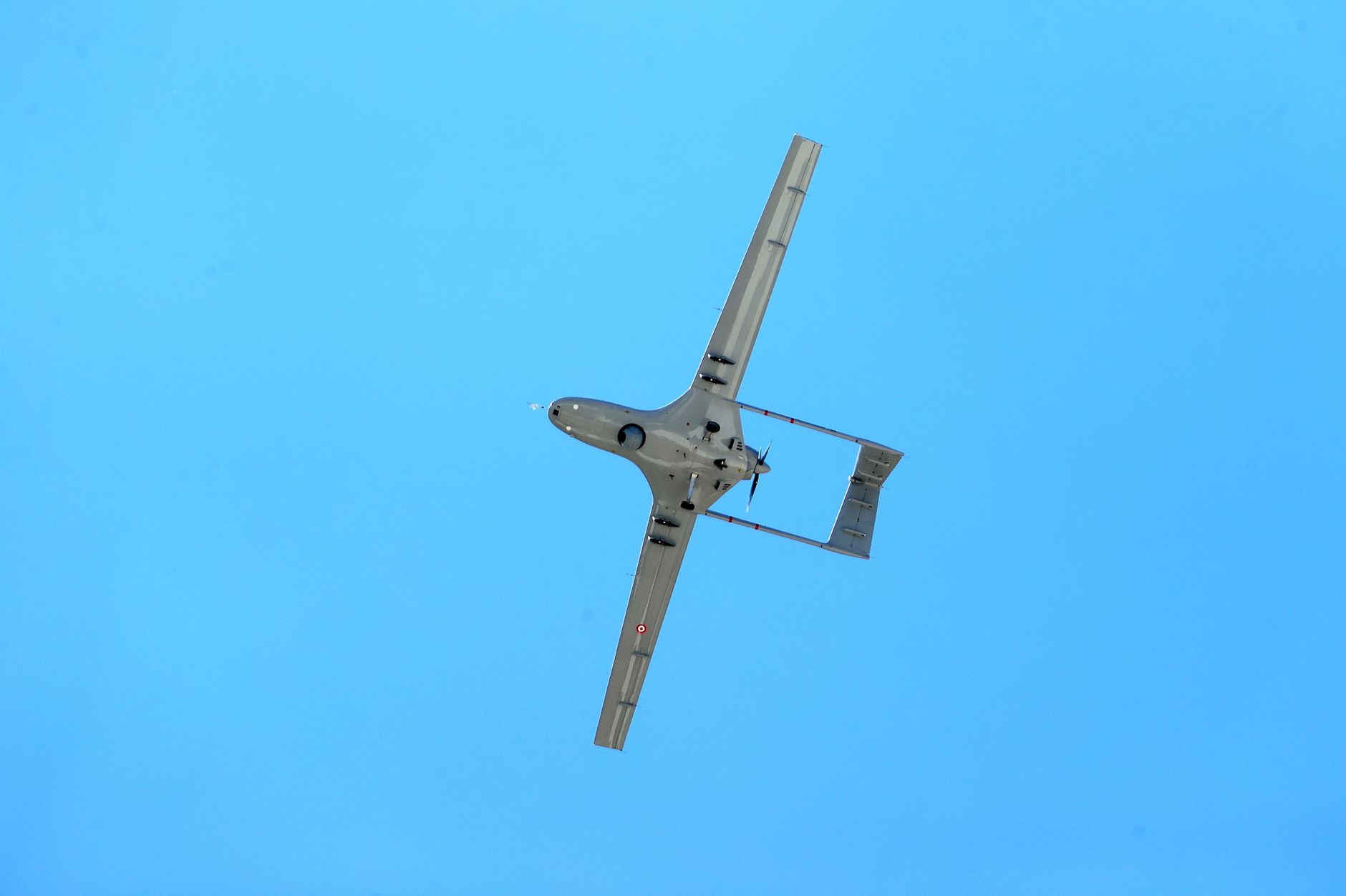
- This strategic move is expected to bolster Ukraine's ability to counter persistent Russian aerial threats, including ballistic missiles, cruise missiles, and drones, ensuring long-term defensive capabilities.
- Funding mechanisms and investment packages from allied partners are currently being explored to support the substantial capital expenditure required for establishing and scaling up these domestic production facilities.
- The decision reflects a broader understanding among allies that sustainable, indigenous defense capabilities are paramount for Ukraine's eventual victory and its long-term post-war security architecture.
The Policy History
For over two years, Ukraine has relied heavily on Western-supplied air defense systems, including Patriots, NASAMS, and IRIS-T, to protect its cities and critical infrastructure from relentless Russian aerial assaults. This dependence, while crucial for survival, has exposed significant vulnerabilities in the supply chain, often leading to delays and insufficient quantities to cover the vast territory. The sheer volume of incoming missiles and drones has consistently strained allied stockpiles, prompting urgent calls from Kyiv for more sustainable solutions. The strategic imperative to move beyond mere donations towards a more robust, self-sufficient defense posture has become increasingly clear to all stakeholders involved in supporting Ukraine's sovereignty.
The concept of domestic production gained significant traction as the war evolved, highlighting the unsustainability of solely relying on external aid for such critical assets. Ukraine possesses a formidable defense industrial base, albeit one heavily impacted by years of conflict and underinvestment, with skilled engineers and a history of military manufacturing. The discussions between Kyiv and its Western partners have intensified over the past year, focusing on the legal, technical, and logistical hurdles of transferring sensitive defense technology. This shift represents a recognition that long-term security for Ukraine cannot be solely predicated on foreign assistance but must incorporate a significant element of indigenous capability.
This landmark decision to allow licensed production signifies a profound evolution in the allied support strategy, moving from immediate battlefield supply to strategic capacity building. It acknowledges the long-term nature of the conflict and the enduring threat posed by Russia, necessitating a resilient and independent Ukrainian defense industry. By empowering Ukraine to produce its own air defense missiles, allies are not just providing weapons; they are investing in Ukraine's future security and its ability to defend itself autonomously. This policy pivot is a testament to the growing trust and deepening strategic partnership between Ukraine and its Western benefactors, recognizing Ukraine's agency in its own defense.
Who Is Affected
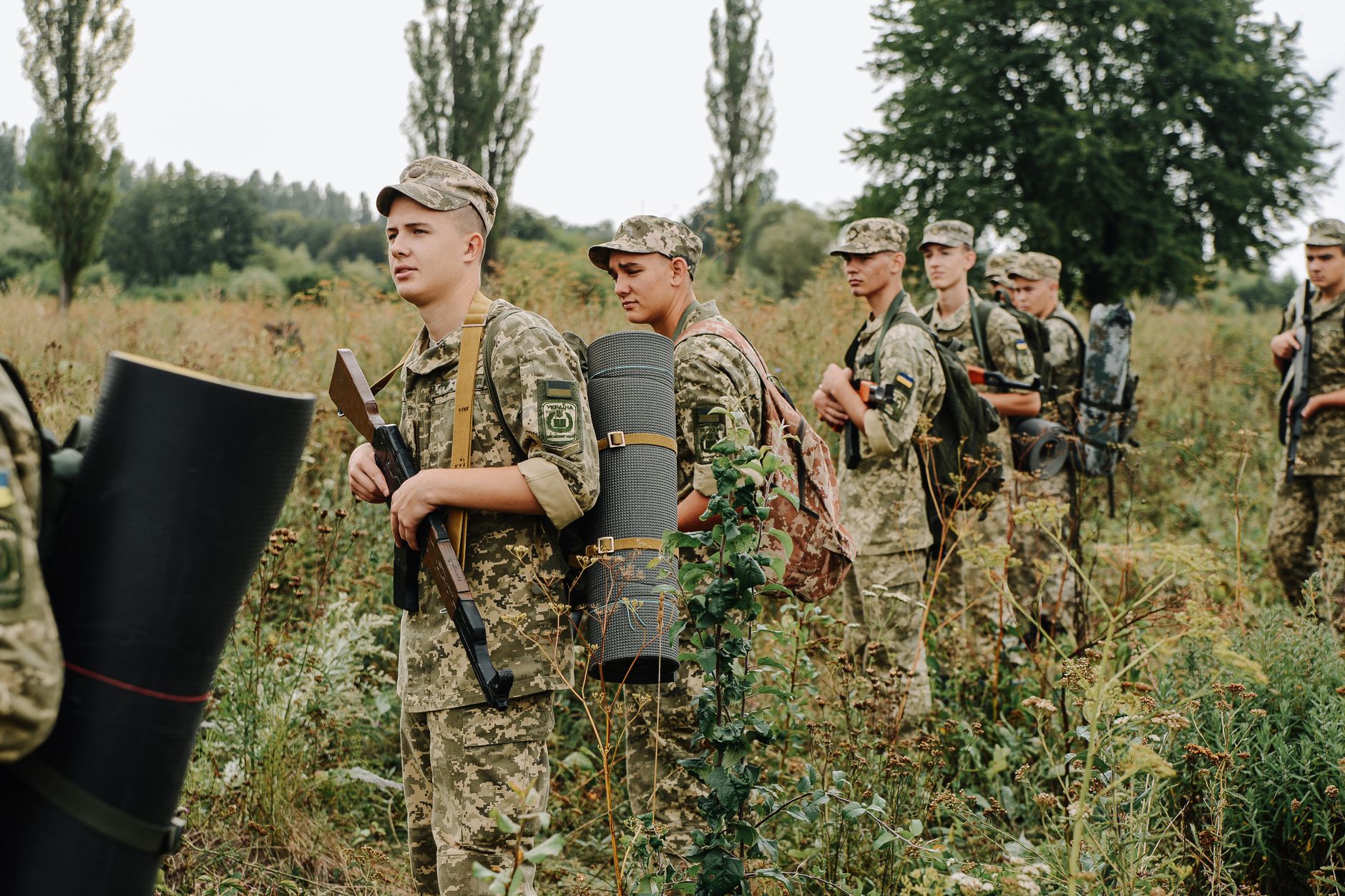
Primarily, the Ukrainian people and its military stand to gain immensely from this policy shift. Cities like Kyiv, Kharkiv, and Odesa, which have endured continuous missile and drone attacks, will eventually see enhanced protection as domestic production scales up, leading to a more consistent and predictable supply of interceptors. This increased self-sufficiency will alleviate the constant anxiety over dwindling stockpiles and the political complexities of securing timely foreign aid, directly impacting civilian morale and the operational effectiveness of the armed forces. For Ukrainian soldiers on the front lines, a more robust air defense umbrella means greater protection for supply lines, command centers, and troop concentrations, directly influencing battlefield dynamics.
Western allied nations will also experience significant effects from this strategic decision. While initially involving technology transfer and potentially substantial financial investment, this move ultimately reduces the long-term burden on their own defense stockpiles and budgets. It shifts the paradigm from a donor-recipient relationship to one of strategic partnership, where Ukraine becomes a more capable security actor in its own right. Furthermore, it strengthens the collective security architecture against Russian aggression, as a self-reliant Ukraine contributes significantly to broader European stability. The defense industries in allied countries will also benefit from licensing fees and potential joint ventures, fostering deeper industrial collaboration.
Conversely, Russia will undoubtedly view this development as a significant escalation and a direct challenge to its war aims. The prospect of Ukraine independently manufacturing advanced air defense missiles fundamentally undermines Moscow's strategy of attrition and its attempts to deplete Ukrainian and Western resources. This policy ensures that even if Western aid faces political hurdles or supply constraints, Ukraine will have an increasingly robust domestic capacity to defend its skies. This strategic empowerment of Ukraine could force Russia to reconsider its long-term military objectives and tactics, potentially increasing pressure for a negotiated settlement from a position of less leverage.
The Case For
The most compelling argument for enabling Ukraine's domestic missile production is the imperative for long-term self-sufficiency and national resilience. Relying solely on external aid creates inherent vulnerabilities, subject to the political whims of donor nations, logistical bottlenecks, and the finite capacity of foreign defense industries. By building its own production capabilities, Ukraine can ensure a steady, uninterrupted supply of critical air defense interceptors, tailored to its specific operational needs and evolving threat landscape. This dramatically reduces the risk of critical shortages that could leave cities exposed to devastating attacks, thereby strengthening national security and strategic autonomy in the face of persistent aggression.
Furthermore, this initiative represents a strategic investment in Ukraine's future as a sovereign and secure nation, rather than just a temporary fix. It fosters significant economic growth by revitalizing Ukraine's defense industrial base, creating high-skilled jobs, and stimulating technological advancement within the country. The transfer of advanced manufacturing knowledge and intellectual property will have ripple effects across various sectors, enhancing Ukraine's overall industrial capacity and innovation ecosystem. This move transforms Ukraine from a perpetual recipient of aid into a capable producer, a crucial step towards its deeper integration into the broader European security and economic framework.
From the perspective of Western allies, supporting Ukraine's domestic production is a pragmatic and ultimately cost-effective long-term strategy. While initial investments in technology transfer and infrastructure may be substantial, they ultimately reduce the ongoing financial and material burden of supplying Ukraine indefinitely. It also ensures that Western-designed systems are maintained and upgraded effectively within Ukraine, leveraging local expertise and fostering greater interoperability. This policy reinforces the commitment to Ukraine's defense without perpetually depleting allied stockpiles, demonstrating a sustainable and forward-looking approach to collective security against Russian aggression.
The Case Against
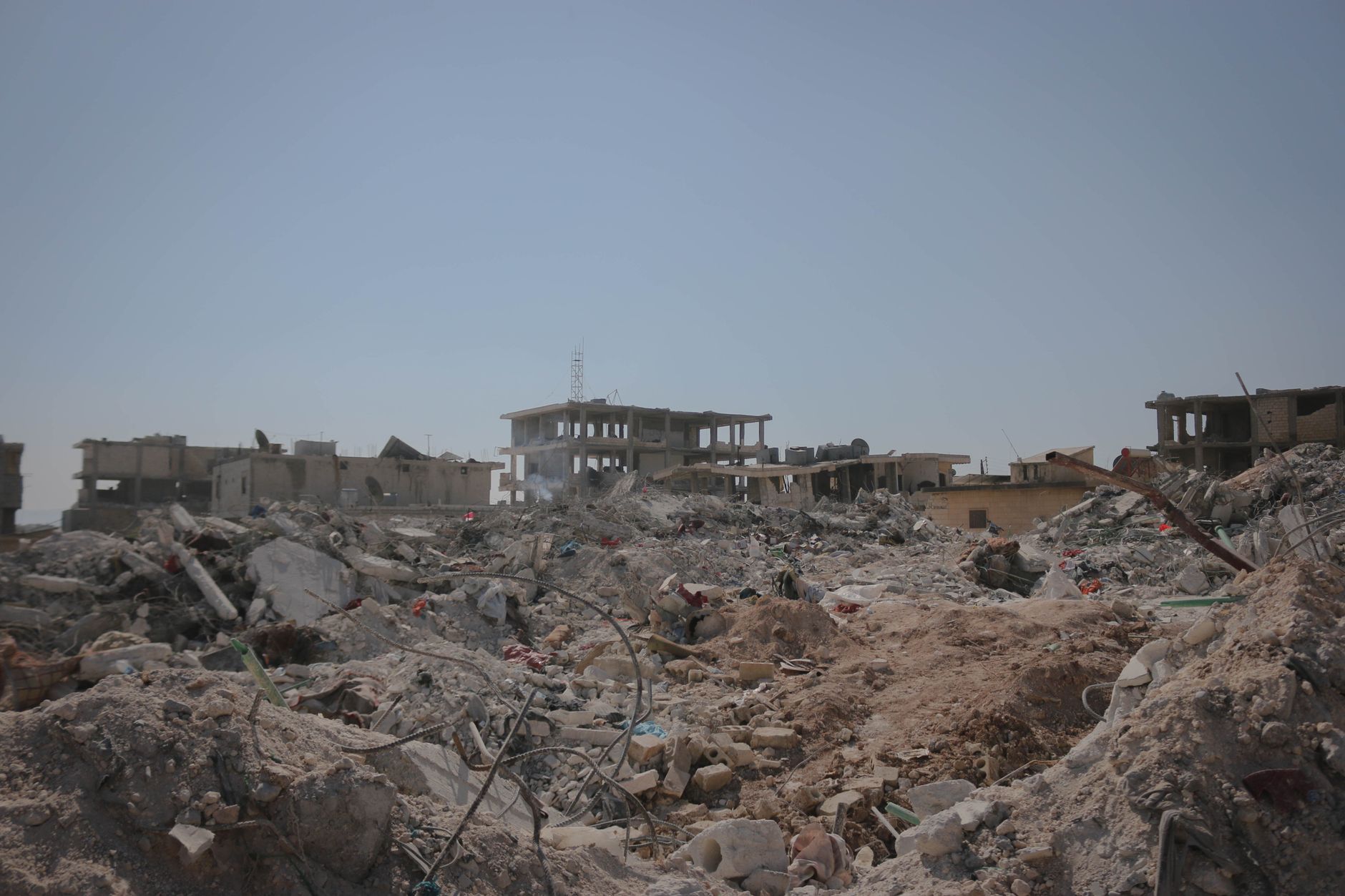
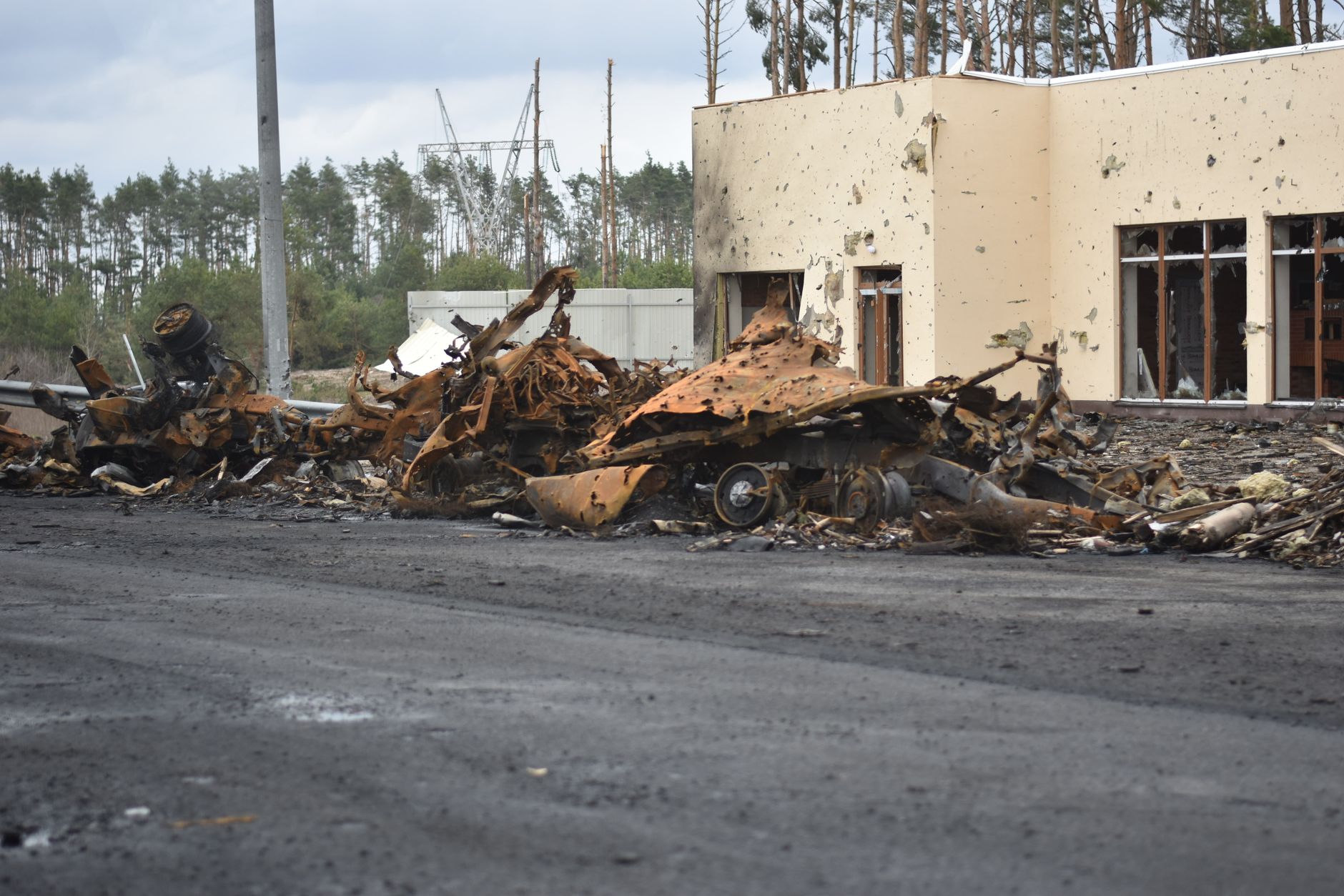
Despite the clear advantages, significant challenges and potential drawbacks accompany the decision to greenlight Ukraine's domestic missile production. A primary concern revolves around the security of these sensitive production facilities. Russian forces have consistently targeted Ukrainian industrial infrastructure, and advanced missile manufacturing sites would undoubtedly become high-priority targets for precision strikes. Protecting these crucial facilities from aerial attacks, sabotage, and espionage will require substantial and continuous investment in layered air defenses, robust physical security, and sophisticated counter-intelligence measures, adding considerable cost and complexity to the entire endeavor.
Another major hurdle is the sheer complexity and time required to establish and scale up advanced missile manufacturing capabilities. Developing a robust supply chain for specialized components, many of which are sourced internationally, will be a monumental task, highly susceptible to disruptions and delays, especially in a warzone. Quality control, precision engineering, and the rigorous testing required for reliable air defense missiles demand expertise and infrastructure that cannot be built overnight. There is a tangible risk that the initial output might be slow, insufficient, or face technical issues, potentially creating a false sense of security or diverting critical resources from more immediate defense needs.
Furthermore, the intellectual property and technology transfer aspects present their own set of risks for allied nations. Sharing sensitive military technology requires robust safeguards to prevent its compromise or unauthorized proliferation, particularly in a volatile geopolitical environment. Allied nations must carefully manage the transfer process to ensure that their proprietary designs and manufacturing secrets are adequately protected, even within a conflict zone. There are also significant concerns about the substantial financial implications, as the initial investment for setting up these facilities and training personnel will be considerable, requiring sustained commitment from both Ukraine and its international partners amidst ongoing economic strain.
Policy Questions Answered
Implementation Watch
The true test of this groundbreaking policy will undoubtedly lie in its meticulous and timely implementation. Observers will be closely watching for concrete signs of progress, starting with the finalization of specific licensing agreements and technology transfer protocols between allied governments and Ukrainian defense enterprises. Key indicators will include the public announcement of designated production sites, the procurement of specialized machinery, and the commencement of comprehensive training programs for Ukrainian personnel. Any significant delays in these initial phases could signal underlying logistical or political hurdles that need immediate attention, potentially impacting the overall timeline for operational readiness and effectiveness.
A critical aspect to monitor will be the establishment and security of the complex supply chain for raw materials and advanced components. Many of these are globally sourced, and ensuring a resilient and uninterrupted flow, especially under persistent wartime conditions, will be paramount to sustained production. Furthermore, the effectiveness of protective measures against Russian targeting of these new facilities will be under constant and intense scrutiny. Successful deterrence or interception of attacks on these strategic assets will be crucial for maintaining production continuity and bolstering investor confidence. The pace at which Ukraine can integrate these new domestically produced missiles into its existing air defense networks will also serve as a key performance metric.
Beyond the technical and logistical challenges, the political will of both Ukraine and its allies will be continuously evaluated. Sustained financial commitment from Western partners, alongside Ukraine's ability to allocate sufficient resources and maintain a stable regulatory environment, will dictate the long-term success of this initiative. The international community will be looking for clear evidence that this policy represents a genuine, enduring shift towards Ukrainian self-reliance, rather than a mere symbolic gesture. The ability to overcome inevitable setbacks and adapt swiftly to evolving battlefield realities will ultimately determine whether this strategic pivot delivers on its profound promise of a more secure and independent Ukraine.









Comments
No comments yet. Be the first to comment!