

Policy Snapshot
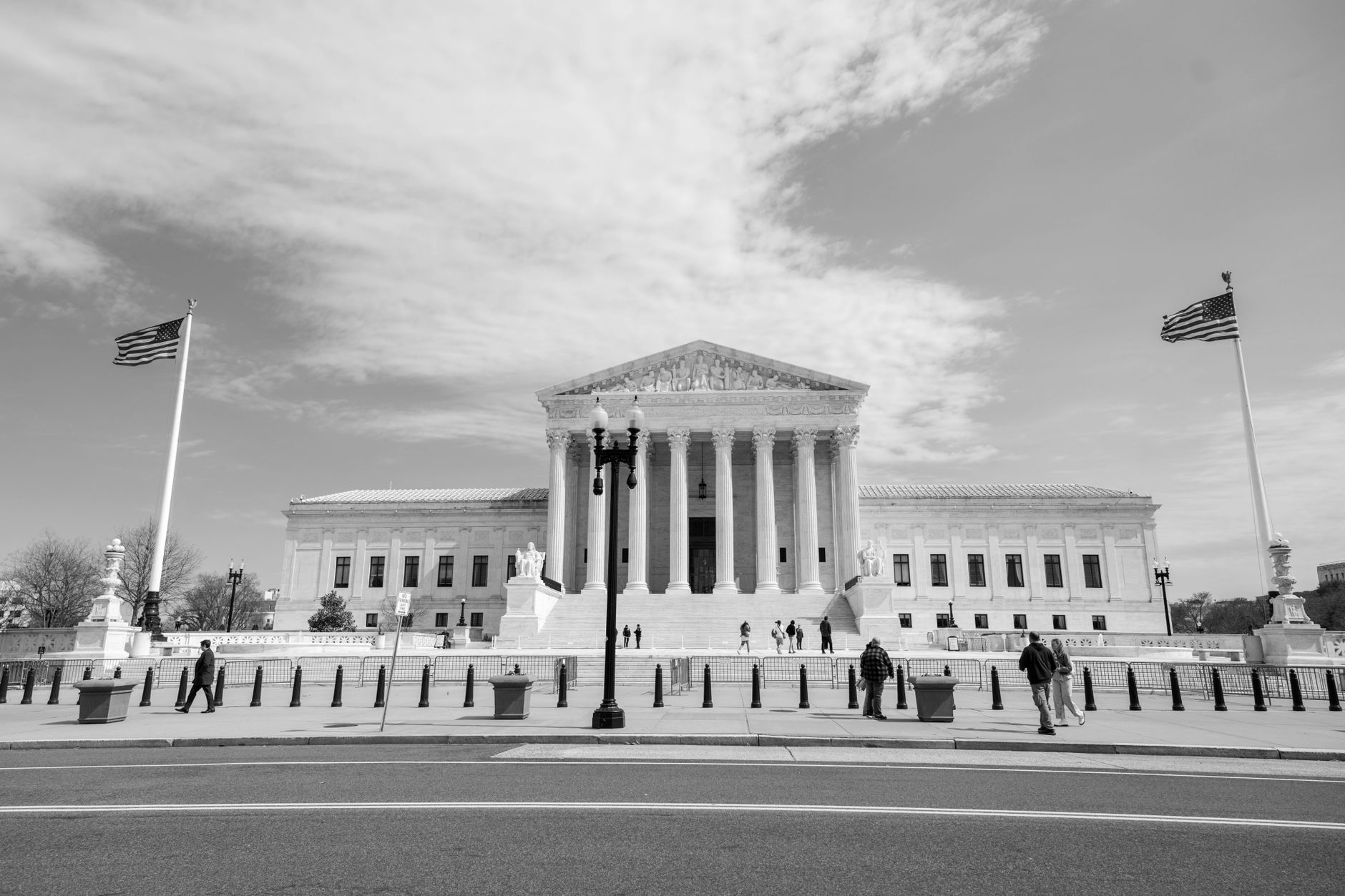
- The U.S. Court of Appeals for the Federal Circuit recently upheld the government's authority to continue collecting 10% tariffs on specific imported goods, a decision that maintains the status quo for trade policy.
- This ruling specifically addresses a legal challenge brought by thousands of American companies arguing against the legality of tariffs imposed under Section 301 of the Trade Act of 1974.
- The tariffs, initially set at 10% before escalating to 25% for many products, primarily target goods from China, impacting a vast range of industries from manufacturing to retail.
- The court's decision means that the U.S. Treasury will continue to collect billions of dollars in duties, funds that have been a contentious point for both industry and lawmakers.
- Importers who paid these tariffs under protest now face the reality that their claims for refunds are unlikely to proceed favorably in the immediate future, solidifying their financial burden.
- The legal battle, which has spanned several years, underscores fundamental disagreements over executive power in trade policy and the appropriate checks and balances.
- This judicial outcome provides temporary clarity for the government regarding its revenue streams but prolongs economic uncertainty for businesses reliant on global supply chains.
The Policy History
The genesis of these contentious tariffs traces back to the Trump administration's aggressive trade posture, particularly against China. In 2018, citing Section 301 of the Trade Act of 1974, the administration initiated investigations into China's intellectual property practices and technology transfer policies, deeming them unfair and harmful to U.S. economic interests. This led to the imposition of tariffs on hundreds of billions of dollars worth of Chinese imports, initially at a 10% rate, which later escalated to 25% for many product categories. The stated goal was to compel China to reform its trade practices and reduce the substantial trade deficit, marking a significant shift in U.S. foreign trade policy.
The legal challenges against these tariffs emerged almost immediately, spearheaded by a coalition of American importers, manufacturers, and retailers. These businesses argued that the tariffs were unlawfully imposed, exceeding the scope of the President's authority under Section 301, particularly regarding the subsequent increases and modifications to the initial tariff lists. They contended that the executive branch failed to follow proper administrative procedures, thereby denying affected parties due process and an adequate opportunity to comment. This legal offensive highlighted a deep-seated tension between executive prerogative in trade and the procedural safeguards intended to protect domestic industries from arbitrary policy changes.
The case that reached the Federal Circuit Court of Appeals consolidated over 3,600 lawsuits filed by various companies, all challenging the legality of the 10% tariffs. These companies sought refunds for billions of dollars in duties paid, asserting that the tariffs were an overreach of presidential power. The core of their argument centered on whether the President had the authority to modify and expand the tariff lists beyond the initial scope outlined in the Section 301 findings, without conducting new, specific investigations. The appeals court's recent decision, therefore, represents a crucial juncture in this protracted legal and economic dispute, validating the government's interpretation of its statutory powers, at least for now.
Who Is Affected
The primary stakeholders directly impacted by the continued collection of these 10% tariffs are American importers. These businesses, ranging from small family-owned enterprises to multinational corporations, bear the immediate financial burden of the duties. They must either absorb these additional costs, significantly eroding their profit margins, or pass them on to consumers, leading to higher prices for a vast array of goods. Industries particularly vulnerable include electronics, apparel, furniture, industrial components, and various consumer goods, all of which rely heavily on global supply chains that often originate or pass through China. The tariffs create a complex operational challenge, forcing companies to re-evaluate sourcing strategies, negotiate new contracts, and manage increased cash flow demands.
Beyond importers, American consumers ultimately feel the ripple effect of these trade policies. When businesses pass on tariff costs, the prices of everyday items increase, reducing purchasing power and potentially contributing to inflationary pressures. This hidden tax disproportionately affects lower and middle-income households, as essential goods become more expensive. Furthermore, the tariffs can limit product availability and stifle innovation, as companies become more risk-averse in introducing new imported items due to unpredictable cost structures. The long-term impact on consumer choice and affordability remains a significant concern for economists and advocacy groups alike.
Domestic manufacturers and retailers also face a complex landscape. While some domestic producers might theoretically benefit from reduced competition from imported goods, many rely on imported components and raw materials, making them subject to the same tariff costs. Retailers, caught between supplier costs and consumer price sensitivity, struggle to maintain competitive pricing while ensuring product availability. The tariffs also introduce significant supply chain disruptions, forcing companies to seek alternative, often more expensive or less reliable, suppliers outside of traditional networks. This instability can lead to delays, increased logistics costs, and a general erosion of efficiency across the entire economic ecosystem.
The Case For
Proponents of the tariffs and the court's decision often emphasize the necessity of using strong trade measures to protect national economic interests and security. They argue that tariffs, particularly those imposed under Section 301, are a vital tool to counter unfair trade practices by foreign nations, such as intellectual property theft, forced technology transfers, and state-sponsored subsidies that distort global markets. By levying duties, the U.S. government aims to level the playing field for American businesses and workers, ensuring that competition is based on fair market principles rather than predatory state actions. This perspective frames the tariffs as a defensive measure, safeguarding critical domestic industries and technological advantages.
Another key argument centers on the strategic leverage that tariffs provide in international negotiations. Supporters contend that the imposition of duties creates economic pressure on trading partners, compelling them to engage in more constructive dialogue and ultimately agree to more equitable trade agreements. Without the ability to impose such measures, the U.S. might lack sufficient bargaining power to address deep-seated structural issues in global trade relationships. The revenue generated from these tariffs also contributes to the U.S. Treasury, which can then be allocated to various government programs or used to offset other fiscal needs, further bolstering the economic rationale.
Furthermore, advocates for the tariffs highlight the importance of maintaining robust domestic manufacturing capabilities, particularly in sectors deemed critical for national security or economic resilience. They believe that by making imported goods more expensive, tariffs incentivize companies to produce goods domestically or source from allied nations, thereby strengthening American industrial bases and creating jobs at home. This approach aligns with a broader policy goal of reducing reliance on potentially adversarial countries for essential goods and technologies, fostering greater self-sufficiency and supply chain resilience. The court's decision to uphold the government's authority is seen as affirming the executive branch's necessary flexibility in executing such strategic trade policies.
The Case Against
Critics of the tariffs and the appeals court's decision primarily focus on the adverse economic consequences for American businesses and consumers. They argue that tariffs act as a tax on imports, which is ultimately paid by domestic companies and passed on to consumers, rather than being borne by the exporting country. This leads to higher input costs for manufacturers, increased retail prices, and a reduction in consumer purchasing power. Many businesses have reported significant financial strain, with some forced to lay off employees, delay expansion plans, or even cease operations due to the unpredictable and substantial cost increases associated with these duties. The economic burden is seen as undermining the very industries it purports to protect.
Another significant concern revolves around the disruption of global supply chains and the potential for retaliatory measures from trading partners. Tariffs force companies to reconfigure established and efficient supply networks, often leading to higher logistical costs, longer lead times, and reduced product quality as businesses scramble for alternative sources. Moreover, the imposition of tariffs frequently provokes reciprocal tariffs from affected nations, harming American exporters and agricultural producers who then face increased barriers to selling their goods abroad. This cycle of protectionism can escalate into trade wars, ultimately damaging global economic stability and fostering international animosity rather than cooperation.
Legal and constitutional arguments against the tariffs also form a core part of the opposition. Many legal scholars and affected businesses contend that the executive branch overstepped its statutory authority under Section 301, particularly in its broad interpretation and expansion of the initial tariff lists without sufficient congressional oversight or transparent administrative processes. They argue that such expansive executive power undermines the separation of powers and sets a dangerous precedent for future trade policy decisions. The lack of clear procedural safeguards, they assert, leaves businesses vulnerable to arbitrary policy shifts, creating an unstable and unpredictable regulatory environment that stifles investment and long-term planning.
Policy Questions Answered
Implementation Watch
Following the appeals court's affirmation, the U.S. government will continue its collection of the 10% tariffs without immediate legal impediment. This means importers must factor these duties into their operational costs and pricing strategies for the foreseeable future. The ruling solidifies the current trade landscape, providing a degree of certainty for government revenue collection but prolonging the financial strain on affected businesses. Companies that had hoped for a swift reversal and potential refunds now face the reality of ongoing tariff payments, necessitating a re-evaluation of their financial forecasts and supply chain resilience plans. The immediate watch is on how businesses adapt to this sustained cost pressure.
While the legal challenge at the appeals court level has concluded, the broader policy debate surrounding these tariffs remains highly active. The Biden administration has indicated it is conducting its own comprehensive review of the Section 301 tariffs, weighing their effectiveness, economic impact, and strategic value. Any significant policy shift from the executive branch could alter the tariff landscape, potentially leading to modifications, exclusions, or even a partial rollback. Businesses and industry groups are actively lobbying the administration, presenting data on the tariffs' impact on inflation, competitiveness, and job creation, hoping to influence future policy decisions.
Looking ahead, the possibility of further legal action, though less likely to succeed, cannot be entirely discounted. The plaintiffs could petition for a full en banc review by the Federal Circuit or even attempt to appeal to the Supreme Court, though the latter has a very high bar for acceptance. Concurrently, congressional action could also play a role. Lawmakers continue to debate the extent of executive authority in trade policy, and legislative efforts to refine or constrain the President's powers under Section 301 could emerge. Businesses are advised to monitor both judicial and legislative developments closely, as the long-term trajectory of these tariffs remains subject to evolving political and legal dynamics.


















Comments
No comments yet. Be the first to comment!