


At a Glance
- Economic sanctions stand as a primary, non-military instrument in modern foreign policy, frequently deployed by nations and international bodies to exert pressure and compel behavioral changes in target states or entities.
- The actual effectiveness of these punitive economic measures remains a subject of intense, ongoing debate among policymakers, economists, and humanitarian organizations, with success rates varying widely across different historical and geopolitical contexts.
- Sanctions are consistently associated with a broad spectrum of unintended consequences, often extending far beyond the initial target, impacting global supply chains, international trade, and the welfare of innocent civilian populations.
- The implementation of comprehensive sanction regimes frequently leads to significant humanitarian challenges, including shortages of essential goods, rampant inflation, and severely restricted access to vital services like healthcare and education.
- While aiming to deter aggression or human rights abuses, sanctions can paradoxically strengthen authoritarian regimes by fostering internal consolidation and pushing targeted nations towards alternative geopolitical alliances, complicating their intended outcomes.
- Assessing accountability for the far-reaching impacts of sanctions is notoriously complex, highlighting an urgent need for more robust international frameworks and independent oversight mechanisms to mitigate civilian harm and ensure ethical deployment.
The Record
The deployment of economic sanctions as a tool of statecraft is far from a modern invention, tracing its roots back to ancient civilizations that understood the power of denying resources to adversaries. However, their systematic and institutionalized application gained significant traction in the 20th century, particularly in the aftermath of the two World Wars. Organizations like the League of Nations and its successor, the United Nations Security Council, adopted sanctions as a cornerstone of collective security, aiming to prevent conflicts and enforce international law without resorting to direct military intervention. This historical evolution underscores a persistent global effort to find non-lethal means of coercion.
In the post-Cold War era, the United States emerged as a dominant force in the unilateral and multilateral imposition of sanctions, targeting a diverse array of nations including Cuba, Iran, and North Korea. The primary objective has consistently been to pressure recalcitrant regimes, compel policy shifts, or dismantle illicit programs, such as nuclear proliferation efforts. Yet, the efficacy of these measures has always been a subject of intense scrutiny, with success rates exhibiting considerable variability. This variability often depends on factors like the target country's economic resilience, the degree of international cooperation, and the clarity of the sanctioning body's objectives.
More recently, the comprehensive sanctions package levied against Russia following its 2022 invasion of Ukraine represents one of the most extensive and coordinated economic warfare campaigns ever witnessed. These measures were meticulously designed to cripple Russia's economy, degrade its military capabilities, and isolate it from global financial systems. However, the sheer scale and interconnectedness of the global economy meant these sanctions inevitably generated significant ripple effects, causing widespread disruptions in energy markets, exacerbating inflationary pressures, and straining supply chains across the globe. This illustrates the double-edged nature of such powerful economic instruments.
Who Knew and When
The intricate dynamics and potential repercussions of economic sanctions have been well-documented and understood by policymakers and economists for decades. Extensive reports from governmental bodies, particularly the U.S. Treasury Department, alongside a vast body of academic research, consistently highlight the dual nature of these tools: their capacity to exert significant leverage and their inherent risks. These analyses often delve into the specific mechanisms through which sanctions impact target economies, from financial restrictions to trade embargoes, providing a foundational understanding of their operational scope and limitations.
Intelligence agencies play a crucial role in assessing the resilience of target countries, identifying potential workarounds, and forecasting the immediate economic fallout. However, the profound and ever-increasing interconnectedness of the global economy makes accurately predicting the full spectrum of spillover effects an extraordinarily complex and often elusive task. Supply chains are intricate, financial markets are deeply intertwined, and unforeseen reactions from non-sanctioning nations can rapidly alter the landscape, creating a challenging environment for comprehensive impact assessment.
Furthermore, major international financial institutions like the International Monetary Fund (IMF) and the World Bank have repeatedly issued stern warnings regarding the broader implications of widespread sanctions regimes. Their analyses frequently underscore the potential for these measures to destabilize global trade, impede economic development, and exacerbate existing vulnerabilities, particularly within developing nations. These warnings emphasize the critical importance of careful calibration and continuous monitoring to mitigate unintended harm and prevent the erosion of global economic stability, urging a cautious approach to their implementation.
Voices from the Ground
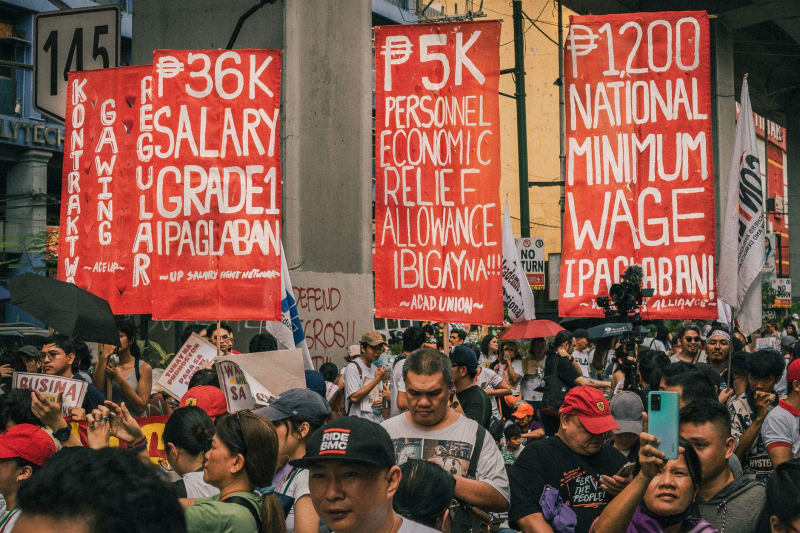
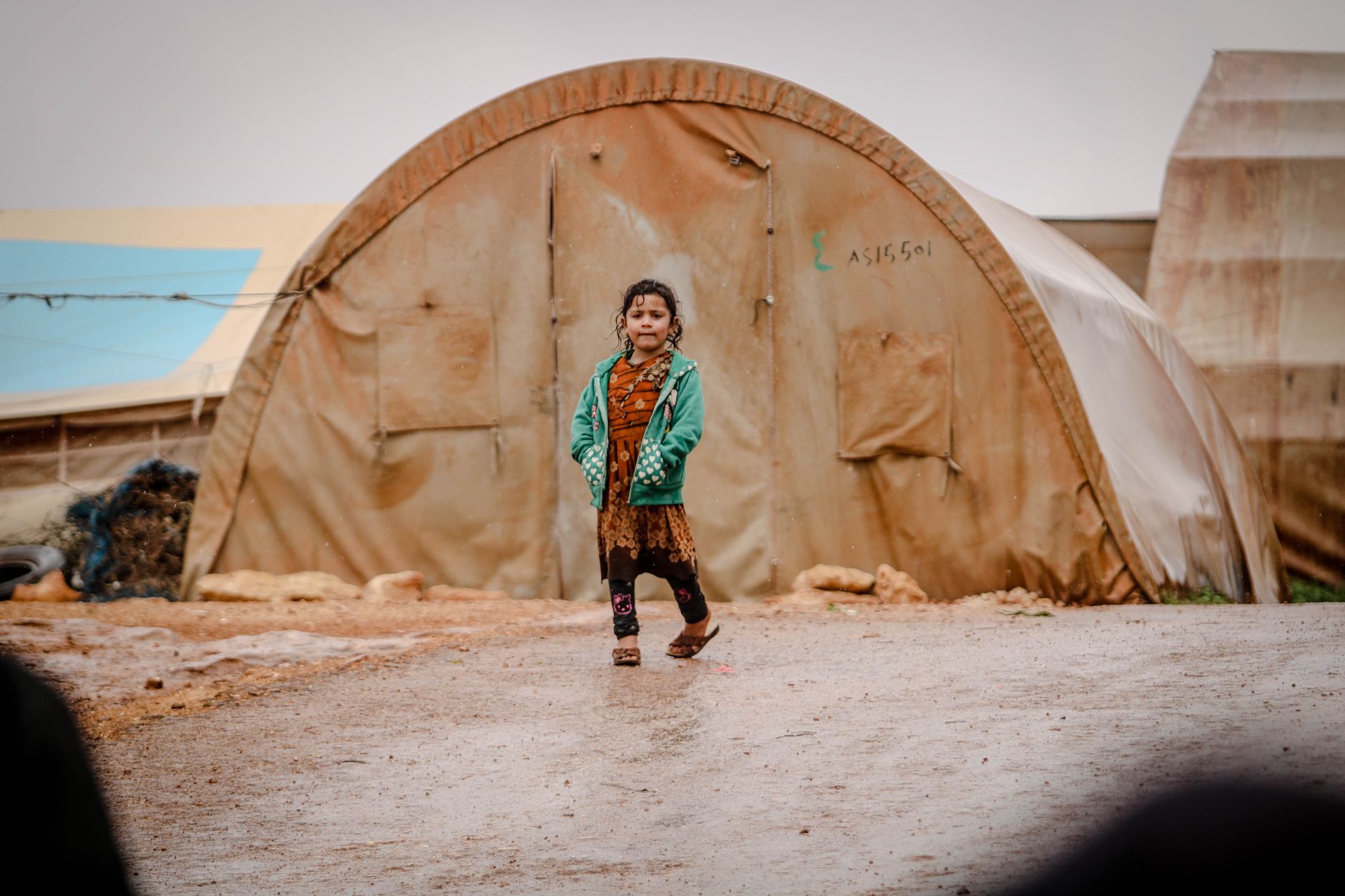
The most profound and immediate impact of economic sanctions is often felt by ordinary citizens within the targeted countries, who frequently bear the disproportionate brunt of these punitive measures. Life becomes a daily struggle marked by severe shortages of essential goods, including food and medicine, leading to widespread inflation that erodes purchasing power and exacerbates poverty. Access to vital services like healthcare and education can be severely curtailed, fundamentally undermining human development and well-being. These tangible hardships translate into real human suffering, creating a humanitarian crisis often overlooked in policy discussions.
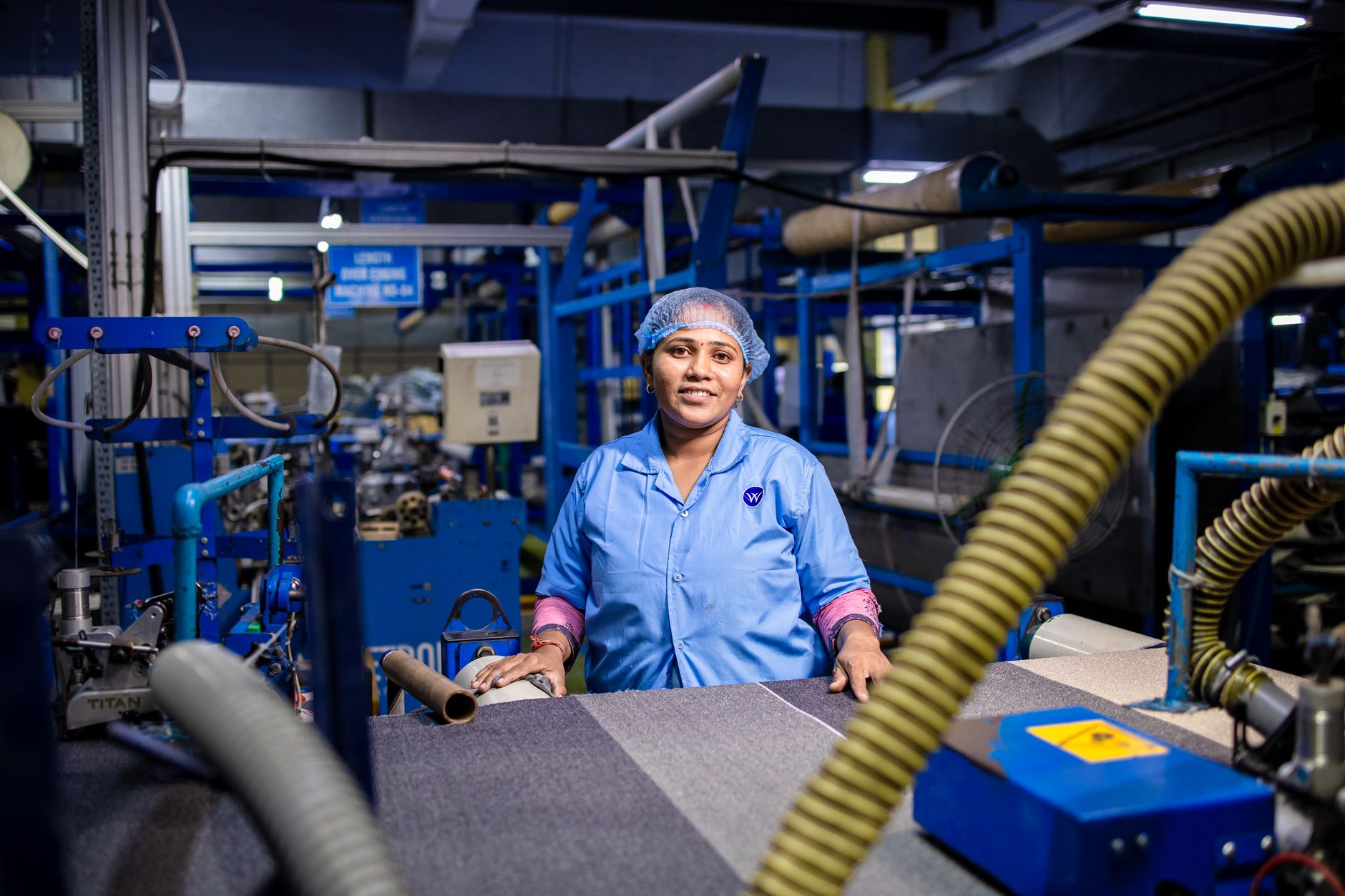
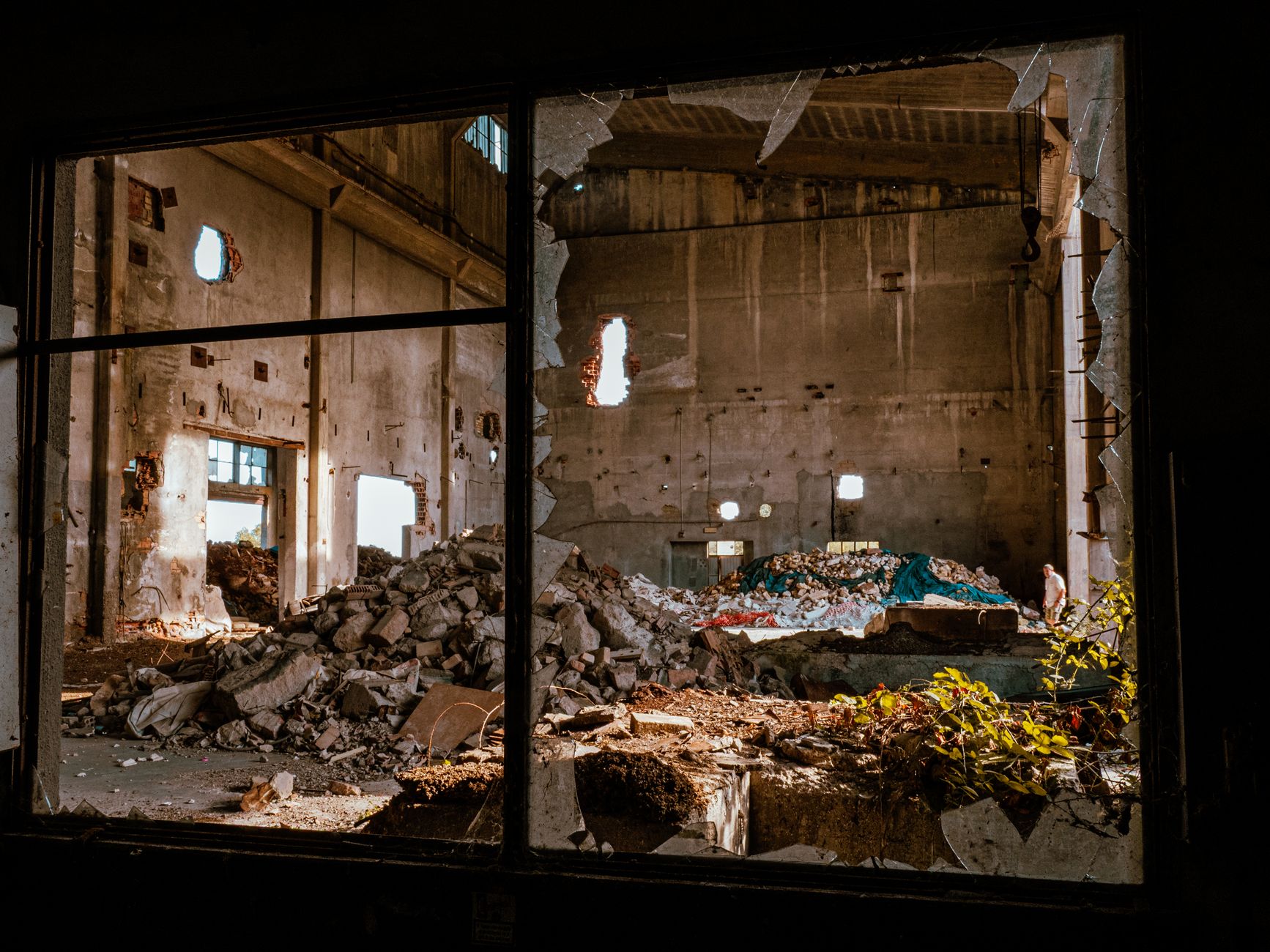
Beyond the individual, businesses within sanctioned nations face immense operational challenges. Import and export restrictions choke off access to crucial raw materials, spare parts, and international markets, leading to widespread bankruptcies, job losses, and a dramatic contraction of the economy. This economic strangulation not only devastates local industries but also stifles innovation and long-term growth prospects. Humanitarian organizations, crucial lifelines in times of crisis, frequently report significant hurdles in delivering aid due to banking restrictions, logistical complexities, and bureaucratic delays, further compounding the suffering of vulnerable populations.
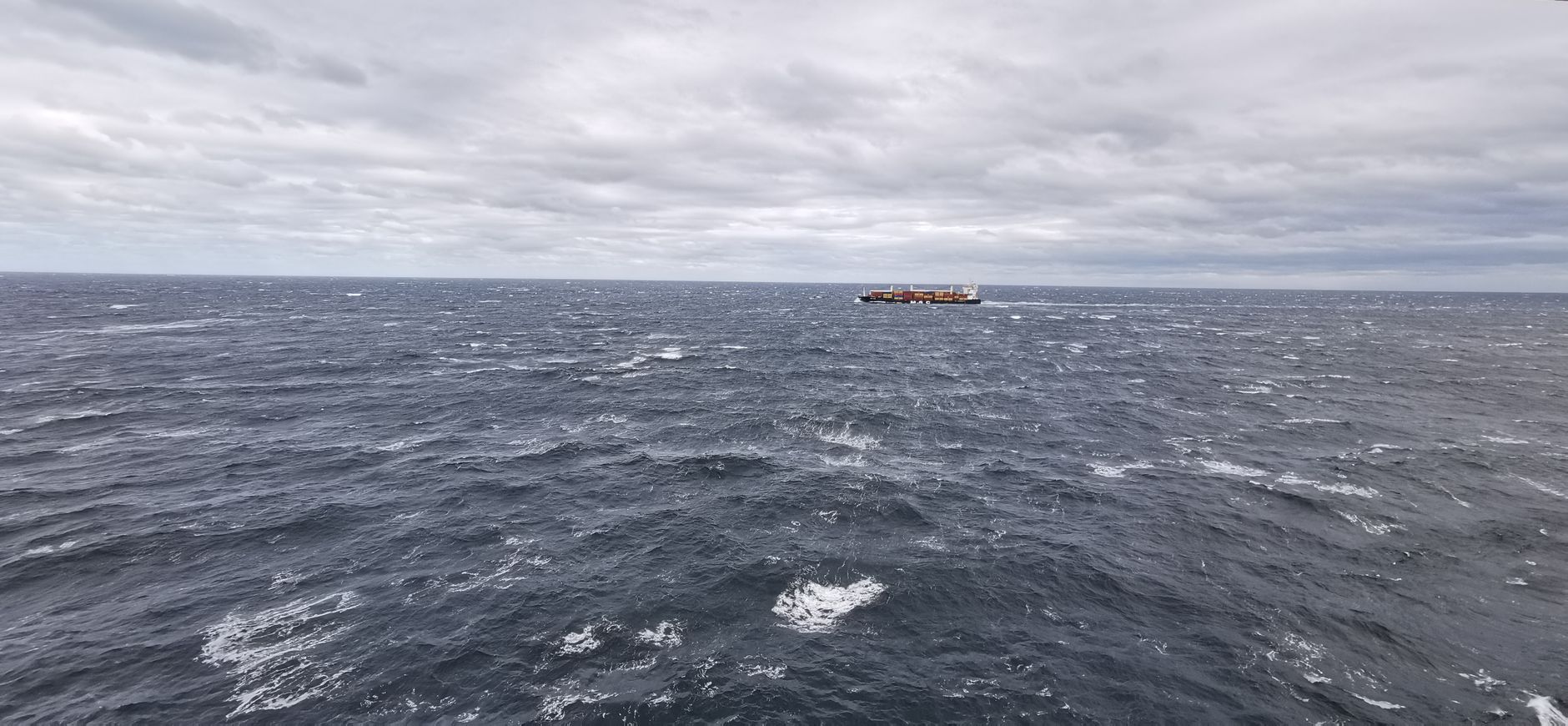
The ripple effects of sanctions are not confined solely to the targeted states. Businesses and consumers in the sanctioning countries can also experience adverse consequences, ranging from lost export markets and disrupted supply chains to increased commodity prices. A notable example includes European farmers who incurred substantial losses following Russian counter-sanctions on agricultural products, demonstrating how economic dependencies can transform sanctions into a double-edged sword. This complex web of interconnectedness means that the economic warfare waged through sanctions often inflicts collateral damage on all participants, underscoring the need for a holistic assessment of their true cost.
The Debate
The utility and morality of economic sanctions ignite a fierce and ongoing debate among international relations scholars, policymakers, and human rights advocates. Proponents champion sanctions as a vital, non-military instrument for enforcing international norms, deterring aggression, and pressuring rogue states to comply with global standards. They argue that sanctions can prevent larger conflicts, protect human rights by targeting oppressive regimes, and offer a diplomatic alternative to military intervention, thereby saving lives and resources. This perspective views sanctions as a necessary evil, a lesser-of-two-evils approach to global governance.
Conversely, critics contend that sanctions often inflict disproportionate harm on innocent civilian populations rather than effectively targeting the ruling elites they are designed to influence. They point to historical instances where regimes have successfully circumvented restrictions, exploited black markets, or even consolidated power by blaming external pressures for domestic hardships. Furthermore, broad economic embargoes can inadvertently push targeted nations into closer alliances with rival powers, undermining the very geopolitical objectives they were intended to achieve and creating new, complex regional dynamics.
A significant dimension of this debate revolves around the efficacy of 'smart sanctions' versus traditional, comprehensive embargoes. There is a growing consensus, supported by an expanding body of research, that narrowly tailored sanctions — targeting specific individuals, entities, or sectors like arms or finance — are generally more effective in achieving policy goals while minimizing humanitarian fallout. However, even these targeted measures are not without their limitations and ethical quandaries, as their implementation can be complex, and they still carry the risk of unintended consequences, necessitating continuous evaluation and adaptation.
Your Questions Answered
What Accountability Looks Like
Assessing and enforcing accountability for the wide-ranging impacts of economic sanctions remains an extraordinarily complex and often contentious issue within international law and policy. While certain international legal frameworks exist that touch upon state responsibility and human rights obligations, their practical enforcement in the context of sanctions is challenging. The diffuse nature of economic harm, the difficulty in attributing specific outcomes directly to sanctions versus other internal factors, and the sovereign immunity of states often create significant hurdles for victims seeking redress or for international bodies attempting to assign blame. This ambiguity often leaves affected populations without clear avenues for recourse.
Humanitarian organizations consistently advocate for greater accountability from sanctioning states, urging them to adopt more robust mechanisms to mitigate civilian harm and ensure that humanitarian principles are upheld. These calls often emphasize the need for comprehensive impact assessments—conducted both before and during the implementation of sanctions—to anticipate and monitor their effects on vulnerable populations. The debate also centers on who ultimately bears responsibility for the unintended consequences, particularly when sanctions lead to widespread food insecurity, medical shortages, or other severe humanitarian crises, pushing for a clearer ethical framework.
There is a growing international push for the establishment of more transparent and effective oversight mechanisms. This includes advocating for independent assessments of humanitarian impact, ensuring that humanitarian exemptions are not only codified but also practically and efficiently utilized without bureaucratic impediments that delay critical aid. Furthermore, discussions are emerging around creating pathways for affected populations to voice their concerns and potentially seek reparations, aiming to foster a more responsible and ethically sound approach to the deployment of economic coercion in foreign policy. Such reforms are crucial to ensure that the pursuit of geopolitical objectives does not inadvertently lead to widespread human suffering.







Comments
No comments yet. Be the first to comment!