
What We Know
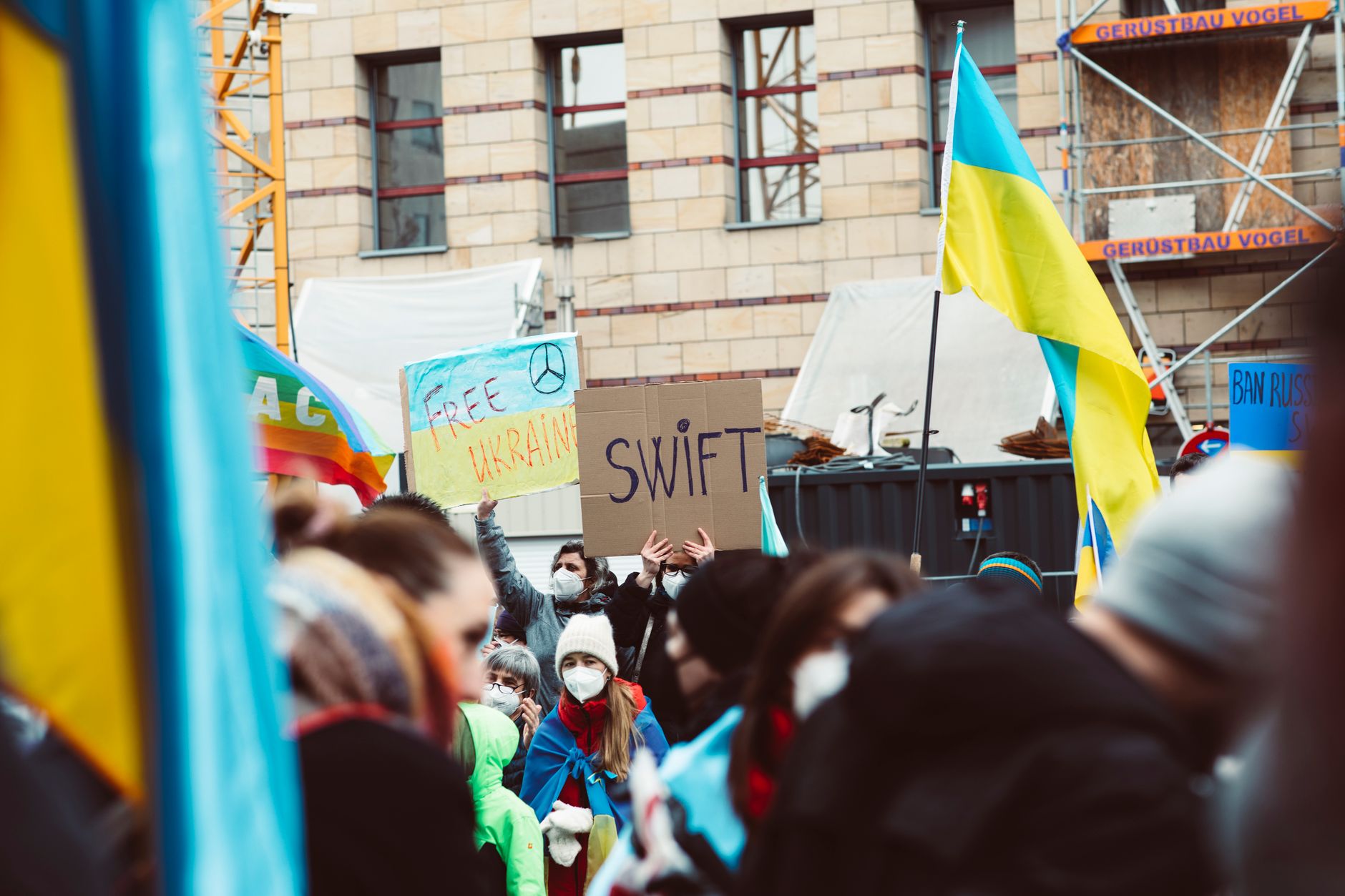
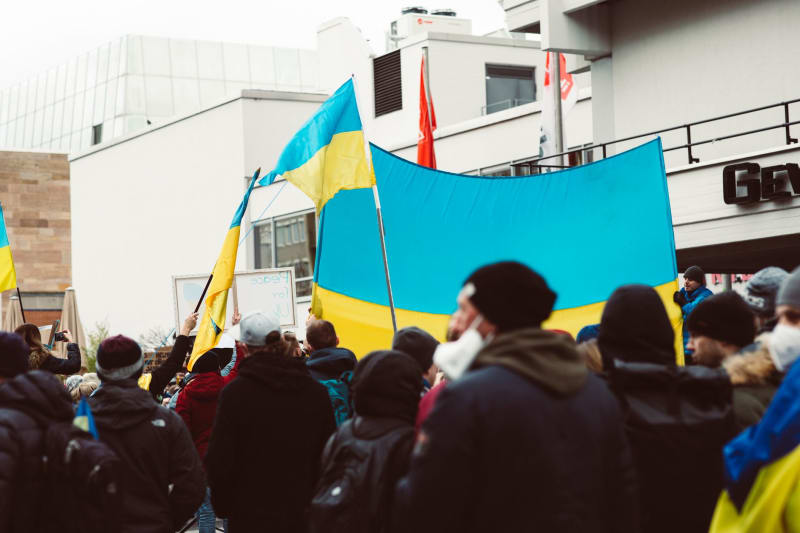
- Russia launched a full-scale invasion of Ukraine on February 24, 2022, marking a dramatic escalation of long-standing tensions and initiating the largest conventional conflict in Europe since World War II.
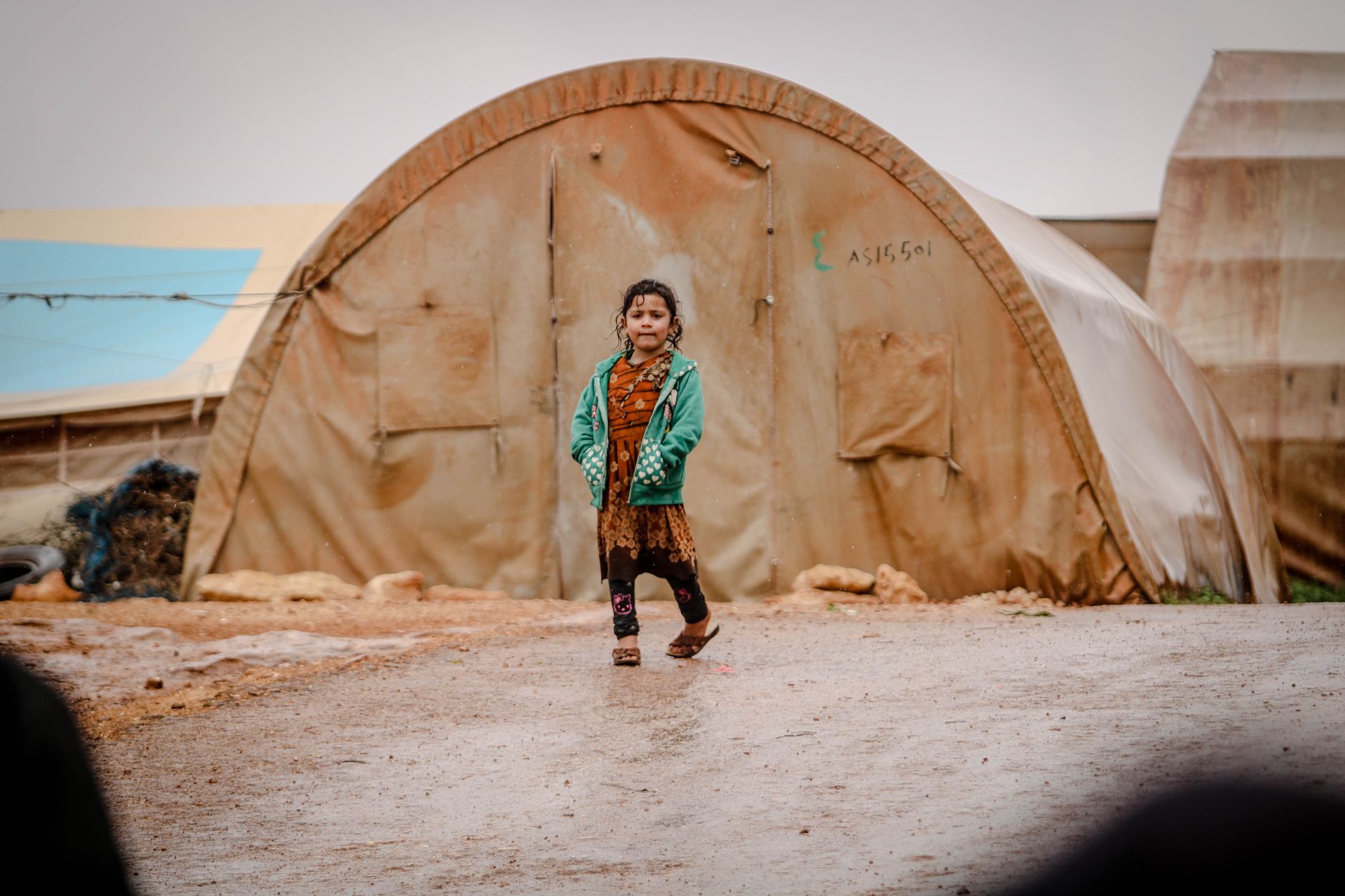
- Millions of Ukrainians have been forcibly displaced from their homes, both internally within the country and as refugees seeking safety in neighboring European nations, creating an immense humanitarian crisis.
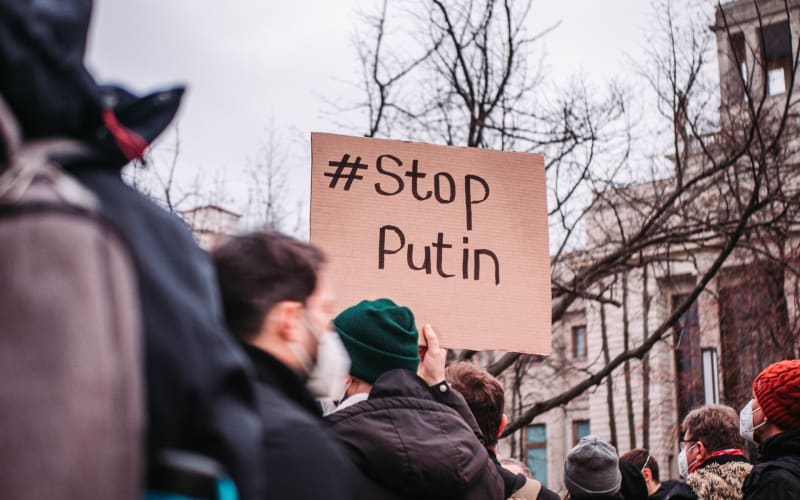
- Western nations, including the United States and the European Union, have imposed extensive sanctions on Russia, targeting its financial sector, energy exports, and key individuals in an effort to cripple its war economy.
- Intense fighting continues in various regions, particularly in the eastern Donbas area and the southern Black Sea coast, with both sides engaging in fierce artillery duels and strategic maneuvers.
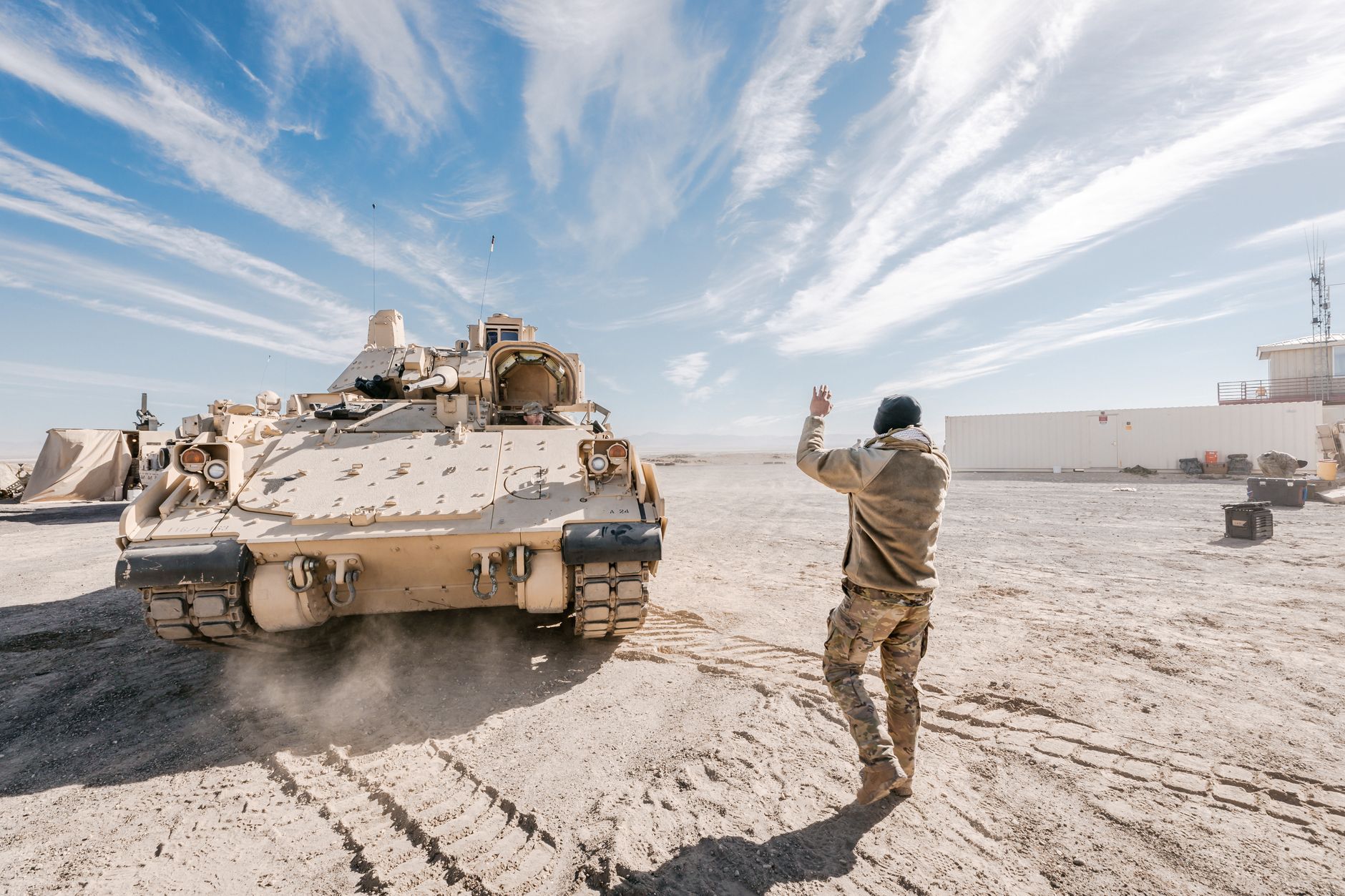
- Ukraine has received substantial military and financial aid from its international allies, including advanced weaponry, intelligence support, and billions in economic assistance to sustain its defense and national operations.
- The conflict has profoundly disrupted global supply chains, leading to significant increases in energy prices and exacerbating food insecurity worldwide, especially impacting vulnerable nations dependent on Ukrainian and Russian exports.
What We Do Not Know Yet
- The precise timeline for the conflict's resolution remains highly uncertain, with no clear diplomatic path forward or decisive military advantage indicating an imminent end to hostilities.
- The full, long-term economic damage to both Ukraine and Russia, as well as the ripple effects on the global economy, is still being assessed and will likely unfold over many years.
- The specific terms and conditions of any future peace agreement, including territorial concessions, security guarantees, and reparations, are subjects of intense speculation and complex negotiation.
- Russia's ultimate strategic goals beyond securing its current territorial gains and influence in the region remain opaque, making it difficult to predict future military or political objectives.
- The extent of post-war reconstruction efforts required for Ukraine and how international funding and expertise will be coordinated to rebuild devastated infrastructure and communities is largely undefined.
- The long-term geopolitical realignments and shifts in international alliances that will emerge from this conflict are still evolving, with potential implications for global security structures.
Background
The deep-seated tensions between Russia and Ukraine are rooted in centuries of shared and contested history, significantly intensifying after the collapse of the Soviet Union in 1991. Ukraine's subsequent pursuit of closer ties with Western Europe and its aspirations for NATO membership were consistently viewed by Moscow as an existential threat, challenging Russia's traditional sphere of influence and its security perimeter. This ideological divergence laid the groundwork for future confrontations, transforming a historical kinship into a modern geopolitical fault line.
This geopolitical friction dramatically escalated in 2014, following Ukraine's Euromaidan Revolution, which saw the ousting of a pro-Russian president. In response, Russia swiftly annexed Crimea, a strategically vital peninsula, and simultaneously began supporting separatist movements in Ukraine's eastern Donbas region. This intervention ignited a protracted, low-intensity conflict that claimed thousands of lives and effectively destabilized Ukraine's territorial integrity, setting a dangerous precedent for international relations and sovereignty.
The period between 2014 and 2022 was characterized by a frozen conflict in the Donbas, coupled with a steady military buildup by Russia along Ukraine's borders. Despite numerous diplomatic efforts and ceasefires, underlying grievances remained unresolved, and Russia repeatedly voiced its demands for security guarantees preventing NATO expansion eastward. The culmination of these unaddressed tensions and Russia's perceived security threats ultimately led to the full-scale invasion on February 24, 2022, plunging Europe into its most significant military conflict in decades and fundamentally altering the global security landscape.
Why It Matters
The conflict in Ukraine represents a profound challenge to the foundational principles of international law and the post-World War II global order, where national sovereignty and territorial integrity are paramount. Russia's unprovoked aggression has shattered decades of relative peace in Europe, demonstrating a willingness to use military force to redraw borders and assert influence, thereby setting a dangerous precedent for other authoritarian regimes. This erosion of established norms threatens to destabilize regions far beyond Eastern Europe, inviting a re-evaluation of collective security mechanisms and defense alliances worldwide.
Beyond geopolitical implications, the humanitarian crisis unleashed by the war is immense and deeply concerning. Millions of Ukrainians have been forced to flee their homes, becoming internally displaced persons or refugees seeking asylum across Europe, facing unimaginable hardship and trauma. Economically, the conflict has sent shockwaves through global markets, disrupting critical supply chains for food and energy. Skyrocketing prices for oil, gas, and agricultural commodities like wheat have exacerbated inflation and food insecurity, particularly impacting vulnerable populations in developing nations already struggling with economic instability.
The long-term ramifications of this conflict extend to the reshaping of international alliances, energy policies, and defense spending. Nations are re-evaluating their strategic dependencies and bolstering military capabilities, signaling a potential return to bloc politics. Furthermore, the war has accelerated the global transition towards renewable energy as countries seek to reduce reliance on Russian fossil fuels, albeit with immediate challenges. Ultimately, the outcome of this struggle will not only determine Ukraine's future but also significantly influence the trajectory of global governance, human rights, and the balance of power for generations to come.
Timeline of Events
- **2014: Annexation of Crimea and Donbas Conflict:** Russia annexes the Crimean Peninsula following a controversial referendum and begins supporting separatists in Ukraine's eastern Donbas region, initiating a low-intensity conflict that persists for years.
- **February 24, 2022: Full-Scale Invasion:** Russia launches a comprehensive, multi-front invasion of Ukraine, targeting major cities including Kyiv, marking the largest military aggression in Europe since World War II.
- **March-April 2022: Kyiv Offensive and Retreat:** Ukrainian forces mount a fierce defense, successfully repelling Russian advances on Kyiv and forcing a significant withdrawal of Russian troops from northern Ukraine, shifting focus to the east.
- **April 2022 - August 2022: Eastern and Southern Fronts:** The conflict intensifies in eastern Ukraine's Donbas region and along the southern Black Sea coast, with Russia focusing on securing a land bridge to Crimea and capturing key industrial areas.
- **September-November 2022: Ukrainian Counter-Offensives:** Ukraine launches successful counter-offensives in Kharkiv and Kherson regions, reclaiming significant territories and demonstrating effective use of Western-supplied weaponry and tactical prowess.
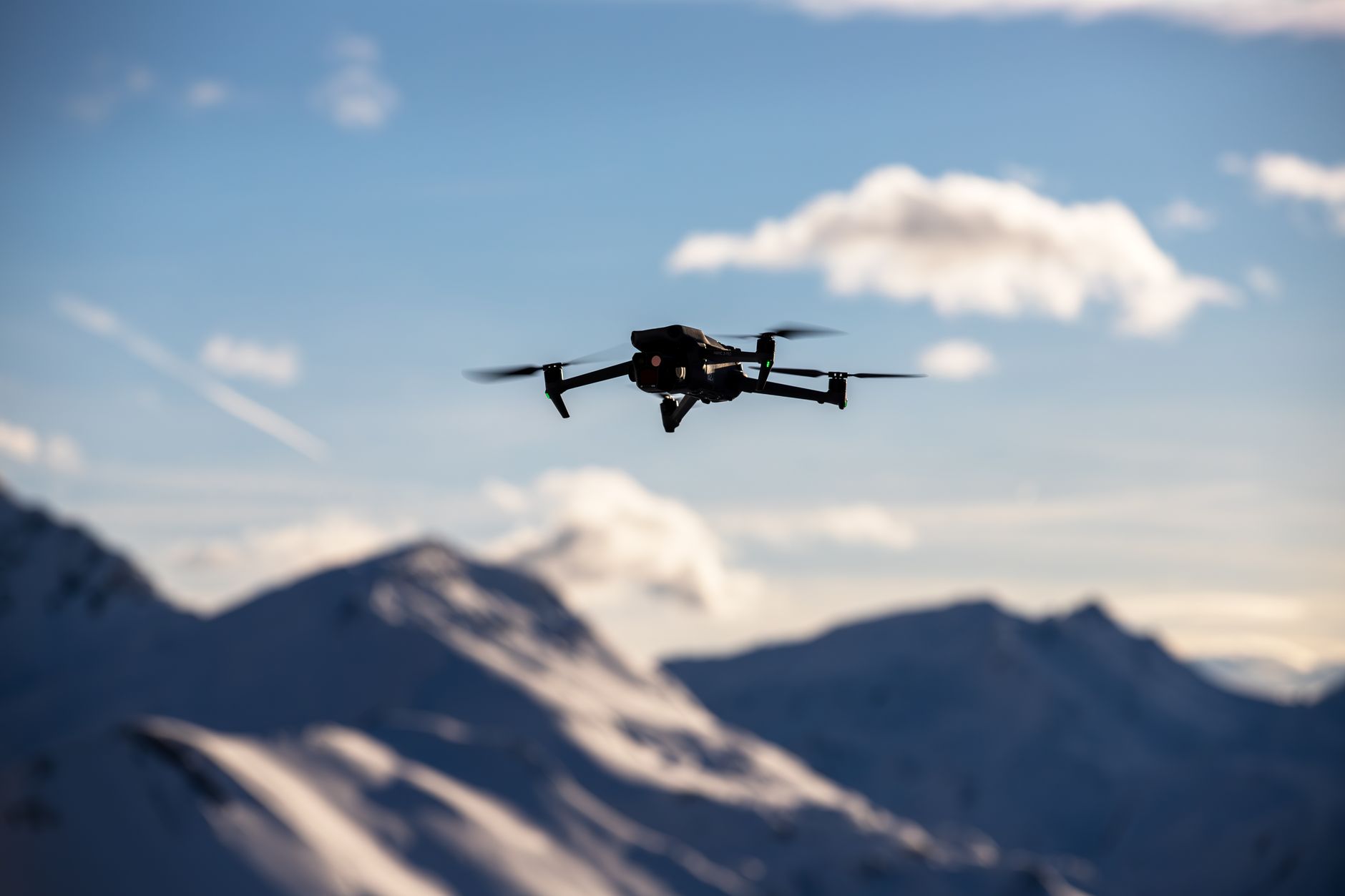
- **Ongoing: Stalemate and Attrition Warfare:** The conflict evolves into a grinding war of attrition, characterized by intense artillery duels, trench warfare, and drone attacks, with both sides seeking to gain incremental advantages while international aid and sanctions continue.
Rapid-Fire Q&A
What Is Coming
- **Sustained Military and Financial Aid:** Expect continued, albeit potentially evolving, military and financial support from Western allies to Ukraine, crucial for its defense capabilities and economic stability in the face of ongoing aggression.
- **Further Sanctions and Economic Pressure:** The international community will likely maintain and potentially expand sanctions against Russia, aiming to further cripple its economy and diminish its capacity to fund the war, though effectiveness remains a subject of debate.
- **Intensified Diplomatic Efforts (and Stalemate):** While direct peace talks remain challenging, expect ongoing, behind-the-scenes diplomatic efforts from various international actors, even if a significant breakthrough appears distant in the short term.
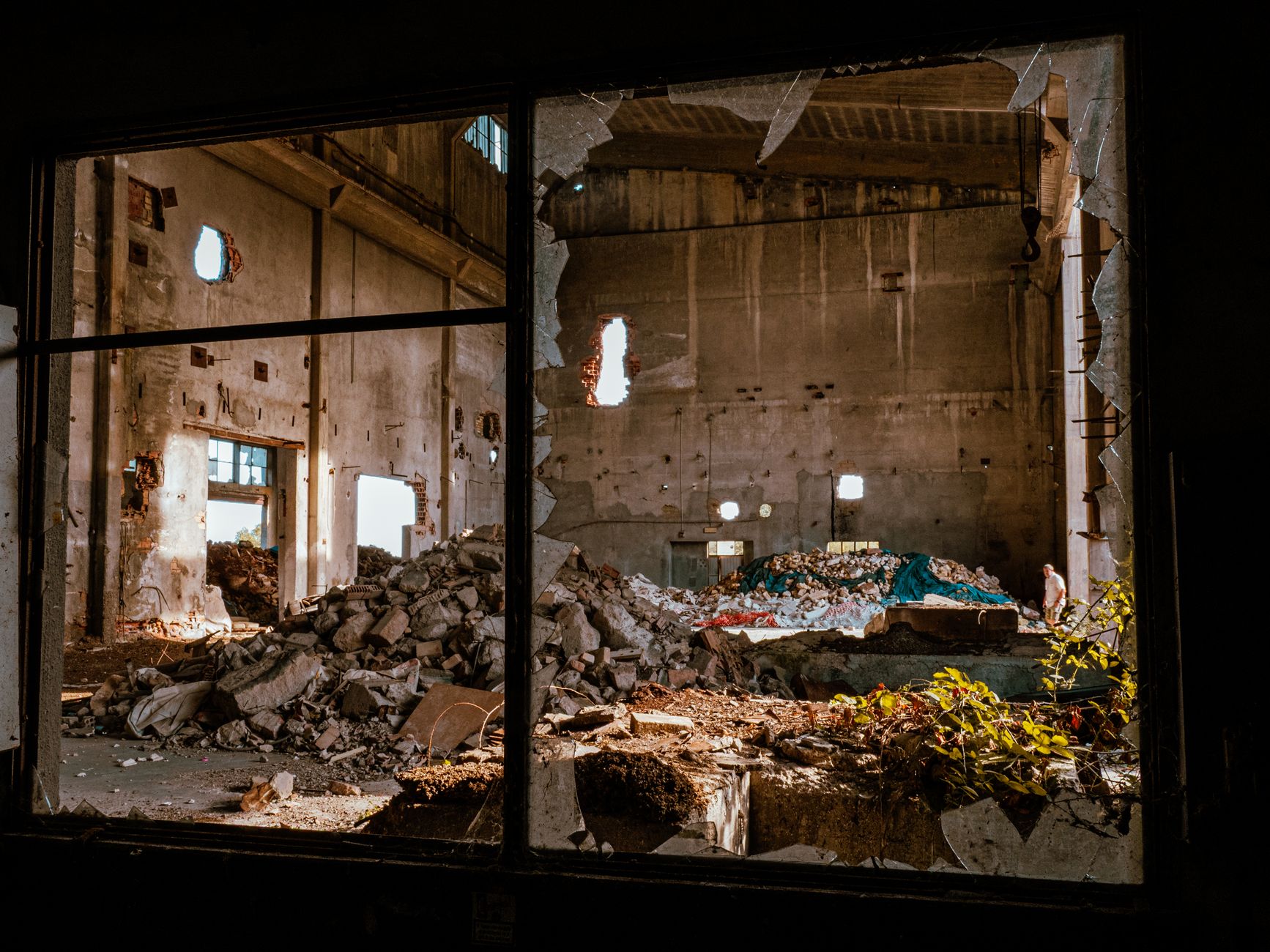
- **Massive Reconstruction Challenges:** Ukraine faces an enormous task of post-war reconstruction, requiring unprecedented international coordination and funding to rebuild devastated cities, infrastructure, and communities once the conflict subsides.
- **Long-term Geopolitical Realignment:** The conflict will continue to drive significant geopolitical shifts, including the strengthening of NATO, re-evaluation of energy dependencies, and potential formation of new international alliances and security frameworks.
- **Increased Focus on War Crimes Accountability:** Expect sustained international pressure and investigations into alleged war crimes and crimes against humanity, with efforts to hold perpetrators accountable through international legal mechanisms.





Comments
No comments yet. Be the first to comment!