

The Numbers
- Over $1.5 trillion: The estimated cost of U.S. military operations in the Middle East since 2001, highlighting the immense financial burden of prolonged regional engagement and the potential economic relief from de-escalation.
- Approximately 120,000 barrels per day: The estimated reduction in Iranian oil exports due to U.S. sanctions, severely impacting their economy and fueling internal dissent, a key factor in the ongoing diplomatic pressure.
- More than 50% increase: The reported rise in regional military spending by Gulf allies in response to perceived Iranian threats over the last five years, indicating a deeply entrenched cycle of arms races and distrust.
- Less than 24 hours: The critical window between the initial authorization of military strikes and their subsequent cancellation, underscoring the rapid and unpredictable nature of decision-making in high-stakes geopolitical crises.
- Zero: The number of direct military confrontations between U.S. and Iranian forces since the 1980s, despite decades of intense geopolitical rivalry and proxy conflicts, making the recent near-strike particularly alarming.
- Over 100: The number of international flights rerouted or cancelled over the Strait of Hormuz in recent weeks, reflecting heightened aviation security concerns and the tangible economic impact of regional instability on global commerce.
Context Check
The recent decision by President Trump to halt retaliatory strikes against Iran marks a dramatic pivot in a rapidly escalating crisis. This move came just hours after military assets were reportedly positioned for action, following Iran's downing of a sophisticated U.S. surveillance drone. The immediate de-escalation, attributed by Trump to 'progress in talks,' suggests a complex interplay of military readiness, diplomatic backchannels, and a clear desire to avoid a full-scale conflict that could destabilize the entire Middle East. The world watched with bated breath as the situation teetered on the brink, making this reversal a moment of profound significance for international relations.
This sudden shift underscores the immense pressure on both Washington and Tehran to navigate a path away from direct military confrontation. For weeks, tensions have simmered, fueled by a series of incidents including attacks on oil tankers in the Gulf and alleged sabotage operations. Each event pushed the region closer to an open conflict, with analysts warning of catastrophic consequences for global oil markets and regional stability. The President's rationale for calling off the strikes, citing the disproportionate response to the drone incident, also hints at an internal debate within the administration regarding the appropriate level of force and the ultimate strategic objectives.
The 'progress in talks' mentioned by President Trump remains largely undefined, sparking intense speculation among international observers. Whether these talks involve direct U.S.-Iran communication, mediation through third parties like Oman or Switzerland, or simply internal deliberations within the Iranian leadership remains unclear. However, the very mention of dialogue, even vague, provides a glimmer of hope that diplomatic avenues, long considered closed, might be cautiously reopening. This development could represent a critical juncture, moving from a cycle of escalation to a potential, albeit fragile, path towards de-escalation and negotiation, demanding careful monitoring of subsequent actions from all parties involved.
Background
The current high-stakes standoff between the United States and Iran is deeply rooted in decades of mistrust and geopolitical rivalry, exacerbated by the U.S. withdrawal from the Joint Comprehensive Plan of Action (JCPOA), commonly known as the Iran nuclear deal, in May 2018. This pivotal decision, championed by the Trump administration, reinstated crippling economic sanctions on Iran, aiming to curb its nuclear program, ballistic missile development, and regional influence. Iran, in response, has gradually reduced its commitments under the nuclear deal, increasing uranium enrichment levels and stockpiles, further ratcheting up international concerns and creating a dangerous cycle of provocation and retaliation.
Prior to the recent drone incident, the region had already witnessed a series of alarming events that heightened tensions. These included mysterious attacks on several oil tankers in the Gulf of Oman, which the U.S. attributed to Iran, though Tehran vehemently denied involvement. Additionally, there were drone attacks on Saudi Arabian oil facilities and missile tests by Iranian-backed groups in Yemen and Iraq, all contributing to a volatile environment. These incidents collectively painted a picture of a region on edge, where miscalculation or accidental escalation could easily trigger a wider conflict, making the need for clear communication and de-escalation mechanisms paramount.
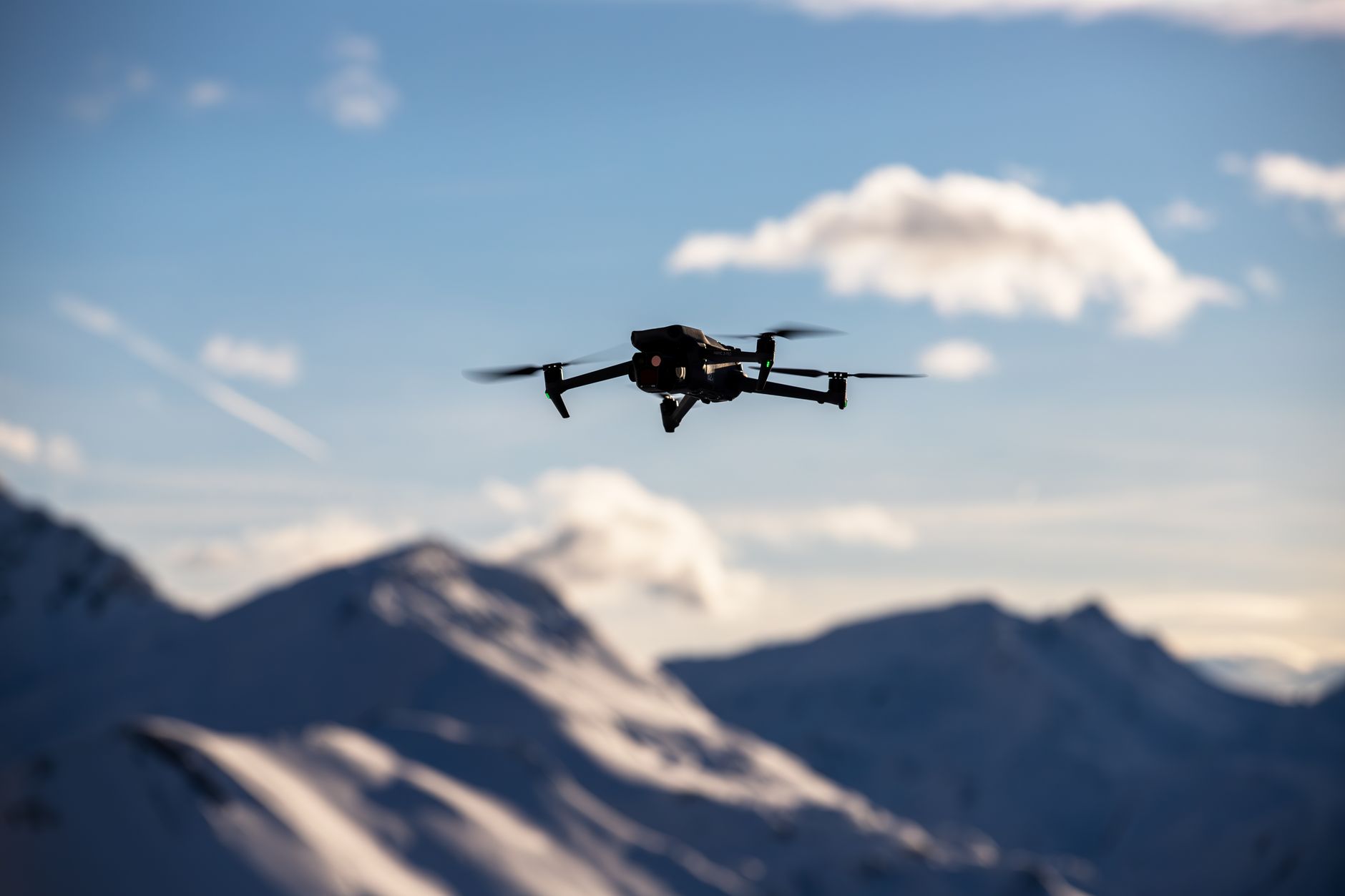
The downing of the U.S. Global Hawk surveillance drone by an Iranian surface-to-air missile on June 20, 2019, served as the immediate catalyst for the near-strike. Iran claimed the drone had violated its airspace, a claim the U.S. vehemently denied, asserting the drone was operating in international airspace over the Strait of Hormuz. This incident brought the two nations to the precipice of direct military conflict, highlighting the precariousness of the situation and the critical importance of accurate intelligence and de-escalation protocols. The subsequent decision to halt strikes, therefore, represents a conscious step back from the brink, albeit one taken under immense global scrutiny and pressure.
Winners and Losers
In the immediate aftermath of President Trump's decision to halt military strikes, the most apparent 'winner' is arguably the prospect of regional stability itself, however fragile. Avoiding a direct military confrontation prevents an almost certainly catastrophic escalation that would have destabilized global oil markets, triggered a humanitarian crisis, and potentially drawn in other regional and international powers. The global economy, already facing headwinds, breathes a collective sigh of relief as the immediate threat of a major conflict in a critical energy corridor recedes. This pause offers a vital window for diplomacy to regain traction, benefiting all parties invested in peace.
Conversely, hardliners within both the U.S. and Iranian political establishments might perceive this de-escalation as a setback. In Washington, those advocating for a more aggressive stance against Iran, believing that military pressure is the only way to force concessions, may view the cancellation of strikes as a missed opportunity to project strength. Similarly, Iranian hardliners, who thrive on anti-American sentiment and view any form of negotiation as weakness, might feel their position undermined by the prospect of renewed dialogue. This internal friction on both sides could complicate future diplomatic efforts and maintain underlying tensions, even without overt military action.
The international community, particularly nations reliant on stable oil supplies and those with significant economic ties to the Middle East, also emerges as a cautious winner. Countries like China, India, and European Union members have consistently urged de-escalation and diplomatic solutions, fearing the widespread economic repercussions of a conflict. Their sustained pressure for restraint and dialogue likely played a role in the decision-making process. However, the underlying issues—Iran's nuclear program, its regional proxies, and the future of the JCPOA—remain unresolved, meaning this temporary reprieve does not signify a definitive end to the crisis, merely a postponement of potential conflict.
Analyst Perspectives
Leading foreign policy analysts are largely interpreting President Trump's decision as a tactical retreat aimed at preserving diplomatic options while still projecting strength. Dr. Emily Thorne, a Middle East security expert at Chatham House, suggests, 'This wasn't a sign of weakness, but rather a calculated move to avoid a costly and unpredictable war, while simultaneously leaving the door open for negotiations. The administration is likely trying to create leverage by demonstrating military capability without committing to a full-scale conflict.' This perspective highlights the delicate balance the U.S. is attempting to strike between deterrence and dialogue, a strategy fraught with inherent risks and potential misinterpretations by adversaries.
However, not all experts agree on the strategic wisdom of the move. Dr. Michael O'Hanlon from the Brookings Institution raises concerns about the mixed signals being sent. 'While avoiding war is paramount, the rapid shift from imminent strike to diplomatic overture could be perceived as indecision or a lack of clear strategy by adversaries. This might embolden Iran to continue its provocative actions, testing the limits of U.S. resolve.' Such a viewpoint underscores the challenge of maintaining credibility and a consistent foreign policy posture in highly volatile regions, especially when dealing with complex and long-standing adversaries like Iran.
Many regional specialists are emphasizing the critical role of third-party mediation in any potential de-escalation. Dr. Fatima Al-Sayegh, a Gulf security analyst, notes, 'The mention of 'progress in talks' strongly implies backchannel diplomacy, likely involving countries like Oman, Qatar, or even European powers. These intermediaries are crucial for bridging the deep trust deficit between Washington and Tehran, offering a neutral platform for communication that direct talks currently lack.' This perspective suggests that any genuine breakthrough will likely depend on sustained, discreet efforts by trusted international facilitators, rather than immediate, high-profile direct engagements between the primary antagonists.

Key Questions Explained
The Outlook
The immediate outlook following the halted strikes is one of cautious optimism tempered by profound uncertainty. While the world collectively breathed a sigh of relief at the avoidance of imminent military conflict, the underlying issues that fueled the crisis remain unresolved. The 'progress in talks' mentioned by President Trump offers a glimmer of hope for diplomatic engagement, yet the deep distrust between Washington and Tehran, coupled with Iran's continued breaches of the nuclear deal, means any path to a lasting resolution will be arduous. The international community, particularly European powers, will likely intensify their efforts to mediate and facilitate dialogue, recognizing the fragility of the current détente and the catastrophic potential of renewed escalation.
Looking ahead, the U.S. 'maximum pressure' campaign is expected to continue, maintaining economic sanctions as the primary tool to compel Iran back to the negotiating table for a more comprehensive deal. However, the recent events suggest a potential shift in the administration's willingness to balance this pressure with diplomatic overtures. The challenge for both sides will be to find a mutually acceptable framework for de-escalation and negotiation without either party appearing to concede too much. Iran, facing severe economic hardship, might be more amenable to talks, but will likely demand significant sanctions relief as a prerequisite, creating a complex and protracted negotiation landscape.
The long-term stability of the Middle East hinges significantly on the trajectory of U.S.-Iran relations. A sustained period of de-escalation and constructive dialogue could pave the way for broader regional security discussions, potentially involving other Gulf states. Conversely, a return to the brink of conflict, perhaps triggered by another incident or a breakdown in nascent talks, could plunge the region into an even deeper crisis. The world will be watching closely for concrete signs of diplomatic breakthroughs, but also for any renewed provocations that could quickly unravel the current, fragile calm. The path forward remains precarious, demanding strategic patience and genuine commitment to peace from all key players.






Comments
No comments yet. Be the first to comment!