
The Numbers
- Global crude oil prices surged by an unprecedented 40% within days of the initial incident, sending shockwaves through international markets and triggering fears of a worldwide recession.
- Approximately 21 million barrels of oil per day, representing over one-fifth of global consumption, faced severe disruption, highlighting the immense strategic importance of this vital maritime artery.
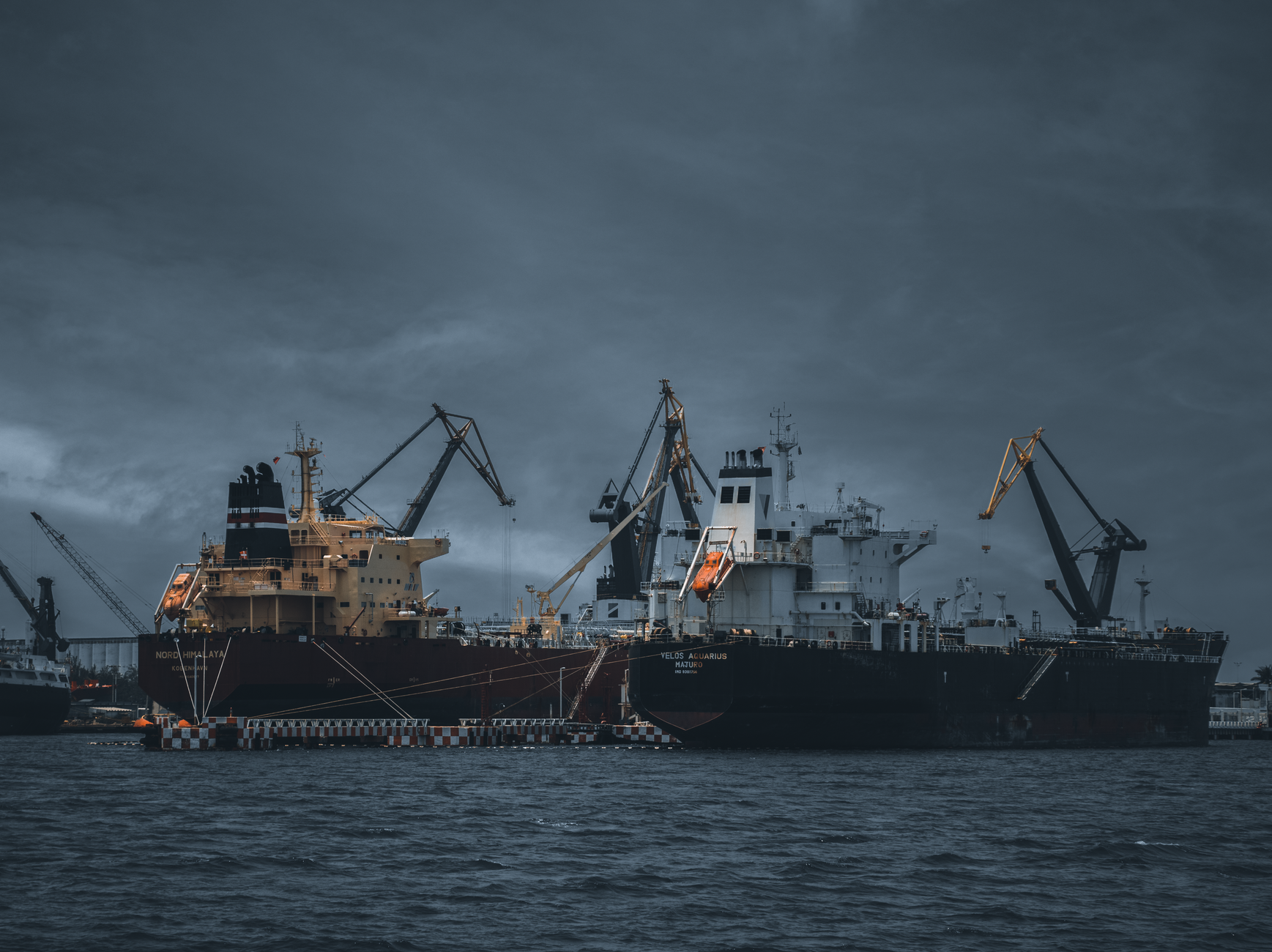
- International shipping insurance premiums for vessels transiting the Persian Gulf skyrocketed by 500%, making trade prohibitively expensive and forcing many carriers to seek longer, costlier alternative routes.
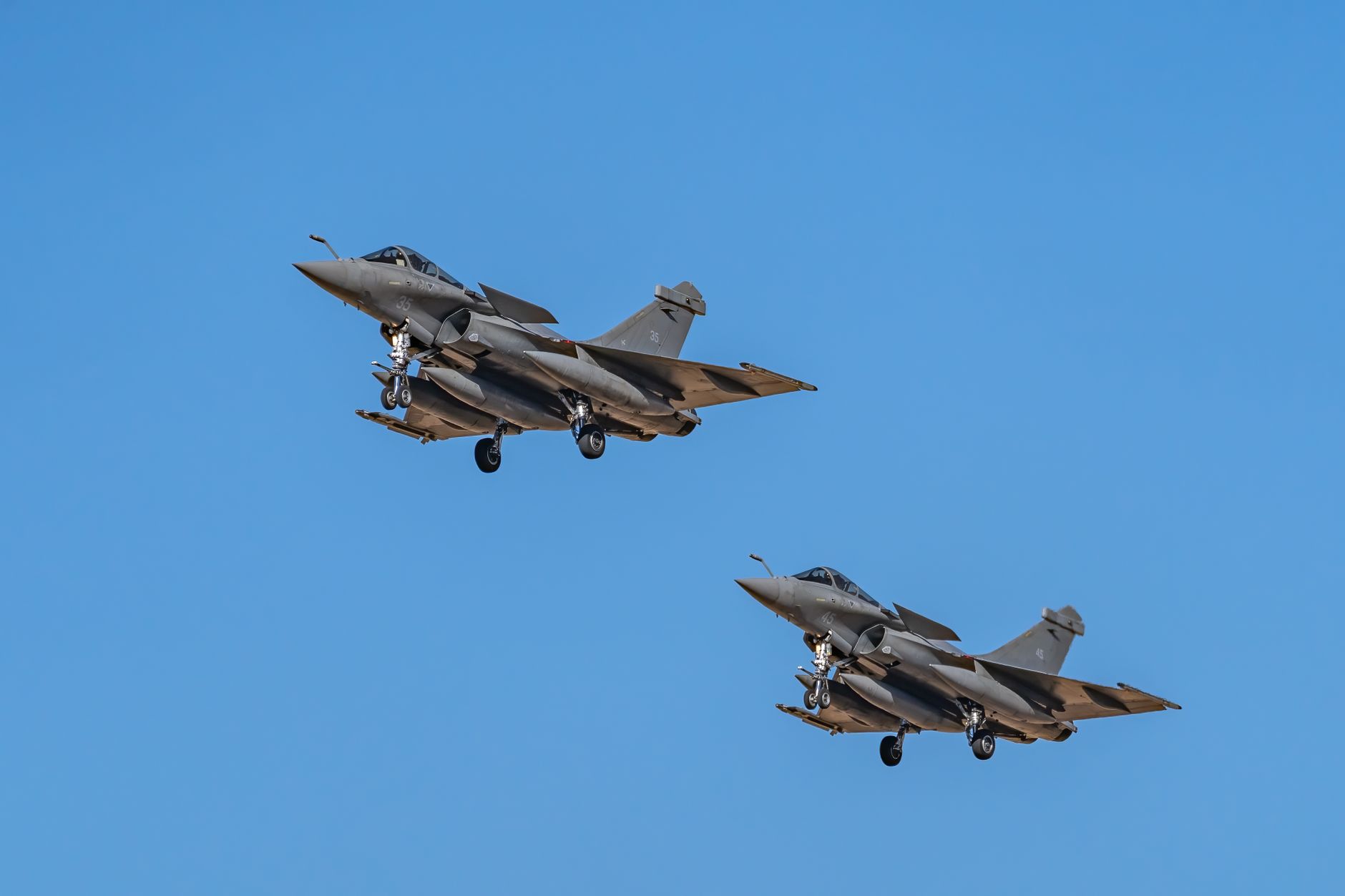
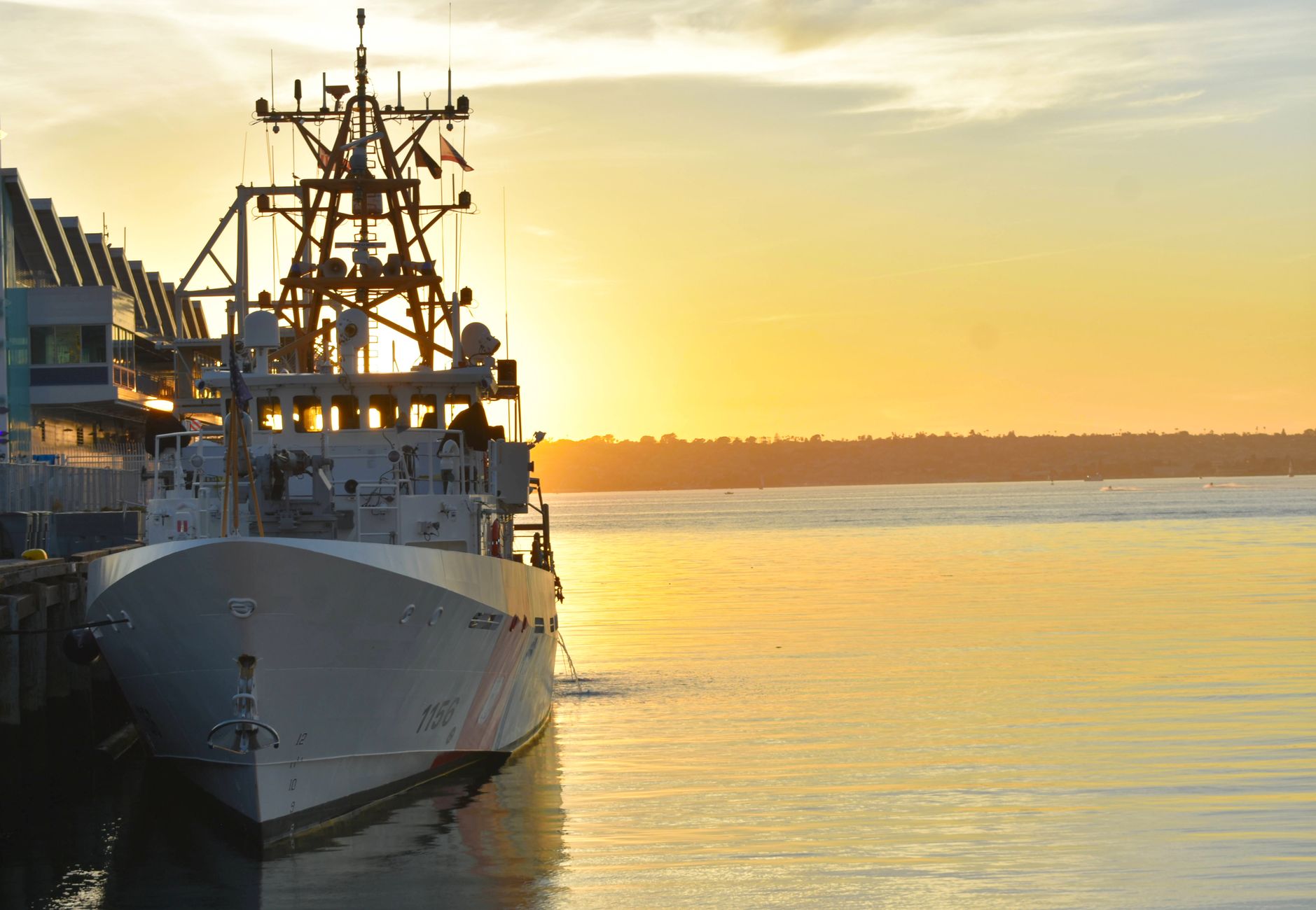
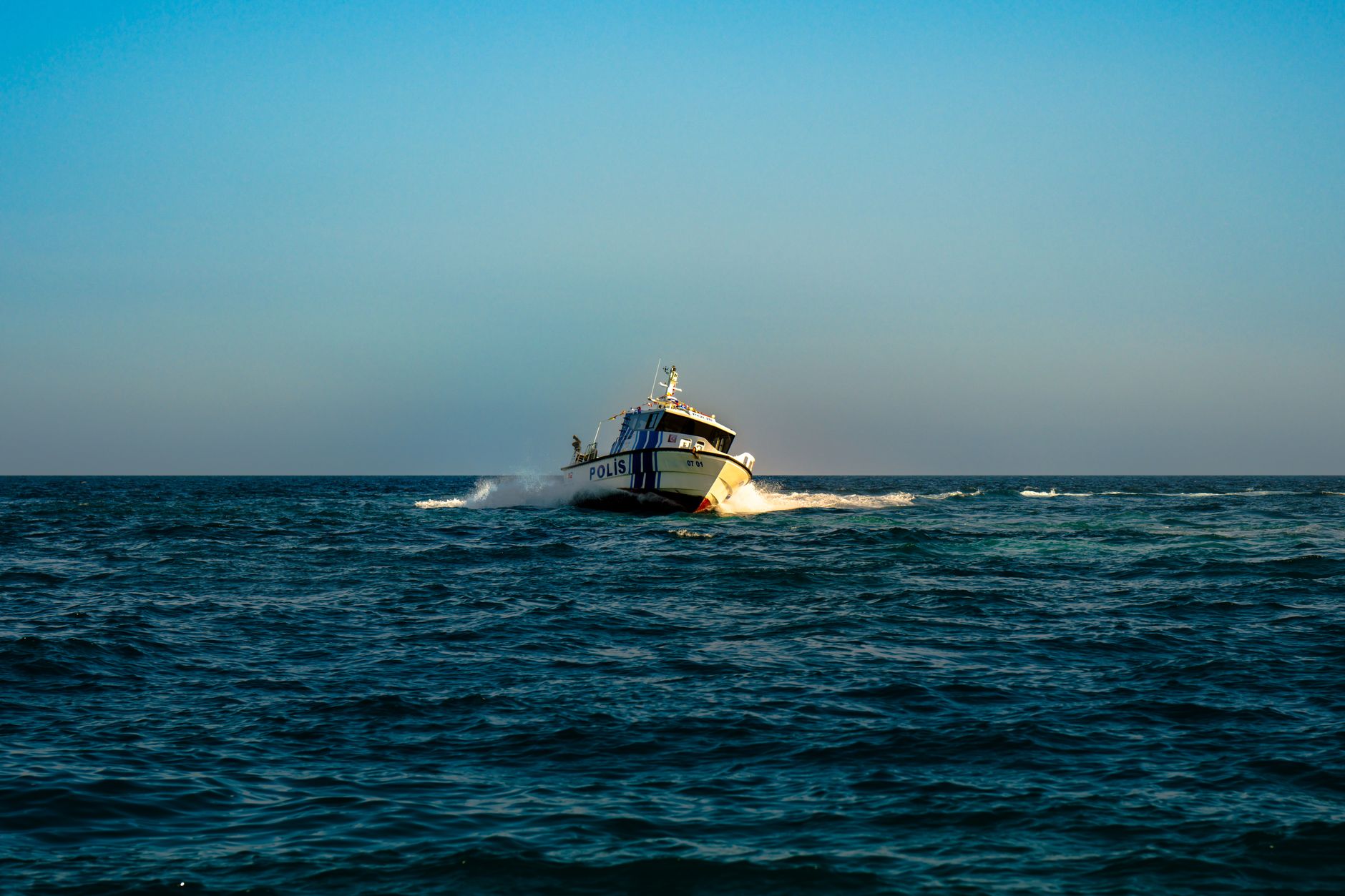
- Naval deployments from major world powers, including the United States, China, and European nations, saw a dramatic increase, escalating military tensions and raising the specter of a wider regional conflict.
- Over $1.2 trillion in global trade value was directly impacted in the immediate aftermath, as supply chains fractured across industries ranging from manufacturing to consumer goods.
- Energy-dependent economies, particularly in Asia and Europe, reported immediate and severe inflationary pressures, with consumer energy costs rising sharply and threatening economic stability.
Context Check
The Strait of Hormuz stands as an indispensable maritime chokepoint, a narrow, strategically critical waterway connecting the Persian Gulf to the open waters of the Arabian Sea and beyond. Its geographical significance cannot be overstated, as it funnels an astonishing volume of the world's seaborne oil, making it the single most important transit route for petroleum globally. Any impediment or hostile action within this constricted passage immediately sends tremors through international energy markets, triggering profound economic and geopolitical repercussions that extend far beyond the immediate region.
For decades, the region surrounding the Strait has been a crucible of geopolitical rivalries, marked by a complex interplay of historical grievances, ideological differences, and competing national interests. Major powers, both regional and international, vie for influence, often manifesting in proxy conflicts, naval posturing, and a persistent undercurrent of tension. This volatile environment means that even minor incidents possess the potential to rapidly escalate into full-blown crises, threatening the stability of global energy supplies and the delicate balance of international relations.
The inherent fragility of relying so heavily on a single, contested waterway for a significant portion of global energy underscores a critical vulnerability in the international system. The 2026 crisis starkly illuminated how easily this vital artery could be disrupted, demonstrating that the consequences are not merely theoretical but profoundly real and devastating. Understanding this intricate web of geography, economics, and politics is paramount to grasping the true gravity of any crisis unfolding within the Strait of Hormuz and its potential to reshape the global order.
Background
The catalyst for the 2026 Strait of Hormuz crisis was a series of escalating provocations that culminated in a direct confrontation involving multiple naval assets from opposing regional and international forces. While the precise sequence of events leading to the initial engagement remains a subject of intense scrutiny and conflicting narratives, it is widely acknowledged that the incident unfolded against a backdrop of months-long, steadily intensifying rhetoric, aggressive military exercises, and a disturbing pattern of minor maritime skirmishes that had previously been dismissed as isolated incidents.
Prior to the flashpoint, diplomatic channels, though active, proved tragically ineffective in bridging the widening chasm of mistrust and preventing the drift towards open conflict. Repeated warnings from international bodies and concerned nations about the precariousness of the situation went unheeded, or were perhaps drowned out by the clamor of nationalistic fervor and strategic miscalculations. The failure of these crucial de-escalation efforts underscored a profound breakdown in international communication and a dangerous underestimation of the potential for rapid, uncontrollable escalation in such a volatile geopolitical arena.
The crisis itself involved a complex, multi-faceted engagement, reportedly beginning with an alleged attack on commercial shipping, followed by retaliatory actions that quickly drew in naval vessels from several nations. This intricate dance of aggression and response transformed the Strait into a battleground, effectively paralyzing maritime traffic and sending immediate shockwaves through global markets. The incident served as a chilling demonstration of how quickly regional tensions, if left unchecked, can metastasize into a full-blown international crisis with far-reaching and devastating consequences for global stability and economic prosperity.
Winners and Losers
The 2026 Strait of Hormuz crisis created a stark dichotomy of economic fortunes, delineating clear winners and losers on the global stage. Major oil-exporting nations, particularly those with diversified export routes or significant strategic reserves, initially experienced an unexpected windfall as crude prices soared to unprecedented levels. Their national treasuries swelled, providing a temporary buffer against the broader economic downturn. However, even these nations faced the long-term instability and potential for demand destruction that a prolonged global recession could bring, complicating their strategic planning.
Conversely, the vast majority of energy-importing nations, especially those heavily reliant on Middle Eastern oil and possessing limited strategic reserves, were plunged into immediate and severe economic hardship. Their industries faced crippling energy costs, leading to widespread inflation, reduced manufacturing output, and significant job losses. Developing economies, already grappling with existing vulnerabilities, found themselves particularly exposed, with many teetering on the brink of financial collapse as their ability to afford essential energy imports evaporated, sparking social unrest and political instability.
Beyond direct economic impacts, the crisis profoundly reshaped geopolitical influence. Certain regional powers, by virtue of their military capabilities or diplomatic leverage during the conflict, saw their standing either enhanced or diminished, leading to a re-evaluation of alliances and strategic priorities. The global economy as a whole suffered a massive blow, with intricately woven supply chains fracturing under the strain of disrupted shipping and prohibitive costs. This event served as a brutal reminder of the interconnectedness of global trade and the devastating ripple effects that can emanate from a single, critical chokepoint.
Analyst Perspectives
Leading energy analysts universally concurred that the 2026 Strait of Hormuz crisis unequivocally exposed the profound fragility and inherent risks embedded within global energy supply lines. The sheer volume of oil transiting this single chokepoint, coupled with the immediate and dramatic market response, underscored an urgent need for radical diversification of both energy sources and transportation routes. Experts argued that relying so heavily on a single, politically volatile region for such a critical resource was not merely a strategic oversight but a dangerous vulnerability that demanded immediate and comprehensive reassessment by all major economies.
Geopolitical strategists and international relations scholars meticulously dissected the crisis, frequently pointing to the dangerous precedent set by the rapid escalation and, more critically, the abject failure of international diplomacy to prevent or effectively contain the conflict. Many highlighted the erosion of established norms and the perceived weakness of multilateral institutions in mediating disputes between powerful actors. The crisis, they contended, signaled a shift towards a more confrontational global landscape, where regional flashpoints could more easily spiral into wider international confrontations without effective mechanisms for de-escalation.
The long-term ramifications for international relations are still being rigorously assessed, with many experts predicting a fundamental reshaping of global alliances and strategic priorities. The crisis prompted a renewed focus on national energy independence and resilience, accelerating investments in renewable energy and alternative supply chains. Furthermore, it ignited intense debates within security circles about the future of naval power projection and the protection of vital maritime trade routes, suggesting a potential arms race in strategic waterways as nations seek to safeguard their economic lifelines against similar future disruptions.
Key Questions Explained
The Outlook
The aftermath of the 2026 Strait of Hormuz crisis leaves an indelible mark on the global landscape, casting a long shadow of uncertainty over future energy security and international relations. While the immediate conflict has subsided, the deep scars of economic disruption, geopolitical mistrust, and heightened military readiness persist, serving as a constant reminder of the world's precarious reliance on this critical chokepoint. The fundamental geopolitical fault lines that fueled the crisis remain largely unaddressed, suggesting that the potential for future flare-ups is not merely theoretical but a persistent, tangible threat.
In response to the crisis, concerted efforts are underway by various international bodies and individual nations to implement preventative measures and bolster resilience. These initiatives range from accelerating investments in alternative energy sources and developing new trade routes to enhancing multilateral security dialogues and strengthening international maritime law enforcement. However, the efficacy of these efforts is continually challenged by the enduring nature of regional rivalries and the complex interplay of national interests, making comprehensive, lasting solutions difficult to achieve in the short term.
The world has been forced into a stark and undeniable awareness of its profound vulnerability to disruptions in the Strait of Hormuz. This newfound understanding, while crucial, must translate into decisive, collaborative action to mitigate risks and foster genuine stability. Without a sustained commitment to diplomatic engagement, strategic diversification, and robust international cooperation, the specter of another, potentially more devastating, crisis in this vital waterway will continue to loom large, threatening global prosperity and peace.








Comments
No comments yet. Be the first to comment!