

The Story in Brief
- Economic sanctions have emerged as the preferred instrument of statecraft, often prioritized over direct military intervention in contemporary geopolitical conflicts, fundamentally altering the calculus of international relations.
- The global economy itself has transformed into a primary battleground, where nations leverage financial systems, trade routes, and technological advantages to exert influence and achieve strategic objectives.
- Technological supremacy, particularly in areas like artificial intelligence, cybersecurity, and advanced manufacturing, is now indispensable for both projecting economic dominance and maintaining military superiority.
- Cyber warfare increasingly blurs the traditional distinctions between economic disruption and direct national security threats, capable of paralyzing critical infrastructure and financial networks with unprecedented speed.
- Global alliances are undergoing significant realignments, driven by intricate economic interdependencies, vulnerabilities, and shared security concerns, creating a more fluid and complex international order.
- The profound impact of these economic strategies on ordinary citizens in targeted countries, often leading to humanitarian crises and widespread suffering, remains a critical yet frequently overlooked consequence.
The Human Face
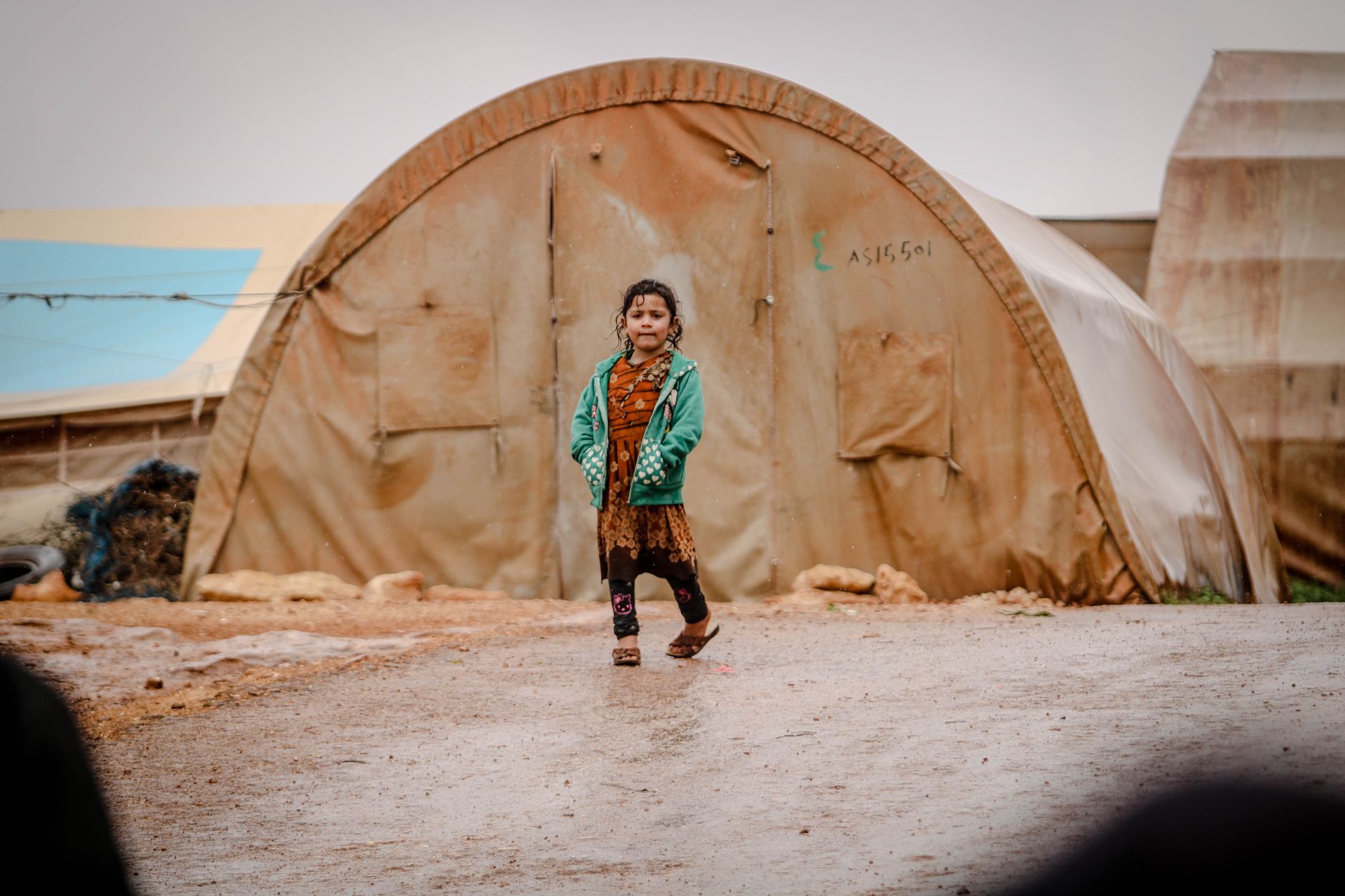
While often perceived as a bloodless alternative to military conflict, economic warfare exacts a devastating human toll that is frequently overlooked. Sanctions, trade blockades, and financial restrictions, though not involving bombs or bullets, can systematically dismantle national economies, plunging vast populations into severe poverty. This silent suffering manifests as widespread food shortages, critical medicine scarcity, and the collapse of essential public services, directly impacting the most vulnerable segments of society, from children to the elderly, with dire consequences for their health and well-being.
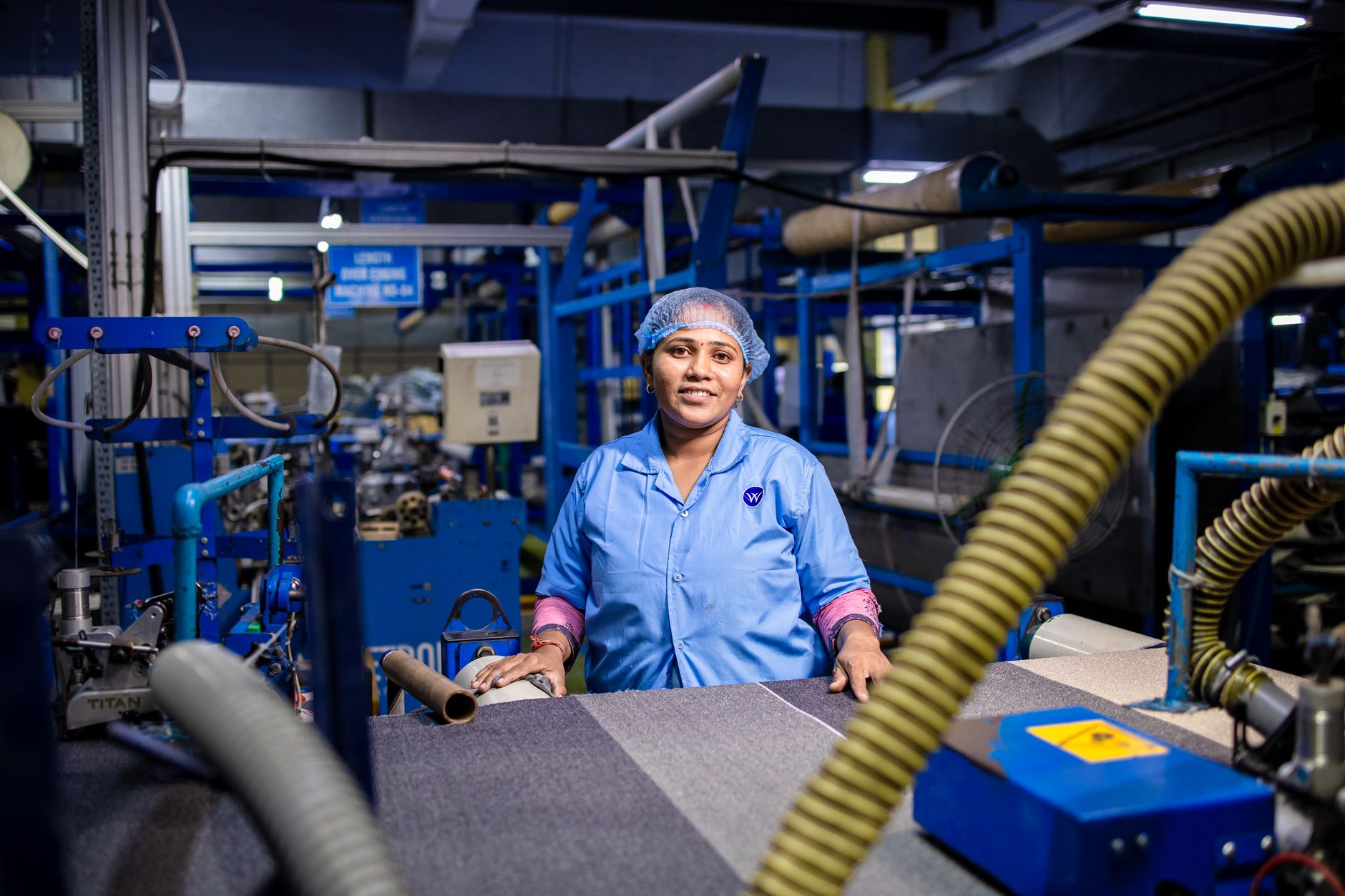
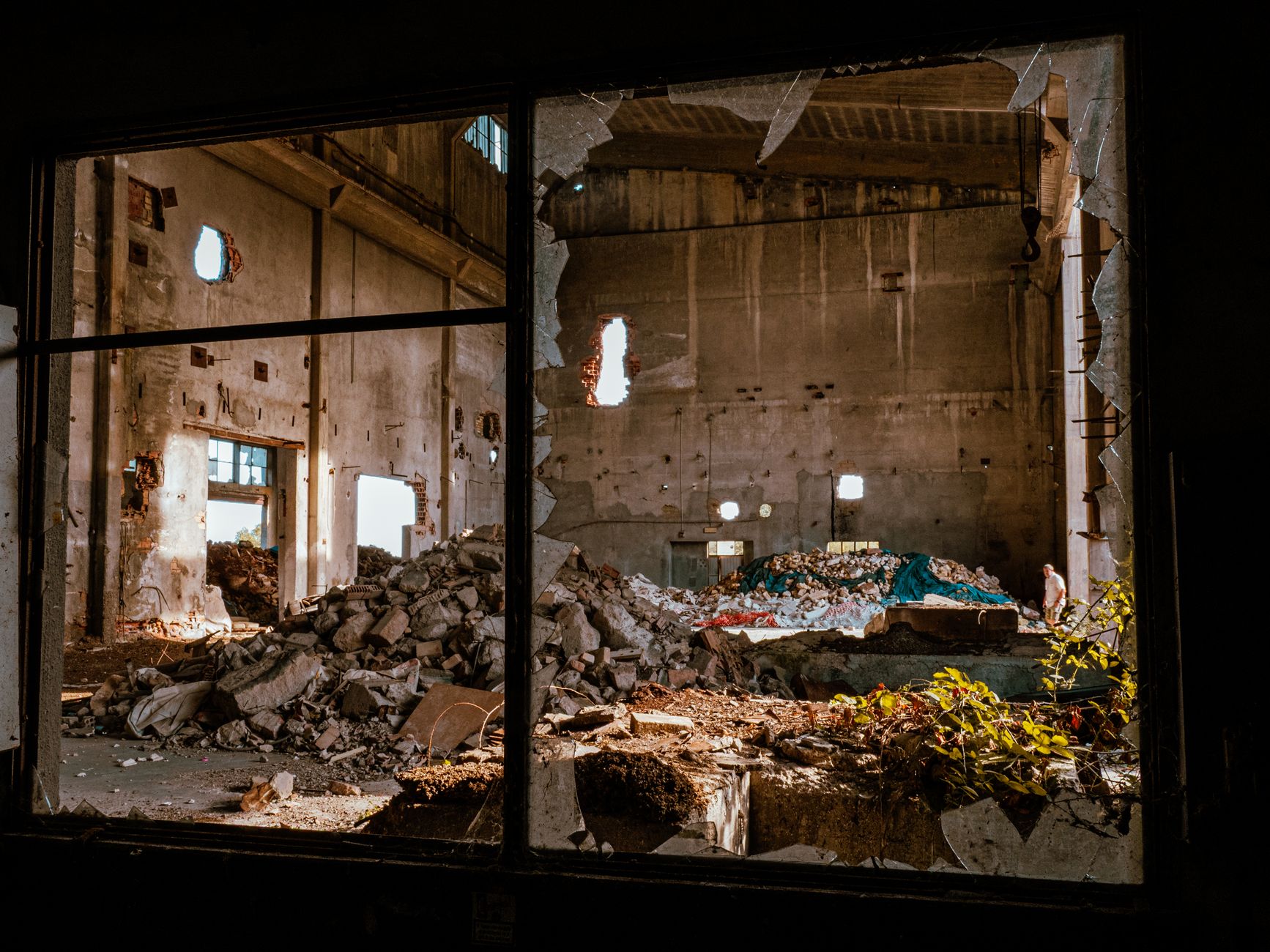
For families living under the shadow of economic coercion, daily life becomes an arduous struggle for survival. Livelihoods are abruptly destroyed as industries falter, jobs vanish, and inflation erodes purchasing power, rendering basic necessities unaffordable. The psychological burden of constant economic insecurity, coupled with the erosion of social safety nets, creates deep societal fissures. This engineered hardship can fuel internal unrest and migration crises, further destabilizing regions and creating ripple effects that extend far beyond the targeted nation's borders, challenging global humanitarian efforts.
The international community grapples with the ethical dilemmas inherent in economic warfare, balancing strategic objectives against humanitarian imperatives. Debates intensify over the efficacy of broad sanctions versus targeted measures, and the urgent need for robust humanitarian exemptions to prevent collective punishment. Recognizing and mitigating the human face of economic conflict is not merely a moral obligation but a strategic imperative, as widespread suffering can breed resentment, extremism, and long-term instability, undermining the very goals economic statecraft aims to achieve.
How We Got Here
Historically, military might was the undisputed arbiter of state power, with nations primarily relying on armed forces to project influence and resolve disputes. However, the post-Cold War era ushered in an unprecedented era of globalization and economic interdependence. This intricate web of trade, finance, and shared markets gradually transformed the calculus of international relations, making direct military confrontation increasingly costly and politically unpalatable. The burgeoning interconnectedness of global economies laid the groundwork for economic tools to emerge as potent instruments of statecraft, offering a seemingly less destructive path to achieving geopolitical objectives.
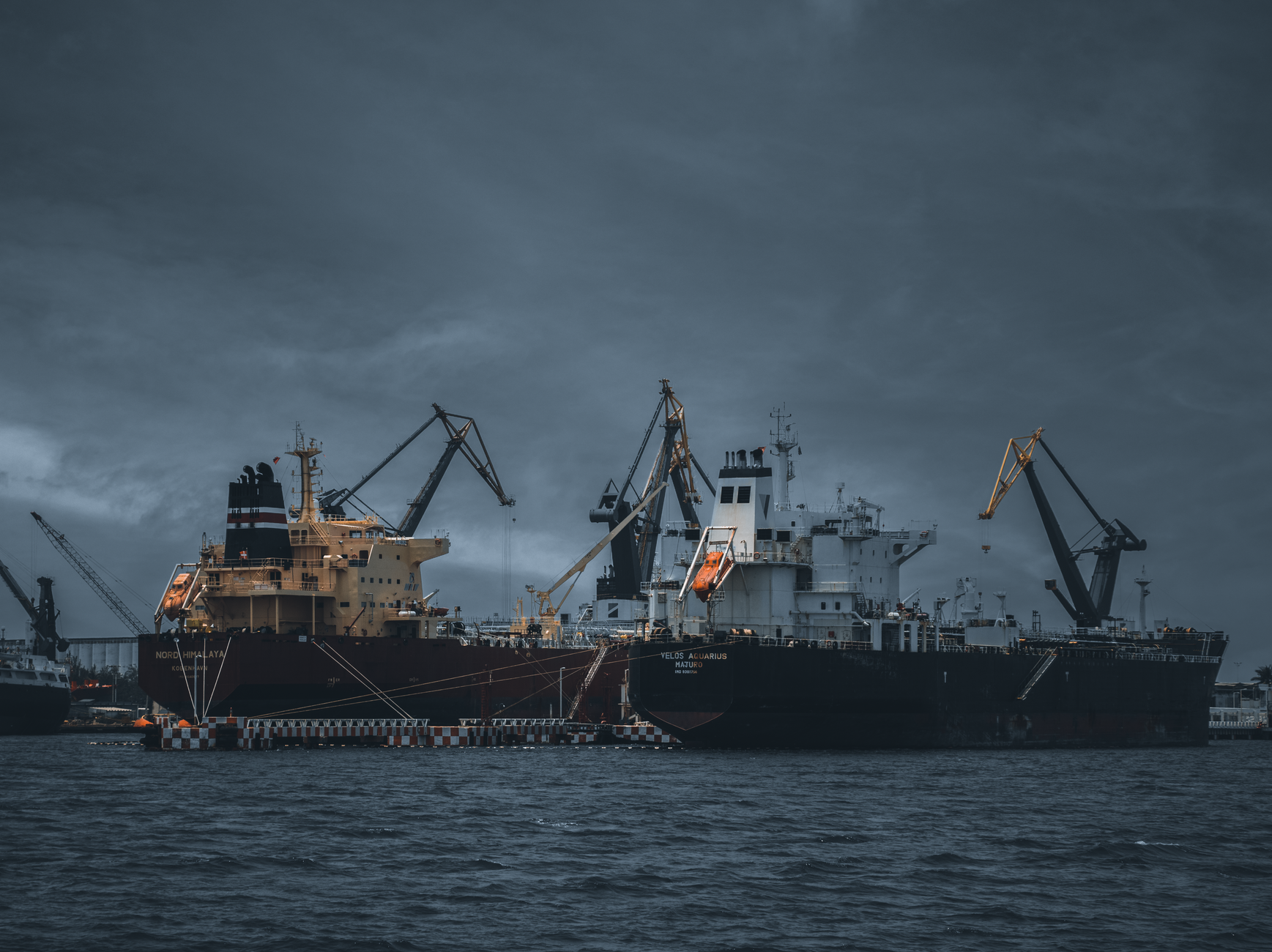
The evolution of economic warfare has been marked by increasing sophistication, moving far beyond simple trade embargoes. From the early 20th-century blockades to the intricate financial sanctions of today, the scope and precision of these measures have expanded dramatically. The rise of digital finance, global banking networks, and real-time data analytics has amplified the reach and impact of economic coercion, allowing for targeted asset freezes, swift currency manipulations, and disruptions of critical supply chains. This weaponization of finance and trade has become a defining characteristic of 21st-century geopolitics, fundamentally reshaping how nations compete and conflict.
Recent geopolitical events have underscored the efficacy and growing prominence of economic pressure as both a precursor and an alternative to military engagement. The deployment of comprehensive sanctions regimes against adversaries has demonstrated their capacity to inflict significant economic pain, aiming to compel policy changes or degrade military capabilities without direct kinetic action. This shift represents a profound alteration in the toolkit of statecraft, challenging traditional notions of sovereignty and national defense. Consequently, understanding this historical trajectory is crucial for comprehending the contemporary landscape of global power dynamics and anticipating future conflicts.
Why This Cannot Be Ignored
The ascendance of economic warfare carries profound and far-reaching implications for global stability, demanding urgent attention from policymakers and international organizations. This strategic shift fundamentally redefines the concept of national sovereignty, as external economic pressures can now penetrate and destabilize a nation's internal affairs with unprecedented ease. It also challenges the very foundations of international law, as the legality and ethical boundaries of certain economic actions remain hotly debated, creating a complex and often ambiguous landscape for global governance and dispute resolution.
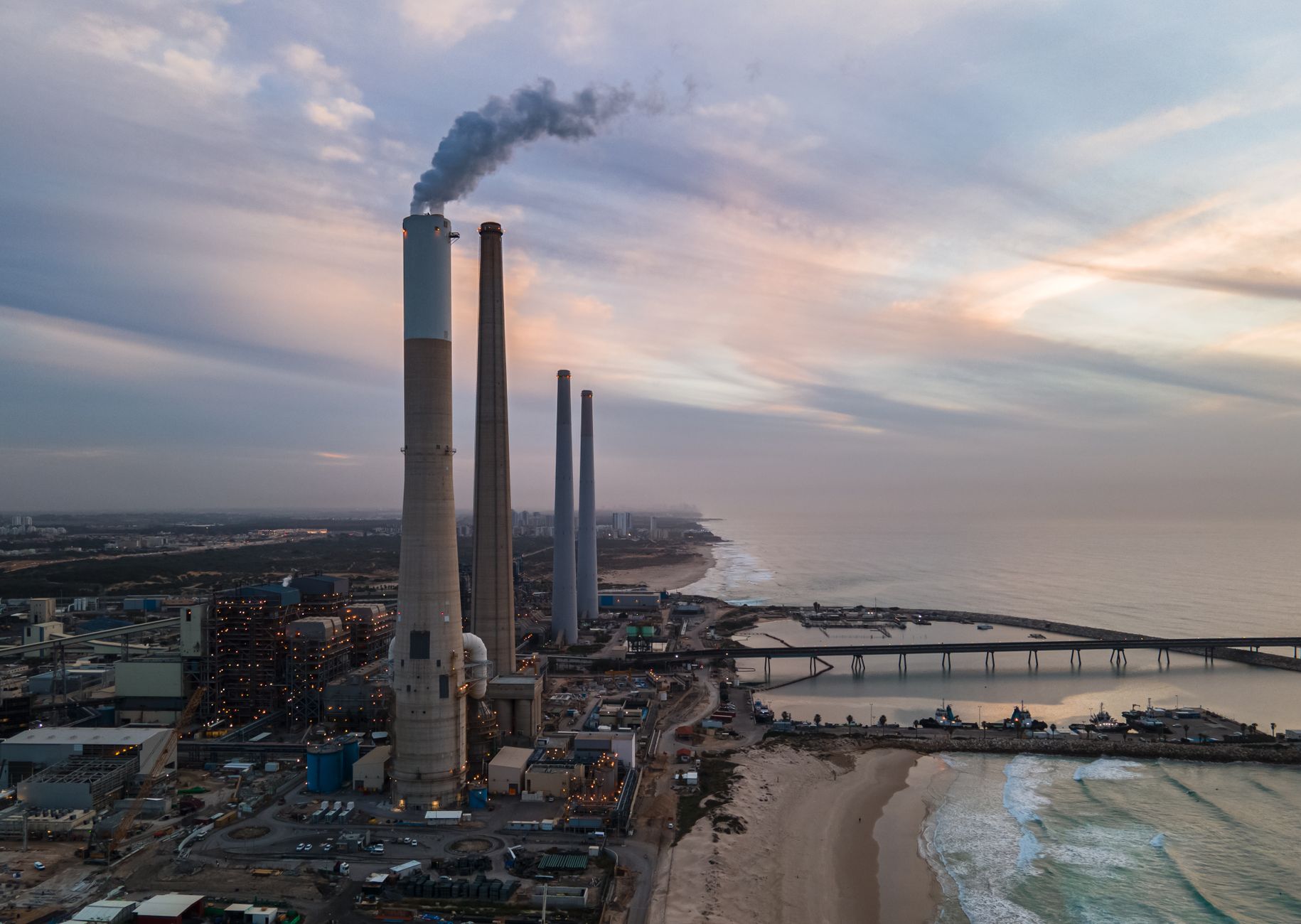
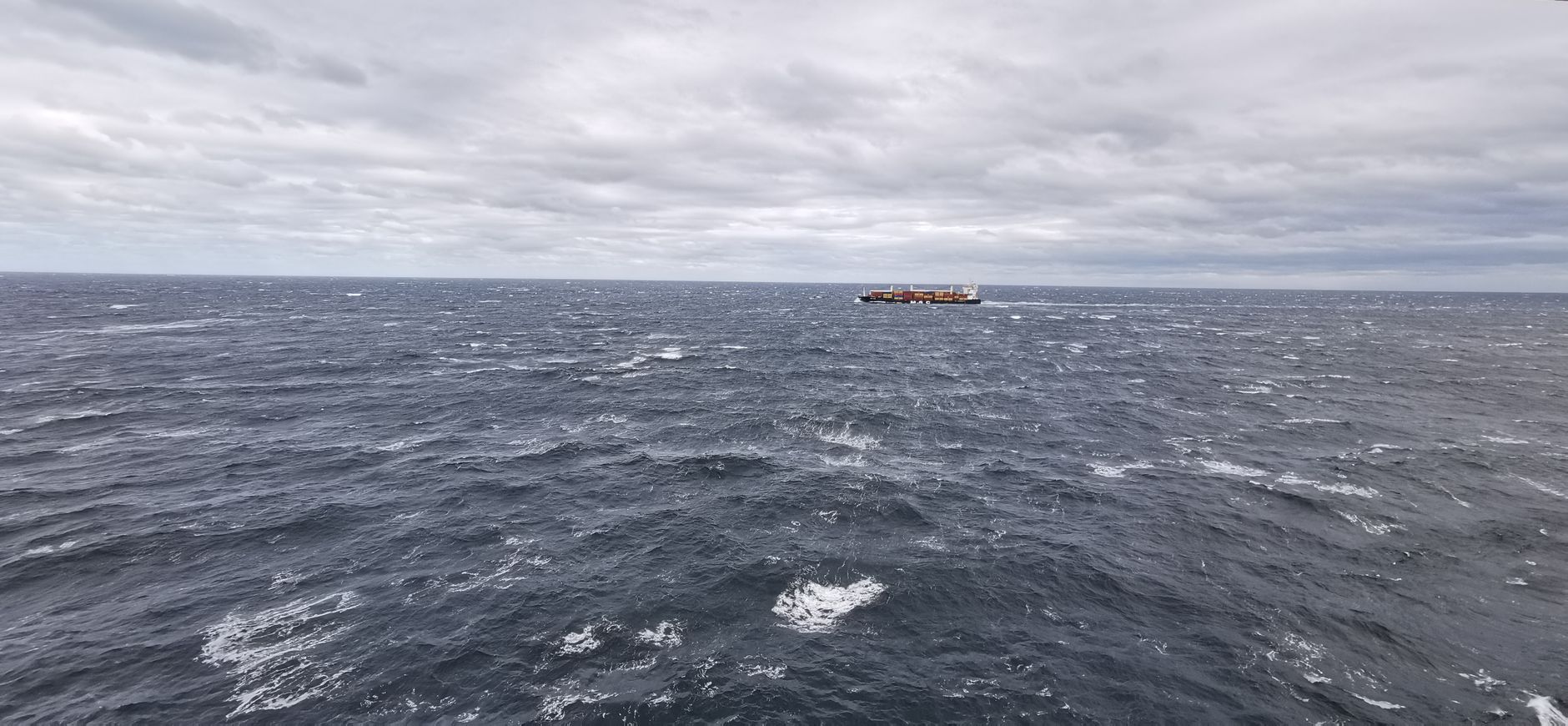
Nations are now compelled to protect their financial systems, critical infrastructure, and global supply chains with the same vigilance traditionally reserved for their physical borders. Economic vulnerabilities, once considered secondary concerns, have become primary targets, making resilience and diversification paramount for national security. The potential for miscalculation in this new arena is exceptionally high; an economic action intended as coercive pressure could easily be perceived as an act of aggression, risking rapid escalation into a full-blown military confrontation, with devastating global consequences.
Understanding this evolving landscape is no longer confined to military strategists or economists; it is critical for every stakeholder, from government leaders and multinational corporations to individual citizens. This complex interplay of finance, technology, and geopolitics shapes everything from international trade agreements and investment flows to national security doctrines and daily consumer prices. Ignoring these dynamics would be a perilous oversight, as the future of global peace and prosperity hinges on our collective ability to navigate this new era of intertwined economic and military competition effectively.
Possible Paths Forward
Navigating the intricate and often perilous landscape of economic warfare necessitates a concerted, multilateral approach grounded in cooperation and shared understanding. A crucial first step involves developing clear, internationally recognized norms and legal frameworks governing the use of economic coercion. Such guidelines are essential to prevent the arbitrary application of measures, mitigate unintended consequences, and establish mechanisms for accountability. Without a robust global consensus, the weaponization of economic tools risks descending into a free-for-all, undermining the very international order it purports to protect.
Beyond regulatory frameworks, nations must proactively invest in building economic resilience and fostering diversification to reduce their inherent vulnerabilities. This includes strengthening domestic industries, securing critical supply chains against potential disruptions, and reducing over-reliance on single trading partners or dominant currencies. Simultaneously, diplomatic efforts must prioritize de-escalation strategies and the establishment of clear 'off-ramps' from economic confrontations, ensuring that disputes do not spiral into broader conflicts. Open channels of communication and robust negotiation platforms are vital for managing tensions and finding peaceful resolutions.
Furthermore, addressing the humanitarian impact of economic warfare requires innovative and compassionate solutions. Exploring and implementing robust frameworks for humanitarian exemptions within sanctions regimes is paramount to prevent civilian suffering and ensure access to essential goods and services. A balanced approach that seamlessly integrates sophisticated economic statecraft with traditional diplomacy and defense strategies is not merely advisable but absolutely essential. Only through such comprehensive and ethically grounded strategies can the international community hope to manage the profound challenges posed by this new era of intertwined economic and military competition.
Questions People Are Actually Asking
What to Watch
- The ongoing efforts by international bodies and major powers to establish clearer norms and regulatory frameworks for the responsible use of cyber warfare and economic sanctions, critical for preventing unchecked escalation.
- The evolving strategies and innovative tactics employed by leading global powers in their weaponization of trade, finance, and technology to achieve geopolitical objectives, signaling future trends in statecraft.
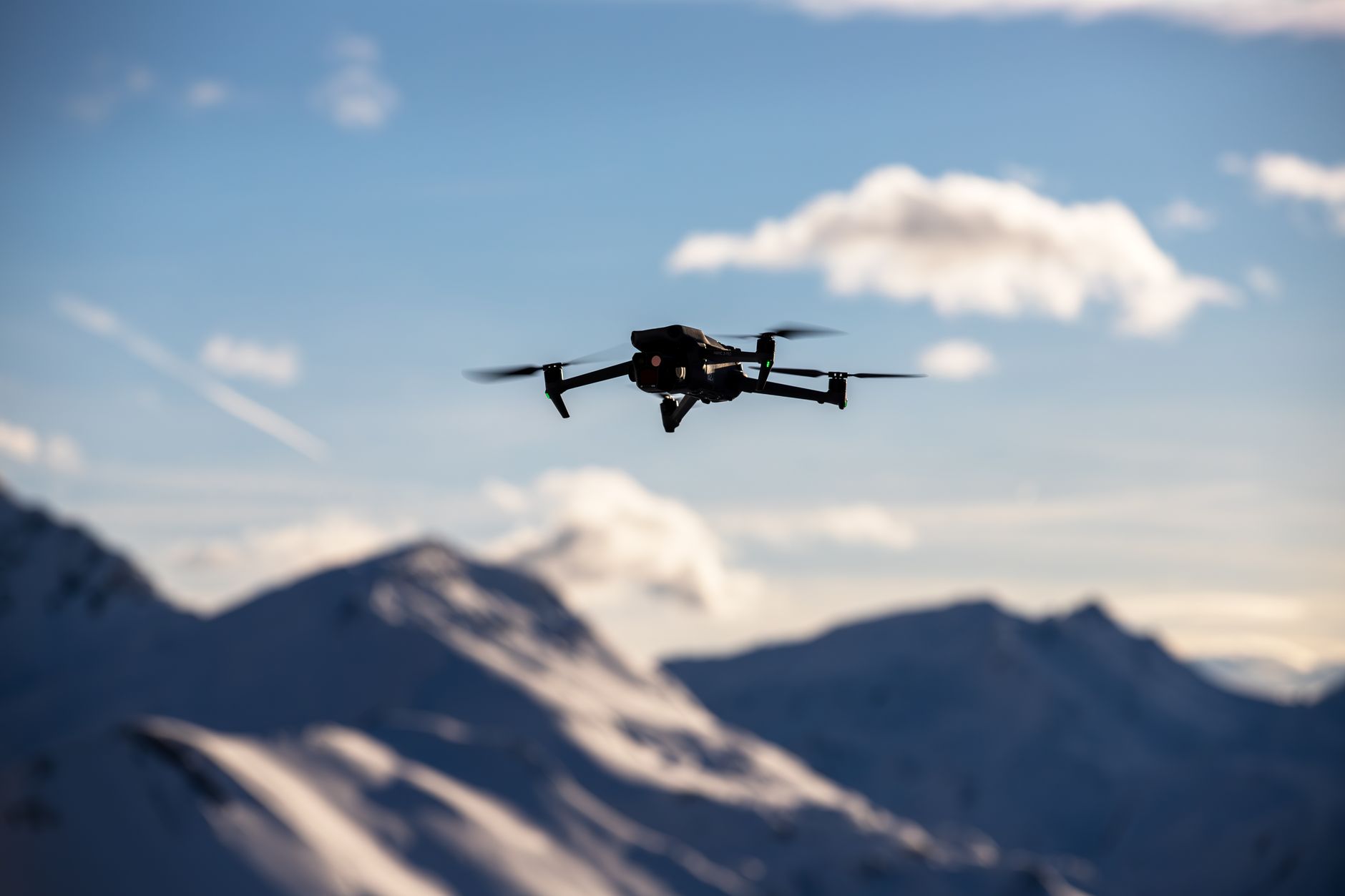
- The profound impact of rapidly advancing technologies, such as artificial intelligence, quantum computing, and blockchain, on both the offensive capabilities and defensive requirements of economic statecraft.
- The resilience and adaptability of global supply chains in the face of increasingly sophisticated and targeted disruptions, which could have cascading effects on economies worldwide.
- The humanitarian consequences and ethical dilemmas arising from prolonged economic sanctions, particularly their disproportionate impact on vulnerable civilian populations, demanding urgent international attention.
- The growing influence and methods of non-state actors, including sophisticated criminal organizations and proxy groups, in exploiting economic vulnerabilities for political gain or destabilization.





Comments
No comments yet. Be the first to comment!