


Key Takeaways
- The Iran-backed Houthi rebels are dramatically escalating their attacks on commercial vessels navigating the crucial Red Sea and Bab al-Mandab Strait, creating an unprecedented threat to maritime security.
- These aggressive actions directly jeopardize one of the world's most vital global shipping lanes, forcing major shipping companies to reroute vessels and significantly increasing transit times and costs.
- Iran's strategic support for the Houthis is a significant underlying factor, enabling their advanced capabilities and raising serious international concerns about proxy warfare and regional destabilization.
- The ongoing maritime disruptions carry a high potential for igniting a broader regional conflict, drawing in international naval forces and further exacerbating already tense geopolitical dynamics in the Middle East.
- Global powers are actively discussing and implementing various international responses, including increased naval presence and diplomatic pressure, to deter future attacks and protect the freedom of navigation.
- The economic repercussions are already substantial, with rising freight costs, increased insurance premiums, and potential inflationary pressures threatening global supply chains and consumer markets worldwide.
Background
The Houthis, an Iran-backed rebel group entrenched in Yemen, have dramatically intensified their assaults on commercial vessels traversing the Red Sea and the strategically vital Bab al-Mandab Strait. These brazen actions are explicitly framed as retaliation for Israel's military operations in Gaza, with the Houthis targeting ships they allege have links to Israel or are en route to Israeli ports. This surge in maritime aggression represents a dangerous escalation in regional tensions, drawing widespread international condemnation and fueling fears of a much broader, destabilizing conflict across the Middle East.
The Bab al-Mandab Strait, a narrow maritime choke point nestled between Yemen and Djibouti, stands as one of the planet's most critical shipping arteries. It serves as the indispensable link connecting the Mediterranean Sea, via the Suez Canal, to the vast expanse of the Indian Ocean. Approximately 12% of all global trade, alongside a substantial portion of the world's daily oil supply, navigates this constricted waterway. Any sustained disruption here triggers immediate and cascading economic repercussions, sending shockwaves through global supply chains and significantly impacting international energy markets.
The Houthi group's operational capabilities have seen a significant and alarming enhancement, largely attributed to consistent and sophisticated support from Iran. This backing includes the provision of advanced weaponry, such as anti-ship missiles and sophisticated drones, which empower them to pose a credible and persistent threat to maritime traffic. Their reach now extends far beyond Yemen's territorial waters, challenging international norms of navigation. The global community is now grappling with the complex challenge of formulating an effective counter-strategy to these attacks without inadvertently triggering further instability in an already volatile and fragile region.
Why It Matters
The escalating Houthi attacks directly imperil the fundamental principle of freedom of navigation, a cornerstone of international law and the bedrock of global commerce. Should these aggressive acts remain unchecked, they risk establishing a perilous precedent, potentially emboldening other non-state actors to disrupt vital waterways worldwide. The economic fallout from prolonged and widespread disruptions in the Red Sea route would be catastrophic, leading to exorbitant increases in shipping costs, significantly longer transit times for goods, and pervasive inflationary pressures that would ultimately burden consumers across the globe.
Beyond the immediate economic ramifications, the situation carries profound geopolitical risks. The deliberate targeting of commercial vessels, especially those perceived to have links to specific nations, could easily precipitate direct confrontations involving major global powers. The undeniable involvement of Iran as a key patron and enabler of the Houthis adds a critical layer of complexity, intensifying concerns that this proxy warfare could dangerously escalate into a direct, large-scale conflict between regional and international adversaries, with unpredictable and devastating consequences.
Furthermore, the already dire humanitarian crisis in Yemen, widely recognized as one of the world's worst, stands to be severely exacerbated by any sustained military intervention or economic blockade enacted in response to Houthi actions. Such measures would inevitably cripple essential aid delivery mechanisms and inflict further suffering upon the civilian population. The international community is thus confronted with an exceptionally delicate balancing act: the imperative to protect crucial global trade routes must be carefully weighed against the urgent need to prevent a wider regional conflagration and mitigate the immense humanitarian suffering that would invariably follow.
Ground Reality
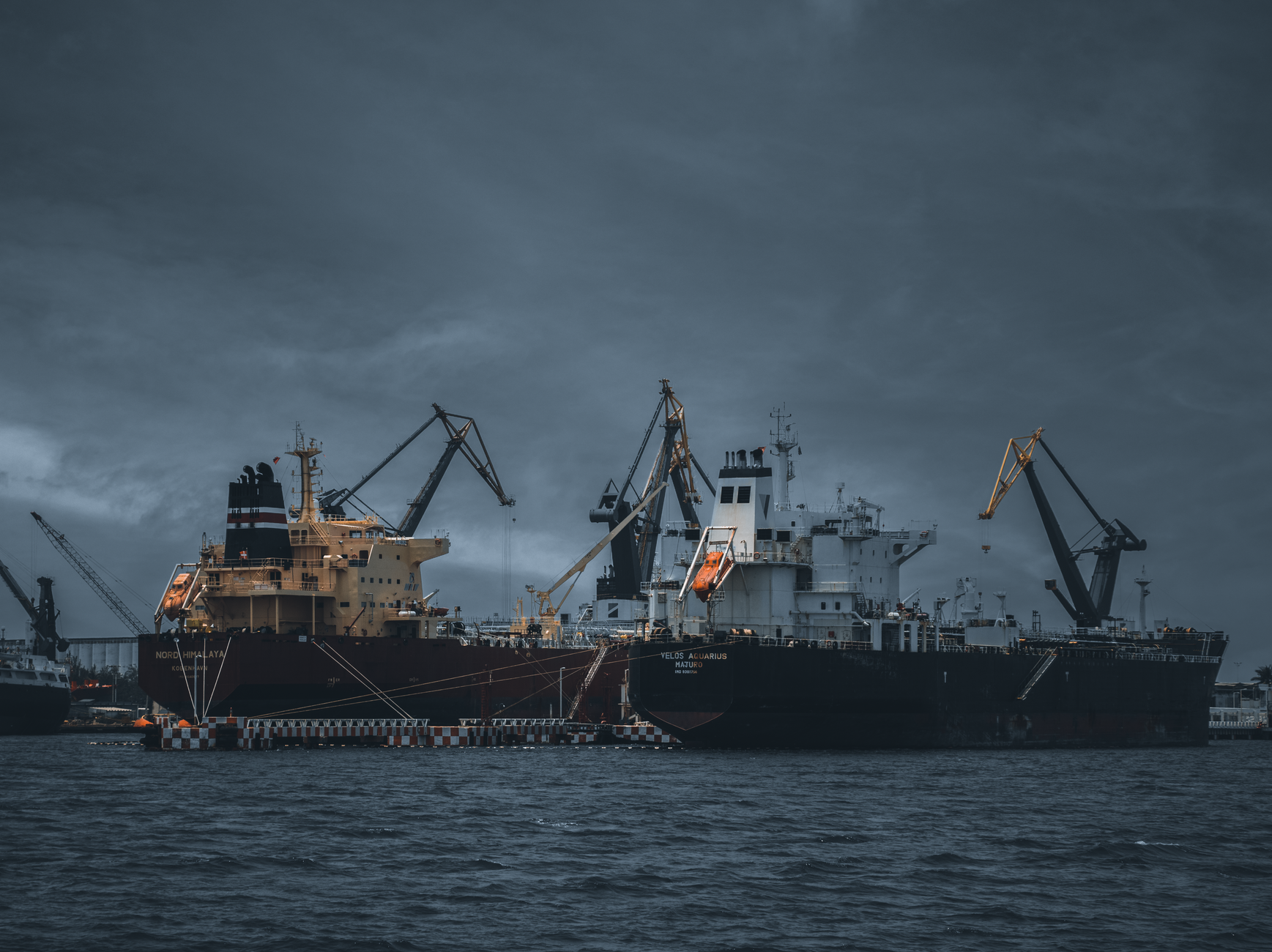
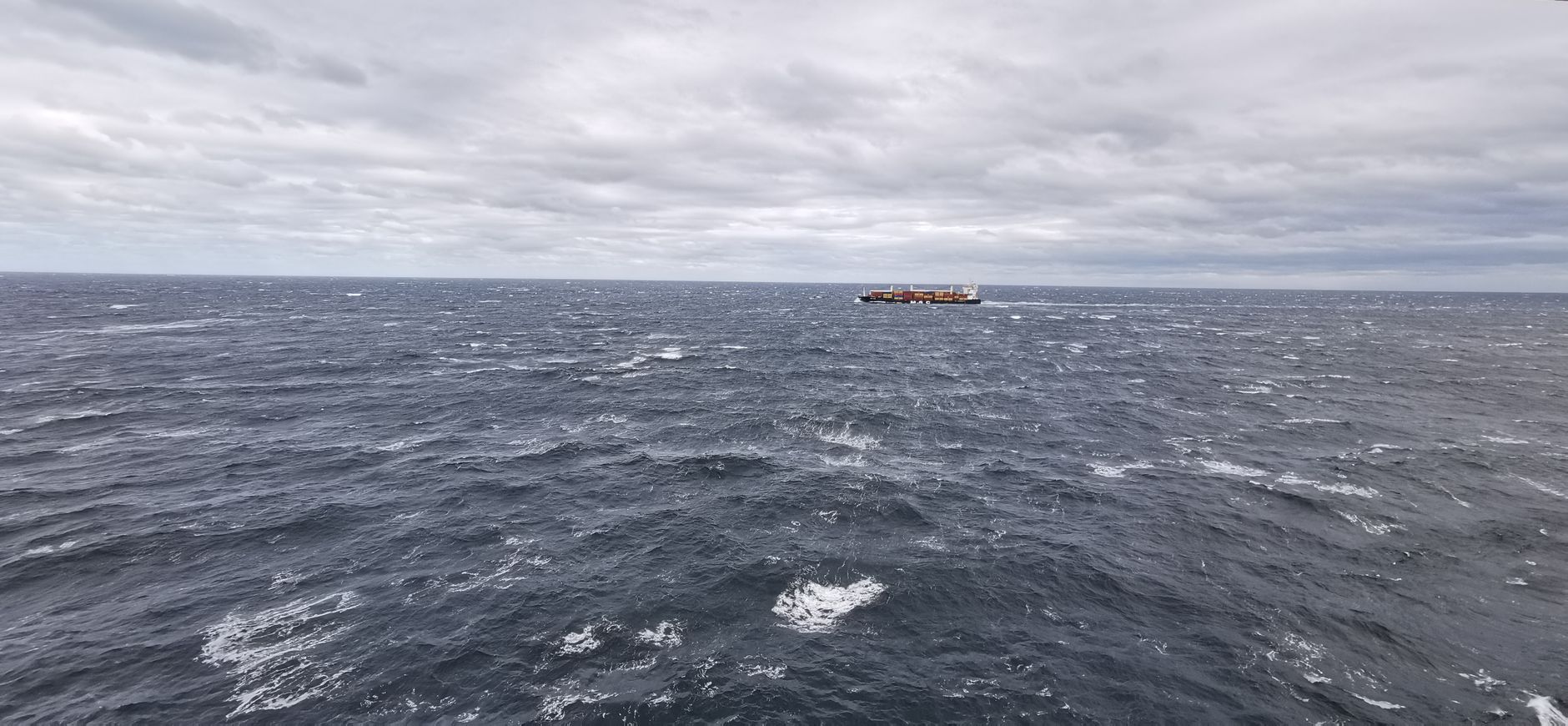
In response to the escalating threat, major shipping companies are already implementing costly and time-consuming reroutes, diverting vessels around the treacherous Cape of Good Hope at the southern tip of Africa. This significantly longer journey adds weeks to transit times and incurs millions of dollars in additional fuel costs, creating a ripple effect that impacts everything from the delivery of consumer electronics to the volatile prices of global oil. Furthermore, insurance premiums for any vessel daring to transit the Red Sea have skyrocketed to prohibitive levels, rendering the route commercially unviable for an increasing number of operators. The immediate and tangible effect is a palpable slowdown across global supply chains, threatening economic stability.
On the ground in Yemen, the Houthis maintain a firm grip over substantial portions of the country, including the capital city of Sana'a and several key Red Sea ports. Their military capabilities, meticulously honed over years of brutal civil war, have proven remarkably resilient against both internal and external pressures. The group perceives these aggressive maritime attacks as a legitimate and potent form of resistance, a strategic tool to exert leverage in the broader Israeli-Palestinian conflict. This demonstrates their unwavering resolve and willingness to defy international condemnation in pursuit of their stated objectives, regardless of the global economic and political fallout.
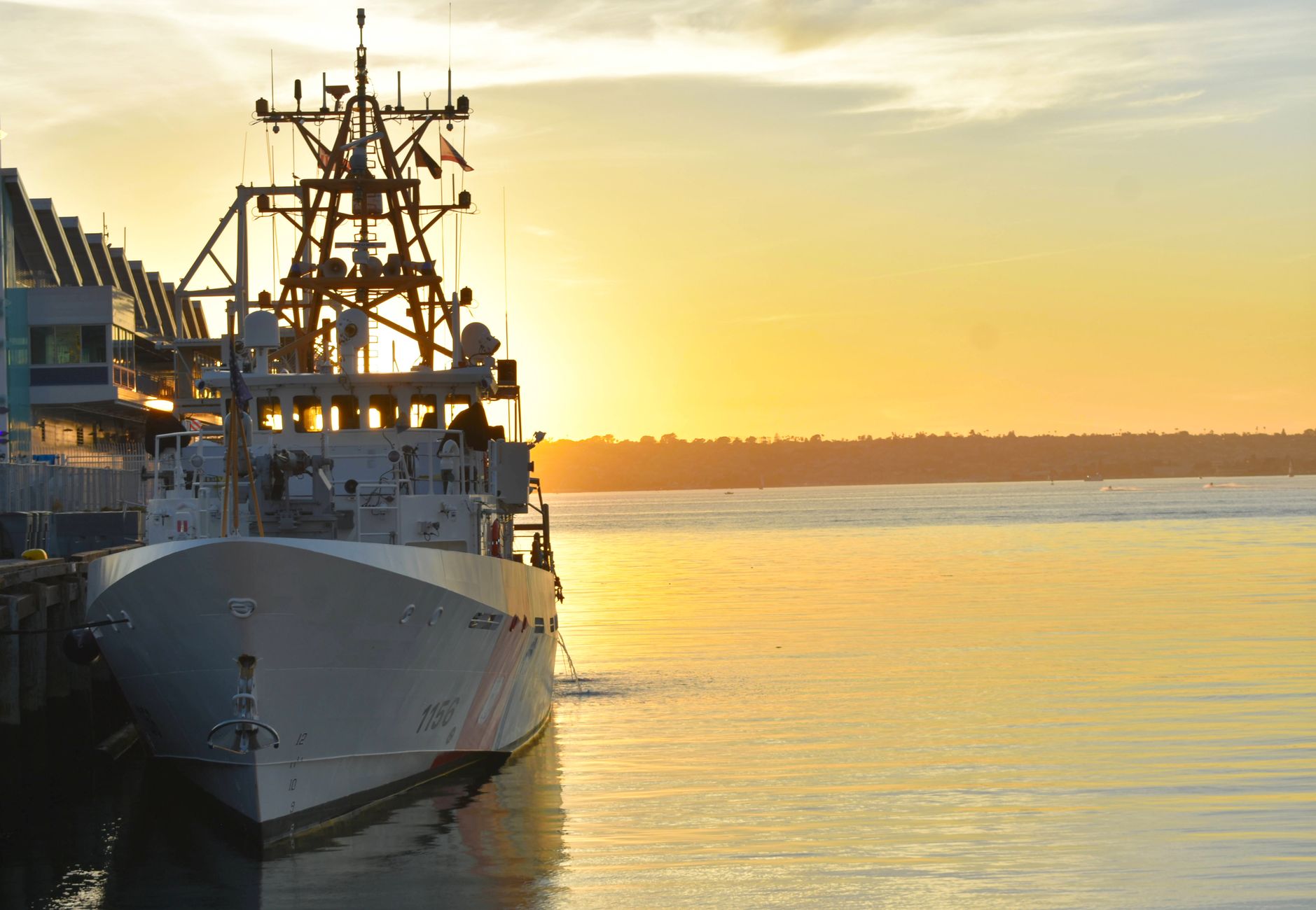
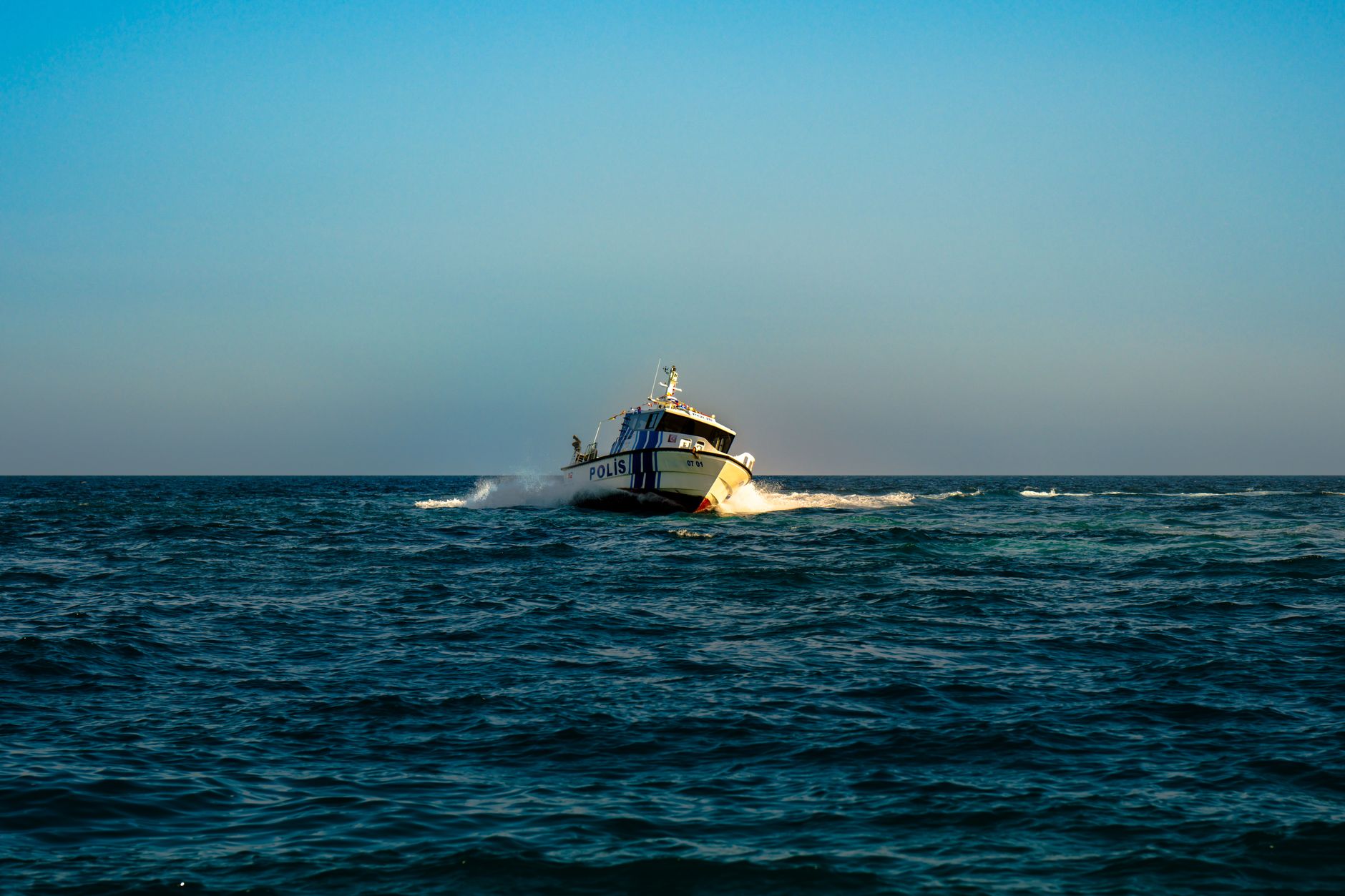
The presence of international naval forces in the region, including powerful vessels from the United States, the United Kingdom, and various other nations, is rapidly increasing. While these formidable forces are deployed with the explicit aim of deterring further attacks and providing protection for commercial shipping, the sheer vastness of the Red Sea and the asymmetric nature of Houthi tactics—involving drones and anti-ship missiles—make comprehensive protection an exceedingly complex and challenging endeavor. The inherent risk of miscalculation or an accidental escalation remains alarmingly high, particularly as advanced naval assets operate in close proximity to potential and unpredictable threats.
What Experts Are Saying
Analysts are in widespread agreement that the Houthi actions represent a calculated and strategic maneuver by Iran to project its regional power and exert pressure on Western nations, all without engaging in direct military confrontation. Dr. Sarah Khan, a distinguished Middle East security expert, emphatically states, 'This isn't merely about Gaza; it's fundamentally about Iran demonstrating its pervasive regional influence and its undeniable capacity to disrupt global commerce through its network of proxies. The Houthis serve as an exceptionally effective, low-cost instrument for Tehran to achieve its complex strategic objectives, destabilizing key trade routes at minimal direct risk to itself.'
Maritime security experts are issuing stark warnings that the current situation is fundamentally unsustainable and cannot be maintained without severe global consequences. Captain Mark Jenkins, a former naval officer and highly respected shipping consultant, explains, 'The widespread rerouting of ships, while a necessary immediate response, is merely a temporary measure that inflicts severe and escalating economic pain on a global scale. A sustained disruption of this magnitude could irrevocably alter established global trade routes, leading to profound, long-term implications for port infrastructure, international logistics networks, and consumer prices. The eventual cost of prolonged inaction will undoubtedly far outweigh the cost of a decisive, coordinated international response.'
Geopolitical strategists are emphasizing the critical need for a multi-faceted and comprehensive approach to address the crisis. Professor David Lee, from the esteemed Institute for Global Affairs, argues, 'While military deterrence is an absolutely necessary component of any immediate response, it must be meticulously coupled with robust diplomatic efforts aimed at de-escalating tensions and, crucially, addressing the deep-seated underlying causes of instability within Yemen itself. A purely military solution risks not only further entrenching the Houthis as a formidable force but also dangerously expanding the conflict, potentially leading to a cascade of unintended and highly detrimental consequences for broader regional stability and international relations.'

Frequently Asked Questions
What Happens Next
The immediate future will undoubtedly witness sustained and intensified international efforts to bolster maritime security across the Red Sea. This could manifest as an expanded multinational naval presence, the implementation of more robust escort operations for vulnerable commercial vessels, and potentially even targeted defensive strikes against Houthi launch sites or capabilities if the attacks persist and escalate further. The overarching objective will be to swiftly restore confidence in the safety and navigability of the Bab al-Mandab Strait, thereby preventing any further catastrophic economic disruption to global trade and supply chains.
Diplomatic pressure on Iran, widely recognized as the primary patron and enabler of the Houthis, is expected to intensify significantly. However, Tehran's willingness to genuinely rein in its proxies remains highly uncertain, especially given its broader strategic objectives and regional power projection ambitions. The international community will therefore need to meticulously explore a complex combination of targeted sanctions, delicate negotiations, and credible security guarantees to de-escalate the volatile situation without inadvertently empowering the Houthis further or, critically, triggering a much wider and more devastating regional conflict.
The long-term outlook for Red Sea shipping remains inherently precarious and uncertain. Even if immediate threats are successfully mitigated, the dangerous precedent established by Houthi actions could inspire similar disruptions in other strategically vital waterways around the globe. This necessitates a fundamental and urgent re-evaluation of existing global maritime security strategies, including the imperative for enhanced intelligence sharing among nations, the development of improved defensive capabilities for commercial shipping, and a renewed, unwavering focus on fostering genuine and lasting regional stability across the volatile Middle East.











Comments
No comments yet. Be the first to comment!