
The Story in Brief
- Trump announced a significant halt to planned military action against Iran, a decision that abruptly shifted the trajectory from escalating confrontation towards potential de-escalation and dialogue.
- This unexpected pivot follows substantial progress reported in ongoing diplomatic negotiations, suggesting that back-channel efforts have yielded tangible results in bridging the deep divide between the two nations.
- The de-escalation represents a critical and potentially transformative moment in the volatile US-Iran relationship, moving away from a cycle of threats and counter-threats towards a more constructive engagement.
- Key international mediators, whose identities remain largely undisclosed but are believed to include European and regional powers, played an indispensable role in facilitating these sensitive and often clandestine discussions.
- The overarching objective of these newly invigorated talks is to forge a lasting framework to end the protracted conflict, stabilize the broader Middle East, and prevent further regional conflagration.
- Initial global reactions range from cautious optimism to profound relief, with many observers hoping this diplomatic window can be sustained and translated into concrete, verifiable steps towards peace.
The Human Face
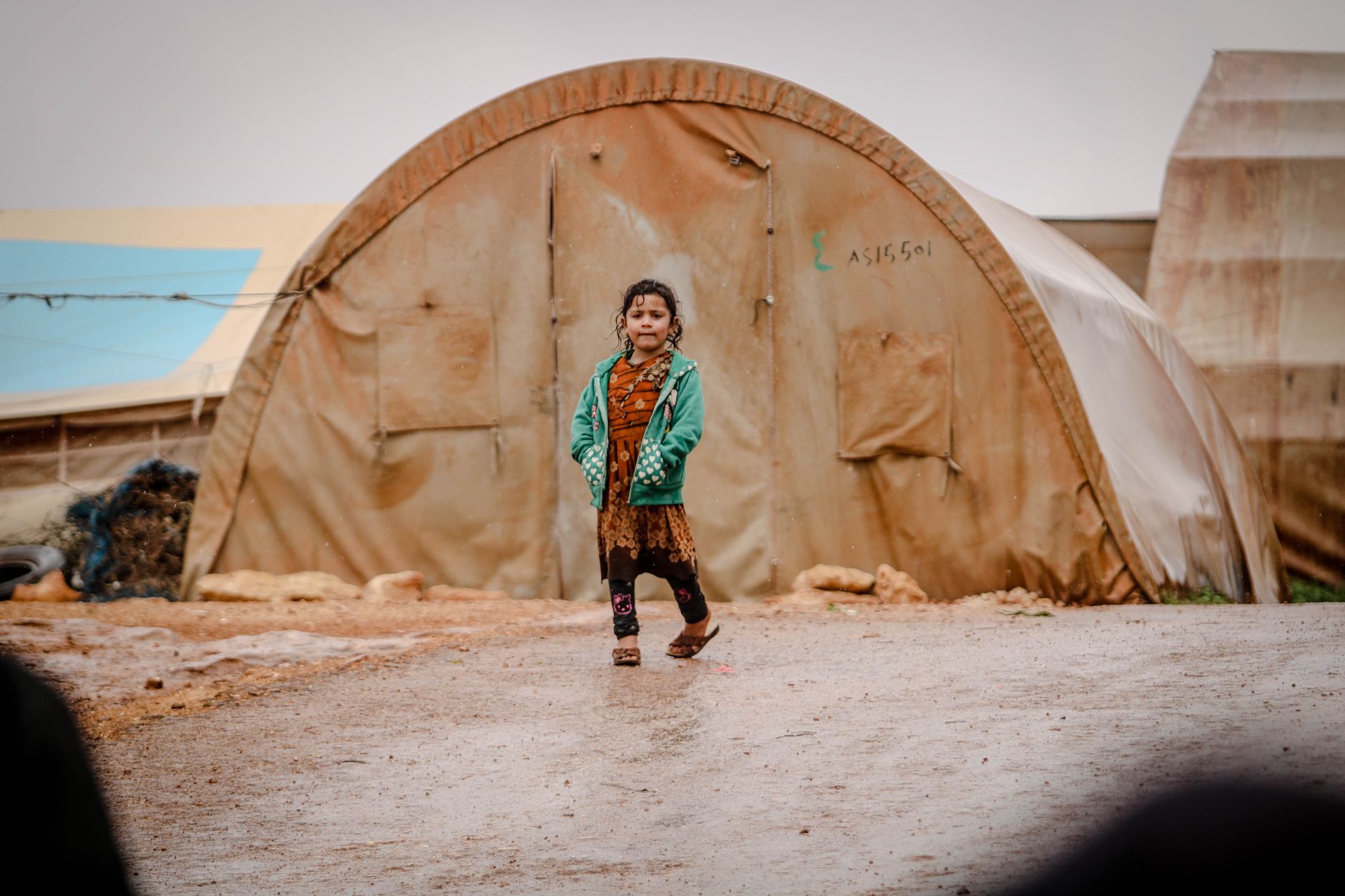
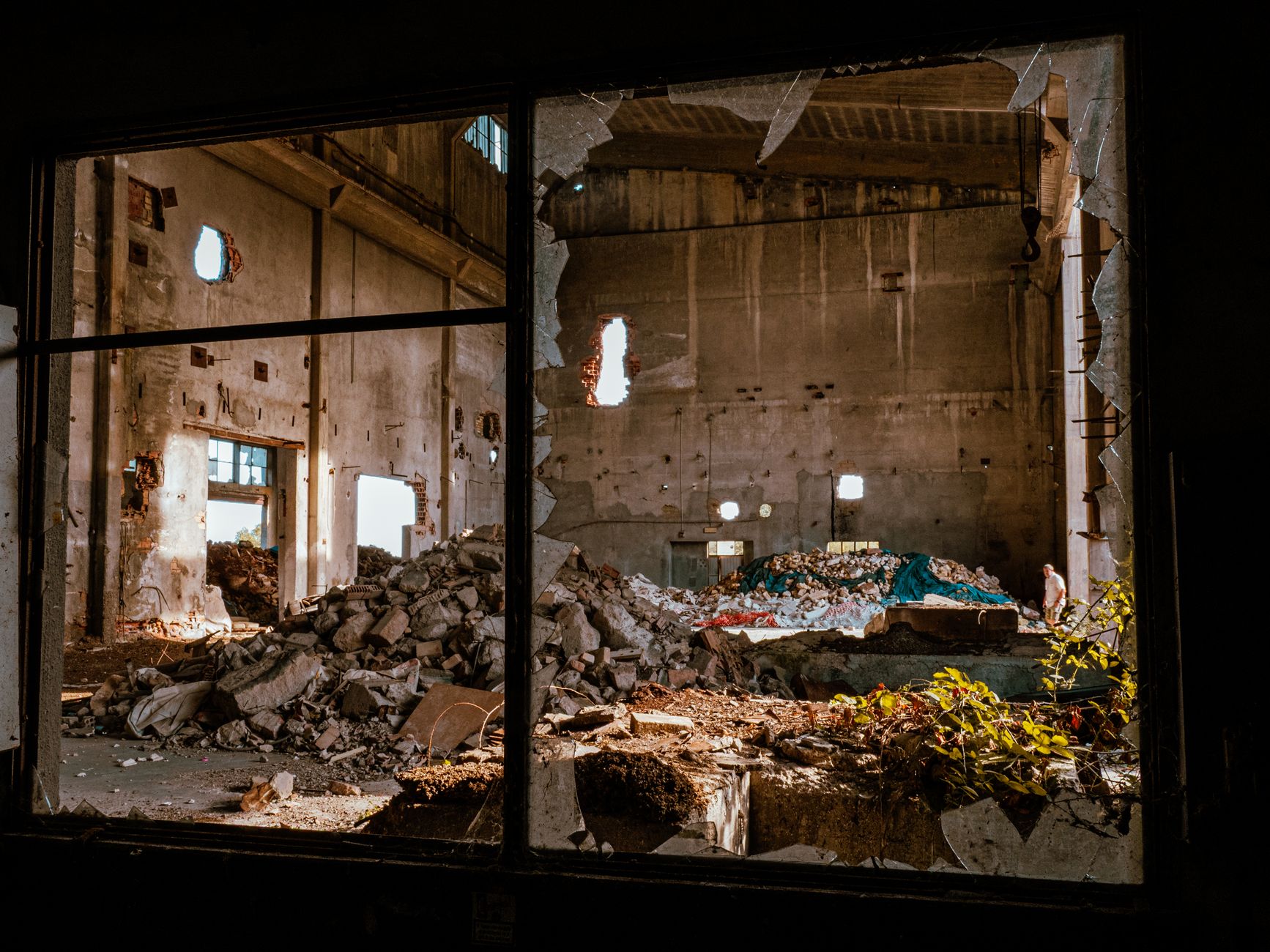
For millions of families across the Middle East, the constant specter of war has been an agonizing reality, casting a long shadow over daily life and future aspirations. This sudden halt to military action, however tenuous, offers a desperately needed glimmer of hope for peace and stability, allowing communities to momentarily envision a future free from immediate conflict. The psychological toll of escalating tensions, marked by uncertainty and fear, has been immense, profoundly impacting economic activities, educational opportunities, and the overall well-being of entire populations who have endured decades of instability.
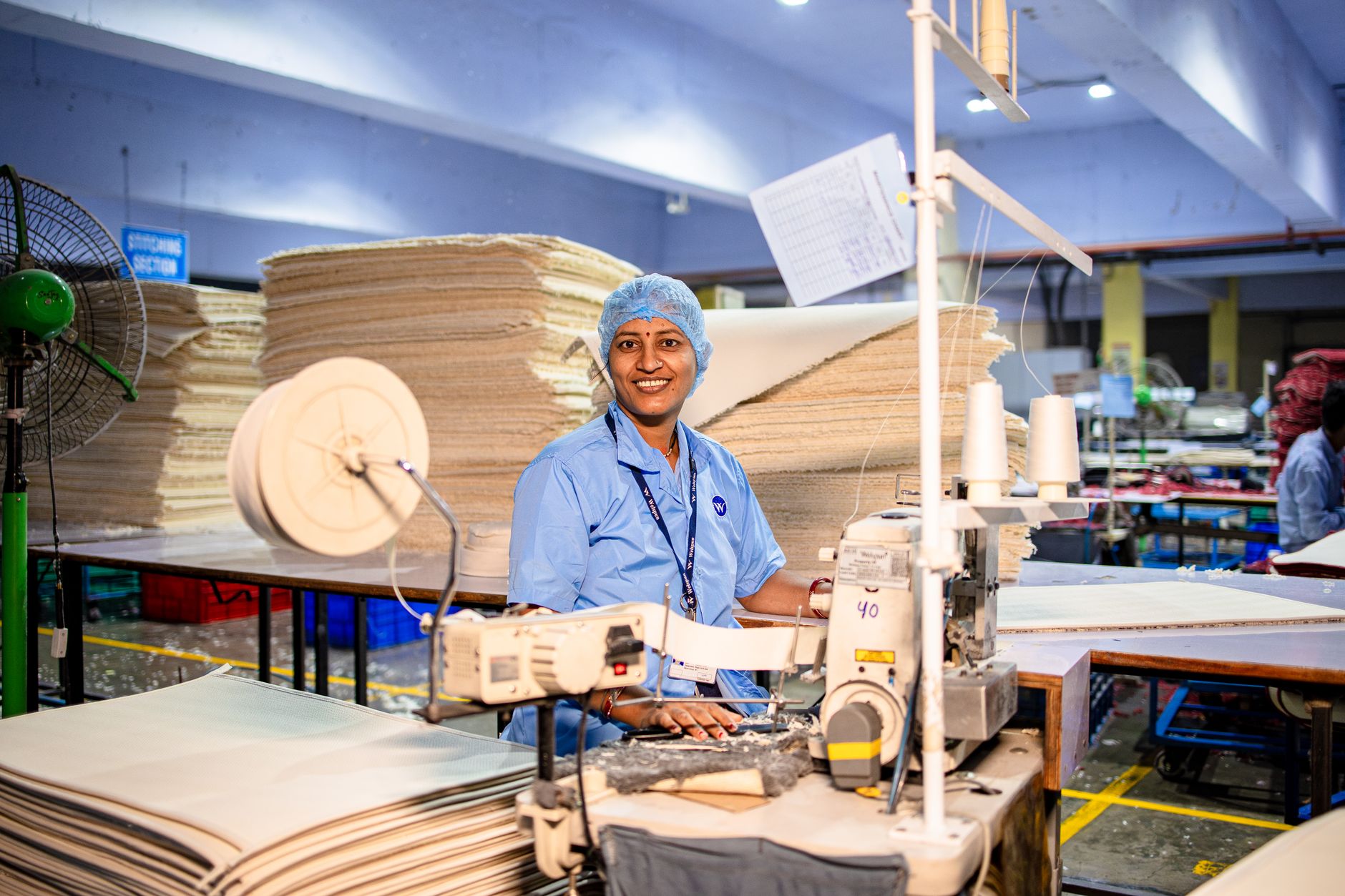
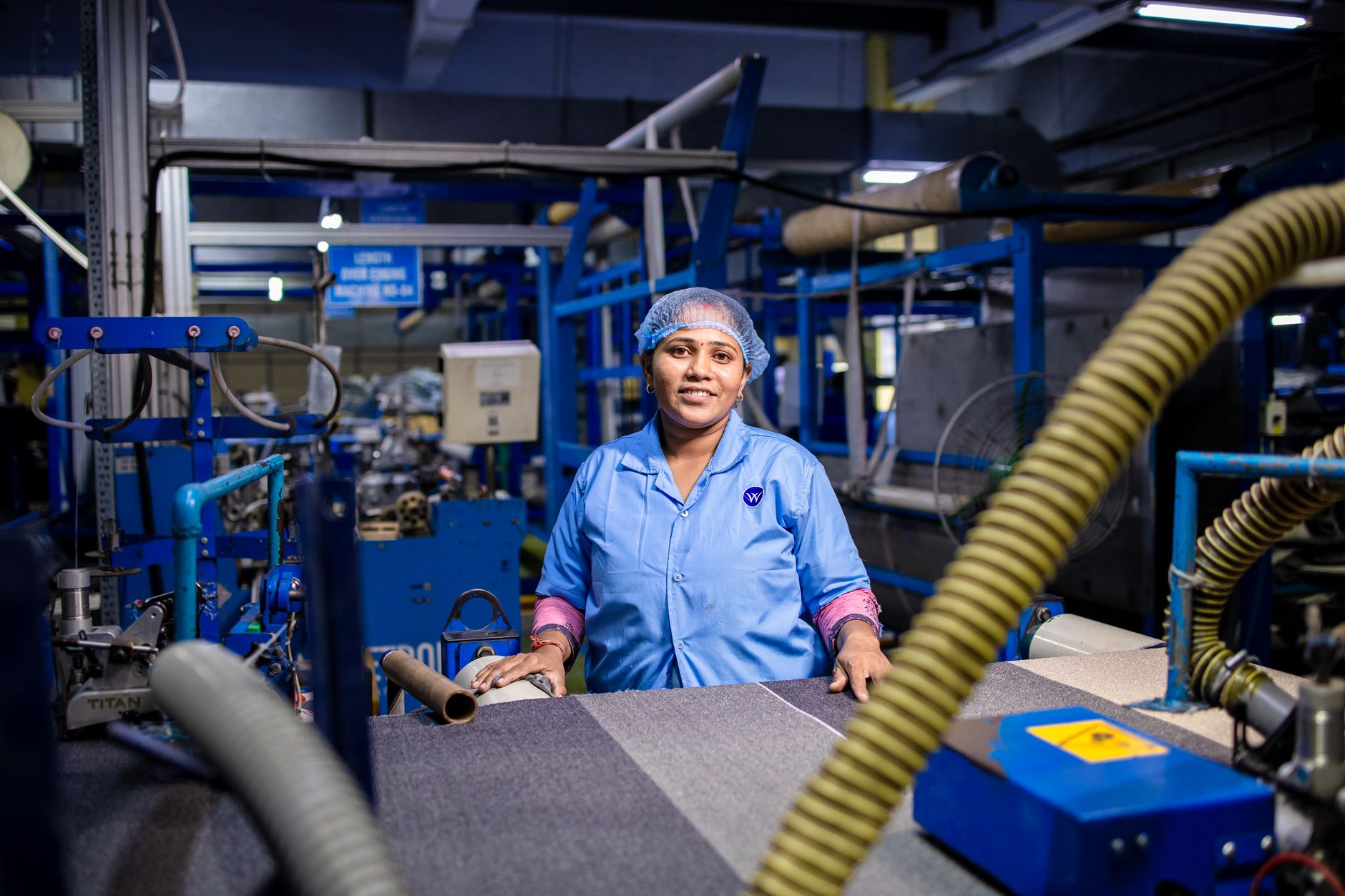
Businesses, already struggling under the weight of crippling sanctions, geopolitical instability, and disrupted supply chains, now face a moment of potential reprieve. The prospect of reduced military confrontation and the opening of diplomatic channels could unlock vital economic opportunities, encouraging much-needed foreign investment and fostering regional trade. Yet, a deep-seated skepticism persists, tempered by the region's volatile history and the frequent reversals of diplomatic progress, making any long-term economic recovery contingent on sustained peace.
The region's youth, often bearing the disproportionate brunt of conflict through displacement, lack of education, and limited economic prospects, might now see new avenues for growth and development emerge if sustained peace takes root. A stable environment could facilitate investment in infrastructure, education, and job creation, offering a genuine pathway out of cycles of poverty and violence. This diplomatic breakthrough, if nurtured, holds the potential to transform not just geopolitical landscapes but also the individual lives and collective futures of generations.
How We Got Here
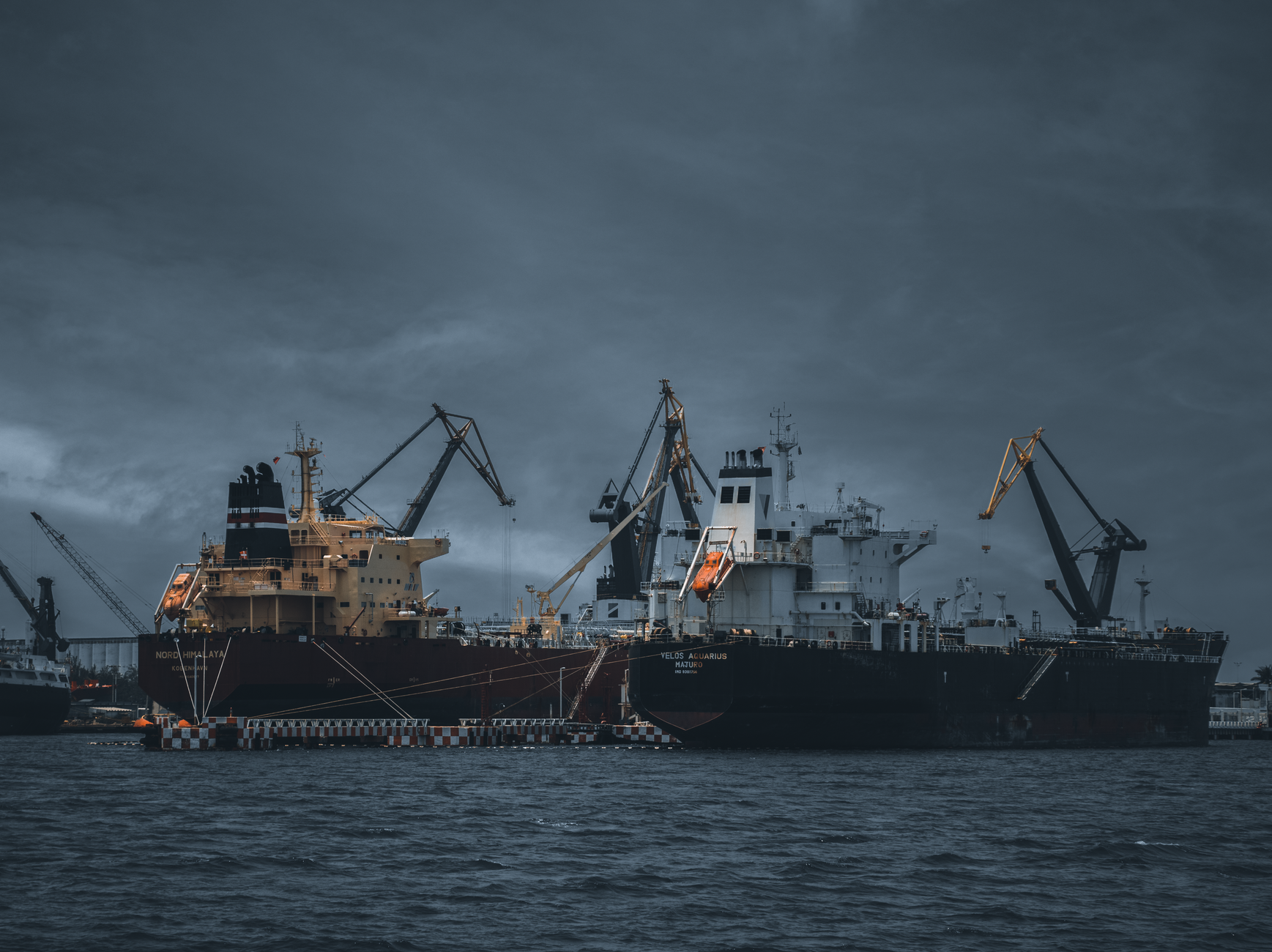
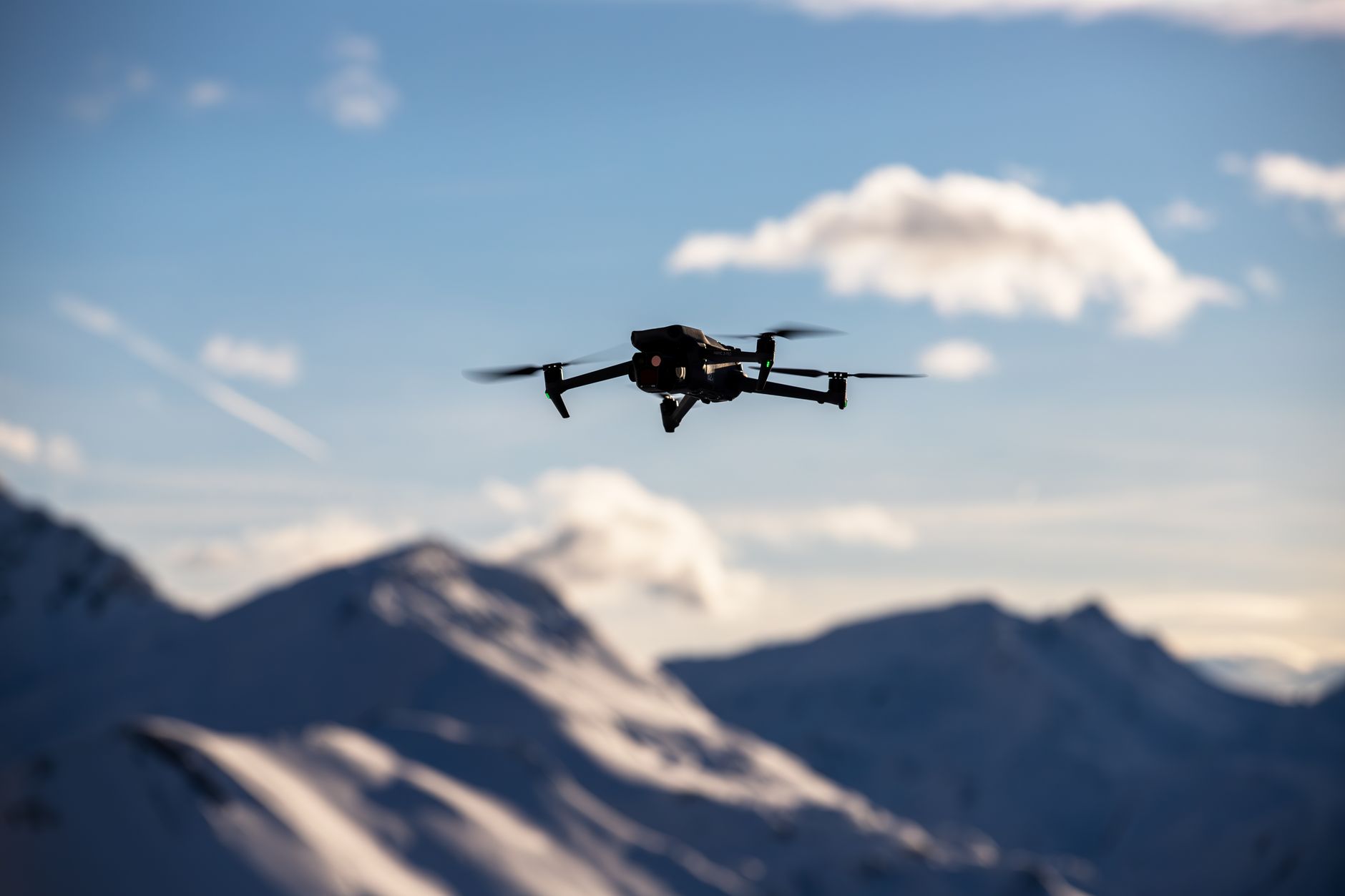
Tensions between the United States and Iran have been escalating dramatically for many months, characterized by a perilous series of provocations, including attacks on oil tankers, drone incidents, and retaliatory strikes. The US decision to withdraw from the Joint Comprehensive Plan of Action (JCPOA) and the subsequent re-imposition of stringent sanctions significantly exacerbated relations, pushing both nations to the very brink of direct military confrontation. The international community, witnessing this dangerous trajectory, consistently issued urgent calls for de-escalation and restraint from all parties involved.
Despite the overt hostility and public posturing, numerous back-channel negotiations, meticulously facilitated by various European and regional powers, have been quietly underway for weeks, largely shielded from public scrutiny. These persistent diplomatic efforts aimed to bridge the widening chasm between Washington and Tehran, focusing on confidence-building measures, prisoner exchanges, and establishing a preliminary framework for broader peace discussions. The recent breakthrough, therefore, is not an overnight miracle but rather a testament to the tireless, often thankless work of persistent, quiet diplomacy amidst overt hostility.
A critical juncture was reached when the risk of miscalculation became undeniably high, with military assets positioned aggressively and rhetoric reaching fever pitch. Both sides, despite their public defiance, privately recognized the catastrophic implications of an all-out war, which would have devastating consequences far beyond their borders. This shared, albeit unspoken, understanding of the immense stakes likely provided the impetus for more serious engagement in the diplomatic back channels, ultimately leading to the current, fragile de-escalation and the decision to halt immediate military action.
Why This Cannot Be Ignored
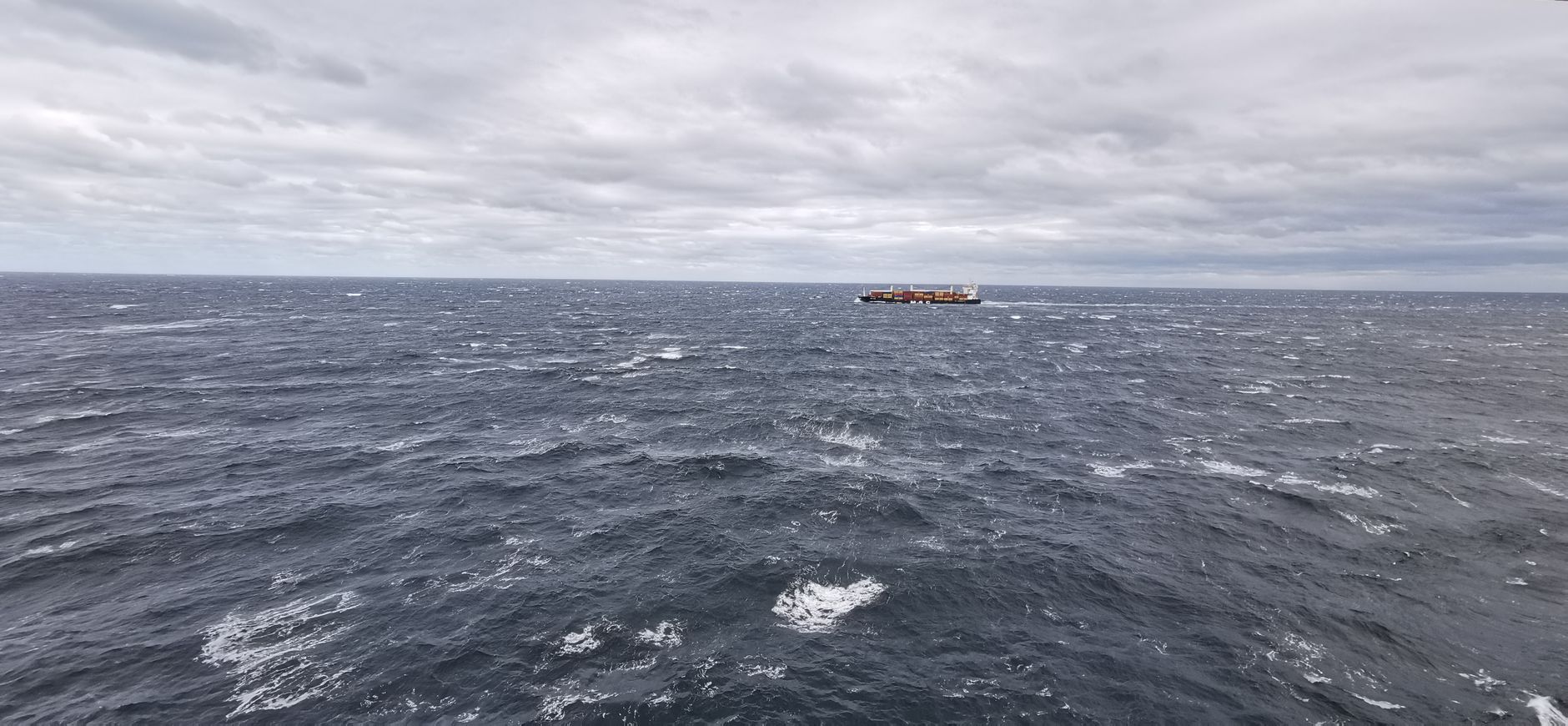
A full-scale military conflict in the Middle East would unleash catastrophic global implications, extending far beyond the immediate combat zones. Such a conflagration would inevitably disrupt vital global oil supplies, sending shockwaves through international markets and potentially triggering a worldwide economic recession. Furthermore, it would almost certainly ignite a massive humanitarian crisis, generating millions of refugees and internally displaced persons, while simultaneously risking the direct involvement of other major global powers, escalating the conflict to an unprecedented and terrifying scale.
The current de-escalation, therefore, represents a crucial and timely intervention, averting an immediate humanitarian disaster and preventing a broader regional conflagration that could destabilize not just the Middle East but the entire global economy. This moment offers a critical, albeit narrow, opportunity to fundamentally reset regional dynamics, moving away from a cycle of perpetual conflict and towards a more stable, cooperative future. The sheer scale of potential devastation averted cannot be overstated, underscoring the profound significance of this diplomatic shift.
Beyond the immediate avoidance of conflict, the implications of a successful peace process are far-reaching. It could potentially pave the way for renewed international cooperation on critical issues such as nuclear non-proliferation, regional security architectures, and counter-terrorism efforts. Conversely, any failure to capitalize on this delicate diplomatic opening could plunge the region back into heightened uncertainty and even greater instability, with potentially more severe and intractable consequences than before. The stakes for global peace, economic stability, and human lives are incredibly high, making this a pivotal moment in contemporary geopolitics.
Possible Paths Forward
The immediate path forward necessitates consolidating the current ceasefire and establishing clear, direct communication channels between Washington and Tehran to prevent any future misunderstandings or accidental escalations. Both sides must demonstrate unwavering commitment to sustained dialogue, potentially leading to a new, comprehensive agreement that addresses not only Iran's nuclear ambitions but also its regional proxy activities and the future of economic sanctions. This intricate process will undoubtedly demand significant political will, mutual concessions, and a willingness to compromise on deeply entrenched positions from all parties involved.
Achieving long-term stability in the Middle East hinges on addressing the complex, multifaceted root causes of regional mistrust and persistent conflict, which extend far beyond the immediate US-Iran standoff. This crucial endeavor includes developing an inclusive security architecture that actively involves all regional stakeholders, fostering genuine economic interdependence through shared projects, and promoting more inclusive governance structures within affected nations. Such a holistic approach is essential to build a foundation of trust and shared interest, moving beyond zero-sum competition.
Furthermore, any future agreements will require robust international guarantees and comprehensive monitoring mechanisms to ensure strict adherence and build lasting confidence among all signatories. The involvement of multilateral organizations and neutral third parties will be crucial for verification, transparency, and dispute resolution. Without these safeguards, the fragile peace could easily unravel. The journey ahead is fraught with challenges, but the current diplomatic opening provides a rare and valuable opportunity to embark on a path towards genuine, sustainable peace in a region desperately in need of it.

Questions People Are Actually Asking
What to Watch
- Monitoring the progress of ongoing diplomatic negotiations: Pay close attention to any official public statements, joint communiqués, or leaks from involved parties, as these will be crucial indicators of the sincerity and depth of commitment to de-escalation. Specifically, track the terms being discussed regarding nuclear safeguards, regional security frameworks, and potential economic incentives or disincentives.
- Observing the rhetoric and actions of regional proxies and non-state actors: Their behavior will be a critical litmus test for whether the de-escalation is truly taking hold on the ground or if localized conflicts persist. Any significant shifts in their operational patterns, either towards restraint or renewed aggression, could signal either compliance with or defiance of the broader diplomatic efforts.
- Tracking global oil prices and broader market reactions: These serve as highly sensitive indicators of perceived stability or instability in the Middle East, directly reflecting investor confidence in the sustainability of the current diplomatic thaw. Sudden spikes or drops in oil prices, or significant shifts in regional stock markets, could signal underlying shifts in the geopolitical outlook.
- Watching for any new economic sanctions or relief measures: Announcements by the US or international bodies will directly impact Iran's economy and could either incentivize continued cooperation and adherence to agreements or provoke a return to more aggressive, defiant stances. Economic levers remain a powerful and often contentious tool in this complex dynamic.
- Analyzing statements from key international organizations: Organizations like the United Nations (UN) and the International Atomic Energy Agency (IAEA) will provide crucial independent assessments and verification of the situation, particularly concerning Iran's adherence to any agreed-upon nuclear monitoring protocols. Their objective reports are vital for building and maintaining international trust.
- Paying attention to internal political developments within both the US and Iran: Domestic pressures, upcoming elections, and shifting political agendas in both countries could significantly influence the long-term viability of any diplomatic agreements or lead to unexpected policy shifts that could either bolster or undermine the fragile peace process.





Comments
No comments yet. Be the first to comment!