
What We Know
- Prime Minister Benjamin Netanyahu has publicly confirmed that Israel has concluded its current wave of retaliatory strikes against Iranian targets, signaling a temporary de-escalation of direct military action in the immediate aftermath of recent hostilities.
- Netanyahu issued an unequivocal and stern warning directly to Iran, emphasizing that any renewed aggression or further attacks from Iranian territory or its proxies would be met with an immediate and significantly more forceful response from Israel.
- The Israeli government's statement clearly indicates that while the current offensive phase is over, the nation remains on high alert and reserves the right to defend itself decisively, implying a zero-tolerance policy for future provocations.
- This cessation of strikes and subsequent warning comes after a period of intense regional tension, marked by direct military exchanges between Israel and Iran, which have significantly heightened fears of a broader conflict across the Middle East.
- International observers and diplomatic channels are closely monitoring the situation, with many nations urging both sides to exercise maximum restraint and prevent a dangerous spiral of retaliation that could destabilize the entire region.
- The strategic pause by Israel, coupled with its explicit threat, suggests a calibrated approach aimed at restoring deterrence without immediately escalating to an all-out war, though the underlying tensions remain acutely high.
What We Do Not Know Yet
- The precise scope and nature of Israel's promised 'forceful response' to any future Iranian aggression remain undefined, leaving open questions about potential targets, methods, and the scale of such an operation, should it become necessary.
- Iran's immediate strategic calculations and next moves are currently unclear, including whether Tehran will heed Israel's warning, seek further retaliation through proxies, or engage in diplomatic efforts to de-escalate the volatile situation.
- The specific, actionable reactions and interventions from key international players, including the United States, European Union, and regional powers, beyond calls for restraint, are yet to be fully articulated or implemented.
- The long-term geopolitical implications for regional stability, particularly regarding the security of shipping lanes, energy supplies, and the intricate web of alliances and rivalries in the Middle East, are still unfolding and highly uncertain.
- Whether this current pause represents a genuine de-escalation or merely a tactical regrouping before another potential round of hostilities is a critical unknown, keeping regional and global security analysts on edge.
- The extent to which internal political pressures within both Israel and Iran will influence their respective governments' future decisions regarding military action or diplomatic engagement is a significant factor that remains to be seen.
Background
The current precarious standoff between Israel and Iran is the culmination of decades of escalating geopolitical rivalry, punctuated by a recent dramatic surge in direct military confrontations. For years, the two regional powers have engaged in a shadow war, primarily through proxy forces in Syria, Lebanon, and Yemen, targeting each other's interests and assets without direct state-on-state military engagement. However, recent events, including alleged Israeli strikes on Iranian military personnel and facilities in Syria, and Iran's subsequent retaliatory actions, have shattered this delicate equilibrium, bringing the conflict into an alarmingly direct phase.
This latest cycle of violence was triggered by a specific incident, widely reported as an Israeli strike on an Iranian consular building in Damascus, which resulted in the deaths of several high-ranking Iranian military officials. Tehran vowed severe retribution, leading to an unprecedented direct missile and drone attack on Israel from Iranian soil. Israel, with assistance from its allies, successfully intercepted the vast majority of these projectiles, but the sheer scale and direct nature of the assault marked a significant departure from previous engagements, escalating the conflict to a dangerous new level.
In response to Iran's direct attack, Israel launched its own retaliatory strikes, targeting specific military facilities within Iran. These actions were carefully calibrated, according to Israeli officials, to send a clear message of deterrence without provoking an all-out war. The international community watched with bated breath as the tit-for-tat exchanges unfolded, with numerous world leaders and organizations calling for immediate de-escalation. The current pause, announced by Prime Minister Netanyahu, represents a critical juncture, offering a fragile window for diplomacy amidst deeply entrenched animosity and a history of mutual distrust.
Why It Matters
The simmering conflict between Israel and Iran, now teetering on the brink of direct, open warfare, carries profound implications for global energy markets, international trade routes, and the intricate balance of power across the entire Middle East. Any significant escalation could disrupt vital oil shipments through the Strait of Hormuz, triggering a global economic shockwave. Furthermore, the involvement of regional proxies and the potential for other nations to be drawn into the fray could ignite a conflagration far beyond the immediate combatants, leading to widespread human suffering and unprecedented displacement.
Beyond the immediate humanitarian and economic concerns, the ongoing tensions fundamentally challenge the existing international security framework. The prospect of two major regional powers engaging in direct military confrontation, particularly given their advanced military capabilities and the complex web of alliances, threatens to unravel decades of diplomatic efforts aimed at maintaining a fragile peace. The credibility of international institutions and their ability to mediate such high-stakes disputes are being severely tested, raising questions about the future of global conflict resolution.
For millions living in the Middle East, this escalating rivalry translates into daily uncertainty and fear. The potential for a wider conflict means increased instability, economic hardship, and the constant threat of violence. It diverts critical resources away from development and social programs, exacerbating existing challenges like poverty and displacement. The future of an entire generation hangs in the balance, as the region grapples with the severe consequences of a conflict that could reshape its geopolitical landscape for decades to come, demanding urgent and sustained diplomatic engagement.
Timeline of Events
- **April 1, 2024:** An alleged Israeli airstrike targets the Iranian consulate in Damascus, Syria, resulting in the deaths of several senior Iranian Revolutionary Guard Corps (IRGC) commanders, significantly escalating regional tensions.
- **April 13, 2024:** Iran launches an unprecedented direct attack on Israel, deploying hundreds of drones and missiles from its territory in retaliation for the Damascus strike, marking a significant shift in the conflict's dynamics.
- **April 14, 2024:** Israel, with crucial assistance from the United States, United Kingdom, France, and Jordan, successfully intercepts approximately 99% of the incoming Iranian projectiles, preventing widespread damage but highlighting the direct threat.
- **April 19, 2024:** Israel conducts retaliatory strikes against specific targets within Iran, reportedly near a military airbase in Isfahan, signaling its capacity to strike Iranian soil while aiming for a calibrated response to avoid full-scale war.
- **April 20, 2024:** International leaders, including G7 nations and the UN Secretary-General, issue urgent appeals for de-escalation, expressing deep concern over the escalating hostilities and the potential for a catastrophic regional conflict.
- **April 21, 2024:** Prime Minister Benjamin Netanyahu announces that Israel has concluded its current offensive operations but issues a stark warning, vowing a forceful response if Iran resumes any form of aggression, maintaining a precarious deterrence.

Rapid-Fire Q&A
What Is Coming
- The immediate future remains highly volatile, with a significant potential for renewed conflict if either side misinterprets the other's intentions or if another provocative incident occurs, threatening to reignite direct hostilities.
- Intensified diplomatic efforts are anticipated from global powers, particularly the United States and European nations, aiming to mediate between Israel and Iran and establish channels for de-escalation to prevent a full-blown regional war.
- Expect increased international scrutiny on both Israel and Iran, with global bodies and individual nations closely monitoring their actions, statements, and any movements that could indicate a shift towards further aggression or genuine peace initiatives.
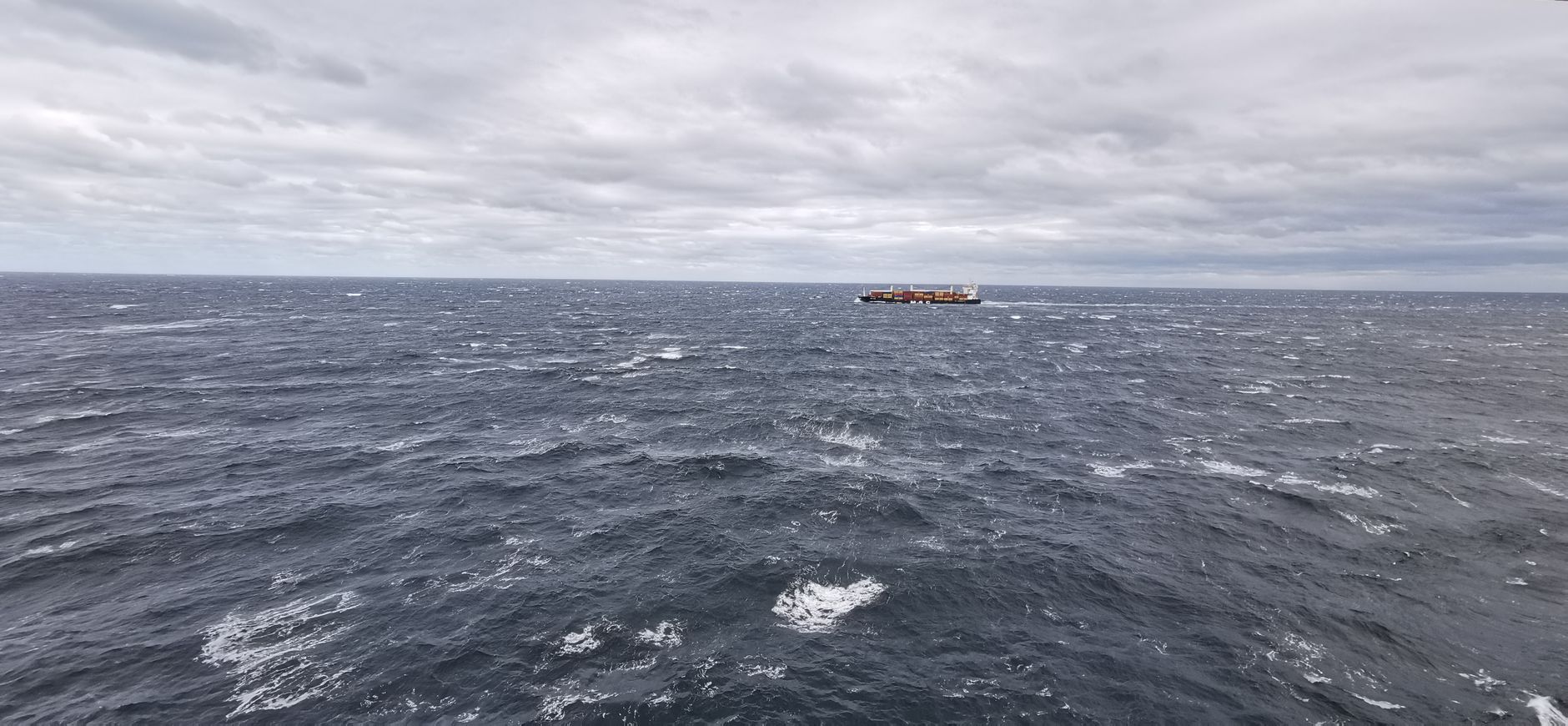
- The economic ramifications, especially concerning global oil prices and shipping security in critical waterways like the Strait of Hormuz, will likely remain a key concern, with potential for market volatility if tensions persist.
- Regional alliances and rivalries may be further solidified or fractured as nations assess their positions in a potentially expanded conflict, leading to shifts in geopolitical alignments across the Middle East.
- Internal political dynamics within both Israel and Iran will continue to influence decision-making, as leaders navigate domestic pressures and public sentiment regarding national security and foreign policy in this highly charged environment.









Comments
No comments yet. Be the first to comment!