
At a Glance
- Recent diplomatic overtures and subtle shifts in military posturing suggest a significant, albeit fragile, de-escalation in the long-standing tensions surrounding Iran and its regional adversaries, signaling a potential turning point.
- Intense back-channel communications and public diplomatic engagements are actively underway, involving key international and regional powers striving to solidify a more stable framework for future interactions and conflict resolution.
- Regional actors, from Gulf states to various non-state groups, are observing these developments with a mix of cautious optimism and deep-seated skepticism, wary of past failed attempts at lasting peace.
- The economic ramifications of prolonged conflict and potential de-escalation are being meticulously assessed, with global energy markets and regional trade routes poised for significant shifts depending on the trajectory of peace.
- Humanitarian organizations are highlighting the urgent need for sustained peace, emphasizing the devastating impact decades of conflict have had on civilian populations, infrastructure, and the overall social fabric of affected nations.
- The prospect of a new regional security architecture is emerging as a central theme in discussions, aiming to address underlying grievances and establish mechanisms for dialogue rather than confrontation in the future.
The Record
The protracted conflict involving Iran and its regional adversaries, primarily Saudi Arabia and Israel, alongside Western powers, has roots stretching back decades, profoundly shaping the geopolitical landscape of the Middle East. This complex struggle is characterized by a web of proxy wars in Yemen, Syria, Iraq, and Lebanon, economic sanctions designed to cripple Iran's capabilities, and intermittent, often clandestine, military skirmishes that have frequently brought the region to the brink of wider confrontation. The underlying ideological differences, competition for regional hegemony, and the nuclear program issue have fueled a cycle of mistrust and aggression, making any talk of de-escalation a monumental challenge.
For generations, the Middle East has functioned as a geopolitical tinderbox, with every minor spark threatening to ignite a larger conflagration. Various state and non-state actors, each with their own intricate agendas and external patrons, have consistently vied for influence, creating a volatile environment where alliances are fluid and betrayals common. This relentless competition has not only destabilized individual nations but has also had profound global repercussions, particularly concerning global energy security and international trade routes. The human cost of this protracted struggle, measured in lives lost, displaced populations, and shattered economies, is immeasurable and continues to cast a long shadow over any prospects for peace.
Understanding the current moment of potential de-escalation requires a deep dive into this intricate history, recognizing that past grievances and strategic calculations continue to heavily influence present actions. The shadow of past interventions, broken agreements, and unfulfilled promises looms large, fostering a pervasive skepticism among regional populations and political elites alike. Any genuine movement towards peace must acknowledge these historical burdens and work towards building trust through tangible, verifiable actions, rather than simply relying on diplomatic rhetoric. This historical context underscores the immense fragility of the current situation and the high stakes involved for all parties.
Who Knew and When
For many months, intelligence agencies across the globe, particularly those with vested interests in Middle Eastern stability, have been meticulously monitoring subtle shifts in diplomatic postures and military movements within the region. Confidential reports circulating among top government officials and security analysts indicated a growing fatigue with the status quo and an increasing willingness, particularly from Saudi Arabia and Iran, to explore avenues for direct dialogue. These early warnings, often gleaned from sophisticated surveillance and human intelligence networks, suggested that the prolonged period of overt hostility might be reaching a point of inflection, prompting cautious optimism among a select few.
While the public narrative often lags behind the reality of high-stakes diplomacy, key international players and regional power brokers were demonstrably aware of intensifying back-channel communications. These discreet discussions, often facilitated by neutral third-party nations like Oman or Iraq, aimed to establish trust and identify common ground away from the glare of media scrutiny. The initial breakthroughs, though small, were significant, signaling a departure from entrenched positions and a recognition that perpetual conflict served no one's long-term interests. This behind-the-scenes engagement was critical in laying the groundwork for the more public diplomatic steps we are witnessing today.
However, public acknowledgment of these significant shifts remained deliberately slow and carefully managed, largely due to the inherent fragility of the nascent peace efforts and the deep-seated mistrust that still pervades the region. Governments were hesitant to raise expectations prematurely, fearing that any misstep or leaked information could derail sensitive negotiations. The cautious approach reflects a strategic decision to build momentum incrementally, ensuring that each step towards de-escalation is thoroughly vetted and agreed upon before being presented to a skeptical public. This calculated opacity highlights the delicate balance required to navigate such complex geopolitical transitions.
Voices from the Ground
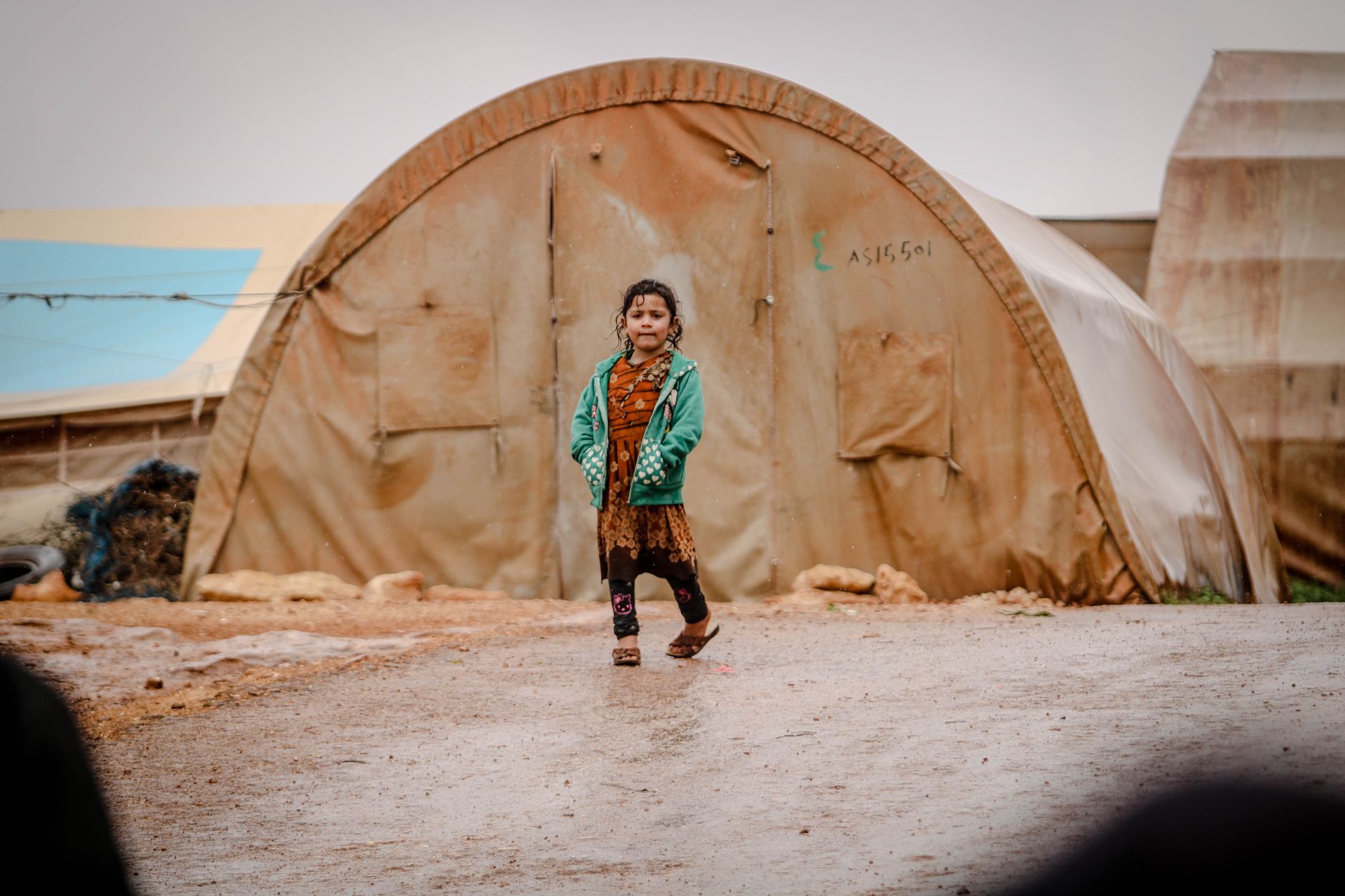
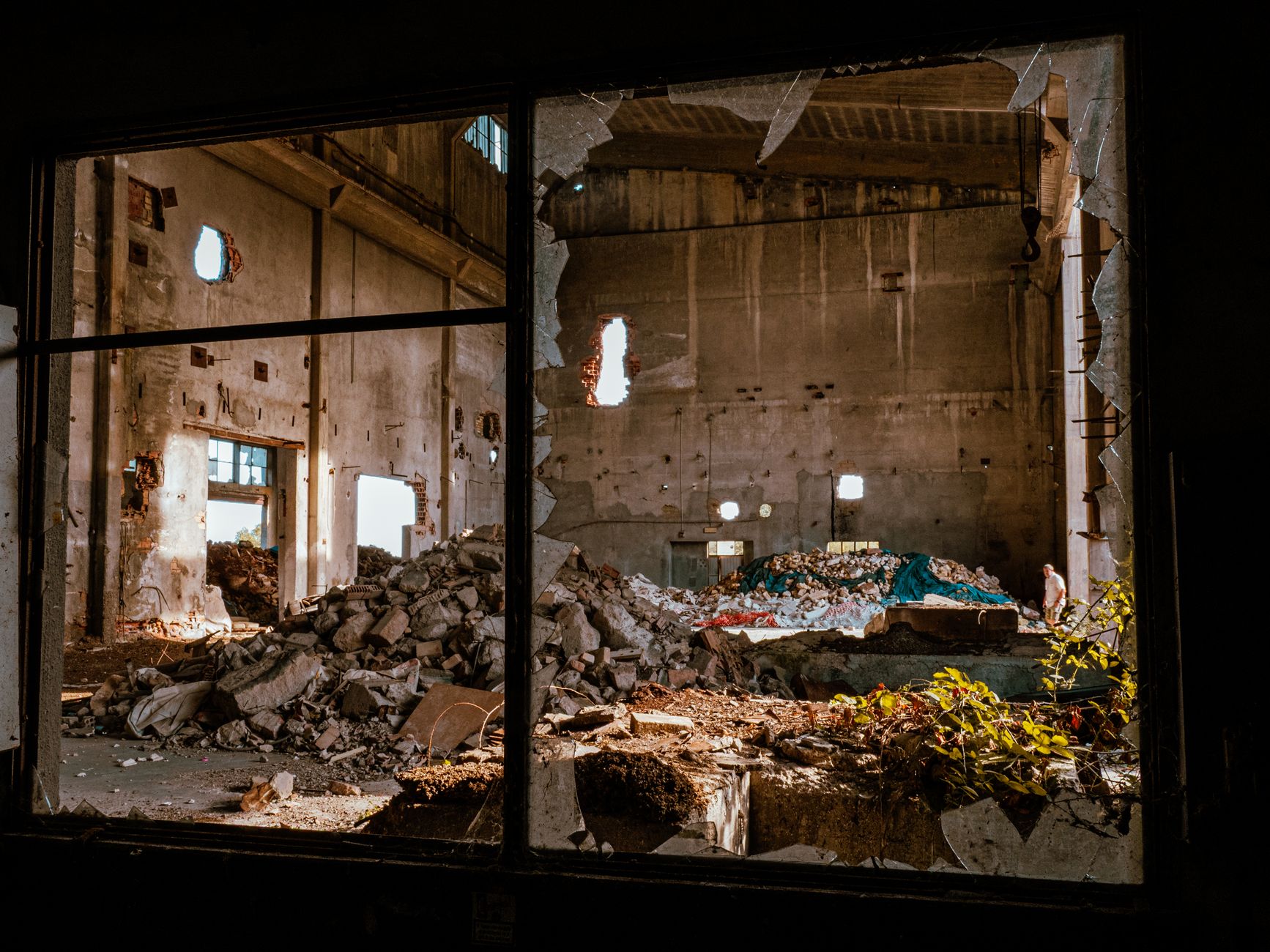
From the war-torn streets of Sana'a to the refugee camps bordering Syria, the voices of ordinary civilians in affected areas resonate with a profound mix of cautious hope and deep-seated skepticism regarding the recent de-escalation efforts. Years of relentless conflict, marked by devastating airstrikes, economic blockades, and the constant threat of violence, have left indelible scars on entire generations. Many have witnessed their homes destroyed, their livelihoods shattered, and their loved ones lost, making it incredibly difficult to fully embrace the promise of peace without significant reservations. Their experiences underscore the immense human cost of geopolitical rivalries.
For those who have endured the brunt of proxy wars and regional tensions, the concept of 'peace' often feels abstract, a distant dream frequently shattered by renewed hostilities. There's a pervasive fear that any current calm is merely a temporary lull, a fragile interlude before the inevitable resurgence of violence. This sentiment is rooted in a history of broken ceasefires and unfulfilled promises, leading to a deep mistrust of political pronouncements. Families struggle daily with the aftermath of conflict, including widespread poverty, lack of essential services, and the psychological trauma that permeates communities, making immediate, tangible improvements far more impactful than diplomatic rhetoric.
Yet, amidst the pervasive cynicism, a flicker of hope persists, fueled by the sheer exhaustion of perpetual conflict and the desperate yearning for normalcy. Mothers dream of their children growing up without the shadow of war, and communities envision rebuilding their lives free from fear. However, they emphasize that true peace must extend beyond mere absence of fighting; it requires genuine reconciliation, accountability for past atrocities, and sustained investment in reconstruction and economic development. Their pleas serve as a powerful reminder that the success of any de-escalation will ultimately be measured not in diplomatic communiqués, but in the tangible improvements to the lives of those who have suffered the most.
The Debate
The recent signs of de-escalation have ignited a vigorous debate among international relations experts, regional analysts, and policymakers regarding the true nature and sustainability of these developments. One camp views the current diplomatic thaw as a genuine turning point, a strategic recalibration by key regional players who have come to recognize the prohibitive costs of perpetual conflict and the diminishing returns of proxy warfare. Proponents of this optimistic outlook point to internal economic pressures within Iran and Saudi Arabia, coupled with a shifting global power dynamic, as compelling motivators for a more conciliatory approach, suggesting a fundamental change in strategic calculus.
Conversely, a significant number of skeptics argue that this de-escalation is merely a temporary lull, a tactical pause designed to allow various actors to regroup, rearm, or consolidate gains before inevitably resuming hostilities. These analysts often highlight the deep-seated ideological differences, unresolved territorial disputes, and the enduring influence of hardline factions within both Iran and its adversaries, which make a lasting peace incredibly difficult to achieve. They caution against premature celebrations, suggesting that without fundamental changes in governance, accountability, and a comprehensive regional security framework, any peace will remain inherently fragile and susceptible to collapse at the slightest provocation.
A central point of contention in this ongoing debate revolves around the precise role and influence of external powers, particularly the United States, China, and Russia. Some argue that a perceived U.S. disengagement from the region has created a vacuum, compelling regional powers to seek their own solutions, while others contend that external mediation, notably by China, has been instrumental in facilitating dialogue. The extent to which these external actors will continue to shape or even destabilize the de-escalation process remains a critical variable, with their strategic interests often clashing with the immediate needs for regional stability. This complex interplay of internal and external forces will ultimately determine the trajectory of peace.
Your Questions Answered
What Accountability Looks Like
A critical, yet often overlooked, dimension of any sustainable peace in the Middle East is the establishment of robust mechanisms for accountability regarding past actions and atrocities. Decades of conflict have resulted in widespread human rights abuses, war crimes, and immense suffering, leaving deep societal wounds that cannot simply be wished away. Without a credible process for addressing these grievances, whether through truth and reconciliation commissions, international tribunals, or restorative justice initiatives, the foundations of any peace agreement will remain inherently fragile. Ignoring the demands for justice risks perpetuating cycles of resentment and revenge, undermining future stability.
For millions of victims and their families, accountability is not merely an abstract legal concept; it is a fundamental prerequisite for healing and moving forward. The failure to hold perpetrators responsible for their actions sends a dangerous message that impunity can prevail, thereby eroding trust in institutions and the rule of law. International bodies and human rights organizations are actively exploring various options, including documenting evidence, advocating for sanctions against responsible parties, and supporting local initiatives aimed at justice. However, political will from regional powers and global actors is paramount to translate these efforts into tangible outcomes, ensuring that justice is not sacrificed for political expediency.
Ultimately, what accountability looks like in this complex context will likely be multifaceted, encompassing both formal legal processes and informal community-led reconciliation efforts. It must address not only the actions of state actors but also the roles of various non-state groups and proxy forces. The challenge lies in balancing the need for justice with the delicate requirements of peace-building, ensuring that accountability measures do not inadvertently reignite conflict but rather contribute to a more just and stable future. This intricate dance between justice and peace will define the long-term success of any de-escalation, proving whether the region can truly break free from its violent past.









Comments
No comments yet. Be the first to comment!