


The Numbers
- Global oil benchmarks, including Brent crude, have surged by over 15% in the past 24 hours, reaching multi-year highs as markets react to the escalating conflict and the immediate threat to shipping lanes.
- The Strait of Hormuz, a narrow waterway crucial for global energy transit, sees approximately 20% of the world's total petroleum liquids pass through it daily, making its potential closure an economic catastrophe.
- Analysts project a potential 3-5% reduction in global GDP growth for the upcoming fiscal year if the conflict persists and oil supplies remain severely disrupted, impacting industries worldwide.
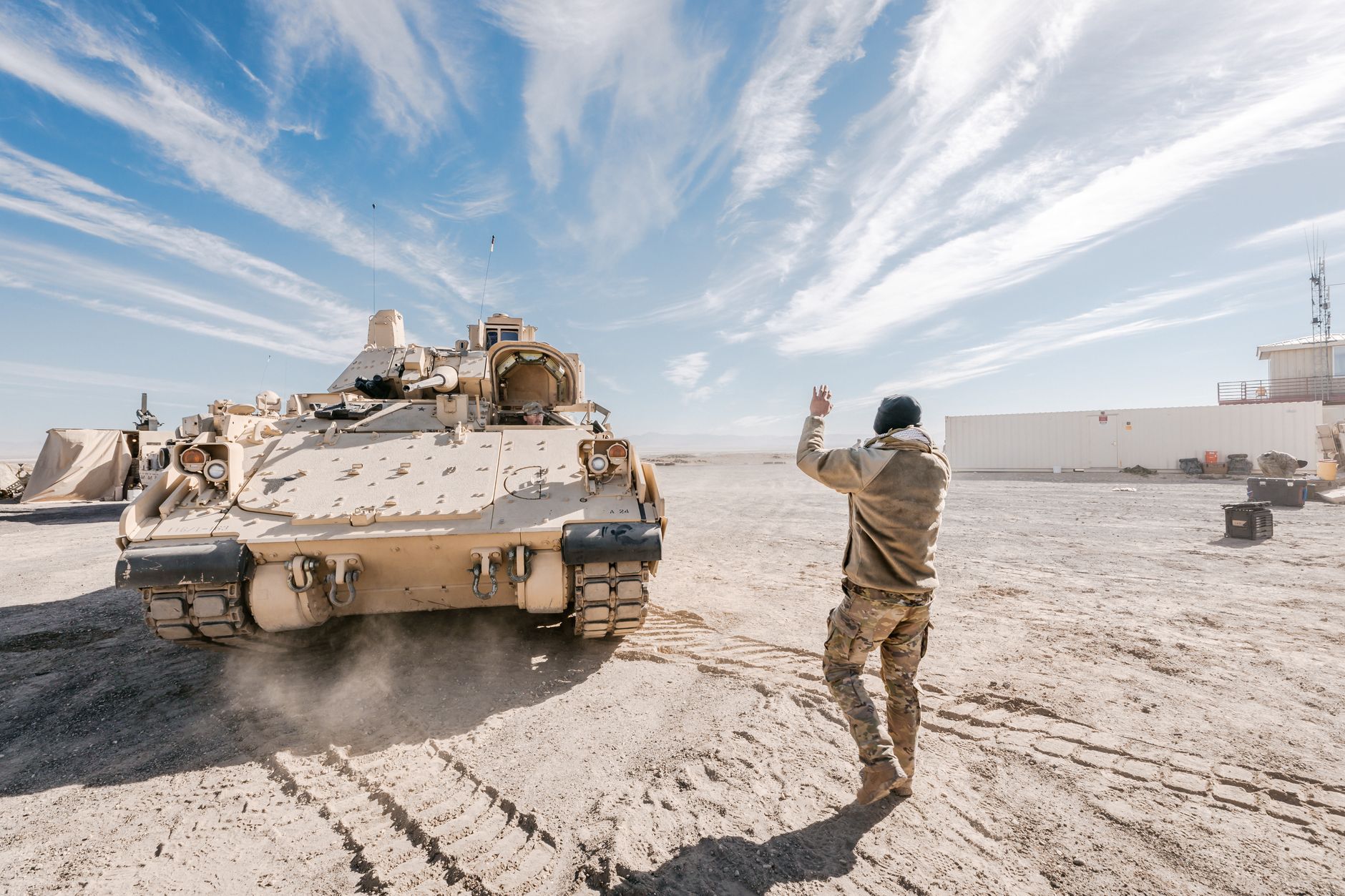
- Reports indicate a significant deployment of naval assets by both the United States and Iran to the Persian Gulf, with estimates suggesting thousands of personnel and dozens of vessels now positioned in the strategic waterway.
- Emergency oil reserves held by major economies, including the U.S. Strategic Petroleum Reserve, are being reviewed for potential release, though their capacity to offset prolonged supply disruptions remains a critical concern.
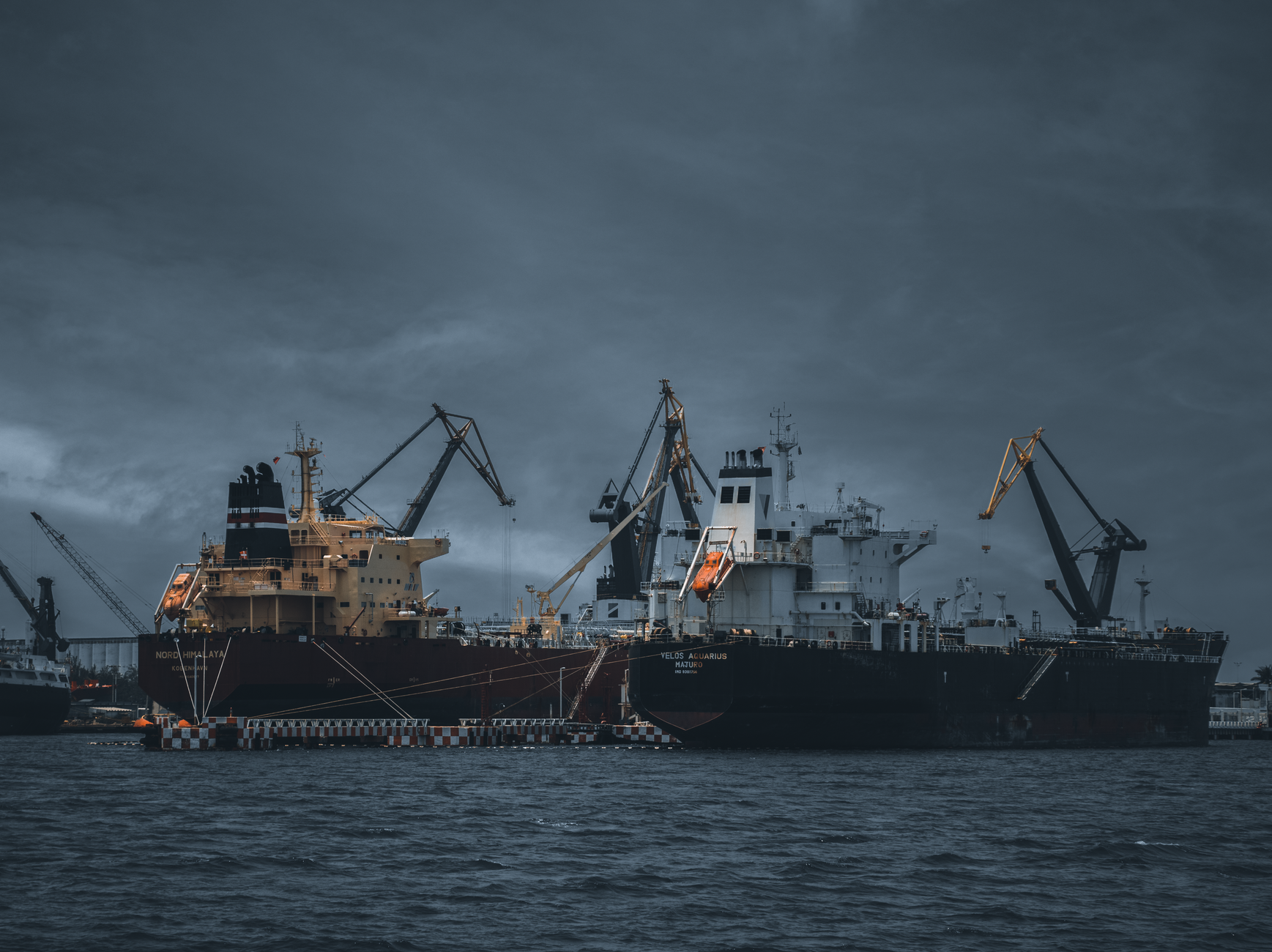
- Shipping insurance premiums for vessels operating in the Persian Gulf have skyrocketed by over 500% since the initial hostilities, effectively crippling commercial maritime traffic and driving up commodity costs.
Context Check
The current crisis erupted following a series of increasingly aggressive naval maneuvers and cyberattacks attributed to Iran, culminating in a direct missile strike on a US-allied vessel in the Persian Gulf. This provocative act, which caused significant damage and casualties, crossed a critical red line, prompting swift and decisive retaliatory strikes from both US and Israeli forces against Iranian military installations. The rapid progression from proxy skirmishes to overt military engagement has shocked international observers, highlighting the fragility of regional stability.
The United States and Israel have long maintained a robust strategic alliance, particularly concerning regional security threats posed by Iran. This partnership has been underscored by shared intelligence, joint military exercises, and a unified stance against Iran's nuclear program and its support for various militant groups. The coordinated response to Iran's recent aggression demonstrates the strength of this bond, but also signals a dangerous expansion of the conflict, drawing in major global powers directly. This unified front, while formidable, also raises the stakes considerably.
The Middle East has been a tinderbox of geopolitical tensions for decades, with the US, Israel, and Iran at the center of a complex web of rivalries and alliances. Iran's pursuit of regional hegemony, its nuclear ambitions, and its backing of groups like Hezbollah and the Houthis have consistently fueled instability. The latest conflagration represents a perilous culmination of these long-standing grievances, threatening to redraw the geopolitical map and trigger a wider regional conflict that could engulf neighboring nations and global interests alike.
Background
The relationship between the United States and Iran has been fraught with animosity since the 1979 Islamic Revolution, which overthrew the US-backed Shah. Decades of sanctions, proxy conflicts, and mutual distrust have characterized this complex dynamic. Key flashpoints include the Iran-Iraq War, the development of Iran's nuclear program, and the US withdrawal from the Joint Comprehensive Plan of Action (JCPOA), all contributing to a deep-seated antagonism that has now erupted into direct military confrontation. This long history of grievances has created a fertile ground for the current crisis.
Israel views Iran as its most significant existential threat, citing Iran's calls for Israel's destruction, its nuclear aspirations, and its extensive network of proxy forces on Israel's borders. For years, a shadow war has been waged, involving cyberattacks, assassinations, and covert operations targeting Iran's nuclear and military infrastructure. This undeclared conflict has now broken into the open, as Israel actively participates in strikes against Iranian assets, signaling a dramatic shift from clandestine operations to overt military engagement. The stakes for both nations have never been higher.
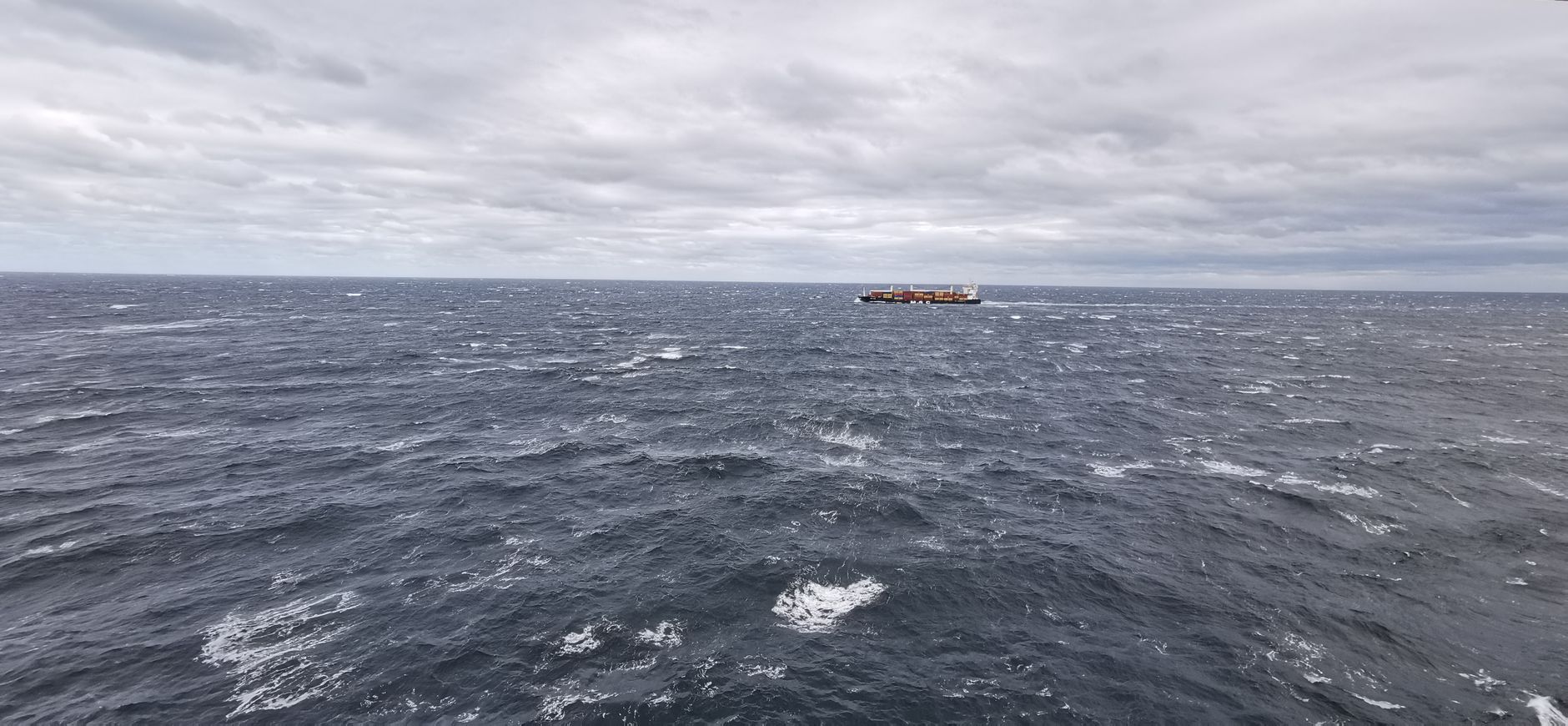
The Strait of Hormuz, a narrow chokepoint connecting the Persian Gulf to the open ocean, is arguably the world's most critical oil transit waterway. Its strategic importance cannot be overstated, as approximately one-fifth of the world's total oil supply, along with a significant portion of liquefied natural gas, passes through it daily. Any disruption, let alone a complete blockade, would send shockwaves through the global economy, triggering unprecedented energy price spikes and potentially plunging the world into a severe recession. Iran has repeatedly threatened to close the Strait in response to perceived aggression.
Winners and Losers
The most immediate and widespread loser in this escalating conflict is undoubtedly the global economy and, by extension, consumers worldwide. Surging oil prices will translate into higher costs for transportation, manufacturing, and virtually every commodity, fueling inflation and eroding purchasing power. Businesses will face increased operational expenses, potentially leading to layoffs and reduced investment. Developing nations, heavily reliant on stable energy prices, will be particularly vulnerable to economic collapse, exacerbating humanitarian crises and social unrest. This conflict threatens to unravel years of economic recovery.
While the global economy suffers, certain sectors and nations may experience paradoxical gains. Major oil-producing nations outside the immediate conflict zone, particularly those with spare capacity, could see their revenues swell significantly due to the dramatic increase in crude prices. Furthermore, the global defense industry is poised for a boom, as nations reassess their security needs and increase military spending in response to heightened geopolitical instability. Companies specializing in advanced weaponry, cybersecurity, and logistics will likely see a surge in demand and profits.
Regional stability in the Middle East is a clear loser, as the conflict risks spreading beyond its current combatants, drawing in neighboring states and proxy forces. Decades of fragile diplomatic efforts to foster peace and de-escalation will be severely undermined, if not completely dismantled. The prospect of a lasting resolution appears increasingly dim, replaced by a dangerous cycle of retaliation and escalation. International institutions and their capacity for conflict resolution will be severely tested, potentially revealing their limitations in preventing large-scale warfare.
Analyst Perspectives
Geopolitical analysts are largely in agreement that this conflict represents a fundamental shift in Middle Eastern dynamics, moving beyond proxy warfare to direct state-on-state confrontation. Dr. Elara Vance, a senior fellow at the Council on Foreign Relations, warns, "We are witnessing the unraveling of the post-Cold War regional order. The direct engagement of the US and Israel against Iran signifies a new, more perilous chapter where miscalculation could trigger a truly catastrophic regional war, with global implications far beyond energy markets." The consensus points to a prolonged period of instability.
Economic forecasters are painting a grim picture, with many revising global growth projections downwards. Marcus Thorne, chief economist at Global Insights Group, states, "The Strait of Hormuz blockade is not just an oil shock; it's a systemic shock to global trade and supply chains. Even if resolved quickly, the ripple effects of increased shipping costs, insurance premiums, and commodity volatility will be felt for years, potentially pushing major economies into recession and accelerating existing inflationary pressures." The immediate impact on consumer confidence is also a major concern.
Military strategists are scrutinizing the tactical implications, particularly Iran's asymmetric warfare capabilities. General David Petraeus (Ret.) recently commented, "Iran's strategy relies heavily on its naval mines, fast attack craft, and anti-ship missiles to deny access to the Strait. While the US and Israeli forces possess overwhelming conventional superiority, navigating this complex, congested waterway under fire presents immense challenges and risks significant losses. The conflict's duration will largely depend on the effectiveness of counter-mine operations and the ability to neutralize Iran's coastal defenses."

Key Questions Explained
The Outlook
The immediate outlook remains extremely grim, dominated by the high probability of further escalation. Military analysts suggest that both sides possess significant capabilities to inflict damage, and neither appears willing to back down without achieving perceived strategic objectives. The risk of miscalculation or unintended consequences is paramount in such a highly charged environment, potentially leading to a broader regional conflict that draws in more actors. International efforts for de-escalation are underway but face immense challenges given the deep-seated animosities and the direct nature of the current confrontation.
Regardless of the conflict's immediate resolution, the long-term geopolitical landscape of the Middle East is set for profound and lasting changes. This direct confrontation will likely redefine alliances, accelerate regional arms races, and solidify new spheres of influence. The global energy market will also be permanently altered, with nations prioritizing diversified supply chains and accelerating investments in renewable energy to mitigate future vulnerabilities. The notion of a stable, predictable Middle East will recede further into the past, replaced by an era of heightened uncertainty and strategic recalibration.
The global economic repercussions of this conflict are expected to be severe and protracted. Even if the Strait of Hormuz reopens swiftly, the psychological impact on markets, coupled with the actual disruption to supply chains and the surge in energy costs, will likely trigger a significant global economic downturn. Inflationary pressures will persist, central banks will face difficult choices, and consumer confidence will remain fragile. The world economy, already grappling with post-pandemic recovery and other geopolitical stresses, now faces an unprecedented challenge that could reshape global trade and financial systems for years to come.









Comments
No comments yet. Be the first to comment!