
What We Know
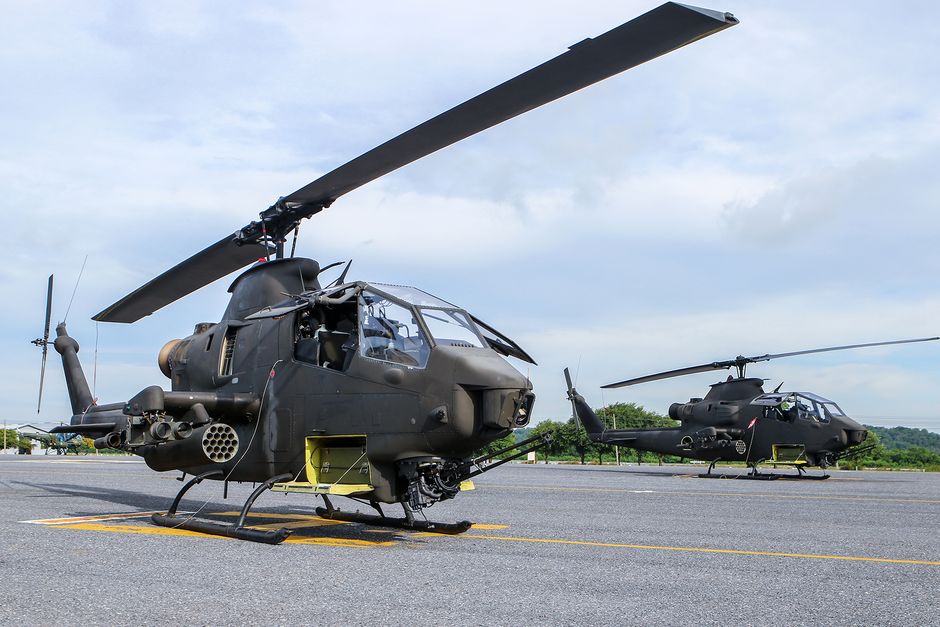
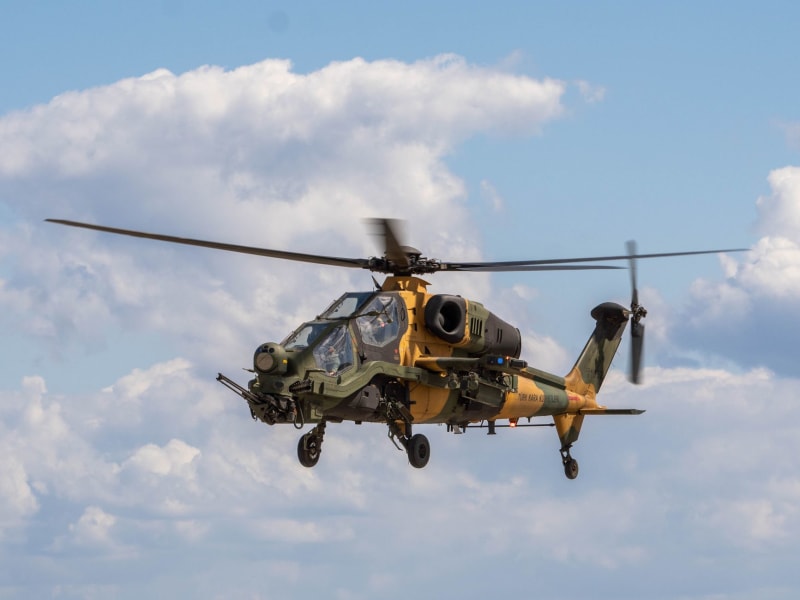
- A U.S. Army AH-64 Apache attack helicopter was confirmed to have been shot down over international waters, representing a direct military engagement with significant geopolitical implications.
- The Iranian Revolutionary Guard Corps (IRGC) swiftly claimed responsibility for the downing, asserting the helicopter had violated Iranian airspace, a claim the U.S. vehemently denies.
- Former President Donald Trump, in a surprise statement, first broke the news of the incident, emphasizing the crew's miraculous survival and the innovative rescue operation.
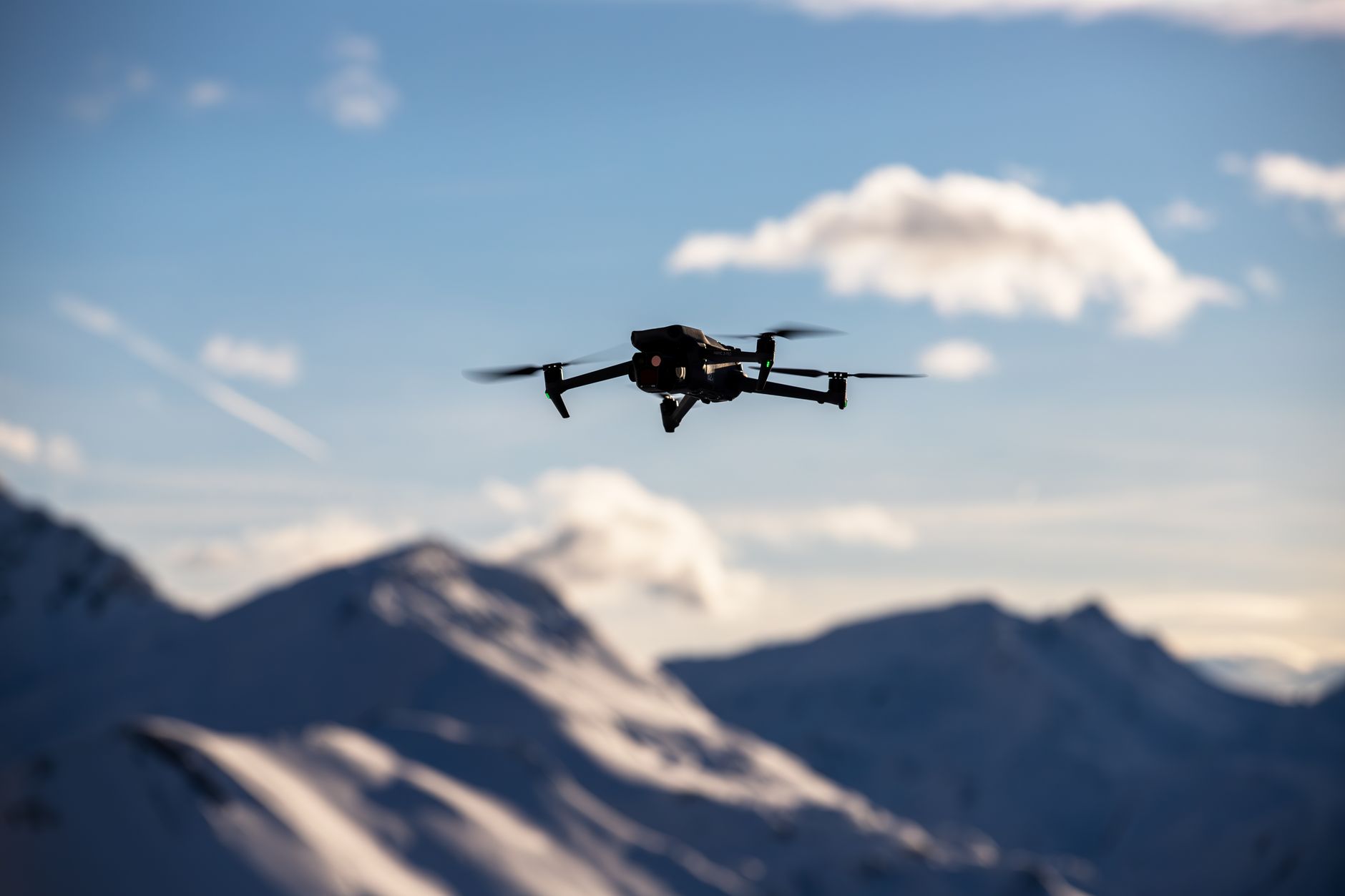
- Both crew members were successfully rescued from the water by an advanced, autonomous U.S. Navy sea drone, showcasing the evolving capabilities of unmanned maritime vehicles in combat zones.
- Initial reports indicate the helicopter was on a routine surveillance mission in the Strait of Hormuz area when it was targeted, raising questions about the rules of engagement and international navigation.
- The incident has prompted immediate calls for de-escalation from international bodies, while simultaneously triggering urgent consultations within the Pentagon regarding potential retaliatory measures.
What We Do Not Know Yet
- The precise coordinates of the downing remain officially undisclosed, though unconfirmed reports suggest it occurred near a contested maritime boundary in the Persian Gulf, complicating attribution.
- Details regarding the specific type of anti-aircraft missile or weapon system employed by Iran are still under investigation, crucial for understanding Iran's evolving air defense capabilities.
- The current status and recovery prospects of the Apache helicopter's wreckage are unknown, which could contain vital intelligence regarding the attack and the aircraft's systems.
- While the rescue was successful, the full operational specifics of the autonomous sea drone, including its deployment speed, sensor capabilities, and exact model, have not been released.
- The U.S. administration's immediate response strategy and whether it will involve military, diplomatic, or economic measures against Iran remains a subject of intense internal debate and public speculation.
- The long-term implications for regional shipping lanes and energy markets, particularly in the critical Strait of Hormuz, are yet to be fully assessed, but concern over disruption is high.
Background
The relationship between the United States and Iran has been fraught with deep-seated mistrust and escalating tensions for decades, particularly since the 1979 Iranian Revolution. This latest incident involving the downing of a U.S. military helicopter represents a dangerous new chapter in an already volatile geopolitical landscape. The Persian Gulf region, a critical artery for global oil shipments, has consistently been a flashpoint for proxy conflicts, naval confrontations, and cyber warfare, making any direct military engagement profoundly concerning for international stability and energy markets alike.
Recent years have seen a series of provocative actions and counter-actions, including attacks on oil tankers, drone strikes, and the assassination of high-ranking military officials from both sides. These events have consistently brought the two nations to the brink of open conflict, with diplomatic efforts often failing to bridge the chasm of animosity. The presence of U.S. military assets in the region, ostensibly to protect international shipping and deter aggression, is viewed by Iran as an unwelcome encroachment on its sphere of influence, frequently leading to dangerous close encounters.
This specific incident also unfolds against a backdrop of complex domestic political dynamics in both countries. In the U.S., the event could fuel calls for a stronger stance against Iranian aggression, while in Iran, it might be leveraged by hardliners to demonstrate military prowess and national resolve. The delicate balance of power in the Middle East, involving numerous regional and international actors, means that even a single military engagement can trigger unforeseen and far-reaching consequences across the entire geopolitical spectrum.
Why It Matters
The downing of a U.S. military helicopter by Iranian forces is not merely an isolated incident; it signifies a perilous escalation that could shatter the fragile peace in the Middle East. Such a direct confrontation risks igniting a broader conflict, drawing in regional allies and adversaries, and potentially disrupting global energy supplies. The international community is watching closely, understanding that miscalculations or aggressive retaliatory actions could spiral out of control, leading to devastating humanitarian and economic consequences far beyond the immediate theater of conflict.
Furthermore, this event underscores the evolving nature of modern warfare and the increasing sophistication of non-state or regional actors' military capabilities. The successful targeting of an advanced U.S. Apache helicopter by Iranian air defenses highlights a significant threat to aerial superiority and raises critical questions about the effectiveness of existing counter-measures. This incident serves as a stark reminder that even highly advanced military hardware can be vulnerable, forcing a re-evaluation of defense strategies and intelligence assessments in contested zones.
The unprecedented rescue of the crew by an autonomous sea drone also marks a pivotal moment in military technology. It demonstrates the critical role that unmanned systems are beginning to play in high-stakes operations, offering new paradigms for personnel recovery and potentially reducing risks to human operators. However, it also opens new ethical and operational questions regarding the deployment and autonomy of such systems in future conflicts, shaping how military forces approach search and rescue, surveillance, and even combat scenarios in increasingly complex environments.
Timeline of Events
- Early morning: The U.S. Army AH-64 Apache helicopter, reportedly on a routine surveillance mission, is struck by an Iranian anti-aircraft missile over disputed international waters, initiating a critical emergency.
- Minutes later: An autonomous U.S. Navy sea drone, operating nearby, is immediately dispatched to the crash site, successfully locating and extracting both downed crew members from the water, preventing further loss.
- Mid-morning: Former President Donald Trump makes an unexpected public announcement, revealing the incident and praising the swift, innovative rescue, before official Pentagon confirmation.
- Afternoon: The Iranian Revolutionary Guard Corps (IRGC) issues a statement claiming responsibility for shooting down the 'intruding' U.S. helicopter, asserting it had violated Iranian airspace.
- Late afternoon: The Pentagon releases a preliminary statement confirming the loss of an Apache helicopter and the successful rescue of its crew, while condemning Iran's 'unprovoked act of aggression'.
- Evening: International calls for de-escalation intensify, with the UN Secretary-General urging both nations to exercise maximum restraint and engage in immediate diplomatic dialogue to prevent further conflict.

Rapid-Fire Q&A
What Is Coming
- Intensive U.S. military and intelligence investigations will continue to ascertain the precise details of the attack, including the type of missile used and the operational protocols of the Iranian forces involved.
- The U.S. administration is expected to deliberate on a range of response options, from diplomatic condemnations and increased sanctions to potential military retaliation, carefully weighing the risks of escalation.
- Iran is likely to issue further statements, potentially escalating its rhetoric and reaffirming its claims of defending national sovereignty, which could further inflame regional tensions.
- Increased international pressure from allies and the UN will urge both nations to de-escalate, seeking a diplomatic resolution to prevent the conflict from spiraling into a wider regional confrontation.
- Heightened military readiness and surveillance in the Persian Gulf region are anticipated, with both U.S. and allied forces potentially increasing their presence and defensive postures to deter future aggression.
- A critical re-evaluation of military doctrines and technological defenses against advanced anti-aircraft systems will likely occur within the Pentagon, focusing on protecting high-value aerial assets in contested zones.








Comments
No comments yet. Be the first to comment!