

Policy Snapshot
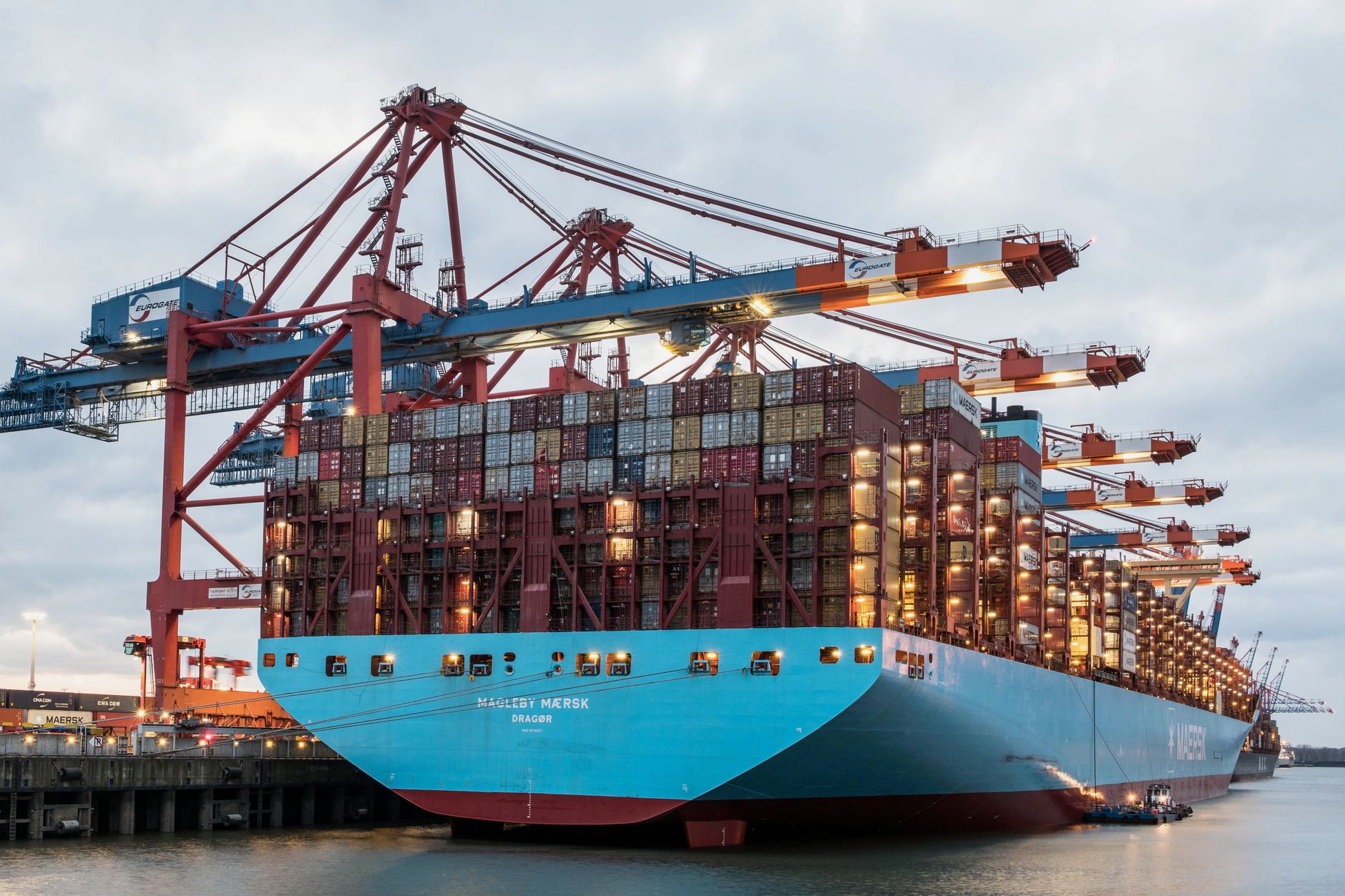
- Governments across the globe are actively rolling out ambitious new policies, specifically designed to dramatically enhance port efficiency and streamline maritime logistics, often in response to recent supply chain vulnerabilities and economic pressures.
- These comprehensive policies frequently encompass extensive digital transformation initiatives, significant infrastructure upgrades to accommodate larger vessels, and the crucial streamlining of complex customs procedures to accelerate cargo flow.
- The overarching strategic objective is to significantly reduce persistent shipping delays, which have plagued global trade, and to substantially lower the escalating logistics costs that impact businesses and consumers alike.
- A growing number of these forward-thinking policies place a strong emphasis on integrating advanced automation technologies and artificial intelligence solutions, aiming to optimize everything from crane operations to yard management and predictive maintenance.
- Recognizing the interconnected nature of global trade, international cooperation and the harmonization of standards are increasingly becoming a key aspect of several new policy frameworks, fostering smoother cross-border movement of goods.
- Many policy initiatives also include provisions for green port development, promoting sustainable practices, reducing carbon footprints, and integrating renewable energy sources into port operations to meet environmental targets.
The Policy History
Historically, port operations were largely characterized by manual processes and localized governance, with policies often fragmented and tailored to individual port needs rather than a cohesive global supply chain perspective. Before the advent of modern shipping, cargo handling was labor-intensive, slow, and prone to significant bottlenecks, limiting trade volumes and increasing costs. This decentralized approach meant that inefficiencies in one port could easily cascade, but the impact was often contained within regional trade networks.
The mid-20th century marked a pivotal shift with the widespread adoption of containerization, which revolutionized cargo handling and necessitated a move towards more standardized practices. This innovation began to expose the limitations of existing, disparate port policies, pushing for greater coordination. However, truly significant policy shifts towards integrated, highly efficient systems only gained substantial momentum in the 21st century, primarily driven by the relentless forces of globalization and the exponential increase in the volume and complexity of international trade. The need for speed and reliability became paramount.
In recent decades, a series of global events, including economic crises, geopolitical tensions, and the unprecedented COVID-19 pandemic, have starkly illuminated the inherent fragilities within the global supply chain. These disruptions served as a powerful catalyst, compelling governments and international bodies to prioritize port efficiency as a critical component of national economic security and resilience. Modern policy frameworks now aim to transcend mere operational improvements, seeking to build robust, adaptive, and interconnected maritime logistics networks capable of weathering future shocks.
Who Is Affected
The ripple effects of port efficiency policies extend across the entire economic spectrum, directly impacting shippers, logistics companies, and ultimately, consumers worldwide. Any improvement or deterioration in port performance immediately translates into changes in supply chain velocity and cost. For instance, prolonged port congestion can delay raw materials for manufacturers, disrupt production schedules, and lead to empty shelves for retailers, directly affecting consumer access to goods and potentially driving up prices due to scarcity and increased shipping expenses.
Small and medium-sized enterprises (SMEs) relying heavily on international trade are particularly vulnerable to port inefficiencies. Unlike larger corporations with diversified supply chains or the financial clout to absorb delays, SMEs often operate on tighter margins and depend on predictable, timely shipments. Unexpected port closures, customs backlogs, or labor disputes can devastate their business models, leading to lost contracts, damaged reputations, and even bankruptcy. Conversely, optimized ports offer SMEs a more level playing field, enabling them to compete more effectively in global markets.
At a macro level, national economies are profoundly shaped by the efficiency of their ports. A nation with highly efficient ports can attract more trade, boost its export capabilities, and become a critical hub in global logistics networks, fostering economic growth and job creation. Conversely, inefficient ports act as a drag on economic development, hindering competitiveness and increasing the cost of living. Furthermore, the labor force within and around ports, including dockworkers, truckers, and administrative staff, experiences direct impacts through job creation, skill retraining needs, and shifts in operational practices due to automation and digitalization.
The Case For
Proponents emphatically argue that enhanced port efficiency is not merely beneficial but absolutely crucial for maintaining economic stability and fostering sustainable growth in an increasingly interconnected world. By significantly reducing supply chain costs and accelerating the movement of goods, modernized ports directly boost a nation's trade competitiveness, making its exports more attractive and imports more affordable. This economic lubrication stimulates industrial activity, encourages investment, and ultimately contributes to higher GDP and improved living standards for citizens.
Beyond immediate economic gains, modern port infrastructure and streamlined operations are instrumental in mitigating the severe impact of global disruptions, whether they stem from geopolitical conflicts, natural disasters, or pandemics. Ports equipped with advanced technology, agile management systems, and robust digital platforms can adapt more quickly to unforeseen challenges, reroute cargo efficiently, and maintain a steady flow of essential goods, thereby enhancing national resilience and security. This strategic capability ensures that critical supplies, from medical equipment to energy resources, can reach their destinations even during crises.
Furthermore, the drive for efficiency often aligns with crucial environmental objectives. Modernized ports, through optimized vessel turnaround times, reduced idling, and the adoption of cleaner energy sources and electric equipment, can significantly lower emissions per unit of cargo. This commitment to green port development contributes to global climate goals, improves local air quality, and fosters a more sustainable maritime industry. The integration of smart logistics and data analytics also allows for better resource management, minimizing waste and maximizing ecological responsibility, positioning ports as leaders in environmental stewardship.
The Case Against
Critics of rapid port modernization raise significant concerns regarding the immense upfront capital investment required, which can strain public budgets and necessitate complex financing models, often involving substantial public-private partnerships. The cost of acquiring cutting-edge automation, constructing deeper berths, and implementing sophisticated digital infrastructure runs into billions, presenting a formidable barrier, especially for developing nations or smaller port authorities. This financial burden can divert funds from other critical public services and may lead to increased debt, with the long-term returns not always guaranteed or immediately apparent.
Another pressing concern revolves around potential job displacement resulting from the widespread adoption of automation and artificial intelligence. While technology promises efficiency, it often reduces the need for manual labor, impacting dockworkers, logistics staff, and administrative roles. This shift necessitates robust retraining programs, social safety nets, and careful planning to transition the workforce, but the fear of job losses can lead to significant social unrest and opposition from labor unions. Critics argue that the benefits of automation must be weighed against its human cost and that equitable solutions for affected workers are paramount.
Moreover, there are legitimate debates about the equitable distribution of benefits and the potential for widening global economic disparities. Smaller ports or nations with limited resources might struggle to keep pace with rapid technological advancements, risking marginalization in global trade networks. This could consolidate power and traffic in a few mega-ports, leaving others behind. Additionally, the increasing reliance on complex digital port systems introduces significant cybersecurity risks, making critical infrastructure vulnerable to sophisticated attacks that could cripple trade, cause massive economic damage, and compromise national security. Environmental concerns also persist, as increased efficiency can sometimes lead to higher overall cargo volumes, potentially exacerbating issues like ship emissions and marine pollution if not managed with stringent environmental policies.
Policy Questions Answered
Implementation Watch
The successful implementation of ambitious port efficiency policies demands meticulous planning, substantial and sustained investment, and continuous, rigorous monitoring to ensure objectives are met. A primary challenge often lies in navigating complex bureaucratic hurdles and overcoming entrenched resistance to change from various stakeholders, including labor unions, existing port operators, and government agencies. These groups may have vested interests in maintaining the status quo or concerns about job security and operational shifts, necessitating robust communication strategies and inclusive stakeholder engagement to foster buy-in and cooperation.
Overcoming significant funding gaps is another persistent obstacle, particularly for large-scale infrastructure projects and the adoption of cutting-edge technologies. Public-private partnerships (PPPs) have emerged as a crucial mechanism to address these financial challenges, leveraging private sector capital, expertise, and operational efficiencies. However, the success of PPPs hinges on clear contractual frameworks, equitable risk sharing, and transparent governance. Furthermore, the rapid evolution of technology necessitates a continuous investment in skilled labor training to operate and maintain new automated systems and digital platforms, ensuring the workforce remains adaptable and competent.
In an increasingly dynamic global trade environment, real-time data analytics and robust performance metrics are becoming indispensable tools for tracking progress, identifying bottlenecks, and pinpointing areas for further optimization. Geopolitical shifts, trade policy changes, and unforeseen global events can quickly alter the landscape, requiring agile policy adjustments and operational flexibility. Therefore, successful implementation is not a static achievement but an ongoing process of adaptation, innovation, and strategic foresight, ensuring ports can continuously evolve to meet the ever-changing demands of global commerce and enhance their resilience against future shocks.

















Comments
No comments yet. Be the first to comment!