

At a Glance
- The United States government is actively preparing to impose substantial new tariffs, potentially commencing at 10% or more, on a broad spectrum of imported goods.
- These impending tariffs are a direct consequence of an extensive federal investigation into the pervasive issue of forced labor within global supply chains, aiming to enforce ethical sourcing.
- The proposed duties are not geographically limited, targeting goods originating from a majority of U.S. trading partners found to have inadequate labor practices or oversight.
- This aggressive policy shift is designed to create a powerful economic disincentive against the use of exploitative labor, underscoring a heightened commitment to human rights in trade.
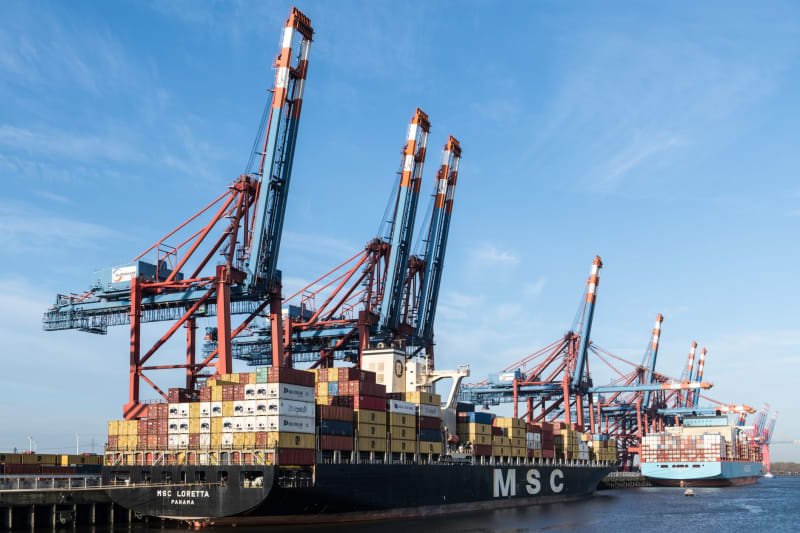
- Experts warn that the implementation of these widespread tariffs will likely trigger significant disruptions and reconfigurations across international supply networks, affecting numerous industries.
- Businesses worldwide are now urgently assessing their supply chain vulnerabilities and bracing for potential increases in operational costs, which could ultimately be passed on to consumers.
The Record
The U.S. Department of Commerce has been engaged in a rigorous, multi-month investigation into persistent allegations of forced labor embedded within numerous global supply chains. This comprehensive inquiry forms a crucial component of a broader, intensified federal initiative aimed at upholding ethical sourcing standards and ensuring robust human rights compliance across international trade landscapes. Preliminary findings from this extensive probe indicate systemic and widespread issues, underscoring an urgent imperative for a decisive and robust policy response to address these deeply entrenched exploitative practices. The administration views this as a critical moment to recalibrate trade policy with human dignity at its core.
While prior administrations have certainly contended with concerns regarding forced labor, the current U.S. government is clearly signaling a departure towards significantly more aggressive and far-reaching actions. The newly proposed tariffs represent a substantial escalation from any past measures, unequivocally demonstrating a strengthened commitment to actively combatting exploitative labor practices on a global scale. This pronounced policy shift is a direct reflection of escalating public sentiment and increasing political pressure, both domestically and internationally, demanding concrete steps to confront these egregious human rights violations head-on and ensure accountability.
The legal framework underpinning these forthcoming tariffs draws authority from established U.S. trade statutes, which empower the government to levy duties on goods proven to be manufactured using forced labor or under other unfair trade practices. Although the precise details and scope of implementation are still undergoing finalization, the overarching objective of the administration is to establish a powerful deterrent effect. This strategic imposition of economic penalties is designed to compel both individual companies and entire nations to fundamentally reform their labor practices, thereby discouraging the reliance on and perpetuation of human exploitation for commercial gain.
Who Knew and When
For many years, detailed reports concerning the pervasive use of forced labor in specific economic sectors have been widely disseminated, largely due to the tireless efforts of human rights organizations and intrepid investigative journalists. These critical reports have consistently and unequivocally identified particular geographic regions and industrial segments where such abhorrent practices are not merely present but alarmingly prevalent. This sustained exposure has generated considerable pressure on both national governments and multinational corporations to acknowledge and decisively address these systemic abuses, making it clear that ignorance is no longer an excuse.
Within governmental circles, awareness of these deeply troubling issues has been significant, with various intelligence agencies and trade representatives diligently collecting and analyzing data related to supply chain vulnerabilities and human exploitation. Internal discussions regarding potential policy responses have been a continuous process across multiple departments, ultimately culminating in the current, sweeping proposal for widespread tariffs. Despite this awareness, the sheer scale and entrenched nature of the forced labor problem have frequently been underestimated or, in some instances, deliberately downplayed, leading to a delayed but now forceful intervention.
Multinational corporations, especially those managing intricate and geographically dispersed global supply chains, have also long been cognizant of the inherent risks associated with forced labor. While some have proactively implemented internal audits and developed compliance programs aimed at mitigating these risks, the actual effectiveness and rigor of these measures have demonstrably varied. The impending U.S. tariffs are now poised to act as a powerful catalyst, compelling a much more stringent and comprehensive reevaluation of their entire sourcing strategies and due diligence processes, ensuring greater accountability and transparency throughout their operations.
Voices from the Ground
U.S. labor unions have largely expressed strong support for the proposed tariffs, perceiving them as an indispensable measure to safeguard American workers' interests and reinforce international labor standards. They vociferously contend that products manufactured through forced labor gain an unjust competitive edge, directly undermining fair wages, secure employment, and equitable working conditions within the domestic market. This principled stance is entirely consistent with their enduring advocacy for ethical trade practices and their commitment to ensuring that global commerce does not come at the expense of human dignity or worker rights.
In stark contrast, a significant segment of the business community, particularly importers, retailers, and manufacturers heavily reliant on global supply chains, has voiced profound apprehension regarding the impending tariffs. These stakeholders warn unequivocally that increased duties will inevitably translate into elevated consumer prices, trigger widespread disruptions across already fragile supply networks, and potentially result in substantial job losses within their respective sectors. Organizations like the National Retail Federation have urgently called for extreme caution, emphasizing the tangible risk of fostering considerable economic instability and uncertainty.
While human rights advocates commend the fundamental objective of eradicating forced labor, many have simultaneously raised pertinent questions about the ultimate efficacy of tariffs as a standalone solution. They propose that a more comprehensive, multi-faceted approach – encompassing direct diplomatic engagement, targeted capacity-building initiatives, and rigorous, independent monitoring – would likely prove more effective in achieving profound and lasting systemic change. A primary concern among these groups is the potential for tariffs to inadvertently inflict harm upon innocent workers or, worse still, simply displace exploitative practices to other, less scrutinized or regulated global regions, thus failing to address the root causes.
The Debate
At the core of the ongoing discourse is a vigorous debate regarding the overall effectiveness and the profound economic ramifications of deploying tariffs as a primary instrument to combat forced labor. Advocates for the tariffs assert that such duties furnish a compelling economic incentive, effectively compelling nations and corporations to meticulously audit and cleanse their supply chains. They argue that by rendering exploitative labor practices financially unviable, tariffs can drive meaningful change. Furthermore, proponents frequently cite historical precedents where strategic trade pressure has demonstrably spurred significant policy reforms and improved labor conditions in targeted regions.
Conversely, a substantial chorus of critics vehemently contends that tariffs frequently operate as an overly blunt and indiscriminate instrument, often penalizing entire national economies rather than precisely targeting the specific bad actors responsible for forced labor. These detractors express grave concerns that such sweeping measures could disproportionately inflict harm upon legitimate businesses and innocent consumers, potentially triggering inflationary spirals and broader economic slowdowns without necessarily achieving the ultimate goal of eradicating forced labor. Moreover, they warn that tariffs might inadvertently drive illicit labor practices further underground, rendering them even more opaque and challenging to detect and address effectively.
A critical dimension of this complex debate centers on the very real potential for retaliatory tariffs from affected trading partners, which could rapidly escalate into broader, destabilizing trade wars. Such an escalation risks severely undermining the delicate fabric of global trade relations and could actively impede collaborative international efforts to address human rights issues. Many trade experts and international relations specialists suggest that a more cooperative, multilateral approach, built on dialogue and shared responsibility, would likely yield more sustainable and positive long-term outcomes than the imposition of unilateral sanctions, which can breed resentment and isolation.
Your Questions Answered
What Accountability Looks Like
The newly proposed tariffs are fundamentally designed to hold both sovereign nations and multinational corporations unequivocally accountable for their direct involvement in perpetuating, or their demonstrable failure to prevent, the egregious practice of forced labor within their supply chains. By imposing a direct and substantial financial penalty, the U.S. administration aims to establish an undeniable and powerful economic incentive for profound systemic change. This strategic approach marks a significant shift from mere advisory warnings or condemnatory statements to the application of concrete economic consequences, sending a clear and unambiguous message that severe human rights violations will henceforth incur a substantial and measurable cost in international trade relations.
However, the authentic measure of this accountability will ultimately hinge on the meticulous implementation and rigorous enforcement mechanisms put in place. Without robust, independent monitoring, transparent and verifiable reporting, and the consistent, equitable application of these new regulations, tariffs alone may fall short of achieving their intended transformative effect. There remains a tangible risk that certain entities, driven by profit motives, might actively seek to circumvent the established rules, thereby necessitating continuous vigilance, adaptive strategies, and proactive responses from U.S. authorities. The global community will be observing intently to discern whether these measures genuinely lead to tangible improvements in labor conditions or merely result in the rerouting of problematic supply chains to less scrutinized jurisdictions.
Ultimately, the concept of true accountability in combating forced labor extends far beyond the imposition of punitive economic measures. It intrinsically involves actively fostering environments where workers are genuinely empowered to assert their rights, where labor laws are not only enacted but rigorously respected and enforced, and where effective remediation and support are readily available for the victims of forced labor. The enduring success of this ambitious policy will not be solely judged by the revenue generated from tariffs, but rather by the tangible, measurable improvements in human rights and labor practices observed across global supply chains. A truly comprehensive strategy, integrating stringent enforcement with proactive support for ethical development and worker empowerment, is absolutely crucial for achieving a lasting and meaningful impact.











Comments
No comments yet. Be the first to comment!