

Key Takeaways
- The fragile ceasefire in the Middle East is rapidly deteriorating, marked by escalating rhetoric and renewed skirmishes, raising significant concerns about a broader regional conflict and humanitarian crisis that could engulf neighboring states.
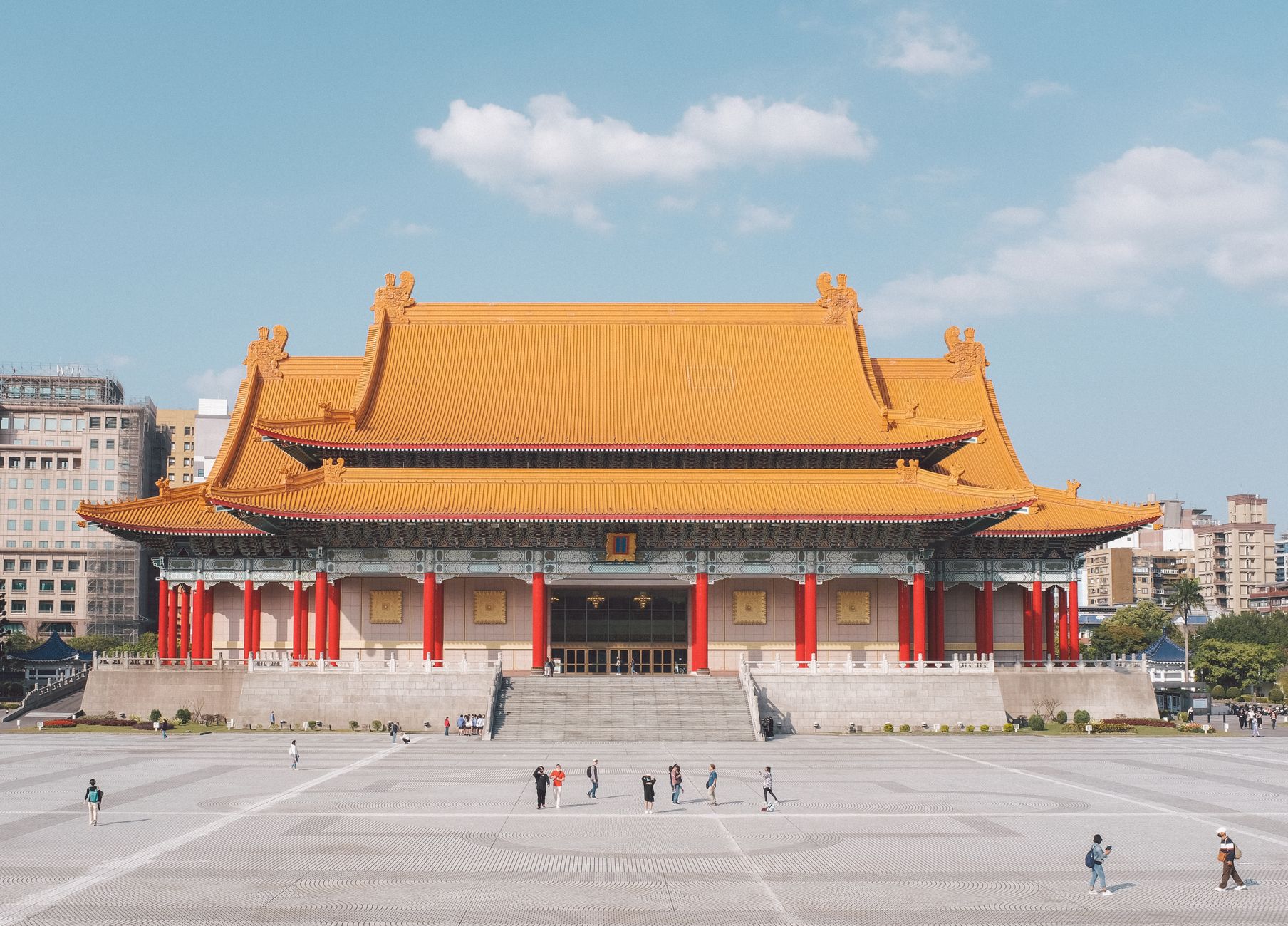
- Tensions in the South China Sea have reached a critical new peak as China asserts increasingly aggressive territorial claims, directly challenging Taiwan's sovereignty and international navigation rights, demanding urgent diplomatic intervention and a robust international response.
- The intensifying El Niño phenomenon is poised to unleash severe climate disruptions globally, from devastating droughts and wildfires to unprecedented flooding, threatening food security and exacerbating socioeconomic instability across vulnerable regions.
- Global powers are struggling to formulate cohesive responses to these interconnected crises, highlighting a dangerous vacuum in international leadership and the potential for cascading failures in diplomacy, disaster preparedness, and humanitarian aid efforts.
- The economic repercussions of these geopolitical and climate challenges are substantial, with energy markets, global supply chains, and agricultural outputs facing severe volatility and inflationary pressures in the coming months, impacting everyday consumers.
- Humanitarian organizations are bracing for an unprecedented surge in displacement and aid requirements, as millions face the direct consequences of conflict escalation and climate-induced natural disasters across multiple continents, stretching resources to their limits.
Background
The initial ceasefire in the Middle East, brokered after weeks of intense conflict, was always a precarious arrangement, built on a foundation of deep-seated mistrust and unresolved grievances between warring factions and their regional proxies. Its primary aim was to halt immediate hostilities and facilitate humanitarian aid, yet underlying political objectives and territorial disputes were never fully addressed, leaving the door open for renewed aggression. This fragile peace has been under constant strain, with minor provocations frequently threatening to unravel the entire agreement, challenging the best intentions of international mediators.
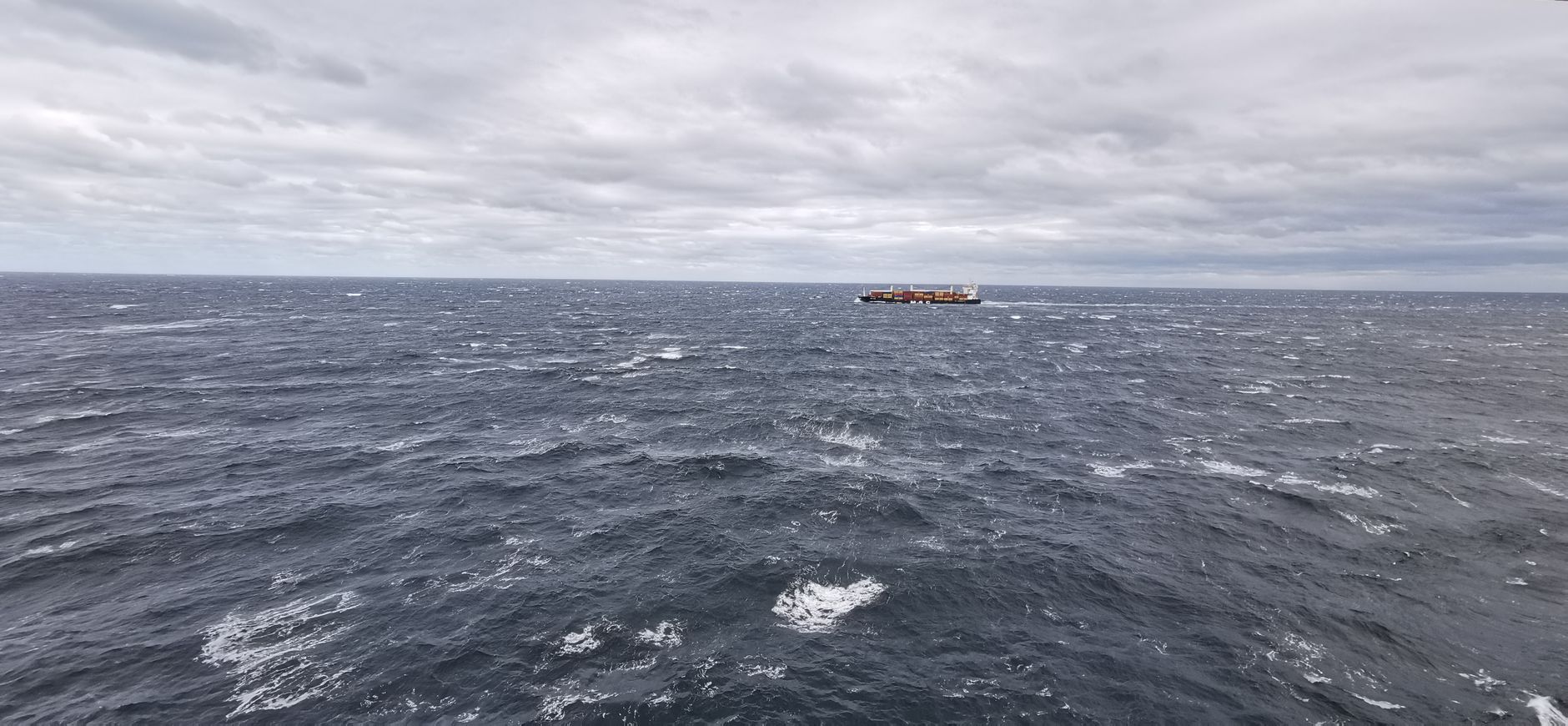
The South China Sea has long been a flashpoint for geopolitical competition, with China claiming vast swathes of the strategic waterway, overlapping with claims from Vietnam, the Philippines, Malaysia, Brunei, and Taiwan. This maritime region is crucial for global trade, with an estimated one-third of the world's shipping passing through it annually. Taiwan, viewed by Beijing as a renegade province, holds a strategically vital position within this contested area, making any escalation around its sovereignty a matter of profound international concern. Recent Chinese naval exercises and increased coast guard patrols near disputed islands have significantly heightened anxiety, pushing regional security dynamics to a dangerous precipice.
El Niño, a naturally occurring climate pattern characterized by warmer-than-average sea surface temperatures in the central and eastern tropical Pacific Ocean, significantly impacts global weather systems. This current manifestation is particularly strong, following a prolonged period of La Niña, and its effects are already being observed worldwide. Historically, strong El Niño events have been linked to severe droughts in Australia, Southeast Asia, and parts of South America, while bringing heavier rainfall and flooding to regions like the southern United States and parts of East Africa. Understanding its historical precedents and current trajectory is crucial for anticipating and mitigating its far-reaching consequences on agriculture, water resources, and public health.
Why It Matters
The unraveling ceasefire in the Middle East carries catastrophic implications, not just for the immediate combatants but for global energy markets and international stability. A full-scale resumption of conflict would inevitably disrupt oil supplies, sending prices soaring and triggering widespread economic instability across already fragile economies. Furthermore, the humanitarian toll would be immense, exacerbating refugee crises and placing an unbearable strain on international aid organizations. The potential for regional powers to be drawn into the fray, either directly or through proxies, risks igniting a broader conflagration that could reshape geopolitical alliances and security paradigms for decades to come, with unpredictable global consequences.
The escalating standoff between Taiwan and China in the South China Sea poses an existential threat to global trade and the principle of freedom of navigation. Any military confrontation in this vital waterway would paralyze shipping lanes, impacting supply chains for everything from microchips to consumer goods, with devastating effects on the world economy. Beyond economic concerns, the challenge to Taiwan's autonomy represents a direct test of democratic values against authoritarian expansionism, potentially setting a dangerous precedent for other contested regions worldwide. The international community's response, or lack thereof, will define the future of maritime law and regional sovereignty, with profound implications for global security.
The intensifying El Niño phenomenon is not merely a weather event; it is a profound threat multiplier for existing global crises. Its anticipated impacts, including widespread droughts, extreme heatwaves, and unprecedented flooding, will severely compromise agricultural yields, leading to food insecurity and potential famine in vulnerable nations. This climate disruption will also exacerbate water scarcity, fuel wildfires, and increase the spread of vector-borne diseases, placing immense pressure on public health systems and potentially triggering mass migrations. The interconnectedness of these environmental challenges means that El Niño's effects will ripple through economies and societies, demanding urgent and coordinated global action to build resilience and mitigate disaster on an unprecedented scale.
Ground Reality
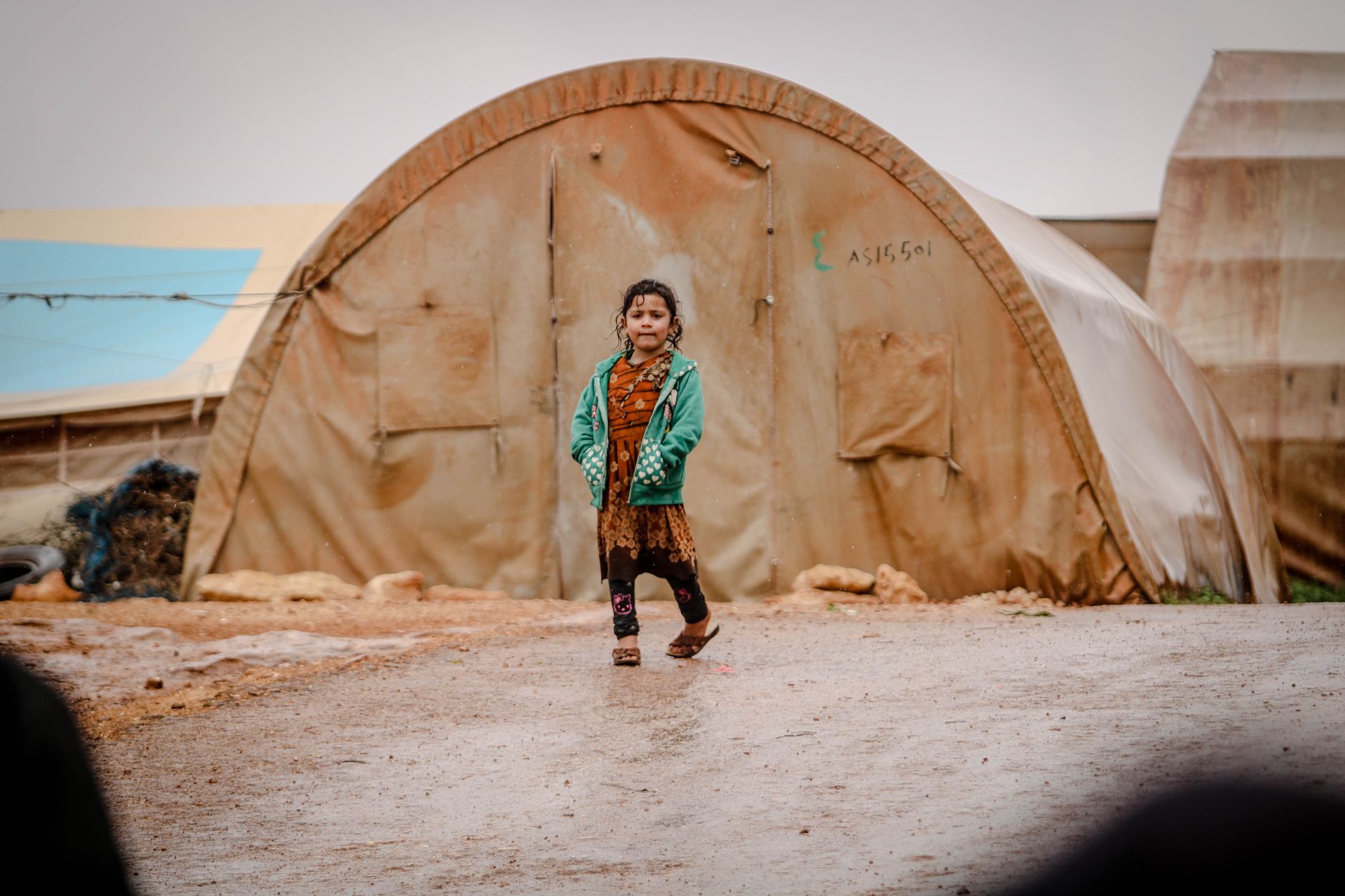
In the Middle East, reports from the ground indicate a sharp increase in ceasefire violations, with both sides accusing the other of initiating attacks. Humanitarian corridors, which were barely functional during the truce, are now facing complete closure, trapping civilians in conflict zones and preventing essential aid deliveries. Hospitals are overwhelmed, and infrastructure, already decimated by previous fighting, is under renewed assault. Eyewitness accounts speak of a pervasive sense of fear and desperation, as communities that had begun the arduous process of rebuilding now face the grim prospect of renewed displacement and loss. The international monitoring missions are struggling to maintain access and verify claims amidst the escalating hostilities, painting a dire picture of a region teetering on the brink of widespread catastrophe.
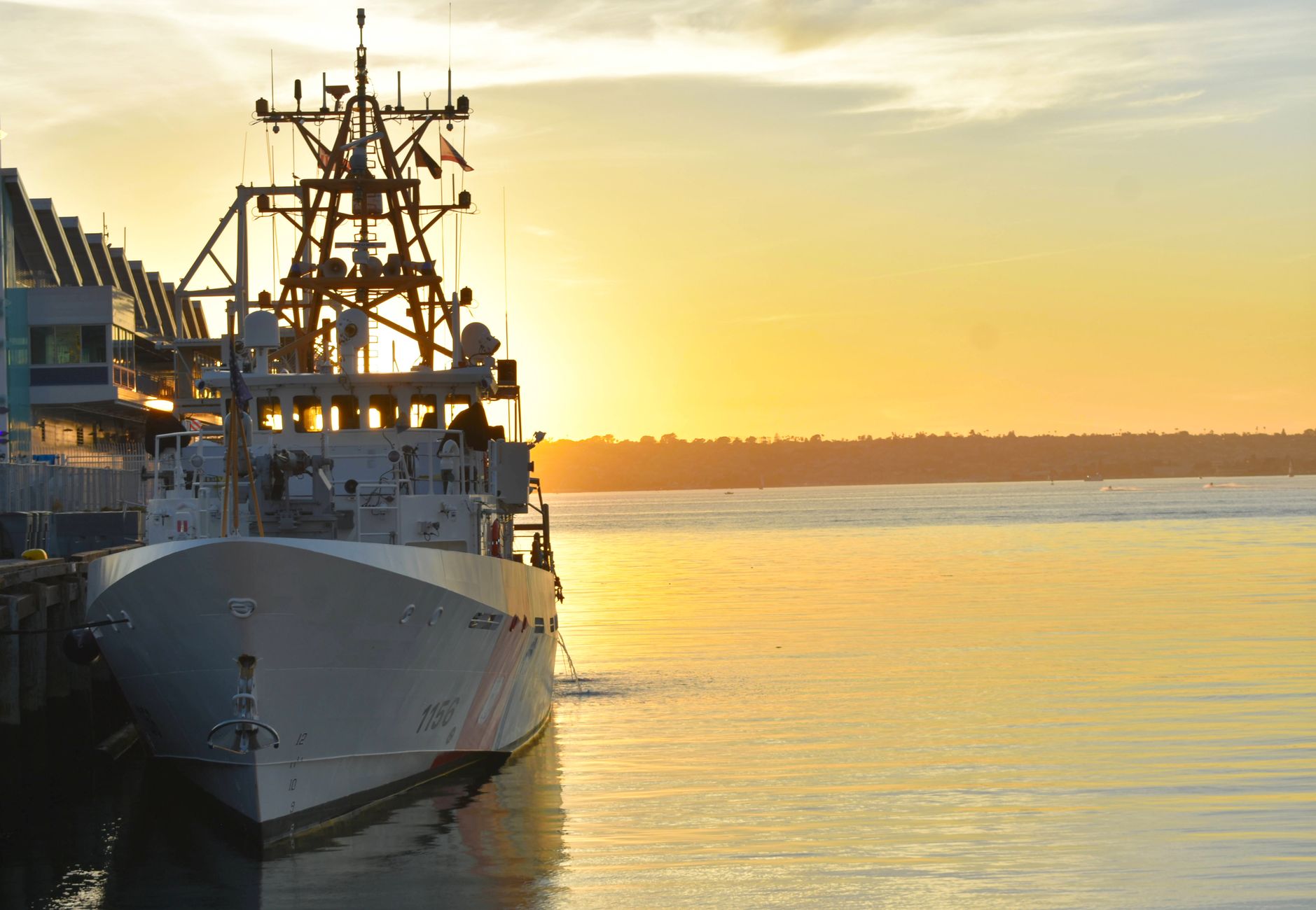
The South China Sea is currently a theater of heightened military posturing. Chinese coast guard vessels are conducting increasingly aggressive maneuvers, including water cannon attacks and dangerous close-quarter interactions with Philippine and Vietnamese supply boats near contested shoals. Taiwan has reported a significant uptick in Chinese military aircraft incursions into its air defense identification zone, prompting regular scramble missions by its air force. Fishing fleets from various nations are reporting increased harassment, impacting livelihoods and escalating tensions at sea. The rhetoric from Beijing remains unyielding, asserting historical claims while regional neighbors, backed by some Western powers, are attempting to solidify their sovereign rights through diplomatic protests and limited naval patrols, creating a volatile maritime environment.
Across the globe, the early signs of El Niño's impact are already tangible. In parts of Southeast Asia, severe drought conditions are threatening rice harvests, a staple food for millions, while in Australia, bushfire season has started earlier and with greater intensity than usual. Conversely, regions in South America are experiencing torrential rains and flash floods, leading to widespread displacement and infrastructure damage. Experts are particularly concerned about the combined effect of El Niño with ongoing climate change, suggesting that the extreme weather events could be more severe and unpredictable than in previous cycles. Farmers, emergency services, and public health officials are scrambling to adapt to these rapidly evolving conditions, often with limited resources and facing unprecedented challenges.
What Experts Are Saying
Security analysts are largely in agreement that the Middle East ceasefire was unsustainable in the long term without a comprehensive political resolution. Many experts, like Dr. Anya Sharma from the Global Conflict Institute, argue that "the underlying drivers of conflict – territorial disputes, proxy warfare, and ideological divides – were simply paused, not resolved. The current fraying was an almost inevitable outcome, and the danger now is a rapid descent into a wider regional war that could draw in major global powers." Others point to the critical role of external actors in either de-escalating or exacerbating the situation, emphasizing that the international community's fragmented response has emboldened hardliners on all sides, making a return to stability increasingly remote.
On the Taiwan-China standoff, maritime security specialists are issuing stark warnings. Professor Lee Chen-Hao of the National University of Singapore highlights that "China's strategy in the South China Sea is a slow, deliberate encroachment, designed to establish de facto control without triggering a full-scale military conflict. However, the increasing frequency and intensity of these actions significantly raise the risk of miscalculation or accidental escalation, which could quickly spiral out of control." Defense strategists are particularly concerned about the implications for global supply chains and the potential for a blockade of Taiwan, which would have unprecedented economic consequences. There's a consensus that the current diplomatic efforts are insufficient to deter Beijing's assertive posture, demanding a more robust international strategy.
Climate scientists and economists are painting a grim picture regarding the El Niño phenomenon. Dr. Elena Petrova, a lead climatologist at the World Meteorological Organization, states, "This El Niño is not operating in isolation; it's superimposed on a planet already warmed by climate change. This means its impacts are likely to be amplified, leading to more extreme and unpredictable weather patterns than we've seen in previous strong El Niño events." Economists are forecasting significant disruptions to global agricultural markets, potentially leading to price spikes and increased food insecurity, particularly in developing nations already struggling with poverty and political instability. The call for enhanced climate resilience and adaptive strategies has never been more urgent, yet funding and political will remain significant hurdles.
Frequently Asked Questions
What Happens Next
The immediate future for the Middle East ceasefire appears bleak, with analysts predicting further deterioration before any potential re-engagement in serious peace talks. The international community will likely intensify diplomatic efforts, possibly through UN Security Council resolutions or regional summits, but without a fundamental shift in the belligerents' positions, these interventions may only offer temporary reprieves. Watch for increased military aid flows to various factions and a potential surge in proxy conflicts in neighboring states, further destabilizing an already volatile region. The humanitarian crisis will undoubtedly deepen, requiring a massive, coordinated global response that may struggle to materialize given the current geopolitical fragmentation.
In the South China Sea, the trajectory points towards continued Chinese assertiveness, with Beijing likely to test the resolve of regional nations and their allies through further naval and air incursions. The coming months will be crucial for observing how the United States and its allies, particularly Japan and Australia, respond to these provocations. Expect increased joint military exercises and freedom of navigation operations, which, while intended to deter, also carry the risk of accidental escalation. The diplomatic front will remain active, but without a clear mechanism for de-escalation, the region will remain a dangerous flashpoint, demanding constant vigilance from global powers and a unified strategy to uphold international law.
The full impact of El Niño will unfold over the next 6-12 months, with governments and international organizations bracing for a cascade of climate-related disasters. Expect widespread declarations of emergency in drought-stricken areas, significant disruptions to global food supply chains, and increased pressure on water resources. Public health systems will be strained by heat-related illnesses and outbreaks of vector-borne diseases. The focus will shift towards emergency aid, climate adaptation funding, and international cooperation on disaster response. However, the scale of the challenge suggests that many regions will struggle to cope, potentially leading to increased social unrest and political instability in the most vulnerable nations, exacerbating existing fragilities.








Comments
No comments yet. Be the first to comment!