
Key Takeaways
- The Strait of Hormuz, a critical chokepoint, faces unprecedented risk due to escalating geopolitical tensions involving Iran, threatening global energy security.
- International oil prices are experiencing significant volatility, with potential for sharp increases as vital supply routes become increasingly precarious and uncertain.
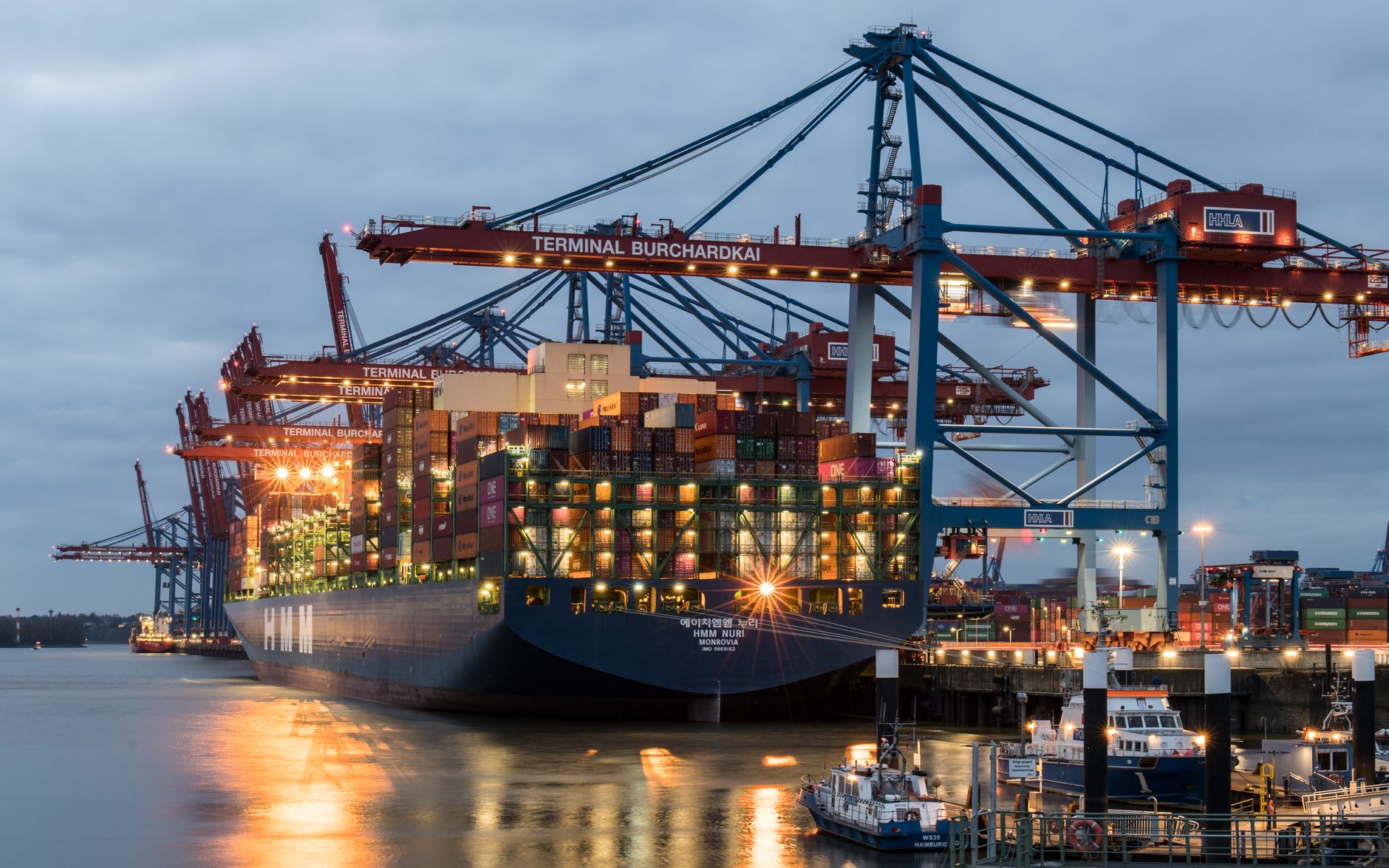
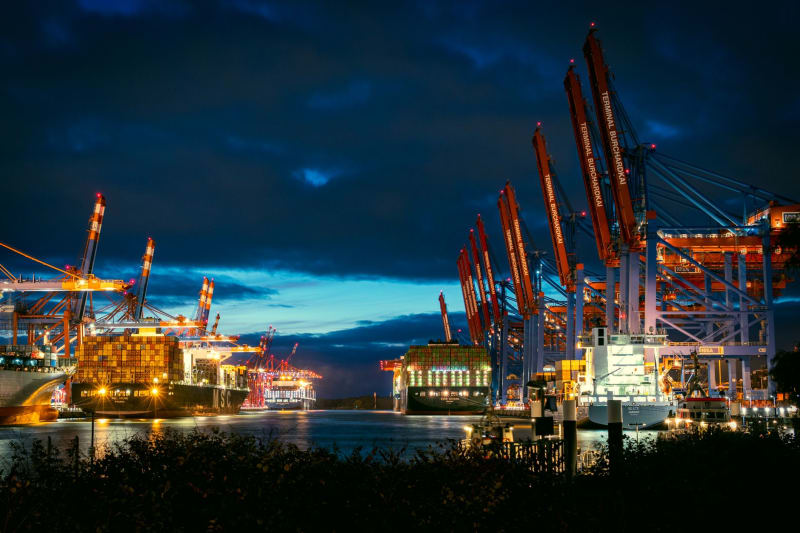
- Global shipping operations are facing severe disruptions, leading to costly rerouting, increased insurance premiums, and extended transit times for essential goods.
- Major economies worldwide are bracing for potential inflationary pressures and significant supply chain bottlenecks, impacting consumer prices and industrial output.
- Diplomatic efforts are intensifying, yet a clear de-escalation path remains elusive, keeping the region on high alert for further military engagements and instability.
- Businesses reliant on global trade and energy imports are urged to re-evaluate their risk management strategies and contingency plans for sustained geopolitical uncertainty.
Background
The Strait of Hormuz, a narrow waterway connecting the Persian Gulf to the open ocean, is arguably the world's most critical oil transit chokepoint. Annually, approximately one-fifth of the world's total petroleum liquids consumption, including crude oil and refined products, passes through this strategic passage. Its geographical significance means that any disruption, however minor, sends immediate ripples through global energy markets, impacting prices and supply stability across continents. The historical context of this region has always been fraught with geopolitical complexities, making it a focal point for international security concerns and a barometer for global stability.
Recent escalations stem from a complex interplay of regional rivalries, international sanctions, and a heightened military presence. Iran, strategically positioned along the Strait, has repeatedly signaled its capacity to impede shipping traffic in response to perceived threats or economic pressures. This long-standing tension has been exacerbated by recent incidents involving commercial vessels and military assets, raising the specter of direct confrontation. The international community watches closely, understanding that miscalculations in this volatile environment could have catastrophic global consequences far beyond the immediate region, affecting energy security and trade worldwide.
The current climate represents a dangerous inflection point. While previous standoffs have often been resolved through diplomatic channels or limited engagements, the current rhetoric and military posturing suggest a higher threshold for conflict. The economic implications are profound: even the *threat* of disruption can drive up insurance costs for shippers, extend delivery times, and force vessels to take longer, more expensive alternative routes. This ripple effect directly impacts global supply chains, potentially leading to higher consumer prices, reduced economic growth, and increased inflationary pressures worldwide, demanding urgent attention from policymakers and businesses alike.
Why It Matters
The stability of global energy markets hangs precariously in the balance. Any significant disruption to oil flows through the Strait of Hormuz would not merely cause a price spike; it could trigger a full-blown global energy crisis. Nations heavily reliant on imported oil, particularly in Asia and Europe, would face immediate economic shocks, potentially leading to energy rationing, industrial slowdowns, and widespread public discontent. The interconnectedness of modern economies means that an oil shock quickly translates into broader financial instability, impacting everything from manufacturing costs to consumer spending power and overall economic resilience.
Beyond oil, the broader implications for global trade are equally alarming. The Strait is a vital artery for a vast array of goods, from consumer electronics to essential raw materials. Increased shipping costs, delays, and the necessity of rerouting vessels around the Arabian Peninsula would significantly inflate supply chain expenses and extend delivery times. This directly impacts businesses worldwide, forcing them to absorb higher operational costs or pass them on to consumers, fueling inflation and potentially stifling economic recovery efforts in a post-pandemic world, exacerbating existing vulnerabilities.
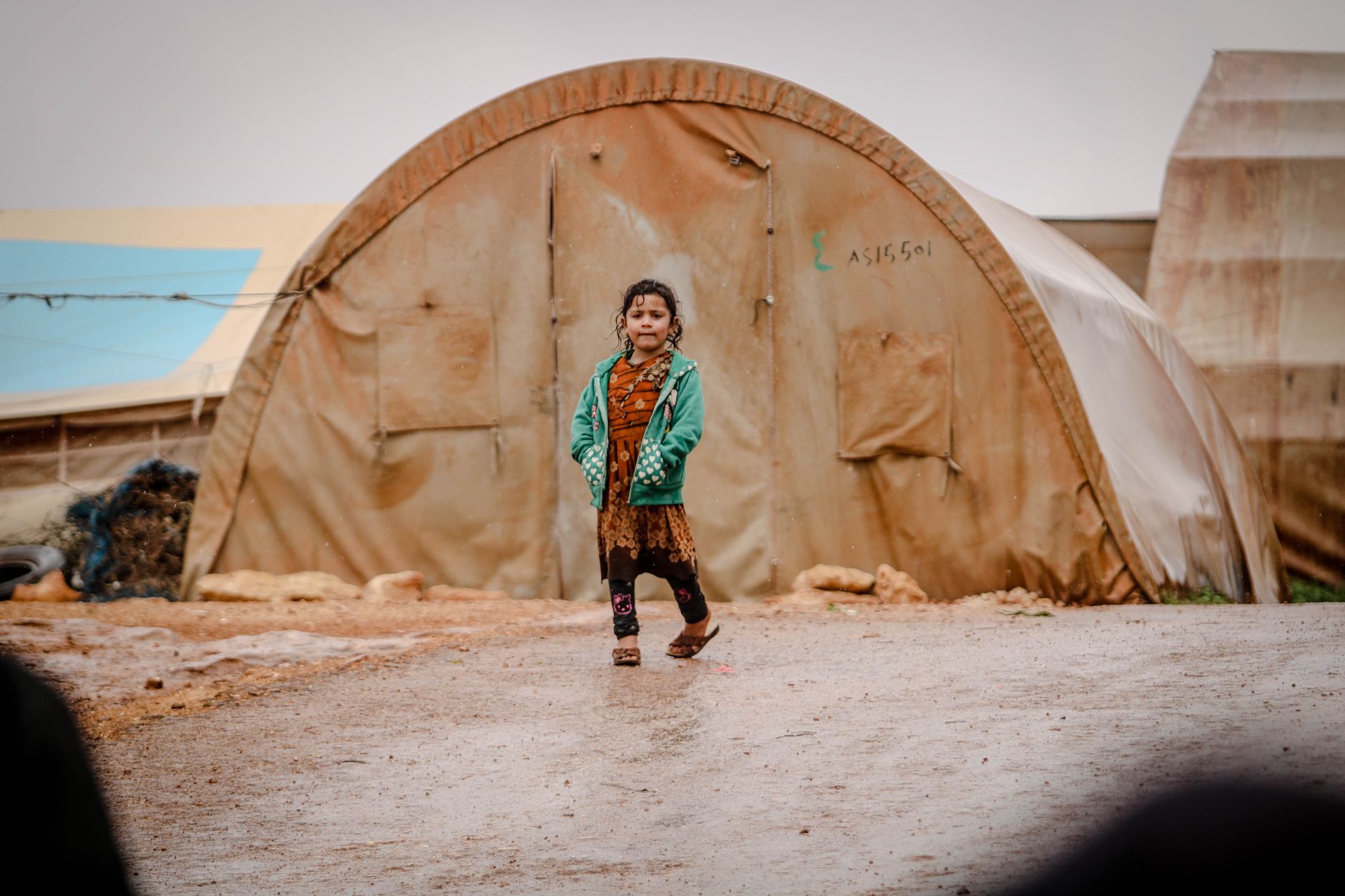
The geopolitical ramifications extend far beyond economic metrics. An escalating conflict could draw in major global powers, transforming a regional dispute into an international crisis with unpredictable outcomes. The potential for humanitarian crises, increased refugee flows, and further destabilization of an already fragile Middle East cannot be overstated. This situation underscores the urgent need for sustained diplomatic engagement and de-escalation strategies, as the alternative represents a dangerous path with profound and lasting consequences for global peace and prosperity, affecting generations to come.
Ground Reality
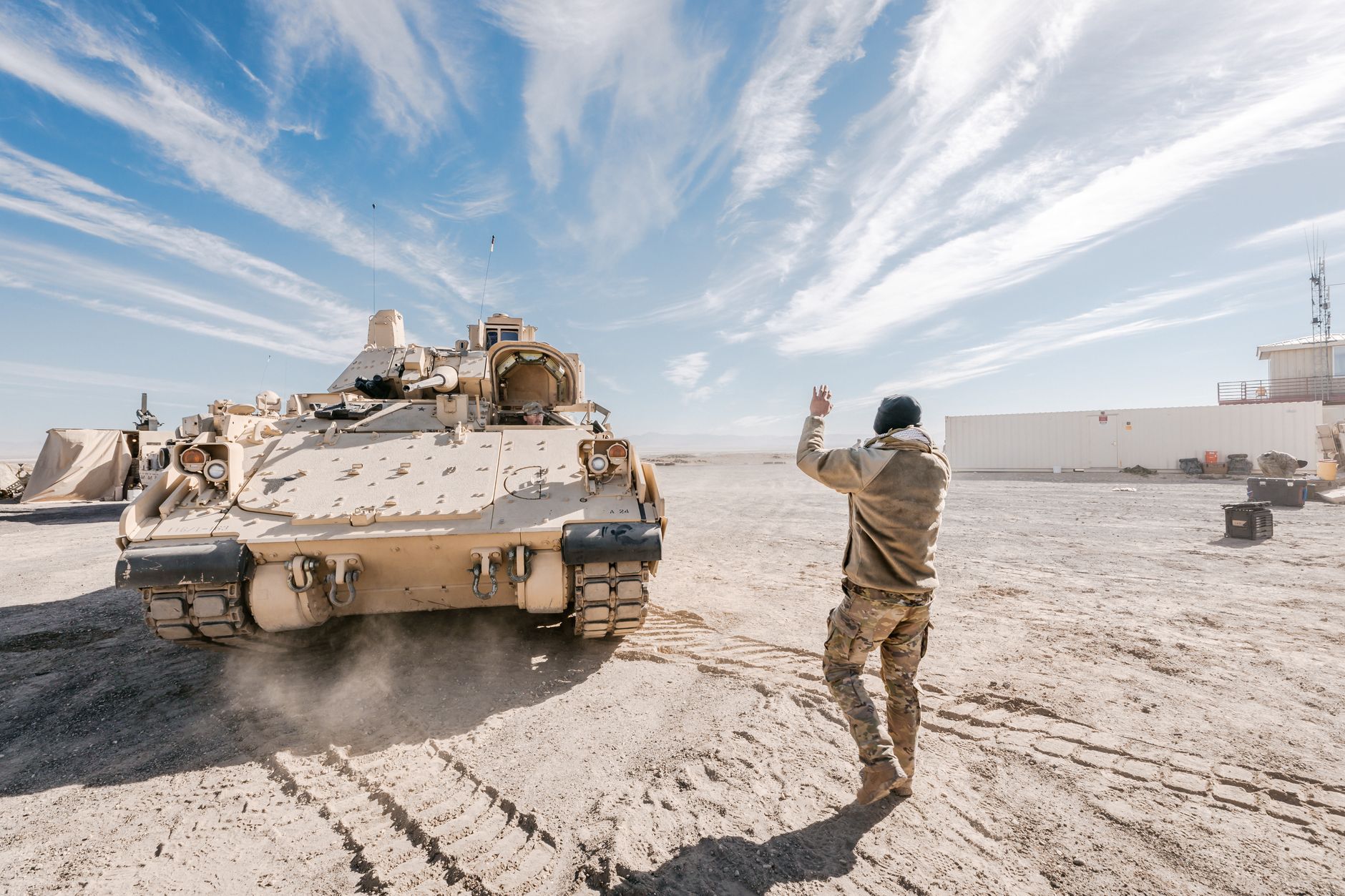
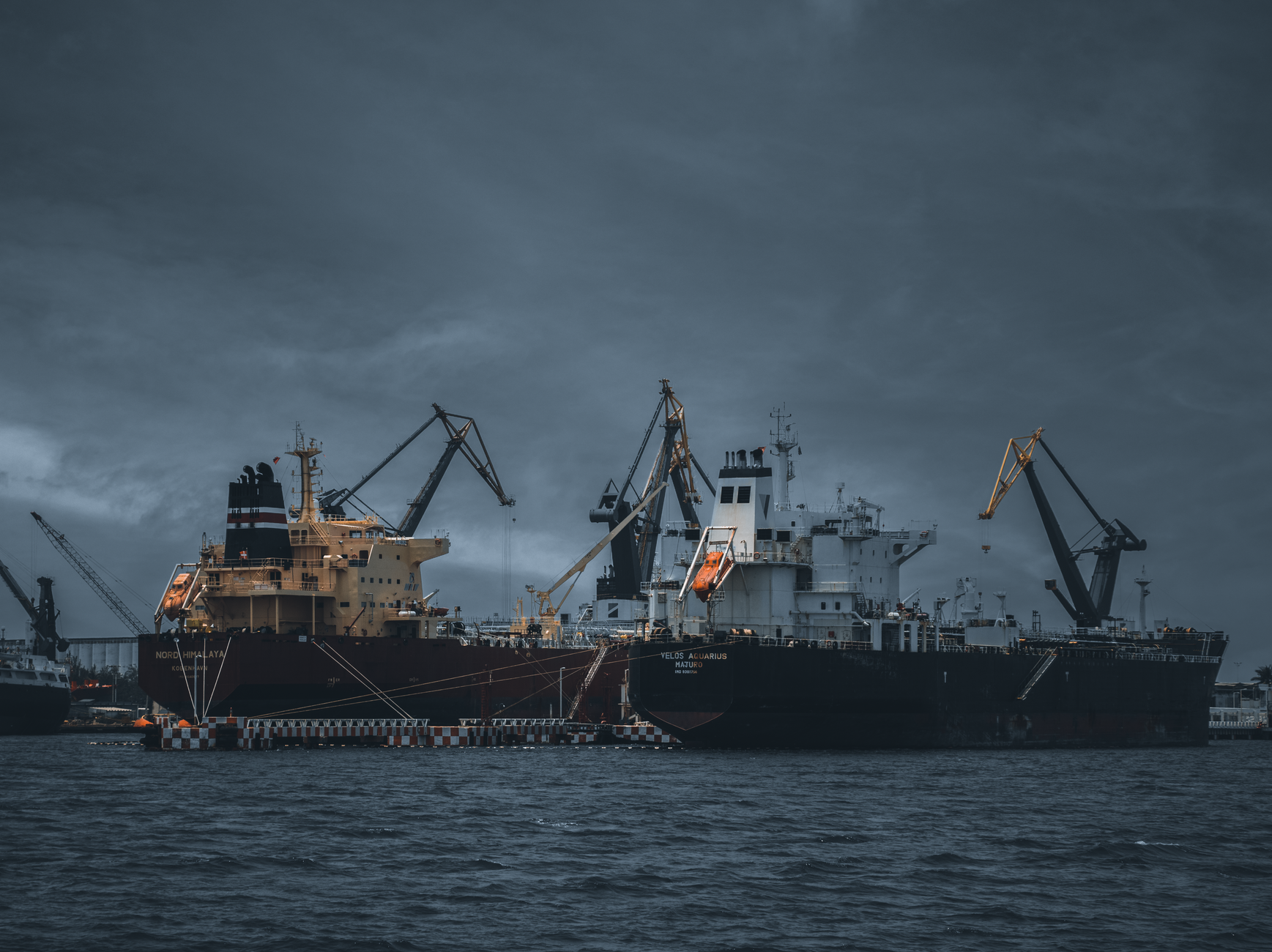
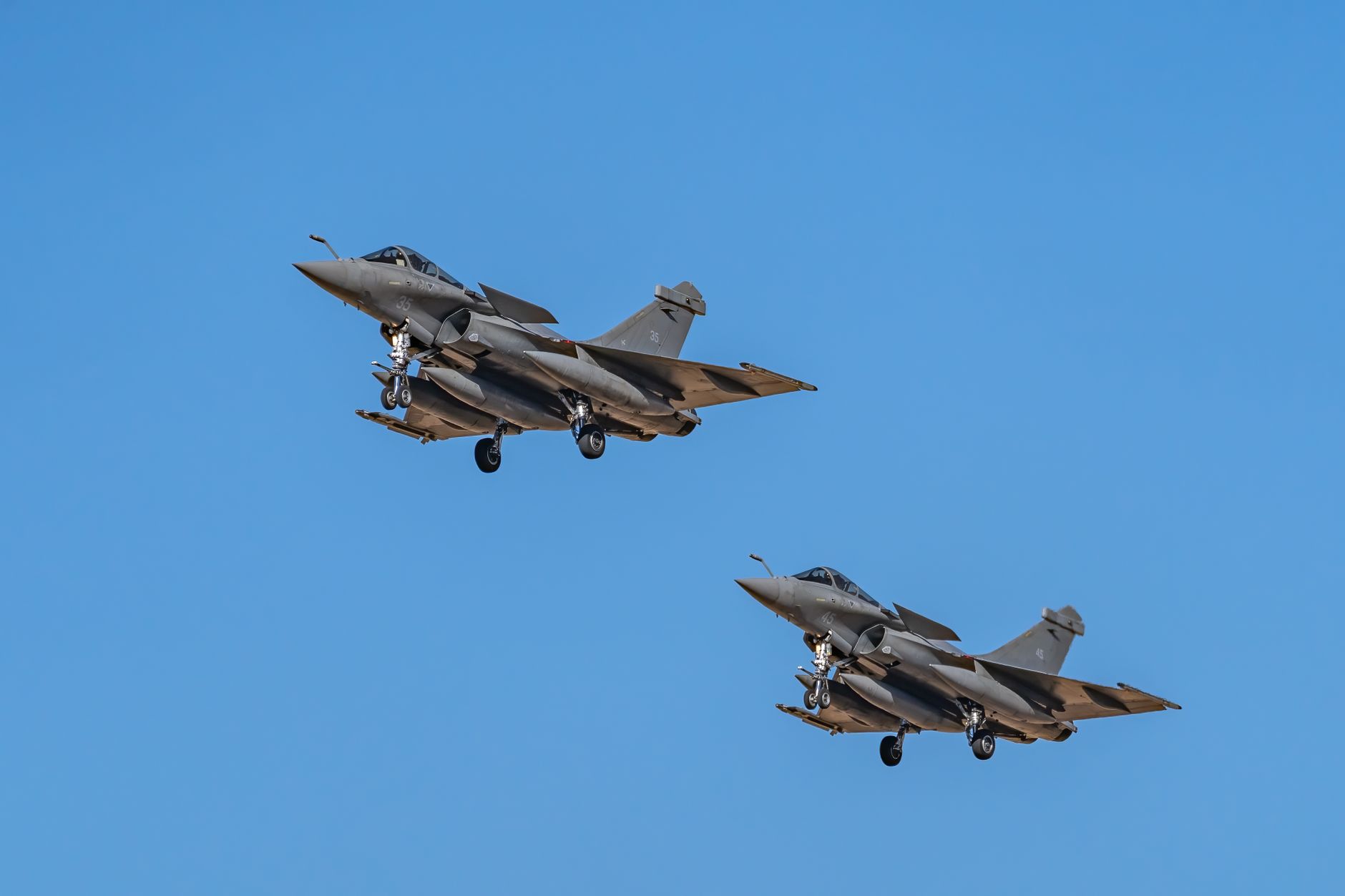
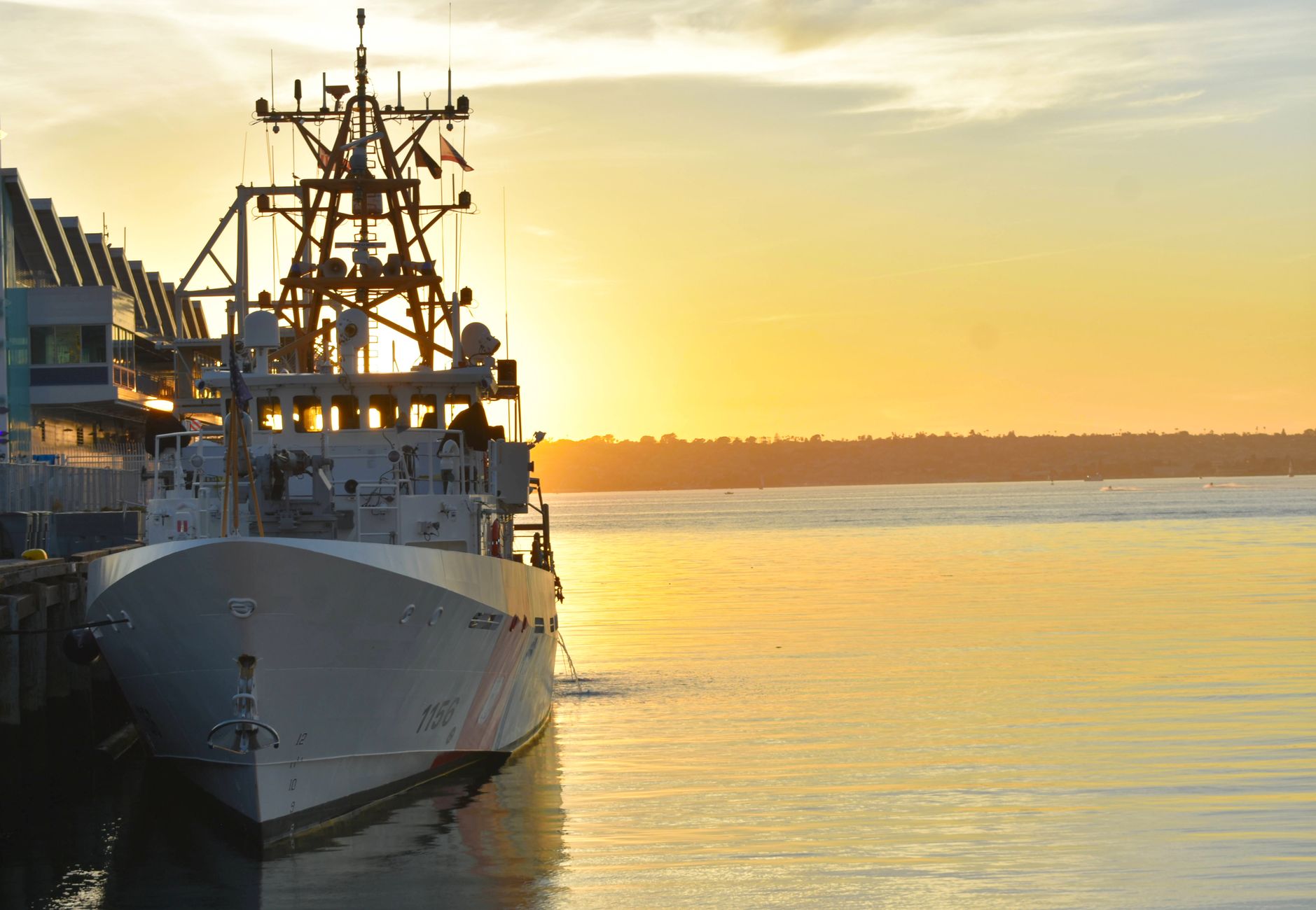
On the ground, the reality is one of heightened alert and palpable tension. Naval forces from several nations maintain a significant presence in and around the Strait of Hormuz, conducting surveillance and readiness drills. Commercial shipping companies are implementing enhanced security protocols, with some opting for increased vigilance or even considering alternative, albeit longer and more costly, routes to mitigate risk. Insurance premiums for vessels traversing the area have surged dramatically, reflecting the perceived increase in danger and adding substantial overheads to maritime transport operations, directly impacting profitability.
Local economies in the Gulf region are already feeling the pinch. Investment confidence is wavering, and businesses dependent on stable trade routes are facing an uncertain future. The livelihoods of countless individuals involved in port operations, logistics, and related industries are directly impacted by the fluctuating security landscape. Furthermore, the constant threat of military action creates an atmosphere of anxiety among the civilian populations, who bear the brunt of any escalation, whether economic or direct conflict, leading to widespread social and economic distress.
Despite the visible military presence and the rhetoric, daily maritime traffic continues, albeit under a cloud of apprehension. The sheer volume of trade that must pass through the Strait makes a complete shutdown highly improbable without triggering a global catastrophe. However, even minor incidents or prolonged periods of elevated threat can create cumulative delays and costs that erode profitability and consumer confidence. The current ground reality is a delicate balance between maintaining essential trade flows and preparing for potential, yet hopefully avoidable, worst-case scenarios, requiring constant adaptation.
What Experts Are Saying
Leading geopolitical analysts universally agree that the current situation in the Strait of Hormuz presents one of the most significant global economic risks. Dr. Elara Vance, a senior fellow at the Institute for Global Security Studies, emphasizes, "The interdependence of global energy markets means that a localized conflict in the Gulf quickly becomes a global economic tremor. We're not just talking about higher gas prices; we're talking about inflation across the board, impacting everything from manufacturing to food supply chains." Her analysis highlights the systemic vulnerability of the world economy to disruptions in critical maritime chokepoints, underscoring the urgent need for preventative action.
Maritime security experts, such as Captain Marcus Thorne (ret.), warn that the current level of military posturing significantly elevates the risk of accidental escalation. "Even with sophisticated surveillance and communication, the sheer volume of military and commercial traffic in a confined space increases the chances of miscalculation or unintended confrontation," Thorne states. He suggests that while naval forces are designed to deter, their presence also creates a hair-trigger environment where a minor incident could rapidly spiral out of control, making robust de-escalation protocols and clear communication channels paramount to avoid catastrophe.
Economists are forecasting a range of scenarios, from moderate price increases to severe recessionary pressures, depending on the duration and intensity of any disruption. Professor Lena Khan, an expert in international trade economics, notes, "Businesses need to stress-test their supply chains now. Relying on just-in-time inventory models becomes incredibly risky when faced with such unpredictable geopolitical factors. Diversification of sourcing and logistics routes, while costly, is becoming an imperative for resilience in this new era of instability." This consensus among experts underscores the gravity of the situation and the urgent need for proactive measures to safeguard economic stability.
Frequently Asked Questions
What Happens Next
The immediate future hinges on the delicate balance of diplomatic efforts versus continued military posturing. Experts anticipate a period of sustained high alert, with ongoing risks of localized incidents that could quickly escalate. The international community will intensify calls for de-escalation, but concrete breakthroughs will require significant concessions from all parties involved. Any further provocations, whether intentional or accidental, could rapidly push the situation past a critical threshold, leading to more direct and widespread conflict with unpredictable global ramifications, demanding constant vigilance from all stakeholders.
Economically, markets will remain highly sensitive to news from the region. Oil prices are likely to continue their volatile trajectory, reacting sharply to every pronouncement or incident. Businesses should prepare for prolonged supply chain uncertainties, potentially necessitating long-term adjustments to sourcing, logistics, and inventory management. The longer this instability persists, the more deeply embedded its effects will become in the global economic fabric, making a swift return to pre-crisis stability increasingly challenging and requiring robust contingency planning across industries.
Looking ahead, the long-term implications involve a potential re-evaluation of global energy security strategies. Nations may accelerate diversification away from reliance on single chokepoints or specific suppliers, investing more heavily in renewable energy and domestic production. This crisis could also catalyze new alliances and diplomatic frameworks aimed at ensuring maritime security in critical regions. However, the path to such stability is fraught with immediate dangers, demanding constant vigilance and a concerted global effort to prevent a wider conflagration that would have lasting impacts on international relations and global prosperity.







Comments
No comments yet. Be the first to comment!