
The Numbers
- Since the full-scale invasion, over 1,800 individuals and entities, including oligarchs, military officials, and state-owned enterprises, have been subjected to asset freezes and travel bans, significantly impacting Russia's elite and its operational capacity.
- The European Union has successfully frozen approximately €300 billion in Russian Central Bank assets, a monumental sum that severely restricts Moscow's ability to stabilize its currency and fund its war efforts on the international stage.
- Comprehensive trade restrictions are currently impacting an estimated €90 billion in annual EU-Russia trade, drastically reducing Russia's export revenues and its access to critical Western goods and technologies essential for its economy.
- Prior to this latest initiative, twenty distinct sanctions packages had already been implemented, progressively targeting Russia's financial, energy, technological, and transport sectors, demonstrating a sustained and evolving commitment to economic pressure.
- This new 21st package specifically aims to meticulously close existing loopholes and strategically target emerging evasion tactics, ensuring that critical components for Russia's military-industrial complex become increasingly difficult to acquire, tightening the economic noose.
- Economists project that the cumulative effect of these sanctions, including the latest measures, is expected to inflict a substantial blow to Russia's GDP, with estimates suggesting a contraction of several percentage points over the coming years, undermining its long-term economic stability.
Context Check
The European Union's 21st sanctions package against Russia arrives at a critical juncture in the ongoing conflict in Ukraine. With global geopolitical tensions escalating, this new round of measures underscores the EU's unwavering commitment to exert maximum economic pressure on Moscow. The previous packages have already significantly impacted Russia's economy, but the persistent aggression necessitates further, more targeted actions to degrade its war machine and financial stability. The international community watches closely, assessing the effectiveness of these coordinated efforts against a backdrop of complex global supply chains and energy markets.
This latest package is not merely an incremental step; it represents a strategic recalibration, designed to address emerging challenges and circumvent previous evasion tactics. As Russia seeks alternative trade routes and financial mechanisms, the EU's response must evolve to maintain its deterrent effect. The package's focus on specific sectors and individuals reflects a deeper understanding of Russia's economic vulnerabilities and its methods for sustaining its military operations. This ongoing economic warfare is a testament to the EU's resolve, even as member states navigate their own economic pressures and energy security concerns.
The broader implications extend beyond economic metrics, influencing diplomatic relations and the future of international law. The EU's stance sends a clear message to other potential aggressors about the severe consequences of violating sovereign borders and international norms. However, the long-term efficacy of sanctions also depends on sustained international cooperation and the ability to adapt to Russia's countermeasures. The global economy is intricately linked, and the ripple effects of these sanctions are felt worldwide, from commodity prices to inflation rates, making their careful implementation paramount.
Background
Since Russia's full-scale invasion of Ukraine in February 2022, the European Union has systematically implemented a comprehensive series of sanctions packages. These measures began with broad financial restrictions and export controls, rapidly expanding to target key sectors of the Russian economy, including energy, finance, technology, and transport. The initial packages aimed to cripple Russia's ability to fund its war efforts and isolate it from the global financial system. This unprecedented scale of sanctions demonstrated a unified European front against aggression, signaling a significant shift in the EU's foreign policy approach towards Russia. Each subsequent package has built upon the last, refining targets and closing potential loopholes.
The evolution of these sanctions has been a complex process, requiring delicate negotiations among 27 member states, each with unique economic ties and dependencies on Russia. Early packages focused on high-profile individuals, major state-owned enterprises, and critical banking institutions, including the removal of several Russian banks from the SWIFT system. Later packages extended to import bans on Russian oil, coal, and steel, alongside export restrictions on dual-use goods and advanced technologies crucial for Russia's military-industrial complex. The cumulative effect has been a significant strain on Russia's economy, forcing it to seek alternative markets and domestic production solutions, often at higher costs and lower efficiency.
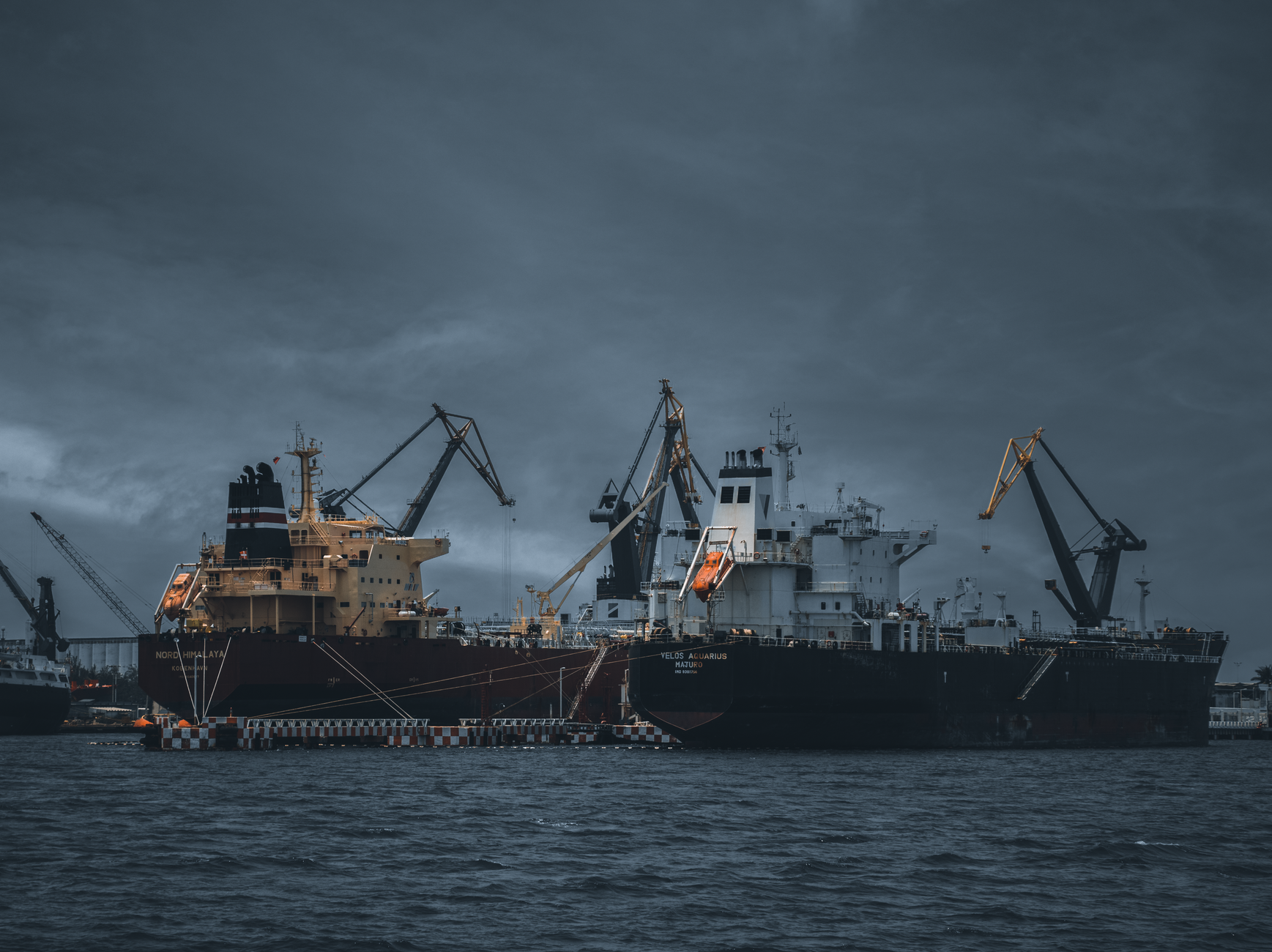
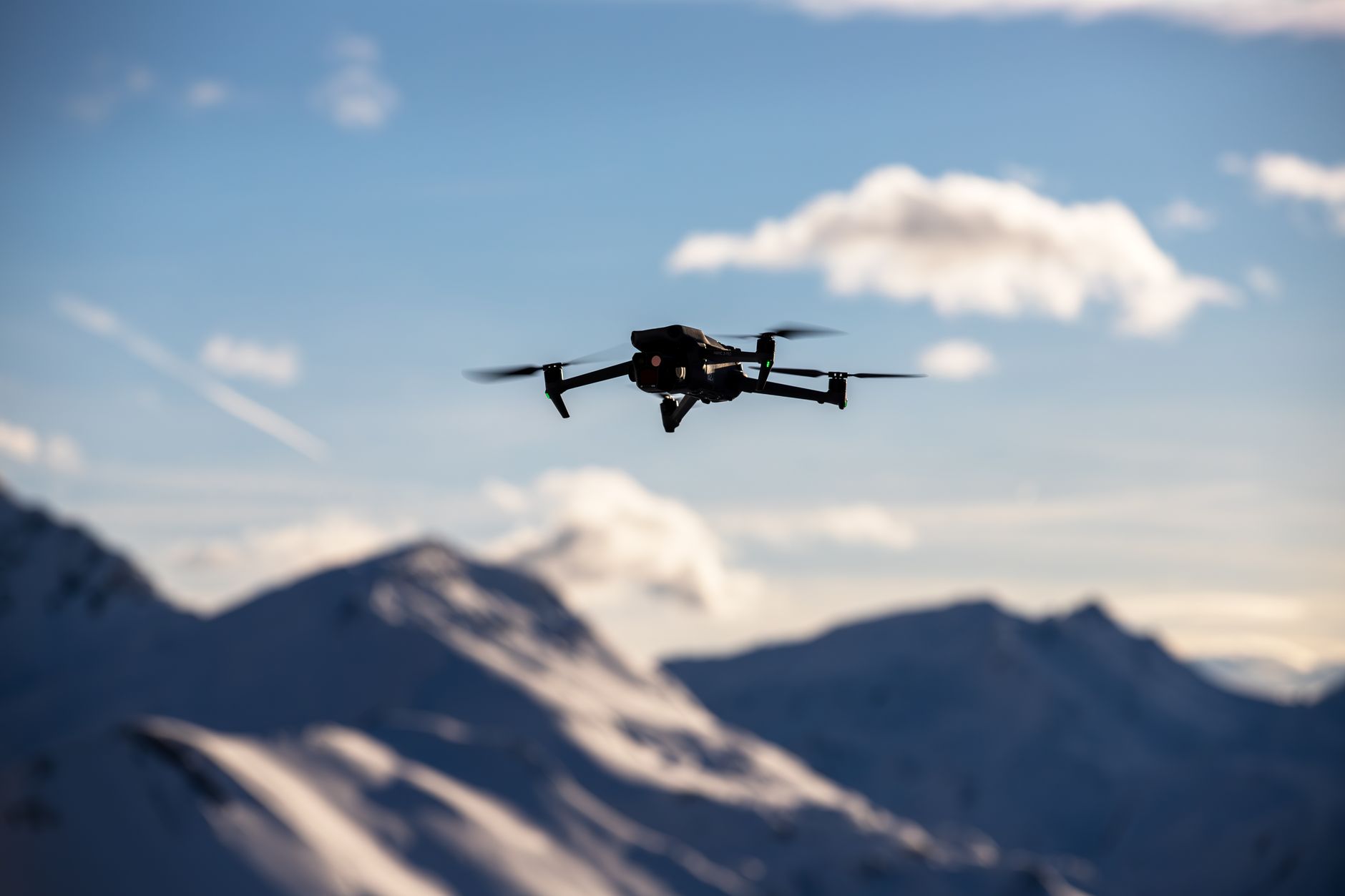
Despite the considerable impact, Russia has demonstrated resilience, adapting its economy and forging new alliances to mitigate the effects. This adaptability necessitates a continuous reassessment and tightening of the sanctions regime. The 21st package specifically addresses these evolving challenges, aiming to further restrict Russia's access to components for drone production, target its shadow fleet used to circumvent oil price caps, and sanction individuals and entities involved in the illegal deportation of Ukrainian children. This ongoing cat-and-mouse game highlights the dynamic nature of economic warfare and the persistent need for vigilance and innovation in policy implementation.
Winners and Losers
The primary 'winner' in the immediate context of these sanctions is undoubtedly Ukraine, as the measures aim to weaken Russia's capacity to wage war and reduce its ability to inflict further damage. By targeting Russia's revenue streams and access to critical technologies, the sanctions directly support Ukraine's defense efforts and its long-term sovereignty. Furthermore, the unity demonstrated by the European Union and its allies in imposing these sanctions reinforces the international rules-based order, sending a strong message against territorial aggression. This collective resolve is a significant diplomatic victory, even as the conflict continues.
However, the economic landscape is complex, and the sanctions have also created 'losers' within Russia and, to some extent, within the EU itself. Russia's economy faces severe long-term structural damage, with reduced access to Western markets, technology, and investment. Key sectors like energy, finance, and manufacturing are struggling, leading to inflation, capital flight, and a decline in living standards for many ordinary Russians. The Kremlin's efforts to reorient its economy towards Asia and increase domestic production are costly and cannot fully compensate for the loss of established Western ties, leading to a significant degradation of its economic potential.
Within the EU, certain sectors and member states have also faced economic headwinds. Energy-dependent nations initially grappled with soaring gas prices and supply uncertainties, though significant diversification efforts have largely mitigated this. Businesses with extensive ties to Russia have incurred losses, and the broader European economy has experienced inflationary pressures. However, these costs are generally seen as a necessary price for upholding fundamental values and supporting Ukraine. The long-term 'winners' for Europe include enhanced energy independence and a stronger, more unified geopolitical stance, albeit achieved through considerable short-term adjustments and strategic investments.
Analyst Perspectives
Leading economists and geopolitical strategists largely concur that the cumulative effect of EU sanctions has significantly degraded Russia's economic capacity, though not to the extent of immediately halting its military operations. Dr. Elena Petrova, a sanctions expert at the European Policy Centre, notes, 'While Russia has shown surprising resilience in adapting its financial systems and trade routes, the long-term structural damage to its economy is undeniable. Its access to advanced Western technology, crucial for modernization across various industries, has been severely curtailed, impacting everything from energy production to defense manufacturing. The 21st package specifically targets these vulnerabilities, aiming to further constrict Russia's ability to procure critical components for its war machine.' This perspective highlights the slow-burn but ultimately debilitating nature of the sanctions.
Many analysts emphasize that the success of these sanctions is not solely measured by immediate economic collapse but by their sustained pressure over time. Dr. Markus Schmidt, a senior fellow at the German Institute for International and Security Affairs, states, 'The real impact lies in the erosion of Russia's future economic potential. By cutting off access to capital markets and advanced technologies, the EU is effectively ensuring that Russia's economy will struggle to innovate and grow for decades to come. This 21st package, with its focus on closing evasion routes and targeting specific military-industrial supply chains, demonstrates a sophisticated understanding of how Russia attempts to circumvent existing restrictions. It's a continuous process of adaptation and counter-adaptation.' This ongoing strategic chess match underscores the complexity of economic warfare.
However, some experts caution against overstating the immediate impact, pointing to Russia's ability to pivot towards non-Western markets and its robust domestic resource base. Professor Anya Sharma, an expert in Russian economics at the London School of Economics, argues, 'While the sanctions are certainly painful, Russia's economy is not on the verge of collapse. The country has successfully redirected significant energy exports to Asia and has implemented import substitution policies, albeit with varying degrees of success. The challenge for the EU remains in enforcing these sanctions globally and preventing third-country circumvention, which is precisely what the 21st package attempts to address with its focus on enforcement mechanisms. The effectiveness hinges on global cooperation and the willingness of other nations to adhere to the spirit of the sanctions.' This nuanced view acknowledges both the successes and the persistent challenges.
Key Questions Explained
The Outlook
The implementation of the 21st sanctions package marks another critical step in the EU's long-term strategy to exert sustained pressure on Russia. The road ahead will undoubtedly be challenging, requiring continuous vigilance and adaptive policy-making. The EU must remain prepared to counter Russia's evolving tactics for sanctions circumvention, which increasingly involve complex networks and third-country intermediaries. Future packages are likely to focus even more intensely on enforcement mechanisms, digital assets, and the targeting of specific individuals and entities supporting Russia's war economy, ensuring that no stone is left unturned in the effort to cut off funding and resources.
Beyond the immediate economic impact, the long-term outlook involves a fundamental reshaping of geopolitical alliances and trade relationships. The EU's commitment to these sanctions signals a clear intent to decouple from its previous energy and economic dependencies on Russia, fostering greater resilience and strategic autonomy. This shift will accelerate investments in renewable energy, diversify supply chains, and strengthen partnerships with like-minded democracies globally. The implications for international trade norms and the future of multilateral cooperation are profound, as the world grapples with the weaponization of economic tools in foreign policy.
Ultimately, the success of these sanctions will be measured not just by their economic toll on Russia, but by their contribution to a just and lasting peace in Ukraine. The EU's unwavering support, demonstrated through these robust measures, sends a powerful message of solidarity and resolve. However, the path to peace remains complex, necessitating a multi-faceted approach that combines economic pressure, diplomatic engagement, and humanitarian aid. The 21st package is a testament to the EU's enduring commitment to these principles, even as it navigates the intricate challenges of global instability and economic interdependence.




Comments
No comments yet. Be the first to comment!